Curious which small change could make nights calmer and mornings brighter? You may be surprised how a few well-chosen products can shift how you feel each day.
This short guide shows seven vetted devices that help midlife women wind down, reduce wake-ups, and wake more refreshed. You’ll see clear picks like the Oura Ring, Philips SmartSleep light, Withings Sleep Analyzer, and the Eight Sleep Pod cover.
We highlight practical features—HRV, blood oxygen, sleep stages, and simple scores—so you get useful data without obsessing. You’ll also learn when an app such as Headspace adds value with Sleepcasts and a Nighttime SOS, and when a screen-free gadget is wiser for the bedroom.
Expect fast comparisons, setup tips, and a friendly take on wearables versus non-wearables. By the end, you’ll know which options match your routine, budget, and health goals for the best sleep at this stage of life.
Why sleep tech matters in midlife right now
When nights change in midlife, the right tracker can turn guesswork into clear, useful data. You juggle hormones, hot flashes, new caregiving duties, and shifting stress. That mix often shows up as fragmented sleep and lower daytime energy.
Modern trackers monitor breathing rate, heart rate, oxygen levels, movement, snoring, and bedroom temperature. They visualize that data and offer coaching so you can spot trends over weeks instead of obsessing over one rough night.
These devices help if your schedule is irregular and can produce notes to share with your doctor. They are not a substitute for medical care, though—use patterns to guide conversations, not to self-diagnose.
- See trends: total sleep, timing, and efficiency so you can get better at matching routine to biology.
- Spot risks: snoring or suspected apnea that may need clinical attention.
- Stay comfortable: choose a wearable or an under-mattress tracker if wearing a device bothers you.
Trackers can backfire if daily numbers cause anxiety. Aim to use data as a baseline for steady improvements and pair what you learn with how rested you actually feel.
How to choose sleep gadgets that actually help you rest
Choosing the right gadget starts with one simple rule: match the product to the problem you want to solve. Name the metric—breathing, total rest time, or awakenings—and use that goal to guide choices.
Sensors and accuracy: heart rate, breathing, blood oxygen, and sleep stages
Not every tracker reads the same signals. Rings, wristbands, under-mattress mats, and smart mattresses use different sensors to track breathing, heart rate, oxygen, movement, noise, and room temperature.
Make sure the product you pick has the sensors tied to your goal. Analytics and sleep stages can vary, so read a trusted review and try any trial period to see how reported data matches how you feel.
Comfort, battery life, and charging habits that fit your routine
Comfort matters. If a ring or band irritates your body, choose an under-mattress device that plugs in and avoids contact.
Consider battery life and how often you charge. A long-life ring or a plug-in mat reduces friction if you forget nightly charging.
Apps, sleep score, and subscriptions: what your data and price really mean
Look closely at the app experience and overall price. A clear sleep score, intuitive charts, and helpful tips decide whether you’ll keep using the device.
- Check compatibility, warranty, and return windows.
- Factor subscription costs into total ownership.
- Use verified reviews to spot real issues like syncing or skin irritation.
Oura Ring Gen4: a ring that nails sleep tracking without the bulk
A slim ring can deliver surprisingly detailed nightly reports without any wrist bulk. The Oura Ring Gen4 uses three medical-grade sensors to gather clean signals and translate them into clear, usable results.
Key sleep features and what they show
What it tracks: sleep stages, sleep efficiency, HRV, skin temperature, and blood oxygen.
Why it matters: the ring turns these inputs into a single sleep score and color-coded graphs so you can spot trends at a glance.
Design, battery life, and daily use
The ring is subtle and comfortable, which helps you wear it every night. Testers report battery life up to eight days, so charging fits into your routine without hassle.
Who should consider it
- You want in-depth sleep data in a small form factor, not a bulky wrist device.
- You value clear app visuals and personalized suggestions tied to your data.
- You prefer a tracker that reliably flags awakenings and movement, matching how you felt.
Bottom line: this ring blends comfort, long life, and readable data. If you want powerful tracking you’ll actually use, the Oura Ring Gen4 is a top choice in many reviews.
Withings Sleep Analyzer: under-mattress sensors for effortless tracking
Place a slim mat beneath your mattress and let it record your night’s breathing and motion automatically. The Withings Sleep Analyzer uses a pneumatic sensor to pick up movement and breathing pattern shifts without contact.
Set it and forget it: slide the thin mat under your mattress, plug it in, and the device tracks entire nights with no straps or charging routine. A built-in speaker detects snoring and flags possible apnea.
Set it and forget it: snore and sleep apnea detection with a clear sleep score
The Health Mate app shows sleep stages, apnea detection, and an overall sleep score. Your data appears each morning with visuals that make trends easy to follow.
When non-wearable beats wearable for comfort
If you dislike bands or rings, this non-contact tracker gives consistent nightly tracking while you stay comfortable. Testers report accurate trends with occasional timing differences—normal for consumer devices.
- Thin mat under the mattress—no nightly setup.
- Pneumatic sensors capture movement and breathing.
- Share detailed reports with your doctor if oxygen levels or frequent awakenings worry you.
Philips SmartSleep Wake-up Light: a sunrise alarm to wake and wind down gently
Bright mornings and softer evenings begin with intentional light. This bedside unit uses gradual sunrise and sunset cycles to nudge your body toward a natural rhythm.
Sunset dimming, gentle mornings, and a midnight glow
Key features include a sunrise alarm that brightens over minutes, a sunset mode that eases you into the night, and a library of natural sleep sounds to calm your mind.
The clock auto-dims so it won’t catch your eye at night. Tap twice to trigger a soft midnight light that guides movement without harsh overhead bulbs. A USB port and smart snooze keep mornings simple.
- Sunset mode helps you fall asleep without sudden darkness.
- Wake with a gentle sunrise and natural sounds instead of a jolt.
- Twenty brightness levels let you match sensitivity and room setup.
- Durable build; doubles as a bedside reading lamp that won’t disrupt circadian cues.
- Helpful if alarms startle you and you want the best sleep transition.
Bottom line: this device softens wake and wind-down routines so nights and mornings feel calmer and more predictable.
Morphée Sleep Aid Device: screen-free meditations to help you fall asleep
A compact bedside unit offers structured, doctor-backed sessions so you don’t have to hunt for an audio track. The Morphée device ships with over 200 meditation and music combinations created with sleep centers and clinicians. It’s made to help you unwind without screens or an app.
Turn the dials, pick a theme, and press play. Options include breathing exercises, body scans, and gentle visualizations in male or female voices. Sessions come in 8- or 20-minute lengths so you can relax even on busy nights.
The unit is lightweight and travel-friendly. Reviewers praise its quality and how quickly it helps them de-stress and doze off. Battery life sits around seven days, which makes it low maintenance.
- No app or screen: build a calm pre-bed ritual without blue light or notifications that strain your eye.
- Simple controls: tactile dials keep the experience intuitive—no menus, no setup.
- Short sessions: 8 or 20 minutes fit any evening and support a reliable nightly routine.
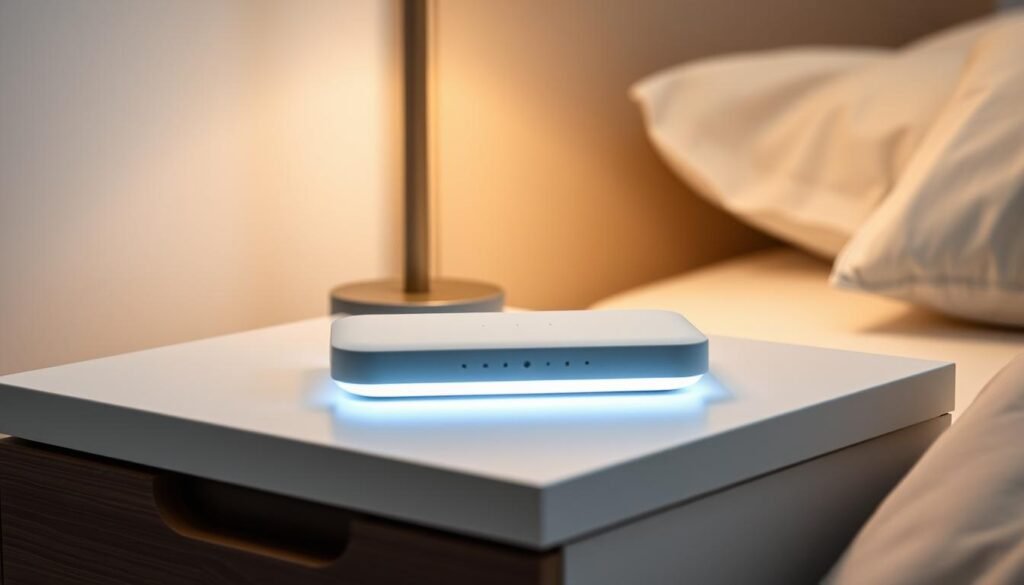
In short, if you want a straightforward, high-quality device to help you fall asleep, Morphée is worth a close look in user reviews.
Kokoon x Philips Sleep Headphones: soundscapes plus smart noise masking
If noise steals your rest, headphones that blend calming soundscapes and smart masking can reclaim quiet nights.
These ultra-thin earbuds deliver a library of meditations, stories, and natural audio tuned to help you wind down. The unit uses smart masking to reduce snoring and city noise, so sudden sounds are less likely to wake you.
For noisy environments: snoring and city noise fade into the background
Comfort is key: soft materials and low-profile earpieces sit well if you sleep on your side. If pressure near the eye or ear bothers you, the light fit eases that issue.
Auto-fade when you doze off and optional sleep tracking in the app
The playback auto-fades when the system detects dozing. An optional app adds basic tracking so you can spot trends without buying a full sleep tracker.
- You’ll mask a snoring partner or city noise with tailored audio.
- Auto-fade keeps the night quiet after you drift off.
- Choose soundscapes, guided sessions, or your own playlist in the app.
- A compact travel case and simple battery routine make it easy to bring on trips.
- Testers praised the blend of comfort, audio quality, and practical features in reviews.
Moonbird Breathing & Meditation Device: guided breathwork you can feel
A pocket-sized breath coach that uses gentle vibration to pace your breathing can calm you faster than a long meditation. You hold the Moonbird and feel it expand and pulse, cuing inhale and exhale without looking at a screen.
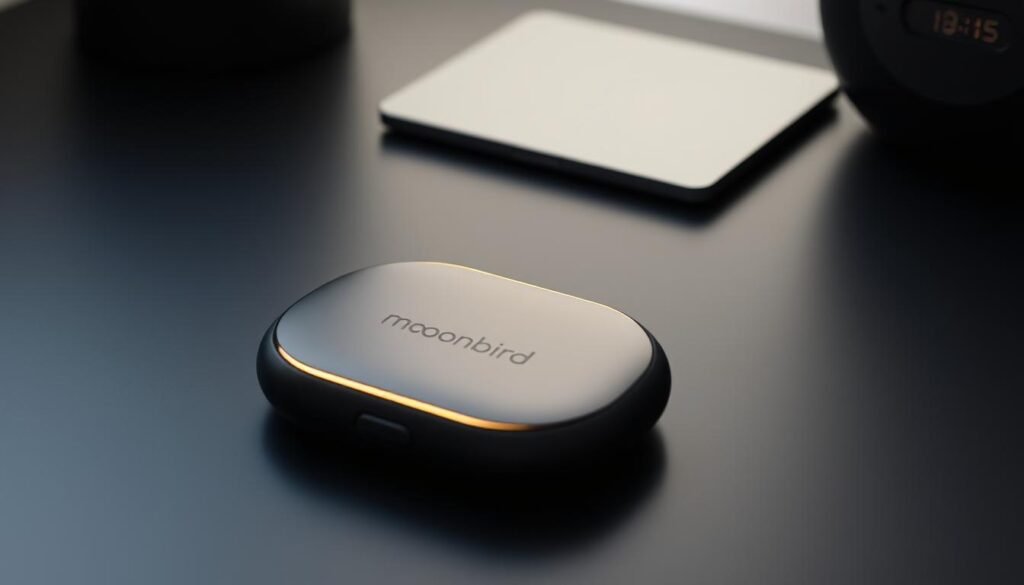
The Moonbird pairs with an app so you can pick rhythms, or you can start it offline by shaking the unit. It tracks heart rhythm, HRV, and coherence and shows results in a color-coded graph. That data helps you see how your body responds to paced breathing over time.
- You hold a small unit that expands in your hand, guiding breath without screens.
- Use a preset in the app or operate offline—either way you slow down and cut stress.
- Track HR, HRV, and coherence to spot which pace works best on any night.
- The six-minute “falling asleep” routine fits into a brief wind-down before bed.
- It’s pocketable with a pouch; testers in one review—even skeptics—reported feeling calmer and ready to rest.
Bottom line: If your mind races, a tactile breathing anchor can be a simple, effective on-ramp to rest. Use it after a tense email or late conversation to reset your nervous system and nudge your body toward quiet.
Eight Sleep Pod 4 Cover: temperature control to keep hot flashes in check
Temperature control at the mattress level can be the single change that calms night sweats and late-night awakenings.
The Pod 4 cover gives dual-zone heating and cooling across a wide range (13C–43C) so you can cool one side while your partner warms the other.
Dual-zone cooling and heating with overnight auto-adjustments
The cover learns your rhythms and room temperature, then auto-adjusts through the night. That reduces wake-ups tied to overheating or chills.
Biometric sensors for sleep data without wearing a device
Undetectable biometric sensors track HR, HRV, respiratory rate, sleep stages, wake incidents, and snoring. The app summarizes stages and key data so you can link temperature tweaks to steadier rest.
Thermal vibration alarm for a gentler wake-up
A gentle thermal vibration alarm nudges you awake without a jolt. Quiet operation and improved comfort make this a strong option if you dislike rings or bands in bed.
- You’ll control your mattress temperature per side to cool night sweats or warm cold feet.
- Setup takes patience, but step-by-step guides and chat support smooth the process.
- Factor in price and a monthly subscription when you budget—this premium cover shows up in many review lists as a top solution for hot sleepers.
Compare your options: features, comfort, and value at a glance
A quick side-by-side look helps you match features to what you actually need during the day and at night.
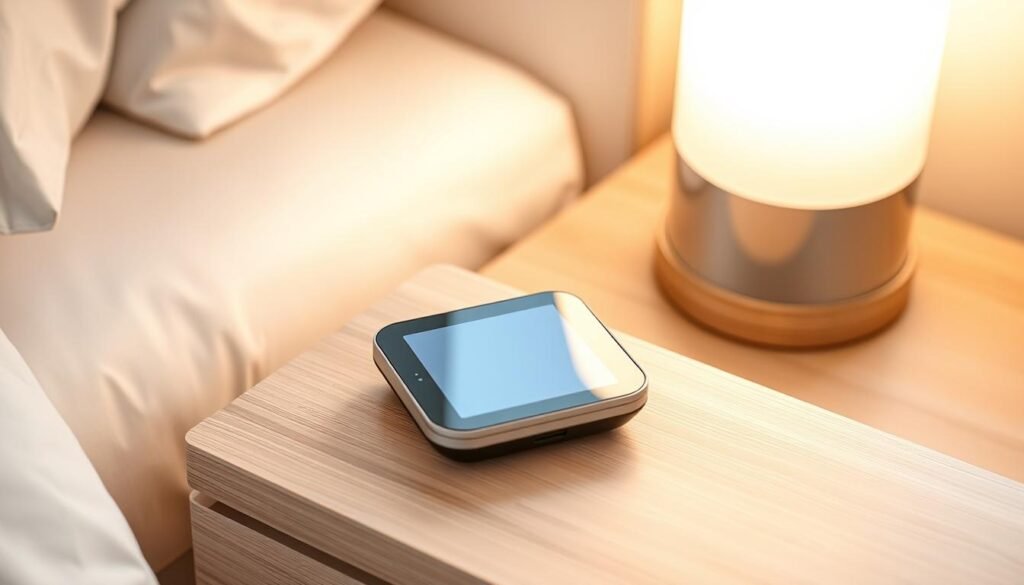
Wearable vs non-wearable: rings, masks, mats, and mattress toppers
Rings and wrist trackers give day-and-night insight if you like continuous data. They tend to need regular charging and a short charging routine.
Under-mattress mats and mattress covers plug in and collect detailed night metrics without contact. Choose these if you dislike wearing a device to bed or share a bed and want independent zones.
Masks and head wearables add audio, EEG, or noise masking. They can help with light sensitivity or noisy homes but may feel intrusive to some.
What “best” means for you: accuracy, battery life, and total cost
- Accuracy: compare reported stages and respiratory metrics; Oura Ring Gen4 and Withings Sleep rate highly in reviews.
- Battery life: rings/bands charge often; mats just work when plugged in.
- Total cost: factor price plus any subscription and warranty; make sure you’re comfortable with ongoing fees.
What your sleep data can and can’t tell you
Numbers from trackers can guide choices, but they don’t replace how you actually feel each morning. Accuracy is improving, yet even experts say consumer devices estimate rather than measure perfectly.
Use trends more than one-night results. A single score won’t define your rest. Look at weeks of data to spot real changes in quality and routine.
Use trends to get better — don’t chase perfect scores
Treat your sleep data as a compass, not a verdict. Let charts nudge you to shift wind-down timing and wake routines, not to chase every higher number.
- A single night’s score isn’t destiny; trends matter more when you want to get better.
- Trackers estimate stages and may miss brief wake-ups—pair numbers with how rested you feel.
- If watching scores raises your stress, pause and focus on one habit like light exposure or consistent bedtimes.
- Use respiration and oxygen level trends as prompts to consult a clinician when patterns persist.
- Keep brief notes alongside app results so you can link life events to changes in data and energy.
Small wins count. Cooler rooms, earlier dinners, and consistent bedtimes often yield the biggest, lasting improvements in quality. Celebrate steadiness and morning energy, not only a higher sleep score.
Set up for success: light, noise, and temperature tips to pair with your device
Your night starts long before lights-out; the right pre-bed setup helps your device do its job and lets your body settle.
Dim lights an hour before bed and use a sunrise alarm or sunset mode to cue winding down. Minimize late-evening bright light so melatonin can rise naturally.
Keep the bedroom cool and consistent. Eight Sleep’s temperature automation shows how bed climate influences comfort and reduces wake-ups.
- Layer in gentle noise—soft soundscapes or a fan—to mask sudden sounds without competing with your device’s cues.
- Charge or position the unit so nightly use is effortless; setup that’s invisible becomes a habit.
- Use your app to set reminders and log simple notes like caffeine timing or workouts.
- If hot flashes are common, add bed-level temperature solutions and breathable bedding.
- Turn notifications off at night and keep a short, consistent pre-sleep sequence—breathwork, lamp dim, audio—so your body recognizes the pattern.
Revisit your setup monthly and tweak one variable at a time to see what truly helps.
tech for better sleep: making sense of apps, trackers, and sunrise alarms
A simple app plus a gentle alarm can make nights more predictable and mornings calmer. Use tools that support a steady routine, not ones that add noise or guilt.
When to add a companion app like Headspace
Use a companion app when stress or middle-of-night awakenings are the main problem. Headspace (iOS/Android) offers meditations, Sleepcasts (~45 minutes), long soundscapes (up to 500 minutes), and a Nighttime SOS to help you fall asleep after a 3 a.m. wake.
Make sure you enable Bedtime or Sleep Focus so notifications don’t undermine your wind-down. Compare subscription and price: Headspace runs about $70/year or $13/month. Try a free trial before you commit.
- When to use an app: stress relief, guided wind-downs, and on-demand SOS sessions.
- Pairing: match a sunrise alarm with a short guided session to anchor both ends of your night.
- Shared rooms: use headphones or a mask-friendly audio setup to avoid disturbing a partner.
Apps can layer with a ring or a mat so physiological data and habit coaching work together. Use tracking lightly — let weekly trends guide you rather than judging one rough night.
Conclusion
, A few well-matched products plus steady habits can shift how you feel every morning. Pick one device that matches comfort and data needs, then build a simple routine around it.
Quick roadmap: the Oura Ring Gen4 gives in-depth tracking with long battery life; the Withings mat delivers a no-wear mattress option and a clear score; Philips SmartSleep eases wake and wind-down with sunrise modes.
Morphée and Moonbird offer screen-free wind-downs when stress is high. Kokoon x Philips masks noise and auto-fades audio. Eight Sleep controls mattress temperature and records biometric levels with an optional subscription.
Focus on trends, not a single score, track just enough to link actions to outcomes, and revisit your setup each season. Start tonight with one small change and notice the difference in your energy over weeks.
FAQ
How accurate are wearable trackers like the Oura Ring Gen4 at measuring sleep stages and blood oxygen?
Many wearables, including the Oura Ring Gen4, use sensors for heart rate, temperature, and blood oxygen to estimate sleep stages. They give good trend data and help you spot changes over weeks, but they aren’t as accurate as a clinical polysomnography test. Use the ring to track consistent habits and trends rather than seeking clinical diagnoses.
Should you choose a wearable ring, mattress sensor, or bedside device?
Pick what you’ll actually use. A ring or headphones deliver continuous biometric detail like HRV and sleep score. Under-mattress sensors and mattress covers offer hands-off monitoring and comfort for those who dislike wearables. Consider battery life, comfort, and whether you want app-based coaching or just passive tracking.
How does bed temperature control, like the Eight Sleep Pod 4 Cover, affect night-time disturbances?
Active cooling and warming stabilizes your core temperature, which helps reduce awakenings from hot flashes or chills. Dual-zone temperature control also lets partners set different temps. The result is fewer night sweeps and often improved sleep efficiency when paired with good sleep habits.
Do sunrise alarms like the Philips SmartSleep Wake‑up Light actually help you wake more naturally?
Yes. A sunrise alarm simulates gradual morning light and can align your circadian rhythm, making waking feel gentler. Many models also include sunset or wind‑down modes and soothing sounds to help you fall asleep and reduce mid‑night disruptions.
Will using sleep headphones or masks interfere with sleep tracking?
Most sleep headphones and soft masks won’t interfere with non-wearable mattress sensors or ring-based trackers. If you use a wrist or ring tracker, choose comfortable, low-profile headphones so your sleep posture and movement aren’t affected. Some headphones include built-in noise masking and optional app tracking features.
How important is battery life when choosing a tracker or ring?
Battery life matters a lot. A device that needs daily charging can disrupt your routine and cause gaps in data. Aim for multi-day battery life for rings or smart devices that let you charge every few days. Consider charging habits that fit your routine—overnight charging often defeats the purpose of night monitoring.
What does a sleep score mean, and should you chase a higher number?
A sleep score combines metrics like total sleep, sleep stages, heart rate, and interruptions into one number. Use it as a guide to see trends. Don’t chase a perfect score; focus on changes that match how you feel and sustainable behavior tweaks that improve restoration over weeks.
Can sleep devices detect snoring or sleep apnea accurately?
Some devices, like the Withings Sleep Analyzer, can detect snore patterns and flag potential sleep apnea events, but they’re screening tools, not diagnostic machines. If a device suggests apnea, follow up with your healthcare provider for clinical testing.
Do devices that track body temperature and HRV help with hot flashes and stress in midlife?
Yes. Temperature sensors and HRV tracking let you see patterns tied to hot flashes and stress. That data can guide behavioral changes, cooling strategies, or discussions with your clinician about treatment options. Use trends to spot triggers and times of night when intervention helps most.
How do subscription services affect the total cost of a sleep device?
Many devices include basic tracking but lock advanced features, guided programs, or long-term trend analysis behind subscriptions. Factor monthly or annual fees into your budget when comparing value. Sometimes the hardware is inexpensive but the full coaching experience adds up.
Are screen-free aids like Morphée or Moonbird worth trying if you struggle to fall asleep?
Absolutely. Screen-free devices that use guided meditations, breathing pacing, or vibration-led sessions reduce blue light exposure and offer reliable routines to help you drop into sleep. They pair well with tracking devices to measure whether the practice actually improves your rest.
Can mattress-based sensors provide as much insight as wearables for tracking sleep stages?
Mattress sensors excel at noninvasive data like movement, respiration, and sleep continuity. They may estimate sleep stages but often lack the detailed heart-rate variability and blood oxygen data that wearables provide. Choose based on whether you prefer comfort and simplicity or in-depth biometric detail.
How should you use sleep data without becoming anxious about nightly numbers?
Focus on weekly trends instead of nightly fluctuations. Use scores and graphs to spot patterns—like late caffeine, room temperature, or stress—that you can change. If numbers increase anxiety, limit how often you check the app and use device features that nudge behavior without obsession.
Which sensors matter most when evaluating accuracy: heart rate, breathing, or blood oxygen?
Heart rate and breathing give the clearest picture of sleep continuity and stages. Blood oxygen adds value for detecting desaturation events tied to apnea or breathing issues. HRV adds insight into recovery and stress. The right combo depends on your concerns—choose devices that prioritize the sensors you need.
How do you decide what “best” means for you when comparing rings, mats, and covers?
Consider comfort, the type of data you want, battery life, and total cost (including subscriptions). If you want passive, no-wear monitoring, pick a mattress sensor or cover. If you want in-depth biometrics and portability, a ring or wearable is better. Match features to your daily routine and tolerance for charging.