

Can one smart tweak make you feel five years younger and twice as confident? That question steers this guide. You’ll reframe dressing as a confidence-first tool, not a list of rules.
You’ll learn quick ways to read your body shape and choose pieces that flatter what you have now. Simple ideas on proportion and the Golden Ratio show why one hem or neckline change can balance a look.
Expect practical, friendly advice that helps you dress well while staying true to your style. We cover five main types—hourglass, pear, inverted triangle, oval, and rectangle—so you can spot what aids your shoulders, waist, and hips.
By the end, you’ll have clear guidelines and small tweaks that make outfits feel polished. These tips focus on skimming fabrics, light tailoring, and smart proportion so getting dressed becomes fast and joyful today.
Start with confidence: wear what you love and use guidance, not rules
Put what you love on first — then let shape-based tips refine the fit and balance.
Style guidance should simplify choices, not silence your taste. Give yourself permission to pick pieces that spark joy, then apply gentle rules to tweak proportion and fit.
Think about how an outfit makes you feel in the moment. The right thing is what supports your confidence and suits your life at this time.
Use guidelines as flexible tools to help get clarity when you’re stuck. They should push curiosity, not create limits.
- Remember every body different; you might borrow tips across types and still look amazing.
- Prioritize comfort so clothes move with you from morning to night.
- Reframe “flattering” as harmony between you and your clothes, not hiding.
Celebrate progress over perfection. Treat your closet as a living system that grows with you and helps get easier choices each day.
Measure your shape today to get the right fit
Grab a soft tape and a mirror — accurate measures change how clothes actually fit.
How to use a tape measure for shoulders, bust, waist, and hips
Use a soft tape measure snugly but not tight. Keep it parallel to the floor at the bust and hips so numbers stay consistent.
Measure shoulders by wrapping the tape just under the shoulder edges (where an off-the-shoulder top sits).
Measure the bust over the fullest part without compressing. Measure the waist at the narrowest point, often just above the belly button.
Measure hips around the fullest part, just above the hip bone. Write each measurement down twice and average if they differ.
Plug your bust, waist, hips, and shoulders into a calculator to help find a starting body type. Many calculators suggest hourglass, pear, inverted triangle, rectangle, or apple.
“Small changes in measurements can shift results; being between two types is normal.”
- Treat borderline results as permission to mix tips from adjacent types.
- Use your numbers to compare garment size charts and prioritize the area that needs the most room.
- Recheck measurements seasonally or after training or life changes so your fit stays reliable.
Quick tip: Keep measurements current so shopping and tailoring actually help you achieve a better fit.
Use vertical proportion to flatter your frame
Vertical proportion helps you shape a clean line that the eye reads as taller and more balanced. The eye prefers ratios like 1:2 and 2:3. On an outfit, that means one piece is slightly longer than the other.
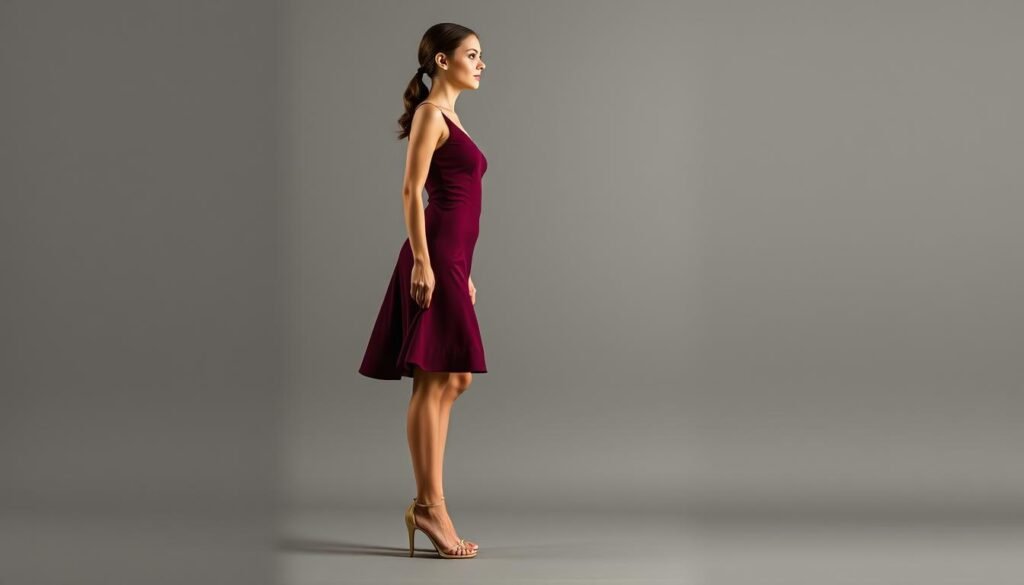
- Break looks into top and bottom blocks: a cropped sweater plus high-rise pants creates a 1:2 feel. A long cardigan over a knee-length dress makes a 2:3 block that lengthens the line.
- Use tuck strategies—full tuck, front tuck, or no tuck—to move the visual midpoint until the proportion flatters your height and hips.
- Choose shoes that extend the leg line, like nude pumps with skirts or boots matched to pant color, to strengthen the ratio effect.
- Experiment with jacket lengths and belts to shift emphasis on shoulders, waist, or hips and create a shape like a higher waist for longer legs.
“When top and bottom split the frame evenly it can read boxy; tweak one length to restore 1:2 harmony.”
Remember: vertical proportion complements horizontal balance and helps any body type look intentional and polished.
The practical guide to body shapes over 35
Identify the dominant proportions in your frame and use simple swaps to balance them. Use the quick cues—shoulders, bust, waist, hips—to pick one small change that improves the whole look.
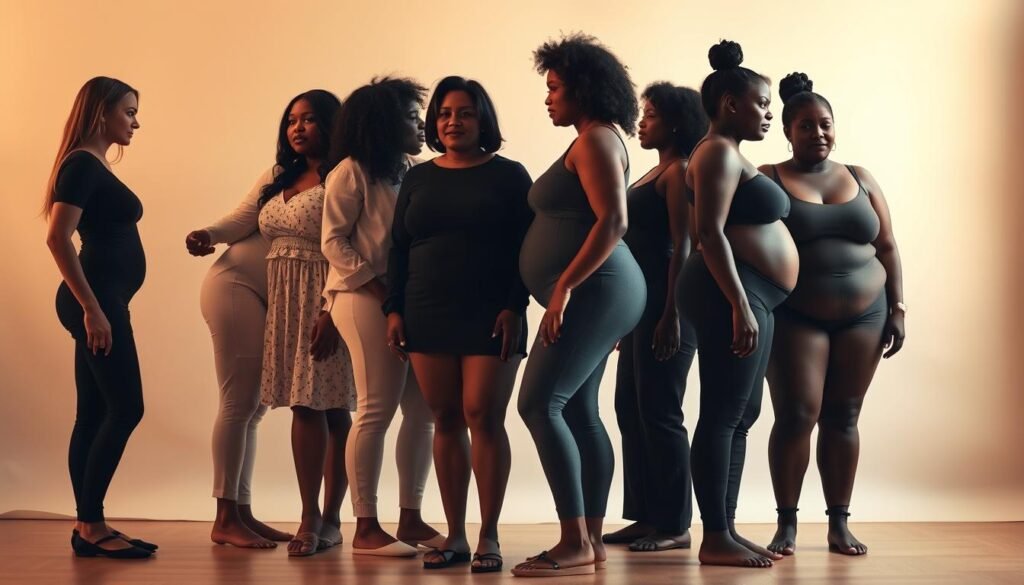
Hourglass
Defined waist and balanced shoulders and hips benefit from wrap dresses, belted sheaths, and scoop or V necklines. Choose fabrics that skim rather than cling to keep proportions elegant.
Pear (Triangle)
Fuller hips call for moving the eye up. Add shoulder detail, prints, or volume on top and wear fit-and-flare skirts or A-line trousers that float over the hip and thigh.
Inverted triangle
Broader shoulders suit simplified tops and visual weight on the lower half. Use lighter colors, pleats, or prints below the waist to create balance and soften the upper frame.
Apple (Oval)
Lengthen the torso with vertical lines, open necklines, and flowing layers. Tapered hems that hit just under the knee make dresses read sleek and streamlined.
Rectangle (Straight)
Create curves with A-lines, soft peplum, or subtle cinching at the true or high waist. Texture and structured jackets add shape so a defined waist reads naturally.
“Tiny adjustments to neckline, hem, or sleeve can shift where the eye lands and boost confidence every day.”
- Tailor hemlines to the slimmest part of the leg.
- Adjust sleeve lengths to bring attention to the face.
- Use color-blocking and print placement to sculpt the silhouette.
Fit first: tailoring tips and style tweaks that make clothes look custom
Simple alterations often deliver the biggest lift to how clothes sit and move on you.
Prioritize the shoulders. Jackets and many dresses must fit at the shoulder seam. That area is hardest to alter, so buy pieces that match it and tailor the rest. A correct shoulder line sets a confident foundation.

Choose fabrics with drape that skim curves rather than cling. Ask a tailor to adjust side seams, add darts, or ease a bust area so garments hang smoothly. Small changes at the waist can define your line without adding bulk.
- Taper pant hems to match the shoes you wear most; consistent break points keep proportions intentional.
- Shorten sleeves to bracelet or three-quarter length to show the wrist and avoid bulk under layers.
- Try a tapered hem just under the knee to streamline a dress body when the design allows.
Use invisible helpers—well-fitting lingerie or light shapewear—to improve drape without altering weight. Keep a short list of reliable local tailors and expected prices so tailoring becomes a regular, budgeted step to dress well.
“Small tweaks are the thing that turns mid-priced items into pieces that look tailored.”
Dressing for your body over 35 in real life
Real-life style adapts as life changes; small tweaks let your wardrobe keep up with new proportions.
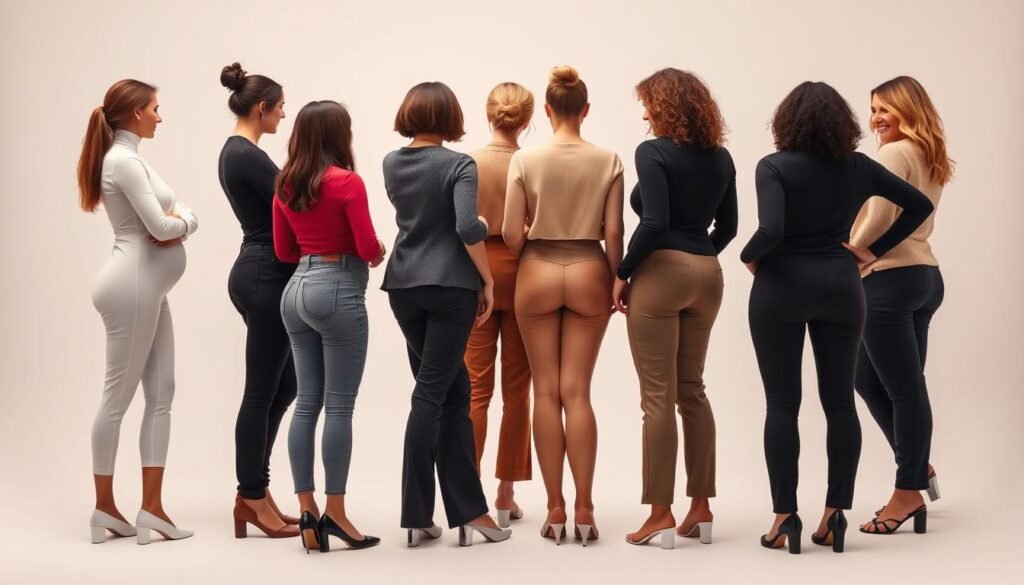
Many women notice weight shifting toward the midsection during perimenopause and later. That change can move a frame toward apple or oval tendencies. It also means vertical proportion—torso versus legs—matters more when you choose a dress or trousers.
Adjust for life changes
- Expect some weight fluctuation and reassess measurements a few times a year so fit and tailoring stay current.
- Revisit necklines, rises, and waistband placement to create a defined waist effect when the natural waist softens.
- Rotate fabrics to breathable, temperature‑regulating options during hot spells while keeping structure at key points.
- Mix tips across body types—use apple strategies at the midsection, plus hourglass or rectangle tactics where they still work.
- Plan outfits by activity: pick stretch‑woven pants or a tailored dress that moves with you and recovers shape.
“Give yourself grace—every body adapts, and style can evolve while still feeling like you.”
Conclusion
Quick plan that sticks: know current measurements, find the closest body shape, then tweak pieces until they feel like you.
You’ll pair vertical proportion (think 1:2 or 2:3) with simple horizontal balance to make outfits read intentional. Choose skimming fits and use light tailoring to lift a look.
Treat categories as flexible. Many people mix tips across body types because every body different and combinations change with weight and life stages.
Keep this framework as friendly guidelines, not rules. Trust your mirror and comfort—they are the final word in good style and confident dressing.
FAQ
How do I start building a confident wardrobe after 35?
Start by choosing pieces you love and that fit well. Use style guidance as a helpful tool, not strict rules. Focus on fit, fabric, and colors that make you feel poised. Prioritize items that move with you and reflect your lifestyle — tailored blazers, well-cut trousers, and a few favorite tops go a long way.
How do I measure shoulders, bust, waist, and hips with a tape measure?
Use a soft tape measure and stand relaxed. Measure shoulders across the back from bone to bone. For bust, wrap the tape at the fullest part, keeping it level. Measure waist at the narrowest point or at your natural waistline. For hips, measure around the fullest part of your hips and buttocks. Record numbers while breathing normally to get accurate results.
What if my measurements fall between two body shape categories?
Many women are a mix of shapes. Use a body shape calculator as a starting point, then test silhouettes in real life. Try styles that emphasize your favorite features — create balance with proportions, and adapt tips from the nearest shape categories until you find what flatters you most.
How can I use vertical proportion to make outfits more flattering?
Build outfits in clear vertical blocks to lengthen the eye. Use long jackets, high-waist trousers, or vertical stripes to create uninterrupted lines. Balance top and bottom with one piece slightly longer or a different texture to guide the eye up or down, depending on where you want focus.
What is the Golden Ratio for outfit blocks and how do I apply it?
The Golden Ratio idea here is to compose outfits in pleasing proportions like 1:2 or 2:3 — for example, a cropped jacket (1) with high-rise trousers (2), or a long tunic (2) over slim jeans (3). These simple proportions help create balanced, elegant looks that flatter most frames.
What necklines and styles work best for an hourglass shape?
If you have a defined waist with balanced shoulders and hips, choose styles that celebrate your waist. Wrap tops, scoop necklines, and fitted dresses highlight your proportions. Avoid overly boxy pieces that hide your natural curve.
How should I dress if I’m a pear (triangle) shape?
For fuller hips, bring attention to the upper body. Try tops with structure, shoulder detail, or brighter colors. Fit-and-flare dresses and A-line skirts skim the hips and balance proportions. Keep bottom pieces in darker or single tones for a slimming effect.
What tips suit an inverted triangle shape with broad shoulders?
Soften the top and add volume below. Choose V-necks or open necklines and avoid heavy shoulder pads. Use wider-leg pants, flared skirts, or prints on the bottom to visually balance your frame. Darker, simple tops paired with lighter, patterned bottoms work well.
How do I flatter an apple (oval) shape and lengthen the torso?
Create vertical lines and open necklines to elongate. V-necks, long cardigans, and single-breasted jackets help. Choose tapered hems and high-rise bottoms to define the waist area without clinging. Lightweight layers that move away from the midsection can add balance.
How can I add curves if I have a rectangle (straight) shape?
Build the illusion of curves with A-line skirts, peplum tops, and strategic cinching at the waist. Use textures, belts, and layered shapes to create depth. Tailoring that nips in at the waist gives a more defined silhouette.
What tailoring tips make off-the-rack clothes look custom?
Prioritize fit at key points: shoulders, waist, and hem. Let a tailor shorten sleeves, take in seams, or adjust hems for your proportions. Choose fabrics that skim instead of clinging, and favor simple alterations that preserve the garment’s intended shape.
How should I adjust my wardrobe during weight shifts or perimenopause?
Opt for flexible fabrics and adjustable details like elastic waistbands, wrap styles, and layering pieces. Keep staples that fit current measurements and phase in shapes that accommodate changing proportions. Small tailoring tweaks and smarter fabric choices help you stay comfortable and stylish.
What practical tips help with everyday dressing as proportions change?
Keep a streamlined capsule of versatile pieces that mix and match easily. Use vertical lines, proper proportions, and one tailored piece per outfit to elevate looks. Regularly update measurements and let a trusted tailor alter key items so your wardrobe always feels intentional and flattering.


