
Could a smart, simple nutrient routine really slow parts of the aging process you notice every morning?
You’ll get a clear roadmap to the most useful options and learn how they fit into real life. This guide blends current research with practical clinician advice so you set realistic goals.
Know this up front: under DSHEA, vitamins and herbs are classed as dietary items, not drugs. Experts like Mayo Clinic’s Dr. Brent Bauer stress that supplements must complement—not replace—sleep, diet, exercise, and stress care.
You’ll see how aging shows up across skin, bones, heart, and brain, which nutrients have meaningful effects, and when to test or consult your clinician. For a deeper dive on nutrition strategies for women over 35, check this nutrition blueprint.
How to Use This Buyer’s Guide (and What You’ll Take Away Today)
Start here: decide what you want to change, then test one targeted nutrient to see real results. Set a specific goal—smoother skin, steadier energy, or better sleep—and pick one supplement that addresses that aim.
“Set goals, timelines, and criteria for success before starting a supplement; reassess in 2–3 months with single-variable testing to see if it’s working.”
Practical steps to follow:
- Define one clear goal and a baseline (photos, energy score, sleep rating).
- Give the product a fair trial—typically 8–12 weeks—and track simple metrics.
- Read labels closely; DSHEA rules mean structure/function claims, not disease treatment.
Use evidence and current research to learn each nutrient’s role in the aging process. When you take a vitamin or other item, check interactions with meds and consult your clinician if you have chronic conditions.
Expect steady, incremental gains over years rather than instant fixes. Reassess annually and keep what works.
What Drives Aging in Your Body: Oxidative stress, inflammation, and cellular aging
A few core processes drive most signs of aging—knowing them gives you practical targets.
Free radicals, antioxidant defenses, and telomere dynamics
Oxidative stress happens when free radicals outnumber your antioxidant defenses. That imbalance creates radical damage to DNA, proteins, and membranes in your cells.
Telomeres—protective caps on chromosomes—shorten each time a cell divides. Shorter telomeres link to higher risk of age-related disease, and higher vitamin C intake has been associated with longer telomeres in large studies.
Inflammaging and its downstream effects on heart, brain, and skin
Chronic, low-grade inflammation—called inflammaging—speeds cellular aging across systems. It shows up as dull skin, tighter arteries, and subtle memory changes over time.
- How it builds: stress hormones and cytokines like IL-6 keep inflammation active.
- Research note: omega-3s have lowered cortisol and IL-6 and slowed biological aging in multi-year trials.
- Takeaway: lower oxidative stress, calm inflammation, and support telomere health to reduce wear-and-tear on your body.
First Things First: Build your healthy aging foundation before supplements
A strong daily routine lays the groundwork so a single nutrient can actually move the needle.
Focus on the seven pillars Dr. Brent Bauer highlights: good diet, regular exercise, mind–body practice, social connection, sleep, spirituality, and time in nature. These domains lower long-term risk for Alzheimer’s, cancer, stroke, and Parkinson’s by supporting overall body function and resilience.
Practical, simple steps you can start this week
Start with your plate: prioritize colorful whole foods. Whole foods deliver vitamins, fiber, and phytonutrients that most products can’t fully replace.
Move daily with a mix of strength, cardio, and mobility to keep muscle and joint function strong and energy steady.
- Guard 7–9 hours of sleep to support skin repair and hormone balance.
- Use stress tools you’ll actually do—breathwork, yoga, or short meditations—to lower inflammation and improve recovery.
- Protect social time and get outside often to boost mood and circadian health.
“Use supplements to fill gaps, not replace habits; start small and stack wins over years.”
If you want a deeper look at movement and foundational fitness, check this guide: foundations of physical fitness.
Supplement Safety 101 in the U.S.: DSHEA, labels, and realistic expectations
Safety and realistic expectations matter more than glossy labels or bold claims. In the U.S., the DSHEA (1994) defines dietary supplements as a separate category from drugs. That means products can be sold without pre-market proof of safety or efficacy.
What “dietary supplement” actually means
A dietary supplement is not a drug and cannot legally claim to prevent or treat disease. The FDA does not approve these products for use against the aging process or specific diseases.
Set goals, timelines, and measures that matter
Have a plan. Define one goal, pick one supplement, and test it for 2–3 months using simple metrics—photos, energy scores, or a joint pain scale. Dr. Brent Bauer recommends single-variable testing and checking labs when relevant.
- Read labels: look for structure/function language that matches your aim.
- Manage risk: talk to your clinician if you take prescriptions—blood thinners and common meds can interact.
- For older adults: coordinate with your care team to avoid duplicates and harmful combos.
- Food first: prioritize nutrients from diet; use supplements only when diet or blood work shows a gap.
The best anti-aging supplements: evidence-backed picks you can consider
Here are targeted nutrient choices you can consider to support skin, heart, brain, and cellular health.
Vitamin C and Vitamin E
Vitamin C is a powerful antioxidant; higher dietary intake linked to longer telomeres in a 2023 study of >7,000 people. Vitamin E appears in trials that improved facial appearance when paired with other agents.
Collagen + Vitamin C
A 16-week RCT using 5 g hydrolyzed collagen plus 80 mg vitamin C improved skin thickness, texture, and wrinkle severity in women 40–65. Consider this combo for skin structure support.
Omega-3 fatty acids
EPA/DHA from fish or algae lower cortisol and IL-6 in trials and showed small slowing of biological aging over three years. These fatty acids support heart and brain effects tied to healthy aging.
Curcumin, Resveratrol, CoQ10, Vitamin D, and Probiotics
- Curcumin (from turmeric) modulates sirtuins/AMPK and reduces inflammation, but choose enhanced-bioavailability forms.
- Resveratrol is a plant polyphenol with research suggesting reduced oxidative stress and improved cellular function.
- CoQ10 supports mitochondrial energy and antioxidant protection; many report better exercise tolerance over time.
- Vitamin D needs testing-based dosing for bone, muscle, and immune roles; low levels relate to falls and cognition.
- Probiotics can improve nutrient absorption and skin hydration via gut barrier effects; “gerobiotics” are an emerging area.
Choose products with transparent dosing and third-party testing; coordinate higher-dose fish oil or prescription options with your clinician, especially for older adults.
Smart Dosing & Stacking: How to start, cycle, and combine supplements responsibly
Treat dosing and stacking like a lab experiment: small changes, clear measures, and honest follow-up. This keeps your routine focused and reduces needless expense or risk.
Start low, go slow: trial windows and single-variable testing
Begin with one supplement at a time at the lowest effective dose. Run each trial for 8–12 weeks so you get a meaningful window to see effects on sleep, skin, pain, or energy.
- Capture baselines: take photos, rate sleep, record pain or recovery scores before you begin.
- Check labs when needed: measure vitamin D or relevant blood levels and monitor liver enzymes for some botanicals.
- Keep your stack lean: every item should have a clear role for function or comfort; pause non-essentials often to confirm ongoing benefit.
- Mind timing and food: fat-soluble vitamins absorb with meals; time adaptogens with stress cycles and training blocks.
- Avoid overlapping high doses: don’t stack multiple products that target the same pathway at once to reduce side effects and interactions.
“Set a 2–3 month trial, track pre- and post-ratings, and order labs when relevant to be safe and certain.”
Adjust as life changes: new meds, travel, training, or stress may change your needs. Revisit your plan yearly to keep it aligned with your goals for aging and longevity.
Interactions & Risks You Should Know About
Some natural products affect how your body handles drugs or blood clotting—be cautious. You may be taking multiple prescriptions, and adding herbs or concentrated extracts can change outcomes for surgery, transplants, or daily meds.
Blood thinners and “the Gs” plus turmeric/curcumin
If you take blood thinners, be careful with garlic, ginkgo, ginseng, and turmeric/curcumin. These agents can increase bleeding risk, especially around procedures or after falls.
If you use fish oil or higher-dose omega-3s, review dosing with your clinician, particularly before surgery or if you bruise easily.
St. John’s wort, prescription meds, and why “natural” isn’t always safe
St. John’s wort accelerates drug metabolism in some cases. Documented examples include reduced effectiveness of oral contraceptives and transplant anti-rejection drugs.
Polypharmacy is common in older adults; multiple specialists can lead to overlapping prescriptions. That raises interaction risk when you add new products without coordination.
- Check first: always confirm interactions before starting any new product.
- Coordinate care: tell cardiology, primary care, and any specialists what you’re taking.
- Stop and report: if you notice dizziness, rash, or GI upset after a new item, stop it and call your clinician.
- Keep a list: maintain an up-to-date phone list of all meds and products so providers can screen for interactions fast.
“Treat herbs and concentrated extracts like drugs—potent and worth discussing with your care team.”
Quality Matters: How to choose trustworthy brands and read supplement labels
When shopping for a vitamin or plant extract, look past marketing and focus on verification, dose, and form. A few clear checks save you time and reduce risk as you build a routine for aging care.
Third-party testing and standardized extracts
Choose brands that publish third-party testing (USP, NSF, or similar). This verifies potency and purity so label claims match what you take. For plant polyphenols like resveratrol, standardized extracts help ensure consistent amounts per dose.
Bioavailability, dosing, and simple labels
Curcumin’s bioavailability is a known challenge. Look for phospholipid complexes or piperine-enhanced forms that improve absorption without raising side effects.
- Favor transparent labels with exact per-serving amounts, not “proprietary blends.”
- Match form to use—powders for collagen, softgels for oils, capsules for botanicals.
- Check allergens, fillers, and sourcing; simple formulas are easier to tolerate and track.
Quality is an ongoing process. Reassess a product if the label, levels, or suppliers change. Clear evidence and open sourcing make it far easier for you to pick items that actually support healthy aging.
Track Your Results Like a Pro
Turn subjective impressions into measurable progress with simple, repeatable checks. Start by defining what “better” means for you—less fatigue, smoother skin under consistent light, deeper sleep, or easier joints on walks.
Baseline then schedule check-ins. Take photos, record ratings, or use wearable data. Dr. Brent Bauer recommends rating symptoms before starting and retesting after 2–3 months. Use labs when relevant, for example vitamin D levels or safety screens for specific botanicals.
Focus on trends over days. Check in at 4, 8, and 12 weeks so you spot direction instead of chasing noise.
- Note side effects early and match them to timing and dose.
- Compare one change at a time; don’t add multiple items at once.
- If a product doesn’t move the needle after a fair trial, stop it and rebuild your plan every 6–12 months.
“Use simple measures and labs where needed to confirm levels and safety.”
Nutrition First: Foods that support healthy aging (and make your supplements work harder)
A vibrant plate is your first line of defense against everyday molecular wear and tear.
Prioritize a diet that feeds cells, calms inflammation, and keeps energy steady. Whole foods deliver antioxidants, healthy fats, fiber, and the vitamins your body uses best.
Think heart and skin together: fatty fish, nuts, and seeds supply omega-3s and vitamin E that protect membranes and support vascular function.
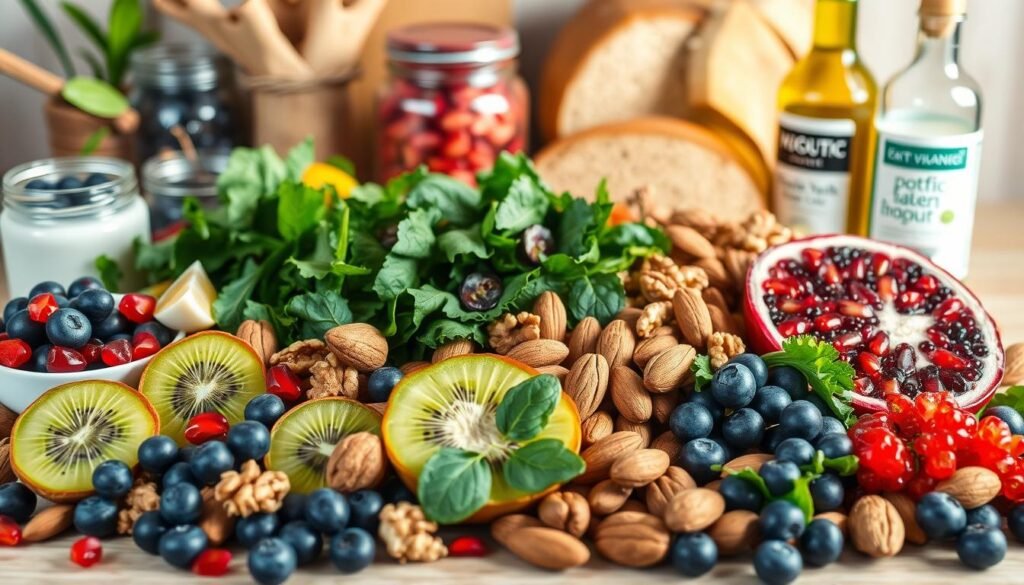
- Build meals around colorful produce, lean protein, and healthy fats to buffer free radical damage.
- Include salmon, sardines, or plant sources (flax, chia) weekly for omega-3s that help heart and skin.
- Make berries and leafy greens regulars for vitamin C, carotenoids, and polyphenols that fight free radicals.
- Rotate nuts and seeds—walnuts, almonds, hemp—for vitamin E, minerals, and cell membrane support.
- Add high‑cacao dark chocolate (≥70%) and whole grains for flavonoids, fiber, and steady energy.
Let food do the heavy lifting. Use targeted supplements sparingly to fill gaps after you test levels or discuss with your clinician.
“When diet leads, targeted nutrients work better and risks fall.”
Special Considerations for Women Over 35 in the United States
As you move through your late 30s and 40s, your nutrient needs shift alongside hormones and lifestyle. Small tests and targeted choices help you protect skin, bone, heart, and brain without guesswork.
Life stage factors: hormones, skin, bones, heart, and cognitive function
Hormones change how your body uses a vitamin and other nutrients. That affects bone density, skin collagen, and energy.
For skin support, collagen + vitamin C showed measurable improvements in women 40–65 after 16 weeks. For bones, pair dietary calcium with vitamin D guided by testing rather than guessing.
Keep lifestyle tools—sleep, movement, and stress management—front and center. They amplify the effects of any product on cognitive function and physical health.
When prescription omega-3 or high-dose vitamin D may be appropriate
Talk to your clinician about testing and personalization. Vitamin D testing helps tailor dosing: low levels may link to falls and cognitive outcomes in some older adults, while very high doses raise kidney stone risk.
If your triglycerides or cardiovascular profile suggest it, prescription-strength omega-3 fatty options provide higher EPA/DHA under supervision. Fish oil evidence has evolved; medical guidance makes the difference.
- Practical checks: discuss vitamin D levels and a plan to maintain them.
- When to consider prescription omega-3 fatty products: elevated triglycerides or specific heart disease risk.
- Mind cognitive function: prioritize sleep, movement, and nutrient sufficiency as part of a broader plan.
- Simplify your routine: a few well-chosen items, monitored by labs and goals, beat complexity.
“Personalize dose and timing as life and medications change; safety checks matter as you age.”
Conclusion
Close the loop: pair clear lifestyle foundations with one or two targeted choices so you track real effects over time.
Use evidence and quality checks. Choose products with transparent labels and proven bioavailability for vitamin and botanical options like curcumin or resveratrol. Keep trials short and measured.
Remember the DSHEA context: dietary supplements support function, not cure disease. Coordinate with your clinician if you are an older adult or take medications that affect blood or clotting.
Expect slow, compounding gains. When you keep the plan lean, lifestyle-led, and evidence-aware, you build resilience, better cognitive function, and long-term longevity on your terms.
FAQ
What drives aging in my body and how do free radicals fit in?
Aging is driven by oxidative stress, chronic low-grade inflammation, and accumulated cellular damage. Free radicals are unstable molecules that cause oxidative damage to DNA, proteins, and lipids. Your body uses antioxidant defenses—enzymes and nutrients like vitamins C and E—to neutralize them. Over time, telomeres shorten and mitochondrial function declines, which together speed cellular aging and raise risk for heart, brain, and skin changes.
Should I start supplements right away or focus on lifestyle first?
Begin with a healthy foundation: balanced nutrition, regular exercise, quality sleep, stress management, and social connection. These actions have the strongest evidence for slowing biological aging and improve how supplements work for you. Use supplements to fill gaps or target specific concerns after you’ve optimized those basics.
Are dietary supplements regulated the same way as drugs in the U.S.?
No. Under DSHEA, dietary supplements are not approved by the FDA to prevent or treat disease. Labels can’t claim cures, and manufacturers must ensure safety and truthful labeling. Look for third-party testing and standardized extracts to improve quality assurance.
Which nutrients have the most evidence for supporting healthy aging in women over 35?
Nutrients with supportive research include vitamin C and vitamin E for antioxidant support, collagen combined with vitamin C for skin health, omega-3 fatty acids for heart and cognitive benefits, curcumin (from turmeric) for inflammation control, resveratrol for cellular signaling, CoQ10 for energy and antioxidant protection, vitamin D for bone and immune health, and targeted probiotics for gut and skin ties.
How should I approach dosing and combining these nutrients?
Use a “start low, go slow” approach: introduce one product at a time and give it a defined trial window (often 8–12 weeks) to evaluate effects. Avoid high-dose stacks without professional advice. Some ingredients work well together—collagen with vitamin C, omega-3s with vitamin D—but check interactions and cumulative intakes, especially for fat-soluble vitamins and blood-thinning agents.
What interactions or risks should I be aware of?
Common issues include increased bleeding risk when omega-3s, garlic, ginkgo, ginseng, or turmeric are combined with blood thinners. St. John’s wort can reduce levels of many prescription drugs. High doses of some vitamins can cause side effects or interfere with lab tests. Always tell your clinician about all supplements you take.
How do I choose trustworthy brands and read labels?
Favor brands that use third-party testing (USP, NSF, or ConsumerLab), list standardized extract content, and provide clear dosing and ingredient forms. Check expiration dates, verify filler and allergen information, and choose bioavailable forms (for example, methylated B vitamins if you have MTHFR variations).
How will I know if a supplement is working for me?
Set measurable goals before you start—skin hydration, energy, mood, joint comfort, or blood markers like vitamin D. Track baseline metrics, then reassess at planned intervals. If you don’t see improvement in the trial window or you get side effects, stop or consult your clinician for adjustments.
Can diet make supplements more effective?
Yes. Whole foods supply cofactors and compounds that enhance nutrient absorption and effects. Eat fatty fish, nuts, colorful fruits and vegetables, leafy greens, and fermented foods to support omega-3 status, antioxidant protection, collagen synthesis, and gut health—so supplements complement, not replace, food.
Are there special considerations for women over 35 regarding hormones, bone health, and cognition?
Yes. Midlife women may face hormonal shifts that affect skin, bone density, and mood. Vitamin D and calcium support bones, omega-3s support cognition and mood, and targeted medical therapies may be needed for hormonal symptoms. Screenings and conversations with your clinician help tailor supplement choices like prescription omega-3 or higher-dose vitamin D when appropriate.
How do probiotics fit into a healthy-aging plan?
Probiotics can support gut barrier function, nutrient absorption, and skin hydration. Choose strains with evidence for your target outcome (for example, specific Lactobacillus or Bifidobacterium strains) and pick products with adequate CFUs and cold-chain or stability data for shelf life.
Is resveratrol or curcumin worth trying for longevity?
Both have promising mechanisms—resveratrol influences cellular signaling and curcumin reduces inflammation and oxidative stress. Human data on lifespan effects are limited, but you may see benefits for inflammation markers, metabolic health, or skin. Choose formulations with improved bioavailability and discuss with your clinician if you take medications.


