
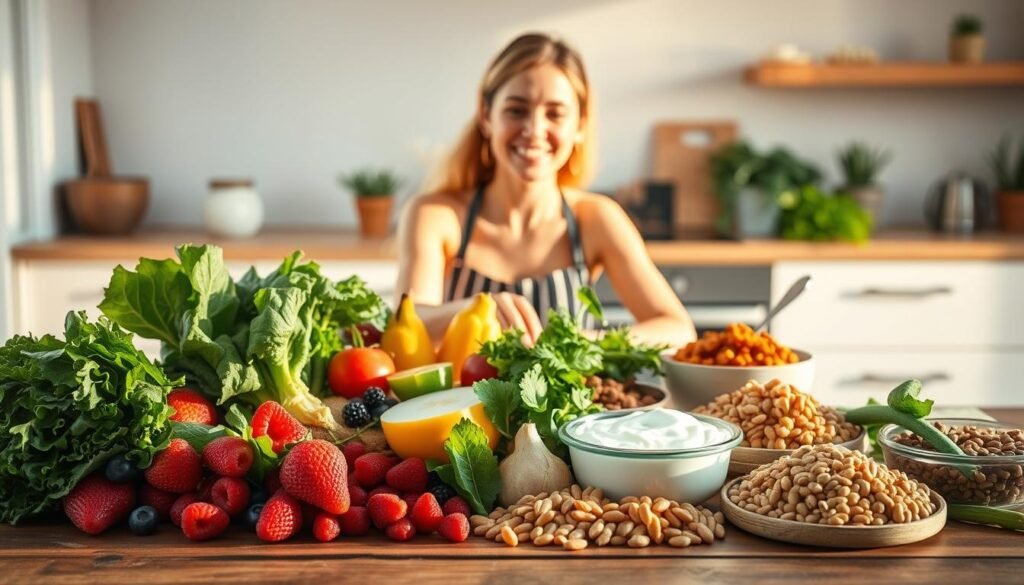
Wondering if a few simple meals can really change your digestion and energy?
This guide gives you a practical, time-smart way to add fiber, probiotics, and polyphenols into your week without extra stress.
You’ll find quick ideas like overnight oats with seeds and probiotic coconut yogurt, kefir smoothies, miso salmon in under 25 minutes, and chickpea stews that boost plant protein and fiber.
Each recipe shows how to pair foods and nutrients to cut added sugar, increase vitamin absorption, and balance protein and healthy fats in every meal.
This approach suits busy schedules: simple prep, familiar ingredients, and clear timing so you can stick with it.
Read on to learn small, doable swaps that support gut diversity and help you feel steadier day to day.
Why your gut health matters after 35
After 35, small shifts in what you eat have outsized effects on digestion and steady energy. Your microbiome responds to stress, sleep, and hormones, so a steady eating pattern helps keep things balanced. Focus on three key helpers: fiber, probiotics, and polyphenol-rich plants.
The fiber-probiotic-polyphenol trio your microbiome loves
Fiber feeds bacteria that make short-chain fatty acids. These compounds help your digestion and support immune pathways.
Probiotics from kefir, kimchi, and miso add live cultures that may support microbial balance. Polyphenol-rich berries, herbs, and olive oil give antioxidant support and help diverse strains thrive.
How a diverse mix of whole foods supports digestion and energy
Rotate plants, legumes, and quality protein so different bacteria get fed. That variety links to more resilient gut function over time.
- Build plates with fiber-rich plants plus lean protein and healthy fat.
- Add small portions of fermented foods and colorful vegetables daily.
- Prioritize vitamins and minerals from leafy greens and legumes.
Start small: a spoonful of kimchi, a whole-grain swap, or a miso-based dressing can change how you feel. Hydration, sleep, and gentle movement amplify the benefits for lasting health.
How this listicle works: quick, practical meals you can actually cook
This collection is organized by clear time goals so you can pick a meal by minutes. You’ll spot under-five-minute sips and breakfasts, midweek mains under 25 minutes, and a few relaxed weekend plates.
Each recipe shows simple cooking steps and one easy swap to fit your pantry. That option might be almond milk instead of dairy, or quinoa in place of brown rice. Prep guidance highlights what you can make ahead and how long components keep in the fridge.
- Family-friendly tweaks to tame spice and texture so everyone eats the same base.
- Minimal-equipment flags when a single pan or sheet tray does the job.
- Storage and grocery notes that cut waste and save time during the week.
We also map each dish to your health priorities — fiber, protein, or fermented elements — so you can choose the best way to meet goals without losing flavor.
Overnight oats with seeds and coconut yogurt for a gentle breakfast
A simple jar of soaked oats and seeds makes weekday mornings feel calm and nourishing. It’s a quick, make-ahead option that keeps you full and steady without fuss.
Key ingredients:
Rolled oats, chia, and linseed combine with almond or dairy milk to soften overnight. Top each jar with a spoonful of probiotic coconut yogurt in the morning for creaminess.
Why it’s gut-friendly:
Soaking makes grains easier to digest and yields a creamier texture you can eat straight from the fridge. Prebiotic fibers in the oats and seeds feed helpful microbes, while live cultures in coconut yogurt add probiotics that support a balanced gut.
- Keep added sugar low by sweetening with ripe fruit or a touch of vanilla.
- The mix of fiber and a little fat from seeds sustains energy and helps blood sugar stay steady.
- Batch-prep two to three jars; they last up to three days in the fridge.
This simple recipe is flexible. Swap in Greek-style yogurt or nut butter if you want more protein. Try flavors like cinnamon-apple or lemon-blueberry to keep mornings interesting.
Spinach-flax green smoothie with kefir for on-the-go mornings
This quick green shake mixes spinach, flax, and kefir so you can leave the house nourished in minutes.
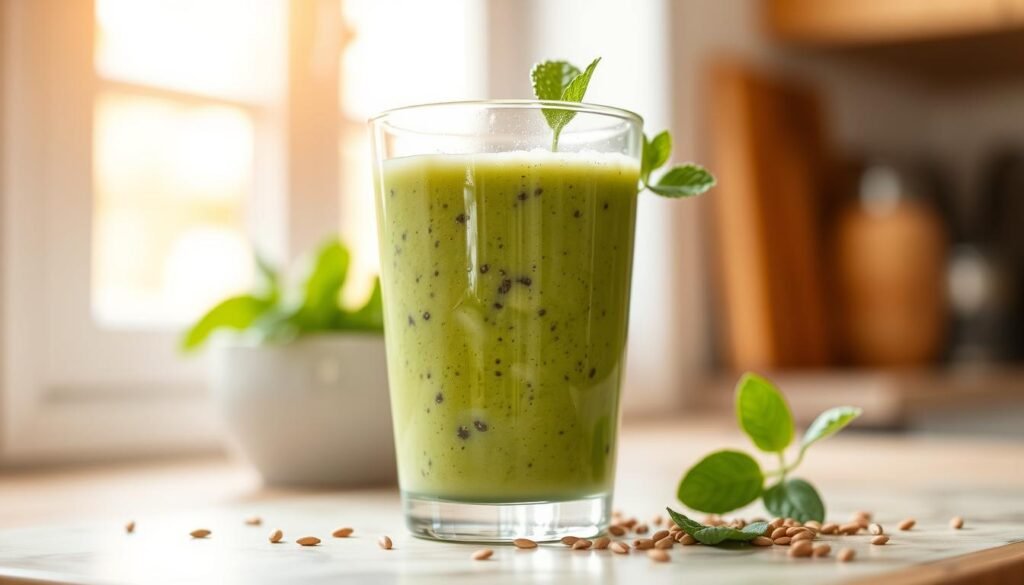
Blend kefir, a handful of spinach, ground flaxseed, a small banana, and ice. Add a spoonful of nut butter or a scoop of plain protein powder if you want more protein.
Kefir supplies live cultures that support gut health. Flax gives prebiotic fiber and omega-3s for steady energy.
Quick tips
- Prep freezer packs with spinach and flax so blending takes less time.
- Use frozen berries to control sugar and add fiber.
- Try a pinch of ginger or cinnamon for gentle zing.
- Let a very cold drink sit a minute if you find it harsh on your stomach.
Why this works: It’s portable and filling, so you keep energy and avoid mid-morning cravings. This simple recipe fits tight mornings and travels well in an insulated cup.
Oat and banana pancakes with yogurt and fresh fruit
Swap the boxed mix for a quick batter of rolled oats and banana to get fluffy pancakes with more fiber and less sugar.
Blend rolled oats, a ripe banana, one egg, and a splash of milk for a smooth batter that cooks into light, fiber-forward pancakes. Add a pinch of cinnamon and salt to boost flavor without more sweeteners.
Top the stack with tangy yogurt to add protein and creaminess. Fresh fruit brings vitamins and color — berries or sliced peaches work especially well.
- Keep added sugar low by relying on banana sweetness; a small pat of butter or a drizzle of almond butter adds balanced fat.
- Make a double batch for the family and freeze extras; they reheat well in a toaster for busy mornings.
- If you want more protein, whisk in an extra egg or top with a spoonful of cottage cheese; use coconut or almond yogurt and neutral oil to make it dairy-free.
Why this works:These pancakes digest more comfortably than ultra-refined mixes because oats add fiber, and the mix of protein and fat helps keep your energy steady through the morning.
Kimchi eggs on whole-grain toast for a probiotic-rich brunch
Bright, savory, and fast — this toast pairs runny or soft-scrambled eggs with tangy kimchi to make a simple, satisfying meal you can eat any time of day.
Why it works: Eggs give high-quality protein and the yolk supplies steady fat that keeps you full. Kimchi adds crunch, tang, and live cultures that may support a healthy gut.
Protein and fat balance for stable energy
Fry or gently scramble one or two eggs and set them on a sturdy slice of whole-grain or rye toast. Top with a spoonful of kimchi and a scatter of scallions.
- Use pre-made kimchi for a quick version; rinse lightly to mellow heat.
- Add a small side of sliced cucumber or tomato to keep the plate fresh and hydrating.
- If you want more protein, add an extra egg or crumble firm tofu and warm briefly.
Serving tip: A few drops of toasted sesame oil and a pinch of sea salt brighten the flavors without fuss. This quick dish makes a great brunch, light lunch, or savory breakfast.
Roasted cauliflower and quinoa salad with garlic yogurt
This roasted cauliflower and quinoa bowl balances tender, caramelized vegetables with a bright garlic yogurt for a light but hearty meal.
Fiber, plant protein, and minerals in one bowl: Toss cauliflower florets with olive oil, salt, and pepper, then roast until edges are browned and nutty. Fold the warm florets into cooked quinoa so the grains soak up flavor and deliver solid plant protein and fiber.
Olive oil, garlic, and polyphenols to reduce inflammation
Spoon a quick garlic yogurt made with lemon and a pinch of salt over the salad for creaminess without heaviness. Garlic adds aromatic bite and antimicrobial notes while olive oil supplies polyphenols and healthy fat to help absorb fat-soluble nutrients.
- Add crunchy toasted almonds or pumpkin seeds to lift texture and satiety.
- Swap quinoa with brown rice or farro, or use a tahini-lemon sauce if you want a dairy-free alternative.
- Meal-prep roasted cauliflower and quinoa so you can assemble a fast lunch or dinner during the week.
Try a variation: miso-roasted cauliflower with lentils and pickled onions to change the flavor profile while keeping the same nourishing structure.
Want a broader plan to make meals like this easier? Check the nutrition blueprint for simple weekly strategies and ingredient swaps.
Chickpea and cauliflower stew for a cozy, fiber-rich dinner
This stew combines hearty chickpeas and soft cauliflower in a fragrant broth that doubles as a soup-stew hybrid. Simmer chickpeas with tomatoes, onions, and warm spices so the pot builds deep flavor without fuss.
Chickpeas give plant protein and plenty of fiber, which helps you feel full and supports a diverse microbiome. Cauliflower soaks up the broth’s aromatics and adds body without heaviness.
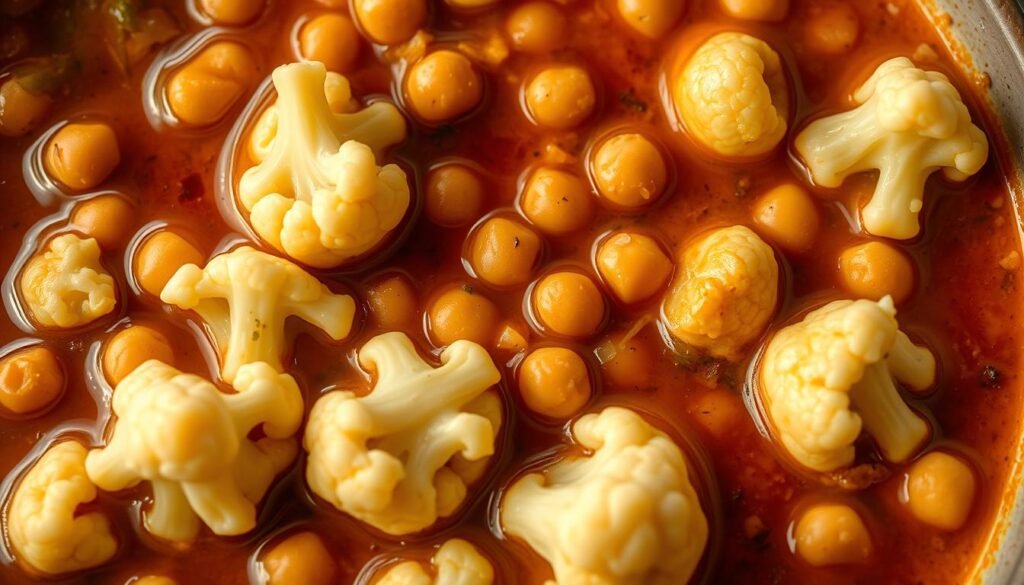
Start by blooming cumin, coriander, and turmeric in olive oil to unlock aroma. Add cauliflower florets, canned tomatoes, and drained chickpeas, then simmer until tender.
- Stir in spinach near the end for extra greens and color.
- Brighten with lemon and fresh herbs when serving.
- Keep it chunky or blend part of the pot to thicken — both work.
- Make a large batch on Sunday; flavors deepen and it reheats well as a quick meal.
Serve this comforting recipe with whole-grain bread or over quinoa for a complete, satisfying dinner. Add a pinch of chili flakes if you like gentle heat.
Sweet potato and chickpea curry with greens
A colorful sweet potato and chickpea curry gives you a weeknight dinner that feels indulgent but stays nutrient-dense. This one-pot dish is full of flavor and easy to scale for leftovers.
How it works: Start aromatics in olive oil with onion, grated ginger, and minced garlic. Add cubes of sweet potato and drained chickpeas, then stir in tomatoes, warm spices, and a splash of coconut milk for creamy balance.
Beta-carotene, vitamins, and resistant starch for digestion
Sweet potato brings beta-carotene and both soluble and insoluble fiber that support digestion. Chickpeas add plant protein and key minerals to keep the meal satisfying without meat.
- Stir in quick-cooking greens like spinach at the end so they stay bright.
- Adjust chili or curry paste to control heat; finish with lime and cilantro for brightness.
- Serve over brown rice or quinoa — it reheats well and makes great next-day lunches.
Chef tip: Simmer uncovered to thicken the sauce or mash a few potato pieces into the pot for body. This simple recipe becomes a go-to when you want comfort that supports steady energy.
Miso salmon with leeks and spinach in under 25 minutes
Bright miso, fresh ginger, and tender salmon come together fast for a balanced, flavorful meal. This quick dinner uses a simple glaze and fast-cooking greens so you can eat well on a busy night.
Miso, ginger, and umami to support gut health
Whisk white miso with rice vinegar, grated ginger, and a touch of honey. Brush the mix over salmon fillets for an umami-rich glaze that caramelizes quickly.
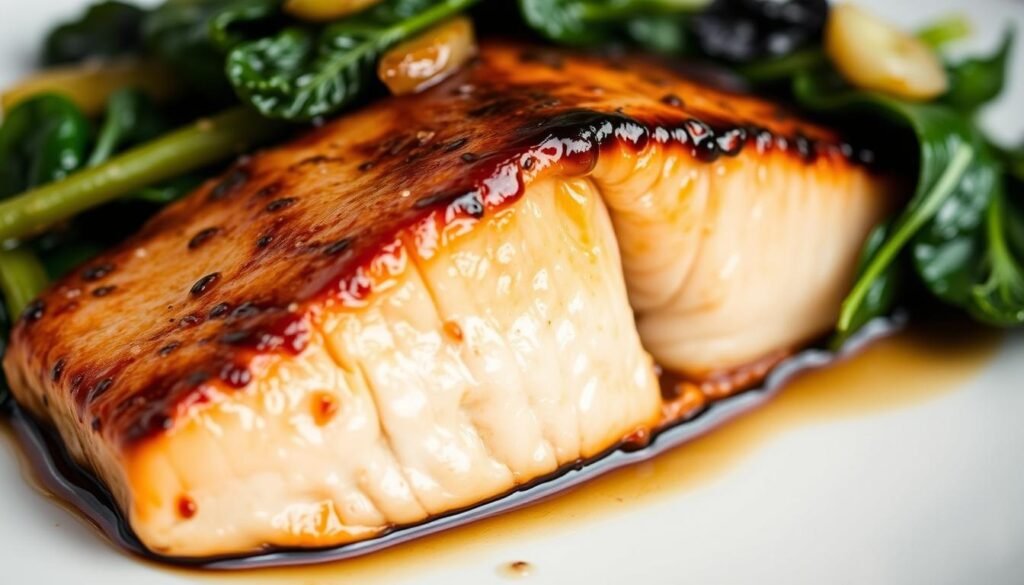
Roast or pan-sear the salmon with sliced leeks. Add spinach in the final minutes so it wilts but stays bright.
Why this works: Salmon supplies high-quality protein and omega-3s that support overall wellness. Miso adds savory depth and contains live cultures when used gently. It also brings useful minerals and B vitamins to the plate.
- Brush miso glaze, then cook 10–12 minutes total so the fish stays moist.
- Add bell peppers or snow peas in the last few minutes for extra veg.
- Serve with steamed brown rice or a simple side salad for more fiber and balance.
This recipe turns a few pantry staples into a polished meal you’ll crave on weeknights. Keep an eye on doneness: salmon flakes easily when ready and should remain slightly translucent inside for the best texture.
Miso and butternut soup with silken tofu
Bright ginger, sweet squash, and a spoonful of miso combine into a smooth soup you can warm in minutes.
Smooth, satisfying soup that’s easy on your gut. Roast or steam butternut until tender, then blend with warm vegetable broth and a spoon of miso for a silky base. Stir in cubes of silken tofu to add protein and creaminess with minimal fat.
Miso brings umami and probiotic potential when you add it off-heat. That preserves live cultures and gives the bowl depth without heaviness. The squash delivers vitamins and other nutrients that help round out the meal.
“Keep the miso off direct heat so the flavor stays bright and the cultures remain lively.”
- Make the base ahead; whisk miso in just before serving to save time.
- Top bowls with a spoon of cooked quinoa and sliced scallions for extra fiber.
- Finish with a squeeze of lime, a drizzle of olive oil, or toasted seeds for contrast.
This recipe is weeknight-friendly, reheats well, and offers a warming way to get more vegetables into your dinner rotation while supporting gut health.
Build-your-own buddha bowl: sweet potatoes, chickpeas, and tahini
Roasted sweet potato and spiced chickpeas make an easy base you can top any way you like.
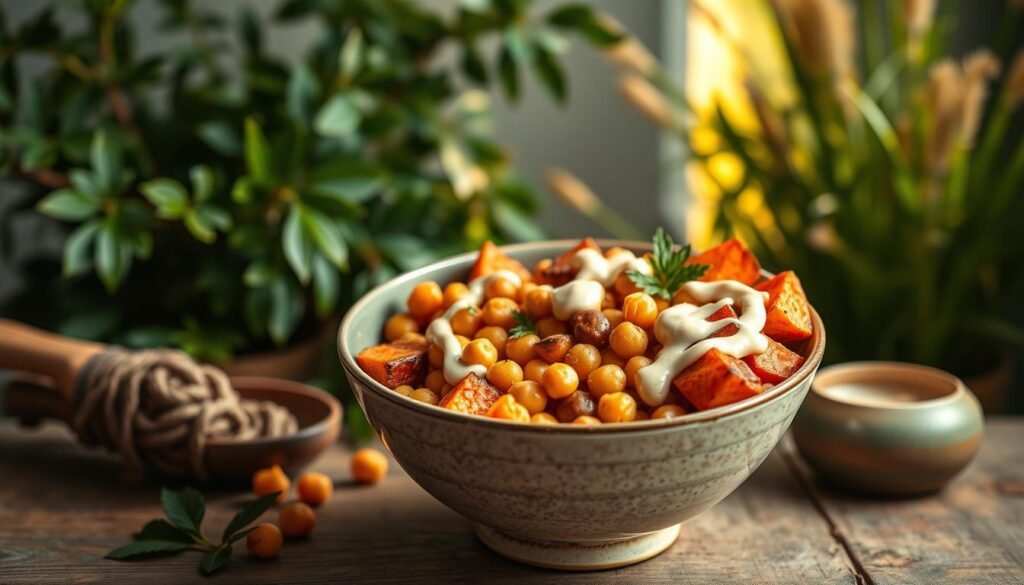
Make this bowl your weeknight winner: roast sweet potato until edges caramelize, warm chickpeas with cumin and paprika, then layer each bowl with greens and crunchy vegetables.
Ingredient swaps and simple ideas
Drizzle a lemon-tahini sauce and, if you want depth, stir a spoonful of miso into the dressing for umami.
- Swap quinoa for brown rice as an easy grain option.
- Add avocado or roasted cauliflower florets for texture and extra nutrients.
- Chickpeas provide plant protein and fiber, while sweet potato adds beta-carotene and natural sweetness.
- Make it a family meal by laying out toppings so everyone builds their own salad-style bowl.
- Pack the sauce separately if you plan to bring a bowl to work; reheat greens or keep them cold as you prefer.
Why you’ll like it: this flexible recipe fits lunch or dinner, scales for meal prep, and keeps a nice balance between warm grains, roasted veg, and bright toppings.
Snack smarter: nuts, seeds, and low-sugar granola to fuel your gut
Keep snacks simple and powerful: nuts, seeds, and low-sugar granola turn cravings into steady fuel. Pick options that pair fiber with healthy fat so you avoid a blood-sugar crash.
Make a sheet-pan granola with oats, a mix of seeds, and just enough maple to bind. Bake until golden and store in a jar for quick reach-and-go bites.
Try sticky miso nuts and seeds for a sweet-savory snack that adds plant variety to your plate. Keep single-serve yogurt cups on hand and top them with a spoon of granola and berries for a fast, balanced bite.
- Pre-portion granola into small containers to control sugar and servings.
- Blend a quick smoothie with modest fruit and chia or flax for a portable option.
- Roast chickpeas with paprika for a savory crunch if you prefer salty foods.
This recipe-friendly approach helps you meet daily fiber goals and keeps energy steady. Pack nut-and-seed bars as a travel option so you always have a healthy way to snack.
Fermented sides that elevate any meal: quick kimchi, sauerkraut, and kombucha
Simple fermented sides bring bright flavor and live cultures to nearly every meal. Keep a jar or two in your fridge so you can add a probiotic boost to any plate in seconds.
Quick kimchi is an easy source of probiotics and adds heat and crunch beside a main. Classic sauerkraut and kombucha offer tangy options you can sip or spoon onto your plate.
Simple ways to add probiotics to dinner, salad, or a side
- Spoon kimchi beside a grain bowl or protein to brighten a rich dish.
- Mix cooled, boiled potato slices with shredded sauerkraut to boost resistant starch and ease digestion.
- Whisk a miso-ginger dressing to drizzle over greens or a grain bowl for savory balance — a quick recipe hack.
- Sip a small glass of kombucha with your meal or keep different ferments on rotation to encourage microbial variety.
- Start small if you’re new to fermented foods and pair them with fat or protein to make each side more satisfying.
Tip: Fold sauerkraut into tacos, burgers, or salads to cut richness and add brightness. A little ferment goes a long way to support gut health and deepen flavor in every dish.
gut-friendly recipes for women over 35: how to plan your week
Set aside one block of time to prep staples and you’ll save minutes every day while keeping meals varied and nutritious.
Meal prep tips: cook once, eat twice, save time
Choose two to three core dishes each week and double them so you cook once and eat twice. That small plan reduces decision fatigue and keeps your fridge useful.
Block 60–90 minutes to roast vegetables, simmer a grain, and mix a dressing. Those minutes pay off at every meal and cut weekday cooking time.
Family-friendly adaptations and spice-level tweaks
Batch-cook potatoes as a side or salad base — cooling them first boosts resistant starch and can aid digestion. Keep a simple “flavor kit” (miso-tahini, kimchi, olive oil-lemon) to change plates quickly.
- Build breakfasts, lunches, and one easy dinner so you match your available minutes each day.
- Rotate proteins like legumes, fish, tofu, and eggs to keep nutrients balanced.
- Offer hot sauce or chili oil at the table so the whole family can share one base without extra effort.
- Pack leftovers into single-serve containers for grab-and-go lunches.
“A little planning each week saves time and keeps healthy choices simple.”
Guidance from a registered dietitian: when to personalize your plate
If your digestion feels unpredictable, tailored advice can make your meals feel safer and more satisfying. Working with a professional helps you adjust fiber, textures, and portion sizes so you keep nutrition without unnecessary discomfort.
IBD, sensitive digestion, and fiber pacing
Registered dietitian input is especially helpful during flares or sensitive periods. Clinical teams often advise reducing high-fiber foods temporarily and reintroducing them slowly.
A registered dietitian can help you choose gentler fibers, peel skins, and cook vegetables until soft to ease symptoms while preserving nutrients.
- If symptoms persist, partner with a registered dietitian to tailor meals to your unique digestion and triggers.
- Start with soups, stews, and softer proteins, then move gradually to salads and crunchier textures.
- Keep a short food-and-symptom log and introduce fermented foods in small amounts to support gut health.
- Hydration, broths, and electrolyte drinks can help when digestion is off while you follow personalized guidance.
“Preparing your own meals gives better control over ingredients and helps avoid triggers.”
Use this guide as a flexible framework and fine-tune it with a registered dietitian so your plate supports your long-term health and comfort.
Conclusion
You now have a simple way to build better meals without extra fuss.
Focus on balance: pair protein, fiber, and healthy fat so your energy and digestion stay steady. Use olive oil and garlic to add flavor and polyphenols while keeping vegetables and grains central.
Rotate fermented foods like kimchi, sauerkraut, kefir, and miso to widen probiotic variety. Make salads more filling with roasted vegetables, legumes, and creamy dressings, or choose a warming soup or smoothie when you want something gentle.
Include potato or sweet potato dishes (cool potatoes for salads to boost resistant starch) and snack smart with nuts and low-sugar granola. Pick one or two new recipes to try this week, repeat what works, and tweak spice, texture, and portions so the plan fits your life and supports long-term gut health.
FAQ
How soon can you expect better digestion after switching to higher-fiber meals like oats, quinoa, and roasted vegetables?
You may notice improvements in bowel regularity and bloating within a few days, but meaningful shifts in your microbiome and steady energy often take 2–6 weeks. Start slowly, increase fiber and resistant starch (like cooled potatoes or sweet potato) over several days, and hydrate well to help your body adjust.
Can fermented foods like kimchi, miso, and kefir actually help reduce bloating?
Yes — fermented foods supply live cultures that can support a healthy gut ecosystem when introduced gradually. If you have significant bloating or a sensitive gut, add small portions (a tablespoon or two) and monitor how you feel. Kombucha, sauerkraut, and probiotic coconut yogurt are easy options to test.
Are starchy foods such as potatoes and sweet potatoes okay if you’re watching blood sugar?
Absolutely. Choose whole forms and pair them with protein and healthy fat (salmon, chickpeas, olive oil) to slow glucose absorption. Baking, roasting, or cooling cooked tubers increases resistant starch, which helps stabilize blood sugar and feeds beneficial gut bacteria.
How do you balance protein and fiber at each meal to support energy after 35?
Aim for a palm-sized portion of protein (eggs, salmon, tofu, chickpeas or a scoop of kefir) with a fist-sized portion of fiber-rich produce or whole grains (spinach, cauliflower, oats, quinoa). Add a fat like olive oil or tahini to improve satiety and nutrient absorption.
What are simple swaps to make family meals more gut-supportive without rewriting recipes?
Swap white rice for quinoa or brown rice, use olive oil instead of butter, add a handful of greens or roasted cauliflower to casseroles, and include a small serving of fermented vegetable as a side. These swaps boost fiber, polyphenols, and healthy fat without changing flavors dramatically.
How should you adapt these meal ideas if you have IBS or IBD?
Work with a registered dietitian to personalize fiber intake, pacing soluble vs. insoluble fiber, and trialing fermented foods cautiously. For flares, focus on gentle, low-residue choices like miso soup with silken tofu and cooked greens, then reintroduce fiber slowly when symptoms improve.
Are smoothies and overnight oats safe for sensitive digestion, and how can you make them gentler?
Yes, when built thoughtfully. Use kefir or low-lactose milk, limit high-FODMAP fruits if needed, blend greens finely, and include seeds (chia, flax) for gentle prebiotic fiber. Soaking oats or using cooked oats can reduce fermentable carbs that trigger discomfort.
How do you keep meals quick—under 25 minutes like the miso salmon—and still nutritious?
Prep staples ahead: cook quinoa, roast a tray of sweet potatoes or cauliflower, and chop garlic and leeks. Use pantry proteins (tinned chickpeas) and fast-cooking proteins like salmon or eggs. A miso glaze and a side of wilted spinach take only minutes if your produce is prewashed.
Can seeds, nuts, and low-sugar granola be part of a gut-supporting snack routine?
Yes. Choose unsweetened granolas, raw nuts, and mixed seeds for fiber, healthy fats, and minerals. Pair them with a protein (Greek yogurt, kefir, or a small portion of cheese) to balance blood sugar and keep you fuller longer.
What role do polyphenol-rich foods and olive oil play in reducing inflammation?
Polyphenols in garlic, olive oil, leafy greens, and cruciferous vegetables feed beneficial microbes and have antioxidant properties that help lower low-grade inflammation. Drizzle extra-virgin olive oil on salads and roasted vegetables and include garlic and herbs in cooking to boost both flavor and nutrient density.
How often should you include fermented sides like kimchi or sauerkraut in your meals?
Start with small daily servings (1–2 tablespoons) or include them a few times a week. Consistent, moderate intake supports microbial diversity without overwhelming sensitive digestion. If you enjoy kombucha, treat it as a low-sugar beverage option rather than a meal replacement.
Are plant proteins like chickpeas and tofu as effective as animal proteins for muscle and gut health after 35?
Yes. Chickpeas, tofu, quinoa, and lentils provide amino acids, fiber, and minerals. Combine plant proteins across meals to ensure a full amino acid profile, and pair them with vitamin-C–rich foods (spinach, sweet potato) to improve iron absorption.
What are quick meal-prep tips to make the week easier while keeping nutrients high?
Cook grains and legumes in bulk, roast a sheet tray of mixed vegetables, portion out seeds and nuts, and store washed salad greens. Use mason jars for overnight oats and pre-mix spice blends for curries and stews to cut cooking time during busy evenings.
How can you add more resistant starch to meals to support digestion?
Cook and cool potatoes, sweet potatoes, rice, or pasta before eating; include green bananas in smoothies; and opt for whole oats. Resistant starch feeds beneficial bacteria and can help regulate bowel movements and glucose response when introduced gradually.


