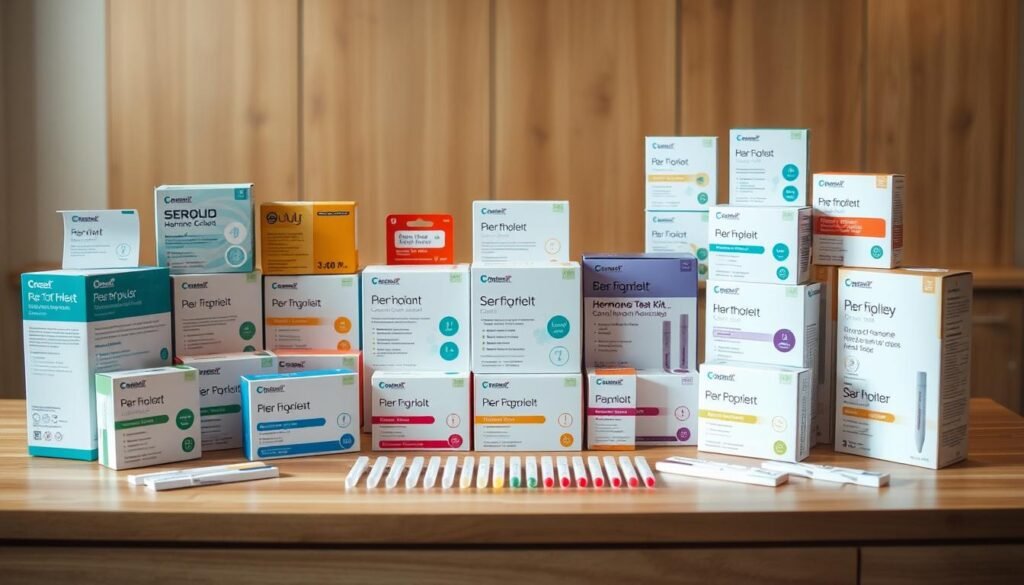
Could a small device change how you sleep, manage stress, or track cycle patterns—and rewrite what you expect from midlife care?
You’re entering a pivotal decade where devices and data converge to help you personalize daily habits and long-term decisions.
About a third of U.S. adults already use wearables to monitor sleep, stress, recovery, and cycles. That constant stream of insight can shape training, nutrition, and symptom tracking over time.
Femtech has surged, with projections near $50 billion by 2025, and funding is flowing to companies building tools across fertility, menopause, thyroid care, and mental health. Massive U.S. health spending and gaps in care mean designers are rethinking primary care and gynecology to fit your life much better.
This report distills the top device categories—what each device does, where the evidence stands, and a clear approach to compare options and protect your safety. For more detail on market trends and actionable nutrition guidance, see this nutrition blueprint.
By the end, you’ll have a roadmap to build a smarter, more resilient setup that adapts as your needs shift over time.
Why These Devices Matter Now for Your Next Decade of Health
The next decade of your life will be shaped by tools that turn daily signals into clear actions. These devices are not just gadgets; they help you manage sleep, cycle patterns, and stress while reducing long-term risks.
Your intent: stay ahead of trends that improve day-to-day life and long-term outcomes. With 80% of U.S. household healthcare decisions guided by women, choosing solutions that simplify complex metrics matters.
How we evaluated the technology: we prioritized clinical evidence, usability, inclusivity, and U.S. access. That means we checked whether measurements hold up across ages and skin tones, how easy products are to use, and whether companies offer clear pricing and telemedicine options like Tia, Hello Alpha, Caraway, and Visana Health.
- Clinical validity: does the device measure a proven biomarker?
- Usability: will you wear and understand it every day?
- Access and cost: is it available in the U.S. and sustainable over time?
Practical approach: pick categories that ease daily life now—better sleep, smoother cycles, steady energy—and that scale as your needs shift with age. When a device links to care teams or telemedicine, it becomes a true extension of healthcare rather than another isolated app.
For guidance on combining devices with training and nutrition plans, see this fitness guide.
The Top Wellness Devices Redefining Your Health Stack
A new generation of gadgets turns scattered data into clear daily steps you can actually follow.
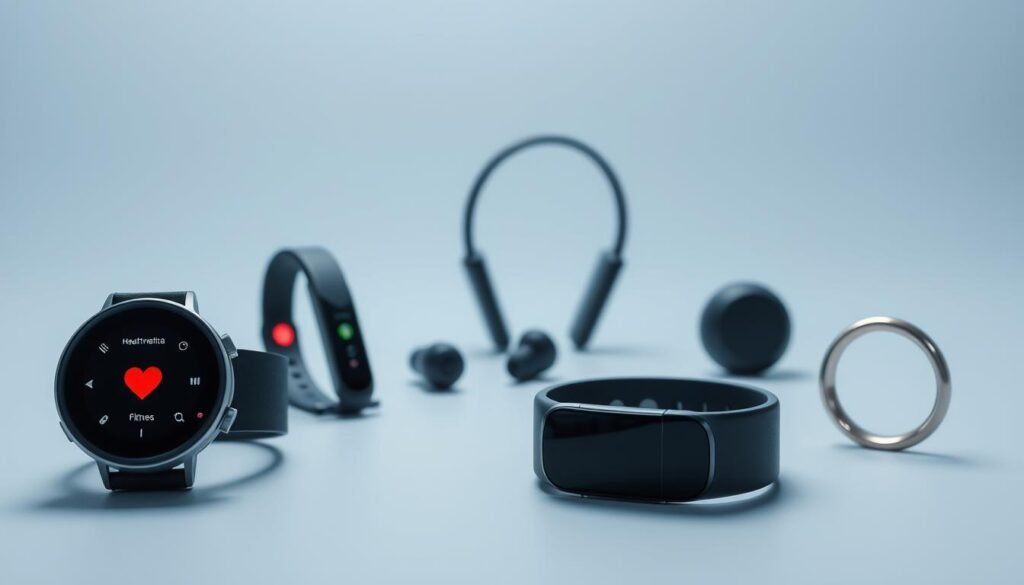
Advanced wearables that unify signals
Advanced wearables consolidate sleep staging, HRV, skin temperature, and cycle markers into one dashboard. Look for validated algorithms and in-app coaching so metrics become usable guidance, not noise.
Cycle-syncing to plan training and meals
Cycle-syncing features suggest when to push strength, favor carbs, or prioritize recovery across phases. That alignment cuts guesswork and helps you manage symptoms and energy day to day.
Sleep upgrades: sensors and guided routines
From multisensors to smart mattresses and guided wind-down apps, the best options translate data into small habits you can try tonight. Prioritize products that show trends and practical tips.
Near-infrared, saunas, and contrast therapy
Red-light panels like Lume Box and full saunas such as Sunlighten support circulation, muscle recovery, and skin health. Pairing sauna sessions with cold immersion can boost resilience—start slow and track how you feel.
AI-driven apps, fertility, and menopause platforms
AI tools now surface patterns linked to perimenopause, thyroid shifts, and cycle changes. Fertility platforms (Alife, AIVF, Oma), cryo managers (TMRW), and navigators (Kindbody, Maven) modernize care and financing.
“Devices that connect data to clinicians and coaching become true extensions of healthcare.”
- Look for clinical validation.
- Choose apps that share data with your clinician.
- Prefer transparent pricing and third-party testing.
How wellness tech for women over 35 is evolving in the U.S.
Care is moving from scattered tools toward unified platforms that let you handle primary care, gynecology, mental health, and menopause services without juggling logins or duplicate records.
That shift matters because women drive most household healthcare choices, yet access and coordination remain uneven.

From point solutions to full-stack platforms
Full-stack services like Tia, Hello Alpha, Caraway, and Visana Health bundle visits, labs, and prescription management. This reduces admin time and makes follow-up simpler.
Telemedicine and virtual assistants
Telemedicine and virtual assistants let you book visits, renew meds, and review labs at home. These features keep a single care plan across specialties and ease ongoing management.
Employer benefits and fertility access
Employers now offer fertility navigation, maternity programs, and menopause support as benefits. AI tools in IVF labs and cryo-management help lower barriers that once caused many people to stop care.
“Integrated platforms cut friction so clinical teams and devices share the same data.”
- Less admin burden: one login, one record.
- Better coordination: combined primary, gynecology, and mental health services.
- More access: telemedicine, financing, and employer-backed services expand reach.
Make Smarter Choices: A Buyer’s Guide for Your Next Device
Smart buying starts with simple checks that protect your safety, data, and wallet.
Start with evidence. Check whether the core biomarker (HRV, skin temperature, sleep staging) has peer-reviewed validation. Look for studies that test the specific hardware-software combo against gold standards.
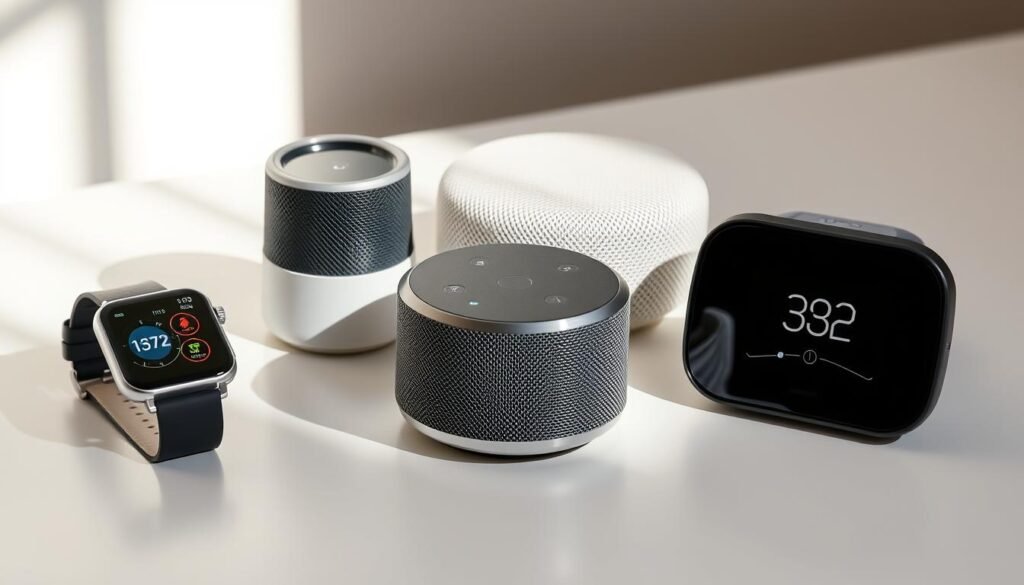
Evidence and safety: clinical backing, biomarker validity, and risk transparency
Read risk disclosures carefully. Find contraindications and safety notes on heat, light exposure, stimulation intensity, pregnancy, and other conditions.
Data privacy, inclusivity, and total cost of ownership over time
Compare data access models. Can you export summaries, link to EHRs, or control sharing across services? Prefer end-to-end encryption and easy data deletion.
“Pick products that prove accuracy, protect your data, and offer clear costs.”
- Inclusivity: verify validation across ages, skin tones, and body types.
- Practical features: battery life, comfort, water resistance, and simple cleaning support daily use.
- Costs: factor in subscriptions, replacements, and the time you’ll spend using the product.
Final approach: stress-test claims with a plain example. If a light panel promises faster recovery, ask which markers improved and in what timeframe. Choose products that match your needs now and scale as your care changes.
Conclusion
Choose one practical device now, then layer others only if they prove helpful.
Start small: pick a sleep-focused wearable, a recovery product, or a menopause support service and run a four-week test. Track one metric and see if daily life improves.
Expect more startups and companies to connect device data with care teams. That shift will make fertility and menopause solutions easier to access through employers and direct services.
Keep your criteria tight: demand evidence, insist on privacy and inclusivity, and calculate total cost per year before you commit.
If you’ve delayed screening, treat today as a nudge to schedule breast and preventive care. By choosing intentionally, you build a resilient stack that supports your health into the next decade.
FAQ
What types of devices should you consider after 35?
Look for multi-sensor wearables that track sleep, heart rate variability, and menstrual or menopausal symptoms; light and near-infrared therapy panels for skin and pain; home sauna or cold-plunge setups; and AI-driven apps for personalized guidance on thyroid, perimenopause, and mood. Also consider fertility-support tools if you’re planning pregnancy and diagnostics like improved breast imaging for screening.
How do these devices improve your daily life and long-term outcomes?
They help you catch trends early, tailor exercise and nutrition to your cycle or symptoms, improve sleep and recovery, and guide treatment choices. Consistent tracking and evidence-backed interventions can lower risk for chronic conditions and make clinical visits more productive.
How did you evaluate which products to trust?
Prioritize tools with peer-reviewed studies, clinical partnerships, clear safety data, and inclusive testing across ages and ethnicities. Usability, customer support, and U.S. availability were part of the review, along with transparent data policies and device accuracy benchmarks.
Are cycle-syncing features really useful after 35?
Yes. Cycle-aware recommendations can help you time strength work, manage energy on low-hormone days, and adjust nutrition for symptoms. They’re particularly helpful during perimenopause when cycles become irregular and symptom patterns shift.
Is light therapy safe and effective for skin and pain?
When used per manufacturer guidance and cleared devices, red and near-infrared light can support tissue repair, reduce inflammation, and improve skin tone. Check for clinical evidence and avoid overuse; consult your clinician if you have photosensitive conditions or active cancer treatment.
Do home saunas and cold plunges offer measurable benefits?
Regular contrast therapy can boost circulation, support recovery, and improve resilience to stress. Products vary in temperature control and safety features, so choose models with reliable thermostats, clear instructions, and appropriate medical disclaimers.
How can AI apps help with perimenopause and thyroid issues?
AI platforms can analyze your symptom logs, labs, and patterns to suggest targeted lifestyle adjustments and prompts for testing. They don’t replace clinicians but can accelerate correct referrals, help track treatment response, and flag concerning trends for your provider.
What should you know about fertility tech and IVF support?
Modern fertility tools include at-home hormone tracking, AI-assisted embryo assessment in clinics, and financial planning platforms for treatment costs. Verify clinic accreditation, success-rate transparency, and data handling before committing to services.
How are menopause care devices and digital clinics different from standard care?
They combine remote monitoring, symptom-tracking apps, and clinician-led telehealth tailored to menopause. This approach can speed access to hormone therapy, nonhormonal options, and lifestyle coaching that aligns with your goals and risk profile.
What advances exist for breast health screening at home or in clinics?
Innovations include improved imaging workflows, 3D mammography enhancements, and adjunctive tools that refine risk assessment. Home devices are limited; rely on clinic-based imaging for screening and use at-home risk-assessment tools to inform timing and follow-up.
Can digital tools help with mental health and neurodiversity screening?
Yes. Many apps offer validated screening questionnaires, cognitive training, and therapist access for conditions like anxiety, ADHD, or autism traits. Choose platforms with licensed clinicians, data protections, and integration options for your primary care team.
How do telemedicine and virtual assistants expand access in the U.S.?
They let you consult specialists without travel, receive prescriptions, and manage chronic issues from home. Employers increasingly cover services like fertility and menopause care, improving affordability and continuity across your care team.
What funding trends are shaping products you’ll see next year?
Venture investment and targeted grants are pushing femtech to build full-stack platforms that combine primary care, gynecology, and mental health. Expect more integrated services, improved data interoperability, and products addressing care gaps across life stages.
How should you choose a device or platform safely?
Check for clinical validation, clear privacy policies, inclusive testing data, and ongoing customer support. Consider total cost of ownership, warranty, and whether the product connects to your clinician or electronic health record for coordinated care.
What privacy questions should you ask before buying?
Ask where data is stored, whether it’s sold to third parties, how anonymization is handled, and what happens if you revoke consent. Look for HIPAA-aligned services when clinical data is involved and read the terms before sharing sensitive health information.
How often should you replace or upgrade health-monitoring devices?
Follow manufacturer lifespan guidance; many wearables last a few years before sensors degrade. Upgrade when new features materially improve accuracy or when a device no longer syncs with current health platforms. Keep software updated for security and accuracy.
Where can you find reputable companies and products to try?
Look to established brands like Garmin, Oura, Philips, and Withings for validated wearables; consider digital clinics such as Maven or Ro for specialized care; and review peer-reviewed studies, FDA clearances, and user reviews before purchase.