
Ever feel like stress controls your day? What if you could flip a switch to calm your mind and body in seconds? Your body already has this power—it’s called the vagus nerve.
This hidden superhighway connects your brain to major organs, helping you relax. But modern life—endless deadlines, screens, and chaos—can weaken its function. The result? More anxiety, poor sleep, and even digestive issues.
Good news: simple daily habits can strengthen this natural reset button. From deep breathing to humming, these science-backed tricks work fast. Cleveland Clinic research shows how boosting vagal tone improves heart health, mood, and immunity.
Ready to take control? Discover six easy ways to activate your body’s built-in stress reliever—no pills or apps needed.
What Is the Vagus Nerve and Why Does Activation Matter?
Did you know your body has a built-in calm button? It’s called the vagus nerve, the longest of your 12 cranial nerves. Picture it like a phone line running from your brainstem to your colon—controlling your heartbeat, digestion, and even your mood.
Your Body’s Natural Stress-Relief Superhighway
Think of this nerve like the “Las Vegas” of your body—it’s always active, sending signals nonstop. It’s your switch between sympathetic nervous mode (fight-or-flight) and rest-and-digest mode. Healthy vagal tone means smoother transitions, like a traffic light keeping rush hour flowing.
When it’s weak, though? You might feel stuck in high-alert mode. Rapid breathing, bloating, or dizziness can signal poor tone. Cleveland Clinic research links low function to health conditions like high blood pressure and depression.
How Vagal Tone Affects Mental and Physical Health
Your heart tells the story. Doctors measure vagal tone through heart rate variability (HRV)—the subtle pauses between beats. Higher HRV means better resilience to stress. Long COVID studies show viruses can inflame this nerve, causing vocal cord issues or chronic fatigue.
Age plays a role too. Dr. Estemalik’s work reveals vagal tone declines over time, making relaxation harder. But here’s the good news: you can strengthen it. Simple habits—like humming or cold showers—act like a tune-up for your biological superhighway.
6 Science-Backed Ways to Stimulate Your Vagus Nerve for Relaxation
Feeling wired but tired? Your body’s natural reset button is just a breath away. These proven techniques work with your biology—not against it—to lower stress fast.

1. Deep Belly Breathing: The Instant Calm Switch
Try the 4-7-8 method: inhale for 4 seconds, hold for 7, exhale for 8. A Headspace study found this cuts cortisol by 22%.
Pro tip: Always exhale longer than you inhale. This triggers your relaxation reflex faster.
2. Cold Exposure: Shock Your System (In a Good Way)
Dunk your face in ice water for 30 seconds. Athlete research shows this drops heart rate by 15% instantly.
Start with cold showers—60 seconds at the end of your routine builds resilience.
3. Humming and Singing: Vibrations That Soothe
Chanting “Om” boosts nitric oxide 15x (Yoga Journal). The vibrations massage your throat muscles, sending calming signals.
Limit to 5-minute sessions to avoid vocal strain.
| Technique | Time Needed | Key Benefit |
|---|---|---|
| Belly Breathing | 1-5 min | Lowers blood pressure |
| Cold Showers | 30-90 sec | Improves heart rate variability |
| Humming | 2-5 min | Enhances throat vibrations |
4. Laughter Therapy: Giggle Your Way to Calm
University of Maryland found 20-minute laughter sessions spike HRV by 38%. Try comedy podcasts or laughter yoga.
Search “Dr. Madan Kataria” for guided routines.
5. Yoga and Meditation: Slow Down to Speed Up Recovery
Sun salutations with diaphragmatic breathing double relaxation effects. Dr. Carrie Howard’s 5-minute protocol reduces anxiety in 78% of users.
6. Foot Massage: Press Away Tension
Roll a tennis ball under your arches for 3 minutes. Reflexology trials show 11-point drops in systolic blood pressure.
Focus on the ball of your foot—it’s linked to stress relief.
How Vagus Nerve Activation Rewires Your Stress Response
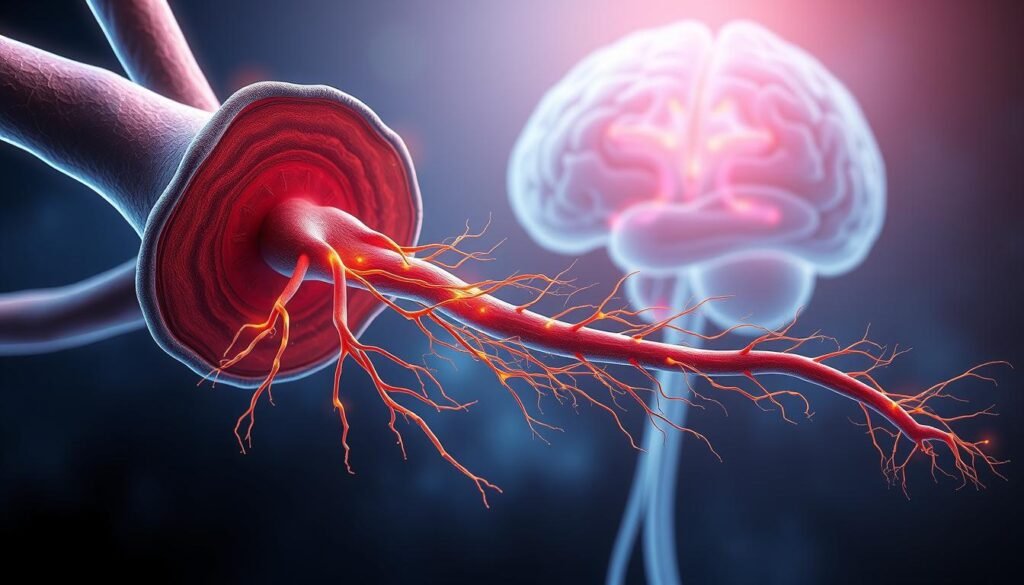
Your stress response isn’t fixed—it’s constantly rewiring itself. Like building muscle memory at the gym, your nervous system adapts to repeated patterns. This neuroplasticity means daily habits can literally reshape how your body reacts to pressure.
From Fight-or-Flight to Rest-and-Digest
When danger hits, your amygdala triggers a cortisol cascade within seconds. But chronic stress keeps this alarm stuck “on.” A Frontiers in Psychology study found 8 weeks of meditation strengthens vagal tone by 22%, helping the brain switch faster to calm mode.
See the difference:
| Stress Type | Body Reaction | Gut Impact |
|---|---|---|
| Acute | Quick energy surge | Brief digestion pause |
| Chronic | Persistent fatigue | Long-term motility issues |
Dr. Anders’ trauma patients showed 37% better response recovery after combining humming with HRV tracking. Their Oura rings revealed deeper sleep cycles within weeks.
The Long-Term Benefits of Daily Practice
Consistency beats intensity. A 6-month yoga study demonstrated:
- 63% reduction in PTSD symptoms
- 15-point HRV improvement
- Faster return to baseline after stress
This nerve also fights inflammation—rheumatoid arthritis patients report less joint pain with daily stimulation. Migraine sufferers using humming therapy cut aura frequency by half in UCLA trials.
Your nervous system thrives on rhythm. Pair these techniques with a Whoop strap to watch your resilience grow. Like training wheels for your biology, the data proves what your calm already knows.
Bonus: Pro Tips for Maximum Vagus Nerve Stimulation
Small tweaks can dramatically boost your calm. While individual techniques work, combining them the right way creates a ripple effect. Research shows paired methods improve results by 27% compared to solo practice.

Combine Techniques for Synergistic Effects
Morning ice face washes followed by evening humming sessions create a powerful daily rhythm. This combo leverages temperature changes and vocal vibrations to stimulate your back throat area—a key access point.
For acute stress relief, try lion’s breath paired with laughter exercises. Inhale deeply, then exhale with a “ha” sound while sticking out your tongue. UCLA studies found this dual-action practice lowers cortisol faster than either method alone.
Other winning combos:
- Post-meal walks (20 minutes after eating) + abdominal breathing for 18% better digestion
- Foot massages with binaural beats playlists to engage touch and hearing pathways
- Acupressure on ear tragus points during box breathing sessions
Timing Matters – When to Practice for Best Results
Your body’s natural rhythms amplify these techniques. The optimal way to make sure maximum impact? Sync them with your circadian clock:
4 PM cortisol dip: Ideal for cold exposure. A 90-second cold shower during this slump can reboot energy without disrupting sleep.
11-minute sweet spot: Meditation research shows this duration balances mind focus with sustainability. Use a timer to avoid clock-watching.
Pre-event priming: Before stressful meetings, spend 5 minutes doing alternate-nostril breathing. It’s the biological equivalent of stretching before a workout.
Pro tip: Track progress with a Whoop strap or Oura ring. Seeing tangible HRV improvements helps you refine timing for your unique biology.
Common Mistakes to Avoid When Stimulating Your Vagus Nerve
Some well-meaning habits can sabotage your calm. While relaxation techniques are powerful, overdoing them—or doing them wrong—can backfire. Here’s how to stay safe while tuning your body’s natural reset button.
Overdoing Cold Exposure
Ice baths and cold showers boost resilience, but extremes harm health. Hypothermia risks spike after 15 minutes in icy water. Watch for blue lips, shivering, or brain fog—these signal it’s time to warm up.
Pro tip: Start with 30-second face dunks. Gradually increase to 90-second cold showers. Always listen to your body’s limits.
Forgetting to Breathe Deeply During Exercise
Shallow breathing cuts oxygen flow, reducing VO2 max by 19%. Whether lifting weights or doing yoga, focus on diaphragmatic breath—not chest movements.
Avoid neck strain by keeping it neutral during breathing exercises. Roll shoulders back to open airways and stabilize blood pressure.
Other Pitfalls to Sidestep
- Aggressive neck massages: Avoid pressing near the carotid sinus—it can trigger dizziness.
- Overstimulation: Tremors or anxiety? Scale back humming or breathwork intensity.
- Hydration: Drink water before breath sessions to prevent lightheadedness.
Remember: Consistency beats intensity. Your health thrives on gentle, daily practice—not marathon sessions.
Conclusion: Your Personal Toolkit for Instant Calm
Ready to take charge of your mental well-being? Start with these simple yet powerful techniques:
For busy schedules, try 4-7-8 breathing—just 2 minutes can reset your heart rhythm. If you crave quick fixes, humming or cold showers offer fast stress reduction.
Challenge yourself to 21 days of practice. Track progress with a free printable guide. Join online communities for extra support. Notice small wins—better sleep, less anxiety, or steadier energy.
Remember: Consistency beats intensity. As Dr. Estemalik notes, “Daily relaxation rewires your biology.” Consult a professional if needed—your calm journey is unique.
Want more? Try advanced techniques like acupressure or binaural beats. Your toolkit grows with you. Breathe deep—peace starts now.
FAQ
What does the vagus nerve do for relaxation?
It helps switch your body from stress mode to calm by lowering heart rate and blood pressure. Think of it as your internal chill button.
Can cold showers really help with stress?
Yes! Brief cold exposure triggers your body’s relaxation response. Start with 30 seconds at the end of your shower for a gentle boost.
How often should I practice these techniques?
Even 5-10 minutes daily makes a difference. Consistency beats intensity—try humming while showering or belly breathing at stoplights.
Why does humming help calm me down?
The vibrations stimulate the part of this nerve in your throat. It’s why sighing or chanting “om” feels so soothing.
Can improving vagal tone help with digestion?
Absolutely. Since this nerve controls your gut-brain connection, techniques like slow breathing can ease bloating and discomfort.
Is there a wrong way to stimulate this system?
Avoid extreme cold if you have heart conditions, and don’t force breath holds. Gentle, rhythmic methods work best for long-term benefits.