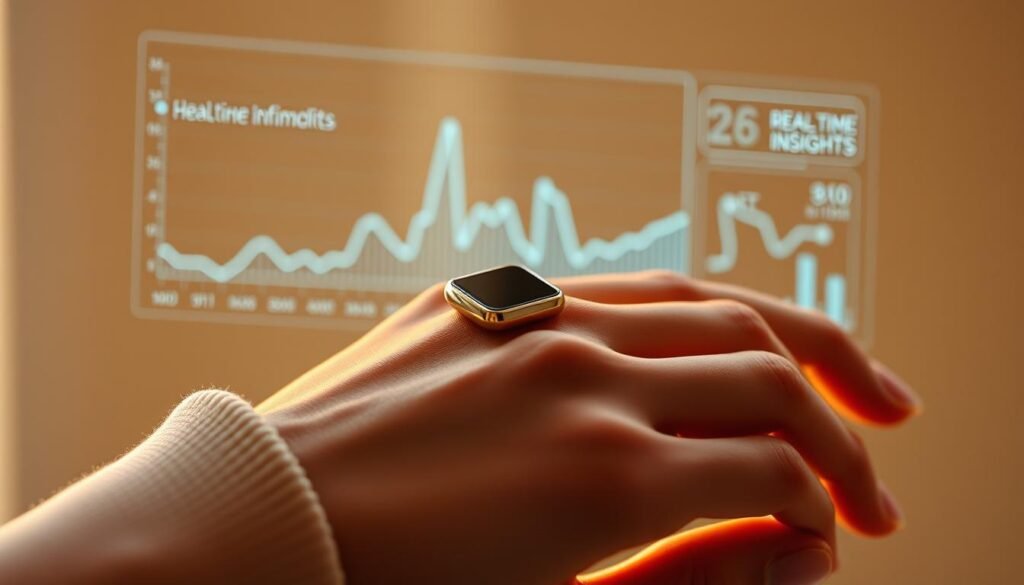
Can a tiny band really change how you understand sleep, cycles, and recovery? This intro looks at the compact tech now worn 24/7 that captures heart rate, HRV, SpO2, and temperature to give daily insights you can act on.
The best smart ring choices in 2025—like Oura Ring 4, Samsung Galaxy Ring, Ultrahuman Ring Air, RingConn Gen 2, and Amazfit Helio Ring—vary by battery, subscription, and comfort. You’ll see which model fits travel, workouts, and long sleep sessions.
Expect clear guidance: whether you need deep sleep analysis, cycle temperature trends, long battery life, or a low-cost option. The companion app turns raw data into usable tips so you can improve rest and recovery fast.
This article will help you match features, pricing, and accuracy to your routine so you can pick the best smart ring without guesswork.
Why smart rings are taking off for women’s wellness right now
Finger-worn devices now offer a low-profile way to gather round-the-clock wellness signals. You get continuous data on sleep, readiness, and temperature with far less screen fatigue than a wristwatch.
Finger sensors pick up strong pulses from arteries, which can improve heart rate and HRV accuracy. That clearer signal helps apps turn raw data into usable insights about recovery and daily energy.
- Continuous metrics without bulk — great if you want 24/7 comfort.
- Temperature trends that support cycle phase and irregularity flags.
- Water-resistant builds and multi-day battery life make real wear easy.
- Polished apps translate night-by-night and month-by-month patterns into tips.
- More models (Oura, Samsung, Ultrahuman, RingConn, Amazfit) mean better choices on price and features.
The bottom line: if you want subtle hardware that gives reliable trend lines, a modern ring can rival wrist wearables and help you act on your routine faster.
How to choose a smart ring for women’s health tracking
Start by matching sensor coverage with the insights you want. Look for steady readings and an app that makes sense to you.
Must‑have sensors
Prioritize heart rate, HRV, blood oxygen, and temperature. These four sensors power sleep, recovery, and cycle insights. Oura and Samsung are often praised for cycle accuracy, while RingConn is known for long battery life.
Cycle, ovulation, and recovery insights
Temperature trends matter. Rings that log nightly temperature shifts can support ovulation signals and flag irregular patterns over months. If cycle awareness is a goal, choose a device with clear trend charts and coaching.
Battery, durability, and comfort
Think about your recharge habits. RingConn Gen 2 can run ~10–12 days; most others last 4–8 days. Titanium shells are common, but dark coatings may scratch. Ultrahuman is ultra-light and very easy to wear, while Helio is budget-friendly with shorter uptime.
- Ensure a snug index-finger fit; free sizing kits help.
- Check app quality and whether the device needs a subscription.
- Balance style and practical features to make 24/7 comfortable wear effortless.
Oura Ring 4: best overall for deep health and cycle insights
If you want comprehensive sleep and cycle context in a low-profile design, the Oura Ring 4 is the model to inspect closely.
Key wins: Oura adds Smart Sensing and recessed sensors in a thinner, lighter shell. The result is more consistent data and comfortable 24/7 wear.
What stands out
The Oura app visualizes deep sleep stages, readiness scores, and long-term trends so you can tweak bedtime and training. Expect up to 8 days battery life, which reduces charging gaps and keeps trend lines intact.
What to consider
Cycle predictions improve after roughly 60 days of wear because temperature trends need time to stabilize. Activity tracking is basic compared to a sport watch, and full access requires a monthly subscription ($5.99/month).
Finishes and fit
Oura comes in sizes 4–15 and finishes like gold, rose gold, silver, black, and stealth. The all‑titanium interior and recessed sensor layout boost comfort, though darker coatings may scuff with heavy use.
- Best-in-class sleep, recovery, and cycle pattern analysis powered by Smart Sensing.
- Digestible insights in the Oura app and a symptom radar that nudges rest when your daytime signals shift.
- Works on iOS and Android and is widely praised for clear, science-backed outputs.
Samsung Galaxy Ring: top pick for Android with no subscription
If you use Android, the galaxy ring gives clear, AI-driven sleep interpretations and a travel-friendly charging case. The device delivers nightly SpO2, menstrual logging, and a daily energy score that blends your sleep and recent activity.
What stands out:
- The samsung galaxy ring uses AI to read breathing, movement, and heart signals for richer sleep tracking.
- Your energy score helps you decide whether to push a workout or prioritize rest.
- The portable charging case makes topping up on the go simple—no bulky cables needed.
Trade‑offs:
- Android-only support and no illness logging or auto-adjusted targets on low-energy days.
- Battery life sits around 6–7 days with standard use.
- Sizes 5–15 and finishes in Titanium Black, Silver, and Gold.
“AI sleep coaching that fits your routine and keeps things subscription-free.”
The ring pairs smoothly with samsung galaxy devices and the app is clean and actionable, making daily insights easy to use. For Android users, this is a top choice among the best smart ring options without a monthly fee.
Ultrahuman Ring Air: lightweight, subscription‑free wellness ring
Ultrahuman’s Ring Air aims to vanish on your finger while delivering clear nightly recovery notes and lifestyle nudges. It weighs about 2.4 g, so you’ll likely forget it’s there and keep steady 24/7 data.
What it does well: the gen air model gives deep sleep summaries and context-rich insights. The companion app adds helpful timing windows—like best sun exposure for Vitamin D and ideal caffeine cutoffs—to shape your day.
- Subscription-free ownership makes long-term use simple and budget-friendly.
- Real-world battery life usually lands around 4–6 days per charge.
- Featherlight fit supports consistent wear and better trend collection.
Watchouts
The workout module is still in Beta and may misjudge intensity, so treat exercise data as provisional. Darker finishes scratch more easily, so avoid heavy contact during chores or weight work.
“A near‑invisible ring that prioritizes sleep and recovery guidance without a monthly fee.”
Choose this ring if you want a wellness-first device that stays out of the way, gives practical daily nudges, and skips subscription hassles. Accuracy will likely improve as the app matures, but current results are strong for sleep and recovery insights.
RingConn Gen 2: long battery life and a great charging case
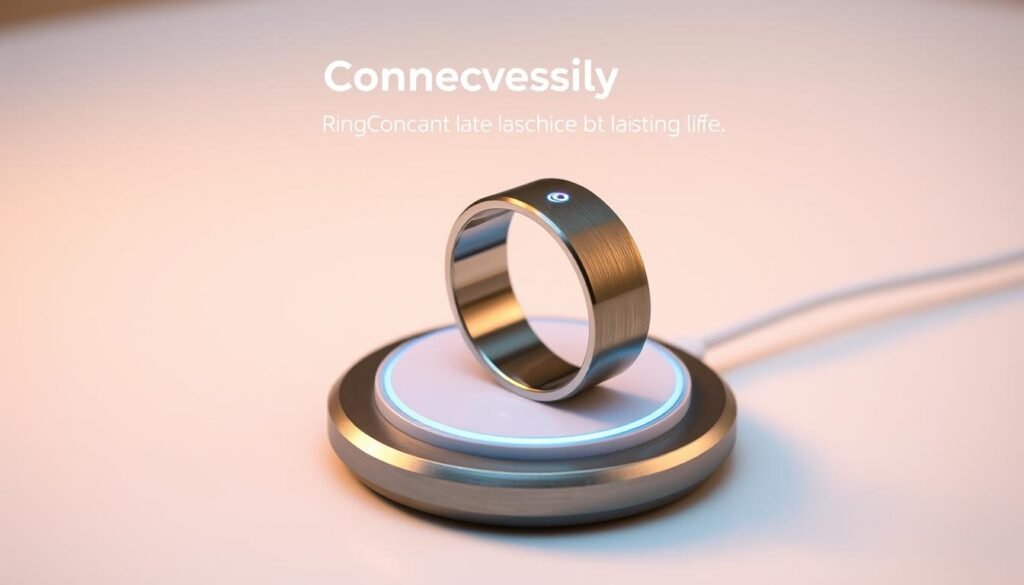
For anyone tired of daily recharging, RingConn Gen 2 delivers marathon uptime and easy charging. The device runs about 10–12 days between charges, so you spend less time plugged in and more time living.
Why you’ll like it
The included charging case is compact and can top the ring up several times before the case itself needs power. The clean app lets you build dashboards that show the metrics you care about each day.
Limitations
Workouts must be started manually, which can be fiddly during quick runs or gym sets. Finish options are limited to gold, silver, and black, though the titanium build stays light and comfy for 24/7 wear.
- Battery life that minimizes downtime and travel fuss.
- Travel-ready charging case with multiple recharges.
- Improved sleep detection and new apnea alerts add depth to nightly data.
- Solid general accuracy for daily wellness, with trade-offs in sport-specific metrics.
Amazfit Helio Ring: budget option with basic women’s health features
If you want essentials without a big spend, Amazfit’s Helio delivers core readiness and sleep insights with no subscription. The helio ring is an affordable entry point that gives you nightly readiness scores, basic sleep summaries, and menstrual logging without monthly fees.
The Helio shines when price matters. It syncs with the Zepp app and can push data to Apple Health or Google Fit, though syncing can be glitchy at times. As a starter option, its accuracy lags behind top-tier rings, but it covers the essentials.
- Good picks: low cost, no subscription, and a simple readiness score.
- Watchouts: only sizes 8, 10, and 12, and battery life averages 3–4 days.
- Limitations: no automatic workout detection and optional paid add-ons can confuse the user experience.
Think of the helio ring as an on-ramp to ring-based wellness rather than a full analytics platform. If you already wear an Amazfit watch, it makes a neat, budget-friendly complement. Otherwise, it’s the best smart budget pick when you want essentials without a steep price or subscription.
“A low-cost option that covers sleep, stress, and readiness—just expect trade-offs in fit and depth.”
smart rings for women’s health tracking: what matters most
When you wear a ring every night, the long view of your physiology becomes clear. Consistent wear turns tiny shifts into reliable signals you can act on.
Temperature trends for cycle predictions and irregularities
Body temperature shifts are central to menstrual cycle models. Nightly temperature variance can hint at ovulation and flag irregular patterns that deserve follow-up.
Favor devices that log steady nightly temperatures and show month-to-month charts. Over several months, your trends become more personalized and more accurate.

Sleep quality shifts across menstrual phases
Expect sleep duration and depth to change across cycle phases. Tracking these patterns helps you plan training, rest, and caffeine timing around predictable highs and lows.
Heart rate and HRV changes driven by hormones
Heart rate and HRV reflect hormonal swings and stress. Look for a ring that surfaces day-by-day and long-term trends so you can adjust activity when readiness drops.
Rings also record blood oxygen and breathing changes overnight. Those extra signals add context to how restorative your sleep truly is.
- Continuous temperature trends unlock better cycle predictions.
- Use trends to plan workouts, nutrition, and caffeine timing.
- Consistent nightly wear and a snug fit improve your data quality.
“The best apps translate these signals into simple insights—shift bedtime or ease intensity when your body asks for it.”
Battery life, charging cases, and real‑world uptime
Real-world uptime matters more than lab numbers — it decides whether you lose nights of data. Pick a device that fits your routine so your logs stay complete and useful.
Who lasts longest: Oura vs Galaxy vs Ultrahuman vs RingConn vs Helio
Quick comparison: RingConn leads with up to 10–12 days of life. Oura typically runs up to 8 days. Samsung sits near a week at about 6–7 days. Ultrahuman averages 4–6 days. Helio is shortest at roughly 3–4 days.
Charging tips to avoid losing health data
Most devices refill in about 1.5–3 hours. A short top-up while you shower or work can prevent nightly gaps.
- If uptime drives your choice: RingConn often tops the charts; Oura and Samsung follow.
- Charging cases—notably with Samsung and RingConn—make travel easier and cut down cable searching.
- Avoid hitting 0%—running out creates breaks in trends and can skew long-term readings.
- The best app notifications warn you before battery drain becomes a problem.
- Consider your stance on subscription features as part of total ownership and convenience.
“Build a short daily or every-other-day charging habit to keep continuous logs without long interruptions.”
Subscriptions vs one‑time purchase: total cost of ownership
Upfront price often feels decisive, but ongoing fees can change the value story. You should tally the device cost plus any ongoing access to see true ownership expenses.
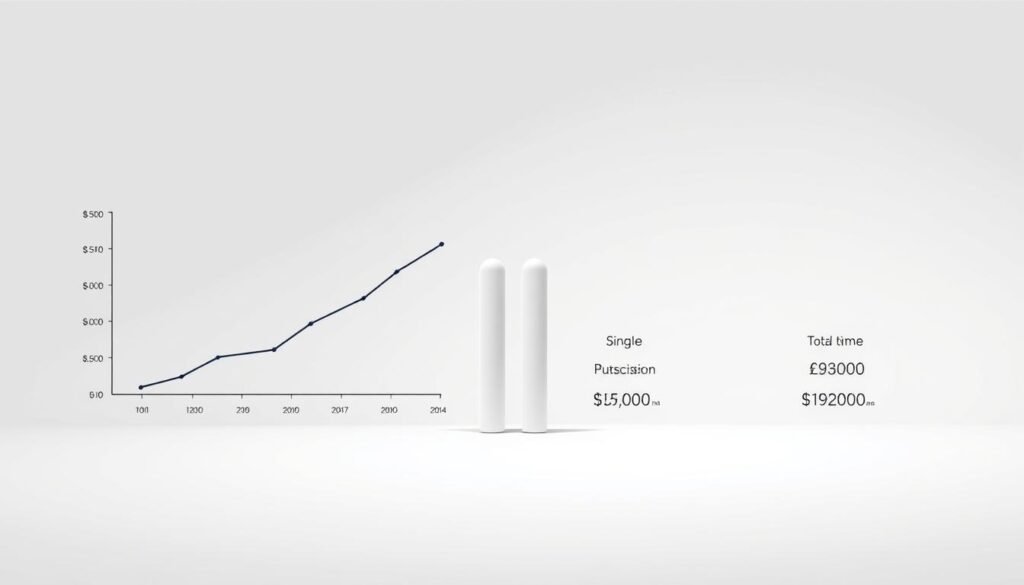
What to expect: Oura charges $5.99/month for full access to its app and advanced trend analysis. That monthly subscription unlocks deeper research-backed insights that many users find useful.
By contrast, Samsung, Ultrahuman, RingConn, and Helio include core features without a subscription. Helio may offer optional paid extras that confuse some buyers, but its essential tracking stays free.
How to weigh costs
- Add hardware + access: include Oura’s fee when you compare total spend.
- Long-term savings: if you wear a ring for years, no-subscription models can save hundreds.
- Value vs use: choose Oura’s membership if you’ll use daily coaching; skip it if you barely open the app.
- Battery and longevity: RingConn’s long uptime may be worth more than extra app features if you hate charging.
- Budget pick: stick to Helio’s core tools and avoid optional add-ons if you want predictability.
“Plan the total cost, not just the sticker price — that helps you pick the best smart option that matches your habits.”
Sizing and comfort: get the right fit for accuracy
A proper fit turns occasional measurements into meaningful trends you can trust.
Why the index finger often wins
Most makers recommend the index finger because pulses are strong there and sensors get more stable contact. The middle or ring finger can work if that fit feels better on your hand.
Free sizing kits and managing daily swelling
Order a free sizing kit and wear the sample ring for 24 hours to see how swelling and activity change fit. Aim for a snug base that keeps sensors steady but is easy to remove when you charge.
- Wear the device on your index finger for the most consistent pulse and best overall accuracy.
- Try the middle or ring finger only if you get a tighter, more stable fit there.
- Use the sizing kit sample for a full day to judge comfort and signal quality.
- A snug base prevents sensor bounce; don’t make it so tight removal becomes a hassle.
- Large knuckles may require testing multiple fingers; a loose base can harm data.
Tip: check the companion app’s fit guides and quick diagnostics. Pair a good fit with a simple charging routine to keep nightly logs continuous and reliable.
Sleep tracking depth: stages, snoring, breathing patterns
Deep nightly analysis now blends stage timing, snore events, and breathing patterns into one clear sleep picture. You want a summary that tells you what happened and suggests a simple next step.
Galaxy Ring leans into coaching with playful visuals and AI. The galaxy ring offers snore detection, sleep “animals,” and a daily Sleep Score that pairs with actionable guidance. It uses on-device AI to surface quick, easy-to-use insights in the app.
Oura Ring favors longitudinal context. The oura ring focuses on stages, readiness, nightly temperature trends, and stress markers so you see week-to-week shifts. Its strength is long-term patterns that explain recurring problems.
- If you want coaching and clear visuals, choose galaxy ring’s snore logging and playful sleep animals.
- If you prefer trend depth, choose oura ring’s stage and temperature focus over months.
- Both devices record SpO2 and breathing changes that add context to sleep quality and cycle-related shifts.
“Consistent wear unlocks far better nightly interpretation—small changes in stress, travel, or routine become obvious over time.”
Ultimately, your choice depends on whether you want instant coaching or granular trend data. Either option helps you fix late caffeine, screen time, or training that fragments sleep.
Workout and activity tracking: what rings do well (and don’t)
Rings shine at recovery, readiness, and sleep analysis, but they are not a full substitute for dedicated fitness trackers when you exercise.
Expect reliable step counts and broad activity scores. Those basics help you see daily movement and general fitness trends.
Advanced sport metrics like GPS pace, live heart‑rate zones, and route maps usually live on a wrist device. If you want real‑time coaching, keep your Apple Watch or favorite sport watch on during workouts.
Steps, movement, manual workouts, and when to keep your smartwatch
Many makers still ask you to start workouts manually. RingConn and Helio require manual entries. Oura keeps activity intentionally basic. Ultrahuman is improving workout analysis but it’s in Beta.
- Strength: excellent nightly recovery context to plan training intensity.
- Limitation: manual logging can be awkward during runs or circuits.
- Use a watch for GPS, live pace, and detailed zones; use a ring for 24/7 recovery and sleep.
- Make sure your app merges data cleanly so you avoid double‑counting steps or calories.
Bottom line: combine devices if you want both precise workout metrics and continuous recovery insight. That pairing gives you a full picture to guide smarter fitness decisions.
Design and durability: finishes, scratches, and rose gold style
A ring’s finish and build decide how it wears day after day. You want a device that looks like jewelry and survives daily life without constant fuss.
All tested models use titanium, which keeps weight low and strength high. Darker color coatings tend to show scuffs faster, so black finishes will visibly age sooner than lighter tones.
Titanium builds, color coatings, and care tips to avoid damage
- Titanium keeps the ring light and durable, but coatings vary — darker finishes scratch more.
- If you love jewelry looks, pick gold or rose gold to blend the device with other pieces; Oura offers both finishes.
- Samsung lists a titanium gold tone; RingConn sticks to classic gold, silver, and black options.
- Remove your ring when lifting weights, gardening, scrubbing sinks, or moving boxes to extend finish life.
- Store the ring in its charging case or a soft pouch during travel; a few scuffs are normal and won’t harm core features.
“A few scuffs are normal with daily wear and don’t affect core performance.”
Smart ring vs smartwatch: which should you wear (or pair) for women’s health?
Pairing a wrist wearable with a discreet finger device often gives the clearest picture of recovery and training. You get the best of both: continuous overnight data from the ring and live workout metrics from the watch.
Best of both: pair with an Apple Watch or Fitbit to cover gaps. Use the watch during runs, gym sessions, and outdoor rides for GPS, live heart zones, and pace. Let the ring stay on while you sleep to capture steady temperature, HRV, and resting heart patterns with less disruption.
How to decide
If you value minimalism, a ring may be enough for daily recovery and simple step counts. If performance metrics matter, keep your Apple Watch or favorite fitness tracker during workouts.
- Passive advantage: a ring excels at sleep, stress, and recovery with superior comfort.
- Active advantage: a smartwatch delivers GPS, live metrics, and richer workout tools.
- Practical tip: charge the watch while your ring logs overnight—this prevents data gaps and keeps your app insights continuous.
Quick comparisons: best smart, best sleep, best battery, best budget
If you need a fast guide to the leaders, this short comparison highlights the top picks by use case.
Best overall: Oura Ring 4
Best overall – Oura Ring 4: unmatched trend depth, refined sensors, and an ecosystem built to change daily habits. The oura ring shines when long-term temperature and sleep trends matter.
Best for sleep: Samsung Galaxy Ring
Best sleep – Samsung Galaxy Ring: AI-backed coaching, snore logging, and a portable charging case make this galaxy ring a sleep powerhouse without a subscription.
Best battery: RingConn Gen 2
Best battery – RingConn Gen 2: up to 10–12 days per charge and an excellent case keep your logs continuous on long trips. Choose this device if uptime matters most.
Best budget: Amazfit Helio Ring
Best budget – Amazfit Helio Ring: core sleep and readiness at a low price, with trade-offs in sizes and shorter battery life.
Best subscription‑free wellness: Ultrahuman Ring Air
Best subscription-free wellness – Ultrahuman Ring Air: ultra-light ring air design with recovery notes and timing tips. It’s ideal if you dislike memberships but want useful daily insights.
- If cycle accuracy is key, oura ring and samsung galaxy ring lead with temperature-driven insights.
- Android users who avoid fees will like the galaxy ring balance of depth and value.
- RingConn excels when you want fewer charges and simple wellness signals.
- Start with helio ring if you’re testing the category on a budget; upgrade later.
“Match a device to your daily routine—sleep coaching, battery life, or long-term trends will guide the best pick.”
Conclusion
You now see how trade‑offs shape the best pick: deep trends (Oura with membership), AI sleep coaching without a subscription (Samsung on Android), marathon uptime (RingConn), featherlight wear (Ultrahuman), or a budget start (Helio). ,
You should choose the device that fits your routine. Prioritize temperature and HR/HRV if cycle and recovery matter. Pick a companion app you will open and a charging habit that keeps nightly data complete.
Pair a ring with your smartwatch during workouts to get GPS and live metrics while the finger device handles round‑the‑clock recovery and sleep signals. With steady wear, your personalized insights get sharper—so pick one, commit to consistent use, and let the devices help you plan rest, training, and daily life.
FAQ
What sensors should you prioritize when choosing a ring for menstrual and overall wellness?
Look for reliable heart rate, HRV, SpO2 (blood oxygen), and continuous skin temperature sensors. These give you cycle phase signals, recovery status, and breathing or oxygen drops during sleep. Also check battery life and whether the vendor offers an app with clear temperature and cycle trend views.
How accurate are rings compared with an Apple Watch or chest strap for heart rate and sleep?
Rings like Oura and Samsung Galaxy provide excellent overnight heart-rate and sleep-stage trends because they sit on the finger, where blood flow is steady. For high-intensity HR or real-time heart-rate zones, a chest strap or wristwatch with ECG tends to be more accurate. For long-term sleep and temperature trends, rings often outperform wrist wearables.
Do any of these devices predict ovulation or provide cycle insights?
Yes. The Oura Ring 4, Ultrahuman Ring Air, and several apps use temperature trends, HRV shifts, and period inputs to predict fertile windows and ovulation. Accuracy improves when you log cycles manually and wear the device consistently overnight.
How long does battery last on top models and which charges fastest?
Typical real-world runtimes: Oura Ring 4 about 7–8 days, RingConn Gen 2 up to 12 days, Ultrahuman Ring Air around 5–7 days, and Amazfit Helio roughly 3–4 days. Samsung Galaxy Ring sits near Oura. Charging cases speed up recharges and add one or two full charges on the go.
Are subscription fees required to get full insights?
It depends. Oura now includes advanced insights behind a membership, while Samsung Galaxy Ring and RingConn generally offer rich features without monthly fees. Ultrahuman and Amazfit tend to be subscription-free but may offer paid add-ons. Consider total cost of ownership when comparing.
Which ring is best if you use Android instead of iPhone?
Samsung Galaxy Ring integrates tightly with Android and offers strong sleep analysis and an energy score without a subscription. Many other rings work with Android too, but check app compatibility and features before buying.
How durable are finishes like rose gold, gold, or black titanium?
Titanium builds resist bending, but plated finishes can scratch or wear over time—Ultrahuman Ring Air is known to scratch more easily. Choose a stealth or raw titanium finish if you want minimal visible wear, and use a charging case or soft pouch for storage.
Will a ring fit if my fingers swell during the day or pregnancy?
Many brands offer free sizing kits and sizes ranging widely (Oura sizes 4–15). If you swell, you may prefer wearing the ring overnight on an index or middle finger and swapping fingers during the day. Proper fit is key for accurate readings.
Can you wear a ring 24/7 while working out, showering, or sleeping?
Most modern rings are water resistant and safe for showers and sweat, but contact sports or heavy impact can risk damage. For accuracy, wear it continuously including sleep. Remove it during activities that cause constant abrasion or contact with chemicals.
How do rings measure skin temperature and why does that matter?
Rings use localized skin temperature sensors to detect small nightly shifts. Those trends help predict menstrual phases, spot irregularities, or detect early signs of illness. Nightly consistency in wear improves the quality of these trends significantly.
Do you need to pair a ring with a smartwatch like an Apple Watch for full coverage?
Not necessarily. Rings excel at sleep, temperature, HRV, and long-term recovery insight. Pairing with an Apple Watch or Fitbit adds real-time workout metrics, GPS, and on-wrist coaching. If you want both recovery and live fitness data, use them together.
What are common app limitations to watch out for?
Watch for apps that hide advanced metrics behind paywalls, have clunky onboarding, or lack cycle-specific visualizations. Some budget options have weaker connectivity or slower sync. Read recent app reviews and try demos when possible.
How do you care for a ring to maximize lifespan and accuracy?
Clean it regularly with a soft cloth, avoid harsh chemicals, keep firmware updated, and store it in the charging case when not in use. Avoid heavy knocks and follow manufacturer guidance on charging and water exposure.
Which ring is best if you want long battery life and no subscription?
RingConn Gen 2 offers some of the longest battery life without requiring a monthly fee. If battery longevity and a single upfront purchase matter most, it’s a strong choice to consider alongside Amazfit Helio for budget buyers.
Can rings detect breathing issues like sleep apnea or snoring?
Some rings infer breathing irregularities through overnight SpO2 drops, heart-rate patterns, and movement, but they aren’t diagnostic. If you suspect sleep apnea, use clinical testing or consult your clinician—rings can prompt you to seek professional evaluation.