
Ever wonder why you wake up feeling irritable after a restless night? The link between rest and emotional well-being is stronger than you might think. Midlife brings unique challenges, and poor sleep quality can make them worse.
Studies show that 75% of people with depression struggle with nighttime issues. The reverse is also true—insomnia can increase the risk of low moods tenfold. Stress, like the kind many faced during the pandemic, only adds to the problem.
The good news? Addressing one issue often helps the other. Simple changes, like improving bedtime habits, can make a big difference. Later, we’ll explore proven methods to boost both rest and emotional health.
The Science Behind the Sleep and Mood Connection
Nightly rest isn’t just downtime; it’s when your brain fine-tunes emotional balance. During these hours, your mind consolidates memories and regulates serotonin, a key neurotransmitter for well-being. Without enough rest, this reset falters.
Your Brain’s Nightly Therapy Sessions
Two stages dominate emotional health: REM and slow-wave sleep. REM acts like a therapist, processing daily experiences. Slow-wave rest repairs cognitive resources, like a system reboot.
Columbia University research found that skipping REM leaves you reactive to stress. Just one disrupted night amplifies negative feelings by 60%.
How Depression Disrupts the Cycle
Depression shortens slow-wave rest, reducing resilience. Stress hormones rise, creating a loop of fatigue and emotional strain. Aim for 7–9 hours to maintain equilibrium.
| Sleep Stage | Function | Impact When Disrupted |
|---|---|---|
| REM | Processes emotions | Increased irritability |
| Slow-Wave | Restores cognition | Poor stress management |
Prioritizing quality rest isn’t just about energy—it’s emotional first aid. Small tweaks to your routine can protect both mind and mood.
How Poor Sleep Triggers Mood Problems
Waking up groggy isn’t just about fatigue—it reshapes your entire day emotionally. When rest falters, your brain struggles to regulate feelings, amplifying stress and negativity. Let’s explore how specific sleep disorders fuel this cycle.
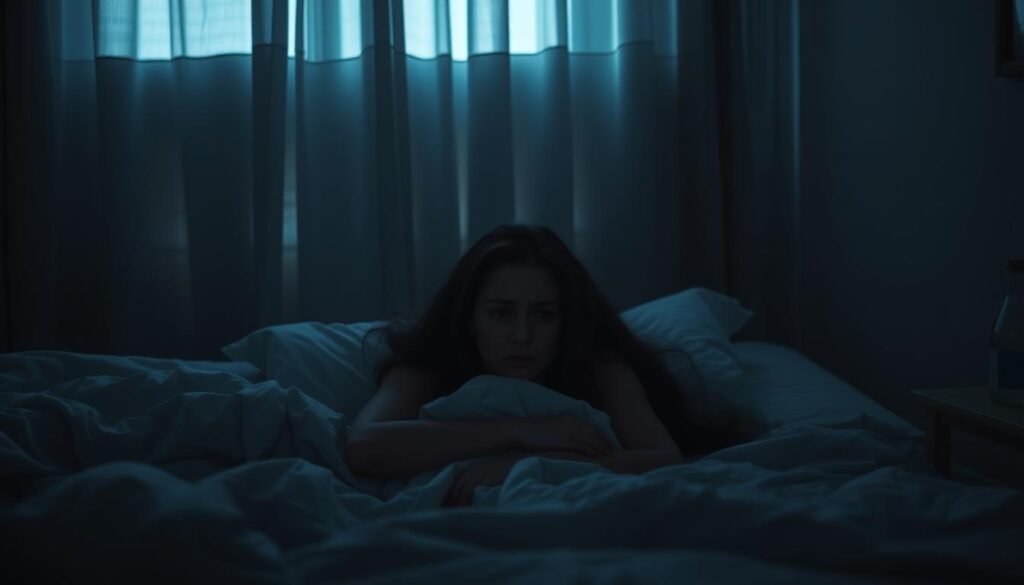
Insomnia’s Link to Depression and Anxiety
Struggling to fall or stay asleep? Chronic insomnia makes you 10 times more likely to develop depression. Fragmented rest prevents your brain from processing emotions overnight, leaving you reactive.
Research shows that missing deep rest reduces serotonin, a key chemical for stability. This creates a loop: poor rest worsens low moods, which then disrupts rest further.
Sleep Apnea and Emotional Instability
Sleep apnea doesn’t just interrupt breathing—it starves your brain of oxygen. Morning headaches and mood crashes are common symptoms. The condition raises depression risk fivefold.
Repeated awakenings prevent the emotional “file sorting” your brain needs. Over time, this erodes patience and sharpens irritability.
Daytime Sleepiness and Irritability
Ever snapped at a coworker after a bad night? Fatigue shortens your fuse. A West Point study found that sleep-deprived people make 40% poorer decisions under stress.
- Chronic tiredness strains relationships
- 56% of Americans reported worse rest during the pandemic
- Ongoing fatigue often precedes a depression diagnosis
Prioritizing getting enough sleep isn’t a luxury—it’s emotional maintenance. Small fixes, like a consistent bedtime, can shield your mind.
How Mood Disorders Worsen Sleep
Your mood doesn’t just affect your day—it rewires your nights too. When depression or anxiety take hold, they alter your brain’s ability to rest deeply. This creates a vicious cycle: poor emotional health disrupts rest, and fragmented rest worsens mood.

Depression’s Grip on Deep Sleep
Depression reduces slow-wave rest by 30–50%, robbing your brain of critical recovery time. Without this phase, emotional resilience plummets. Many wake abruptly at 4 AM, unable to fall back asleep—a hallmark of mood-related sleep disruption.
Stress Hormones and Nighttime Battles
Cortisol spikes from chronic stress keep your body alert when it should unwind. Columbia researchers found that nighttime rumination—replaying worries—predicts next-day emotional fragility. This explains why you might feel “on edge” after a restless night.
The Anxiety Paradox: Tired but Wired
Anxiety tricks your brain into a hyper-alert state. Even exhausted, racing thoughts make falling asleep impossible. Some antidepressants (SSRIs) improve mood but not rest quality, leaving you caught in limbo.
| Mood Disorder | Sleep Impact | Common Symptoms |
|---|---|---|
| Depression | Reduced slow-wave rest | Early morning awakenings |
| Anxiety | Delayed sleep onset | Nighttime rumination |
| Chronic Stress | Frequent awakenings | Elevated cortisol levels |
Untreated mood disorders can permanently alter rest patterns. If you’ve noticed persistent trouble sleeping, consider discussing treatment options with your doctor. Small steps—like limiting screen time before bed—can help break the cycle.
Pandemic Stress and ‘Coronasomnia’
The pandemic didn’t just change how we live—it rewired how we rest. Suddenly, bedrooms became offices, and screens replaced sunset routines. For many, this blur of boundaries led to coronasomnia, a term coined for COVID-era sleep disorders.
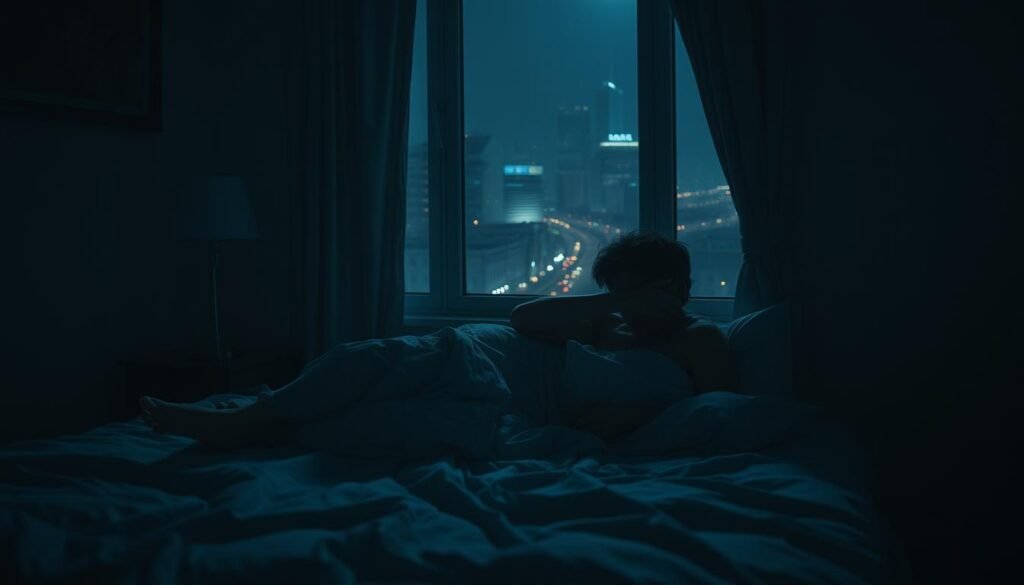
How COVID-19 disrupted sleep routines
Working from home erased the commute that once signaled the day’s end. Without this natural wind-down, 70% of 35–44-year-olds developed new rest problems, per a 2021 study. Late-night “doomscrolling” through newsfeeds further delayed bedtime, reducing exposure to daylight—a key regulator of circadian rhythms.
The surge in insomnia and psychological distress
Global insomnia rates doubled, with 1 in 3 adults affected. Financial stress fueled 3 AM worry cycles, while isolation cut social cues that stabilize rest. Research in Sleep Medicine found 20% developed clinical insomnia, linking it to twice the psychological distress.
| Pandemic Factor | Sleep Impact | Emotional Toll |
|---|---|---|
| WFH Boundaries | Reduced sleep drive | Higher irritability |
| Doomscrolling | Delayed bedtime | Increased anxiety |
| Financial Stress | Frequent awakenings | 2x distress risk |
Small ways to reclaim rest—like setting screen curfews—can break this cycle. Next, we’ll explore actionable fixes to restore balance.
How to Improve Sleep and Mood Together
Breaking the cycle of restless nights and low spirits starts with targeted strategies. Research shows that combining rest and emotional treatment boosts remission odds by 58%. The good news? Simple tweaks can reset both.
CBT-I: The Gold Standard for Insomnia
Cognitive Behavioral Therapy for Insomnia (CBT-I) helps 80% of patients within six sessions. It trains your brain to reframe anxious thoughts about sleeplessness. For example, fearing “I’ll never rest” becomes “I’ve slept well before.”
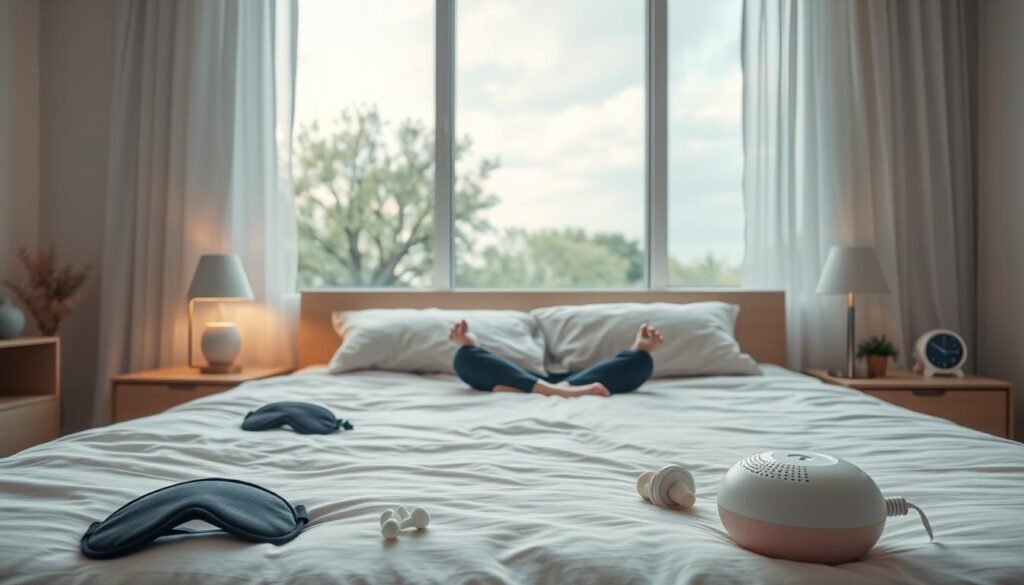
Sleep Hygiene Tweaks for Better Emotional Health
Small changes make big impacts. Keep your bedroom at 65°F and ban devices an hour before bed. Consistency matters—waking at 7 AM daily anchors your circadian rhythm better than supplements.
- Calculate sleep efficiency: (Hours asleep ÷ Hours in bed) × 100. Aim for 85%+.
- Darken your room completely; even dim lights disrupt melatonin.
When to Talk to Your Doctor
Seek help if you notice gasping, leg jerks, or taking 30+ minutes to fall asleep. Specialists recommend evaluation after three weeks of poor rest. Early intervention prevents long-term cycles.
| Red Flag | Possible Condition | Next Steps |
|---|---|---|
| Gasping at night | Sleep apnea | Consult a doctor for a sleep study |
| Frequent leg movements | Restless leg syndrome | Discuss iron levels |
Conclusion
Quality rest is the unseen foundation of emotional resilience. In midlife, prioritizing your sleep is as vital as diet or exercise for overall health. Small nightly improvements—like a cooler room or screen-free wind-down—compound over weeks.
Treat rest issues seriously. They predict how you navigate life’s stresses. A consistent routine isn’t just about feeling rested; it’s about waking up happier and more balanced.
Your best emotional reset starts tonight. Take one step—turn off devices earlier or dim the lights. Tomorrow’s brighter mood begins now.
FAQ
How does poor rest affect my emotions during the day?
Not getting enough shut-eye can make you feel irritable, anxious, or even sad. Your brain struggles to regulate feelings when it doesn’t recharge properly at night.
Can depression make it harder to stay asleep?
Yes. Depression often disrupts your ability to fall or remain asleep. It can also reduce deep restorative phases, leaving you exhausted even after hours in bed.
What’s the best way to break the cycle of stress and sleeplessness?
Cognitive Behavioral Therapy for Insomnia (CBT-I) helps retrain your mind and body. Simple habits like a consistent bedtime routine also ease tension.
Does sleep apnea impact mental health?
Absolutely. Frequent nighttime awakenings from breathing pauses spike stress hormones. This can lead to mood swings, frustration, or even long-term anxiety.
How did the pandemic worsen sleep issues?
“Coronasomnia” spiked due to disrupted schedules, heightened worry, and reduced sunlight exposure. Many people reported trouble falling asleep or waking up too early.
When should I see a doctor about my sleep problems?
If poor rest affects your daily life for over a month, consult a specialist. Persistent fatigue, low motivation, or emotional outbursts are key warning signs.