

Ever wondered why your appearance seems to change after 35? It’s not just you. Hormonal shifts, slower cell turnover, and environmental stressors can all play a role. These factors often lead to dullness, dryness, and visible signs of aging.
But here’s the good news: a tailored approach can make all the difference. Think of it like layering butter on toast—each step builds on the last to create a radiant, healthy look. Studies, like one from La Roche Posay, show that reactive tendencies increase with age, making a personalized plan essential.
Lifestyle choices, such as managing stress and protecting against pollution, also impact how you look. With the right guidance, you can transform your daily habits into a powerful tool for maintaining your glow. Ready to dive into a 15-step guide designed just for you? Let’s get started.
Key Takeaways
- Hormonal changes and slower cell turnover affect your appearance after 35.
- Environmental factors like stress and pollution can accelerate visible aging.
- A tailored approach helps combat dullness and dryness effectively.
- Layering products correctly enhances their benefits, like butter on toast.
- Professional guidance ensures long-term results for persistent issues.
Why a Skincare Routine for 35+ Women is Essential
The years after 30 bring noticeable shifts in how your body responds to external and internal factors. These changes can impact your appearance, making a tailored approach essential. Understanding these shifts helps you adapt your habits for lasting results.
Understanding the Changes in Your Skin
Collagen and elastin, the proteins responsible for firmness, decrease by about 1% each year after 30. This natural process leads to a loss of elasticity and visible signs of aging. Cumulative UV exposure also becomes more apparent, highlighting the importance of sun protection.
Hormonal shifts, particularly during perimenopause, can cause new patterns of dryness or oiliness. Stress from career and family pressures further compounds these effects. According to Dr. Scrivener, slower cell turnover means your body takes longer to repair itself, making consistent care crucial.
For example, micellar water might have been enough in your 20s, but your 30s demand more targeted solutions. These changes aren’t just superficial—they reflect deeper shifts in your body’s resilience.
| Change | Impact |
|---|---|
| Collagen Loss | Reduced firmness and elasticity |
| UV Damage | Visible sunspots and uneven tone |
| Hormonal Shifts | New dryness or oiliness patterns |
| Slower Cell Turnover | Delayed repair and dullness |
By addressing these changes proactively, you can maintain a radiant and healthy appearance. A well-structured skincare routine tailored to your needs is the key to navigating this phase with confidence.
Step 1: Start with a Gentle Cleanser
Your journey to radiant health begins with a gentle cleanser. This step is crucial because it removes dirt, oil, and impurities, preparing your face for the next steps in your care plan. Think of it as the foundation of a house—without it, everything else can crumble.
Why Cleansing is the Foundation of Your Routine
Cleansing is more than just washing your face. It’s about maintaining balance. Over time, pollutants and makeup can clog pores, leading to dullness and breakouts. A good cleanser ensures your face is clean without stripping away natural oils.
Caroline Hirons, a renowned expert, advises against makeup wipes. They often leave residue and can irritate. Instead, opt for a pH-balanced formula that suits your needs. This helps maintain your face’s natural barrier, keeping it healthy and resilient.
Choosing the Right Cleanser for Your Needs
Not all cleansers are created equal. Cream textures work well for dry types, while gel formulas are better for oily faces. If you’re unsure, try the CeraVe Hydrating Cleanser. It’s infused with ceramides, which help restore and protect your face’s barrier.
Here’s a quick guide to help you decide:
| Type | Best Cleanser |
|---|---|
| Dry | Cream-based, hydrating formulas |
| Oily | Gel or foaming cleansers |
| Sensitive | Fragrance-free, pH-balanced options |
Remember, avoid harsh ingredients like SLS or sulfates. They can strip natural oils, leaving your face dry and irritated. Also, don’t over-cleanse—twice a day is enough. Overdoing it can damage your barrier, leading to more problems.
Take your time when cleansing. Massage the product into your face for at least two minutes. This ensures thorough cleaning and boosts circulation, giving you a fresh, glowing look.
Step 2: Exfoliate to Remove Dead Skin Cells
Exfoliation is a game-changer for achieving a radiant look. It helps remove dead skin cells, revealing the fresher, healthier layer beneath. This step is essential for maintaining a smooth and glowing complexion.
How Exfoliation Helps Your Complexion Glow
Exfoliation works by sloughing off the top layer of dead skin cells. This process allows your products to penetrate deeper, making them more effective. It also boosts circulation, giving you a natural, healthy glow.
There are two main types: chemical and physical. Chemical exfoliants, like AHAs and BHAs, dissolve dead cells gently. Physical exfoliants use small particles to scrub them away. For aging concerns, AHAs like glycolic acid are particularly effective.
How Often Should You Exfoliate?
Frequency depends on your needs and the product you use. Generally, 2-3 times a week is ideal. Overdoing it can lead to redness and tightness, so listen to your body.
Seasonal adjustments are also important. In winter, reduce frequency to avoid dryness. Always follow up with hydrating serums to maintain balance.
| Type | Best Product |
|---|---|
| Chemical Exfoliant | REN Glycol Lactic Radiance Renewal Mask |
| Gentle Exfoliant | Drunk Elephant T.L.C. Framboos Serum |
Remember, patch test new products before full application. This ensures compatibility and prevents irritation. Night-only application with recovery days is recommended for best results.
Step 3: Tone to Balance Your Skin
Toning is the unsung hero of a balanced and glowing complexion. Often overlooked, this step helps restore your face’s natural pH after cleansing. It also preps your face for the next steps in your care plan, ensuring maximum absorption of skincare products.
The Role of Toners in Your Routine
Modern toners are far from the harsh astringents of the past. Today, they’re designed to hydrate, soothe, and protect. “A good toner can make or break your routine,” says a leading expert. They remove any leftover impurities while restoring moisture balance.
Hydrating toners, like the Elemis Soothing Apricot Toner, are packed with antioxidants. These ingredients strengthen your face’s barrier, keeping it resilient against environmental stressors. For best results, apply with a cotton pad or gently pat it in with your hands.
Selecting a Toner That Works for You
Choosing the right toner depends on your specific needs. Avoid alcohol-based formulas, as they can strip natural oils. Instead, opt for PH-balancing options with ingredients like rosewater for redness or witch hazel for pores.
Here’s a quick guide to help you decide:
| Concern | Best Toner |
|---|---|
| Redness | Rosewater-based toners |
| Pores | Witch hazel formulas |
| Hydration | PH-balancing toners with antioxidants |
Wait a minute or two before moving to the next step. This allows the toner to fully absorb. Whether you choose budget-friendly or luxury options, consistency is key to seeing results.
Step 4: Hydrate with a Serum
Serums are the secret weapon for achieving a radiant and youthful look. Packed with potent ingredients, they penetrate deeper than other skincare products, delivering targeted results. Whether you’re addressing fine lines, dryness, or uneven tone, serums are a must-have in your care plan.
Why Serums are a Game-Changer
Serums are lightweight yet powerful. Their small molecular weights allow them to reach deeper layers, making them more effective than creams or lotions. “Serums are like a concentrated boost for your face,” says a leading expert. They address specific concerns, from hydration to anti-aging, with precision.
For example, the Drunk Elephant C-Firma Fresh Day Serum is rich in vitamin C, brightening your complexion and protecting against environmental damage. Similarly, the Medik8 Crystal Retinal 3 uses retinaldehyde to reduce fine lines and improve texture. These products are designed to work fast, giving you visible results in weeks.
Choosing the Right Serum for Your Concerns
Selecting the perfect serum depends on your needs. For hydration, look for hyaluronic acid. For anti-aging, retinol or polyphenol-rich formulas like the Grapey Anti-Age cream are ideal. If you have sensitive skin, opt for gentler alternatives like bakuchiol.
Here’s a quick guide to help you decide:
| Concern | Best Serum |
|---|---|
| Hydration | Hyaluronic Acid Serums |
| Anti-Aging | Retinol or Polyphenol Formulas |
| Sensitivity | Bakuchiol Serums |
Apply serums after cleansing and toning but before moisturizing. This ensures maximum absorption. Store them in a cool, dark place to preserve their active ingredients. With the right serum, you’ll notice a visible difference in your glow.
Step 5: Moisturize to Lock in Hydration
Moisturizing is the cornerstone of maintaining a healthy and radiant look. It’s not just about adding moisture—it’s about sealing it in to keep your face soft and supple. This step is especially crucial as you age, when natural hydration levels tend to drop.
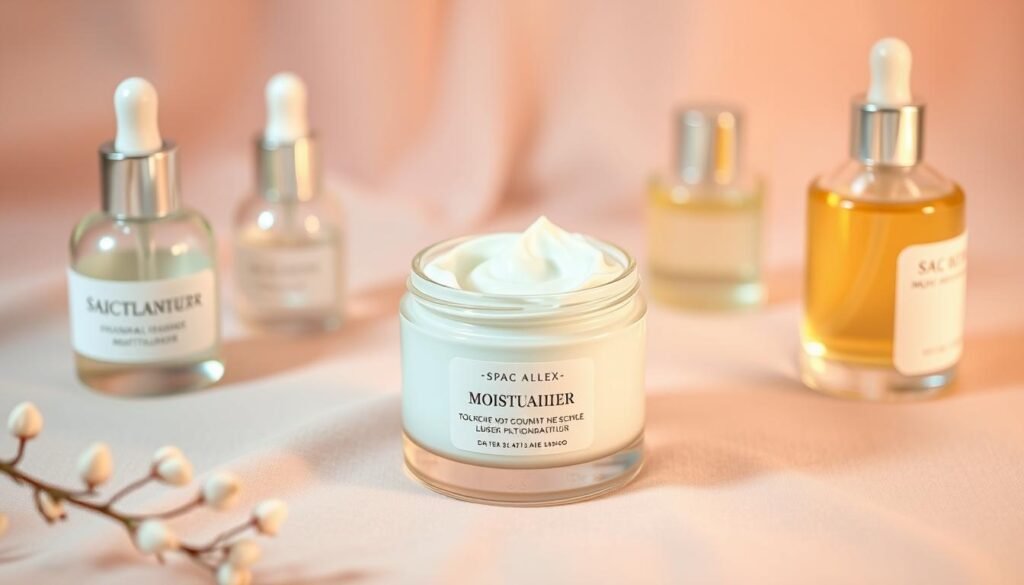
The Importance of Moisturizing for Mature Skin
As you get older, your face loses its ability to retain moisture. This can lead to dryness, flakiness, and even fine lines. A good moisturizer helps restore balance by replenishing hydration and strengthening your natural barrier. “Think of it as a protective shield,” says a leading expert.
Occlusive ingredients like shea butter or ceramides are particularly effective. They prevent transepidermal water loss, keeping your face hydrated throughout the day. For best results, apply moisturizer to your neck and chest as well—these areas often show signs of aging first.
Finding the Perfect Moisturizer
Choosing the right product depends on your needs and the time of day. Day creams often include SPF for added protection, while night creams focus on repair and renewal. Gel-based formulas, like the Belif Aqua Bomb, are ideal for combination types, offering lightweight hydration without clogging pores.
If you notice tightness or flakiness, it’s a sign you need a richer formulation. Products like the Filorga Time-Filler 5XP are packed with anti-aging ingredients to address multiple concerns. For a budget-friendly option, try the Simple Soothing Water Cream—it’s gentle yet effective.
| Skin Type | Best Moisturizer |
|---|---|
| Dry | Filorga Time-Filler 5XP |
| Combination | Belif Aqua Bomb |
| Sensitive | Simple Soothing Water Cream |
Don’t forget to adapt your products to the climate. In winter, opt for richer creams, while lightweight gels work better in summer. Mixing a few drops of oil with your moisturizer can also boost hydration for an extra glow.
Step 6: Protect Your Skin with SPF
Shielding your face from the sun is more than just a summer essential—it’s a daily must. Harmful UV rays can cause long-term damage, even on cloudy days. Studies show that 80% of UV exposure occurs before the age of 18, but that doesn’t mean it’s too late to start protecting yourself.
Why Sun Protection is Non-Negotiable
Sun exposure is the leading cause of premature aging, dark spots, and even more serious concerns. “SPF is your first line of defense,” says a leading expert. Without it, your other products won’t work as effectively. Daily use of sunscreen can prevent up to 90% of visible aging caused by the sun.
UV rays are present year-round, not just in summer. They penetrate windows and reflect off surfaces like snow and water. This means you need protection every day, regardless of the weather. A broad-spectrum SPF shields against both UVA and UVB rays, ensuring comprehensive coverage.
How to Choose the Right Sunscreen
Not all sunscreens are created equal. Mineral formulas, like zinc oxide, sit on the surface and reflect rays. Chemical options absorb UV light and convert it into heat. Both have pros and cons, so choose based on your preferences and needs.
For example, Supergoop! Unseen Sunscreen is a lightweight, chemical option that works well under makeup. Anthelios SPF 50 offers mineral protection with a matte finish, ideal for oily types. Here’s a quick guide to help you decide:
| Type | Best Use |
|---|---|
| Mineral | Sensitive or acne-prone types |
| Chemical | Everyday wear under makeup |
| Water-Resistant | Workouts or outdoor activities |
Reapply every two hours, especially if you’re outdoors. For makeup wearers, use a spray or powder SPF for touch-ups. Don’t forget areas like your ears, neck, and scalp—they’re often overlooked but just as vulnerable.
Pair your sunscreen with antioxidant serums for added protection. Ingredients like vitamin C neutralize free radicals, boosting your defense against environmental stressors. With the right SPF, you’ll keep your face healthy and radiant for years to come.
Step 7: Incorporate Anti-Aging Products
As you age, your needs evolve, and so should your approach to care. Anti-aging products are designed to address specific concerns, from fine lines to loss of elasticity. With the right ingredients, you can maintain a youthful and radiant appearance.
Retinol: A Must-Have for Aging Skin
Retinol is a powerhouse ingredient for combating visible signs of aging. It boosts cell turnover, reduces fine lines, and improves texture. “Retinol is the gold standard for anti-aging,” says a leading expert. Start with a low concentration, like Drunk Elephant A-Passioni Retinol, and gradually increase as your tolerance builds.
For sensitive users, the sandwich method works well. Apply a moisturizer first, then retinol, and finish with another layer of moisturizer. This minimizes irritation while maximizing benefits. Prescription retinoids offer stronger results, but over-the-counter options are a great starting point.
Other Anti-Aging Ingredients to Look For
If retinol isn’t for you, alternatives like bakuchiol provide similar benefits without the sensitivity. Grape seed oil is another excellent choice, packed with antioxidants to protect and nourish. Peptide-moisturizer combinations also work wonders, promoting collagen production for firmer, smoother results.
Advanced options include growth factor serums and copper PCA, which enhance elasticity and repair. LED light therapy devices are gaining popularity for their non-invasive approach to reducing fine lines. Here’s a quick guide to help you decide:
- Retinol: Best for fine lines and texture improvement.
- Bakuchiol: Gentle alternative for sensitive types.
- Peptides: Ideal for boosting collagen.
- LED Therapy: Non-invasive option for reducing lines.
By incorporating these products into your routine, you’ll notice a visible difference over time. Consistency is key to achieving long-lasting results.
Step 8: Don’t Forget the Eye Area
The eye area is one of the first places to show signs of aging, making it a priority in your care plan. This delicate region is thinner and more prone to dryness, puffiness, and fine lines. Without proper attention, it can reveal more than you’d like.
Why Eye Creams are Essential
Eye creams are specially formulated to address the unique needs of this area. They’re lighter than regular moisturizers and packed with ingredients like caffeine, hyaluronic acid, and peptides. These components work together to reduce puffiness, hydrate, and smooth fine lines.
For example, caffeine helps constrict blood vessels, reducing dark circles. Hyaluronic acid locks in moisture, while peptides boost collagen production. “Using the right eye cream can make a visible difference in just weeks,” says a leading expert.
How to Apply Eye Cream Correctly
Application technique matters. Instead of rubbing, gently pat the product around the orbital bone using your ring finger. This prevents tugging, which can lead to irritation or wrinkles. Cooled applicators can also help reduce puffiness.
If you’re concerned about milia, opt for lightweight, non-comedogenic formulas. For daytime, choose a cream with SPF to protect your eyelids from UV damage. Night masks can provide extra hydration while you sleep.
Here’s a quick guide to choosing the right eye cream:
- Puffiness: Look for caffeine-based formulas.
- Dark Circles: Vitamin K or brightening ingredients work best.
- Fine Lines: Peptides and retinol are effective.
By incorporating these tips, you’ll keep your eye area looking fresh and youthful. Remember, consistency is key to seeing results.
Step 9: Nighttime Routine for Skin Repair
Your nighttime habits play a crucial role in maintaining a radiant appearance. While you sleep, your body enters a natural repair process, making this the perfect time to support its efforts. A well-structured skincare routine before bed can amplify these benefits, leaving you refreshed and glowing by morning.
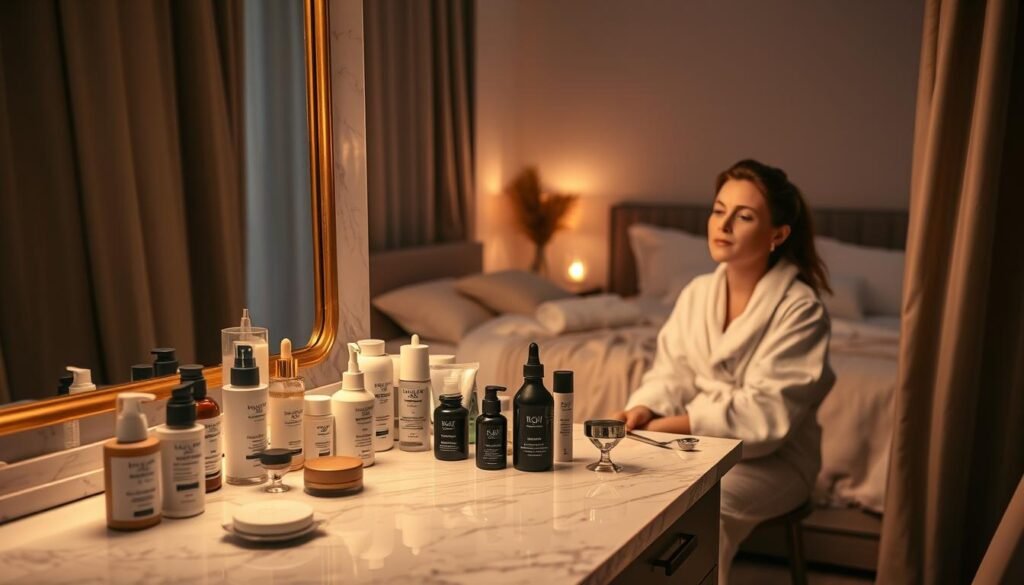
The Importance of Night Creams
Night creams are specially formulated to work with your body’s repair cycle. They often contain richer, more nourishing ingredients that penetrate deeply while you sleep. “Nighttime is when your face can truly absorb and benefit from active ingredients,” says a leading expert. Products like the Caudalie Resveratrol-Lift Cream are designed to firm and hydrate, giving you visible results overnight.
Occlusive sleeping masks, such as the Farmacy Sleep Tight Balm, create a protective barrier to lock in moisture. This is especially helpful in dry climates or during colder months. Pairing these with a silk pillowcase can reduce friction, preventing wrinkles and keeping your face smooth.
Products to Use Before Bed
Your nighttime plan should include targeted treatments for specific concerns. For example, overnight lip treatments can hydrate and plump, while neck and hairline applications ensure even care. Here’s a quick guide to building your evening routine:
| Concern | Best Product |
|---|---|
| Hydration | Caudalie Resveratrol-Lift Cream |
| Repair | Farmacy Sleep Tight Balm |
| Anti-Aging | Retinol-based Night Creams |
Consistency is key. Set an alarm reminder to stick to your routine. By dedicating a few minutes each evening, you’ll wake up to a healthier, more radiant look every day.
Step 10: Weekly Treatments for Extra Care
Weekly treatments can take your care plan to the next level. These steps enhance your skincare results by addressing concerns that daily routines might miss. From deep hydration to exfoliation, weekly care ensures your face stays radiant and healthy.
Face Masks for Deep Hydration
Face masks are a game-changer for boosting hydration. Clay masks absorb excess oil, while hydrogel types lock in moisture. Multi-masking, where you apply different masks to specific zones, allows you to target multiple concerns at once.
After masking, maximize the benefits with a hydrating serum. This locks in the moisture and enhances the effects. For depuffing, try cryo globes—they soothe and reduce swelling. At-home microcurrent devices can also tighten and tone for a lifted look.
Exfoliating Treatments for Brighter Skin
Exfoliation is essential for removing dead cells and revealing a brighter complexion. Chemical exfoliants, like The Ordinary AHA 30% + BHA 2% Peeling Solution, gently dissolve impurities. Physical scrubs work well for smoother texture.
For a natural approach, DIY masks with honey or yogurt can provide gentle exfoliation. Always follow exfoliation with hydration to maintain balance. Here’s a quick guide to choosing the right treatment:
| Treatment | Best Use |
|---|---|
| Clay Masks | Oily or acne-prone types |
| Hydrogel Masks | Dry or sensitive types |
| Chemical Exfoliants | Brightening and texture improvement |
| DIY Masks | Gentle, natural exfoliation |
By incorporating these weekly treatments, you’ll notice a visible difference in your glow. Consistency is key to achieving long-lasting results.
Step 11: Lifestyle Tips for Healthy Skin
Your daily habits play a bigger role in your appearance than you might think. While products are essential, your diet, stress levels, and overall life choices significantly impact how you look. By making small, intentional changes, you can enhance your glow from the inside out.
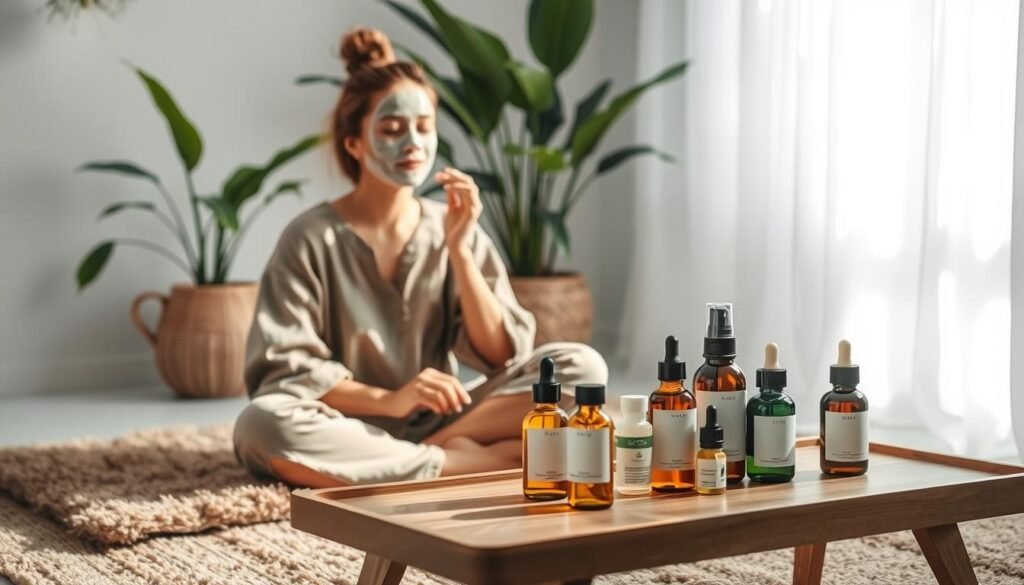
The Role of Diet in Skin Health
What you eat directly affects your complexion. Foods rich in antioxidants, like lycopene from tomatoes, protect against environmental damage. Omega-3s, found in blueberry oil, help maintain hydration and reduce inflammation. Incorporating an anti-inflammatory food pyramid into your meals can make a noticeable difference.
Hydration is equally important. Drinking enough water keeps your skin plump and reduces puffiness. Avoid excessive alcohol, as it can dehydrate and dull your appearance. Instead, focus on nutrient-dense options like leafy greens, berries, and healthy fats.
How Stress Affects Your Skin
Stress isn’t just a mental burden—it shows on your face. High stress levels can lead to breakouts, redness, and premature aging. Adaptogenic herbs, like ashwagandha, help manage stress by balancing cortisol levels. Pair these with mindful meditation routines for a calmer, more radiant look.
Sleep quality also plays a role. Tracking apps can help you optimize your rest, ensuring your body has time to repair. Tools like gua sha promote lymphatic drainage, reducing puffiness and improving circulation. Pollution-defense care products can shield your face from urban stressors.
- Adaptogenic herbs for stress management.
- Sleep tracking apps for better rest.
- Anti-inflammatory foods for a balanced diet.
- Gua sha for lymphatic drainage.
- Pollution-defense skincare for urban environments.
- Alcohol moderation for hydration.
- Mindful meditation for stress relief.
Step 12: Avoid Common Skincare Mistakes
Navigating your care plan can be tricky, especially when common mistakes creep in. Even small errors can lead to irritation, dryness, or breakouts. By understanding what to avoid, you can keep your complexion healthy and glowing.
Over-Exfoliating and Its Consequences
Exfoliation is essential, but too much can cause damage. Overdoing it strips away your natural barrier, leaving your face red and sensitive. “Exfoliating more than 2-3 times a week can do more harm than good,” says Dr. Sturnham.
Signs of over-exfoliation include tightness, flakiness, and increased sensitivity. If you notice these symptoms, cut back and focus on hydration. Gentle chemical exfoliants, like AHAs, are safer for frequent use than harsh scrubs.
Using Too Many Products at Once
Layering multiple products can overwhelm your face. Caroline Hirons advises, “Start simple and add products gradually to see how your face responds.” Using too many actives at once can lead to irritation or ingredient conflicts.
For example, combining niacinamide and vitamin C can reduce their effectiveness. Always check ingredient compatibility before layering. A minimal, targeted approach often yields better results than a crowded routine.
- Symptom timeline: Reactions can take days to appear. Monitor your face closely when introducing new products.
- Shelf life awareness: Expired products lose potency and can cause irritation. Check labels regularly.
- Professional consultation: If you’re unsure, consult a dermatologist to avoid long-term damage.
By avoiding these common mistakes, you’ll create a skincare routine that works in the best way for your needs. Small adjustments can make a big difference in achieving a radiant, healthy look.
Step 13: When to See a Dermatologist
Sometimes, your care needs go beyond what you can do at home. While a consistent skincare routine is essential, certain signs indicate it’s time to consult a professional. A dermatologist can provide tailored solutions to address persistent concerns and ensure your care plan is effective.
Signs You Need Professional Help
If you notice persistent redness, unexplained breakouts, or unusual changes in texture, it’s time to seek expert advice. Conditions like rosacea or severe acne often require prescription treatments. “Early intervention can prevent progression and improve long-term results,” says a leading dermatologist.
Other signs include sudden sensitivity, moles that change shape or color, or scars that don’t heal. These could indicate underlying issues that need immediate attention. Services like GetHarley and Dermatica/Skin+Me offer online consultations, making it easier to access professional guidance.
What to Expect from a Dermatologist Visit
During your visit, the dermatologist will assess your concerns and recommend a personalized process. This may include mole mapping to monitor changes, cortisone injections for inflammation, or laser treatments for scarring. They’ll also guide you on post-procedure care to ensure optimal results.
Here’s a quick overview of what to expect:
| Service | Purpose |
|---|---|
| Mole Mapping | Track changes in moles for early detection |
| Cortisone Injections | Reduce inflammation and redness |
| Laser Treatments | Address scarring and uneven texture |
| Prescription Retinoids | Combat fine lines and acne |
Insurance often covers these services, so check your plan beforehand. By consulting a dermatologist, you’ll gain insights and solutions tailored to your needs, ensuring your care plan is as effective as possible.
Step 14: Building a Skincare Routine That Works for You
Creating a personalized care plan is the key to long-term results. Everyone’s needs are different, and what works for one person might not work for another. By tailoring your approach, you can ensure your efforts yield visible benefits.
Tailoring Your Routine to Your Needs
Start by reassessing your needs regularly. Your skin changes with the seasons, so adjust your products accordingly. For example, switch to richer moisturizers in winter and lighter formulas in summer. Travel-friendly swaps, like mini sizes or multi-purpose items, make it easier to stay consistent on the go.
Organizers like Calpak cosmetics cases or STORi plastic bins can keep your essentials in one place. This saves time and ensures you stick to your plan. Progress photography is another great way to track improvements and stay motivated.
How to Stick to Your Routine
Consistency is crucial, but it doesn’t have to be overwhelming. Use habit-stacking techniques by pairing your care steps with daily activities, like applying serum while brushing your teeth. Digital reminders can also help you stay on track without feeling pressured.
Budget allocation is another important factor. Invest in high-quality essentials and save on less critical items. By making small, intentional changes, you’ll build a plan that fits seamlessly into your life.
Step 15: The Best Products for a Skin Routine for 35+ Women
Finding the right products can transform your daily habits into a powerful glow-boosting ritual. Whether you’re looking for cleansers, serums, or moisturizers, the key is to choose options that address your specific needs. Let’s explore some top picks and how to decide between affordable and luxury options.
Top Cleansers, Serums, and Moisturizers
Cleansers like CeraVe Hydrating Cleanser are a favorite for their gentle yet effective formula. They’re packed with ceramides to restore your natural barrier. For serums, Drunk Elephant’s C-Firma Fresh Day Serum is a standout, offering brightening and protective benefits with vitamin C.
When it comes to moisturizers, the Grapey Anti-Age cream is a game-changer. Its polyphenol-rich formula helps combat visible signs of aging while keeping your face hydrated. These products are designed to work together, creating a seamless skincare routine.
Affordable vs. Luxury: What’s Worth It?
Not all high-end creams are worth the splurge. For example, Elizabeth Arden’s luxury options offer rich hydration, but CeraVe provides similar benefits at a fraction of the cost. The Drunk Elephant Littles kit is a great way to test premium serums without committing to full sizes.
Here’s a quick comparison to help you decide:
- Affordable: CeraVe Hydrating Cleanser, Simple Soothing Water Cream.
- Luxury: Elizabeth Arden Advanced Ceramide Capsules, Drunk Elephant C-Firma Serum.
Consider multi-tasking products that save time and money. Clean beauty certifications and refillable packaging are also worth exploring for eco-conscious choices. By balancing splurges and saves, you can build a routine that works for your budget and needs.
Conclusion
Aging gracefully is about embracing progress, not perfection. Your skincare routine is a journey, not a race. Celebrate small wins and focus on consistency to see lasting results.
Remember, you’re not alone. Join online communities or forums to share tips and support. Together, we can inspire each other to glow from the inside out.
Ready for a challenge? Try our 30-day progress-over-perfection plan. Track your habits and notice the difference. Dermatologists endorse this approach for its simplicity and effectiveness.
Share your success story with us on social media. Your journey could inspire someone else to start their own. Let’s create a community where everyone feels empowered to take care of their skin with confidence.
FAQ
Why is a skincare routine important after 35?
As you age, your face undergoes changes like reduced collagen and slower cell turnover. A consistent regimen helps combat dryness, fine lines, and dullness, keeping your complexion radiant and healthy.
How often should I exfoliate?
Exfoliating 2-3 times a week is ideal. Overdoing it can strip your face of natural oils, leading to irritation. Choose gentle scrubs or chemical exfoliants like glycolic acid for best results.
What’s the best way to hydrate my face?
Serums with hyaluronic acid or vitamin C are excellent for deep hydration. Follow up with a moisturizer to lock in moisture and keep your face plump and glowing.
Is SPF necessary even on cloudy days?
Absolutely! UV rays can penetrate clouds and cause damage. Use a broad-spectrum sunscreen with at least SPF 30 daily to protect against premature aging and dark spots.
How do I choose the right eye cream?
Look for formulas with peptides, caffeine, or retinol to address puffiness, dark circles, and fine lines. Apply gently with your ring finger to avoid tugging on delicate skin.
Can I use retinol every night?
Start slowly, using retinol 2-3 times a week to avoid irritation. Gradually increase frequency as your face builds tolerance. Always follow with moisturizer to minimize dryness.
What lifestyle changes can improve my complexion?
A balanced diet rich in antioxidants, staying hydrated, and managing stress can make a big difference. Also, avoid smoking and limit alcohol for healthier, clearer-looking skin.
When should I see a dermatologist?
If you notice persistent acne, unusual redness, or sudden changes in texture, it’s time to consult a professional. They can provide tailored advice and treatments for your concerns.


