
Can a simple change in how you add water and oils really bring back bounce and calm? That question guides this short guide for women who want practical results without guesswork.
You’ll learn how to balance hydration and moisture so your skin looks plump and healthy. As your body ages, it makes fewer natural hydrators and oils, so a gentler routine and smarter ingredients matter more than ever.
We explain the barrier that keeps water in and stress why ceramides, lipids, and hyaluronic acid help lock it in. You’ll get clear steps from cleansing to SPF and quick lifestyle moves—like steady sipping of water, good sleep, and less stress—that support visible comfort and glow.
Start here for a simple jumpstart and scan labels with confidence. For nutrition that pairs well with topical care, see our nutrition blueprint for women over 35.
Why Hydration Matters More After 35
After 35, your face loses some of its natural water‑holding power and needs smarter daily care. Your body produces fewer of the molecules that keep skin plump, so you may notice more tightness and dullness.
The outer layer is a simple structure: dead cells held together by ceramides and lipids. This skin barrier controls trans‑epidermal water loss and shields you from irritants. When those lipids decline, dry skin shows up faster in cold, travel, or heated indoor air.
Small swaps make a big difference. Replace harsh acids and stripping products with gentler hydrators and barrier‑first steps to protect gains without over‑stressing your complexion.
- After 35, your skin may hold less water and produce less oil; pick textures that match your skin type.
- Support the barrier to keep moisture inside and irritants out for a smoother, calmer face.
- Focus on steady water intake, sleep, and consistent SPF to make results last.
- Seasonal tweaks and the right moisturizer texture cut midday flakiness and tightness.
Skin & Hydration
Understanding how water and oil play different roles helps you fix a dull, tight complexion. Think of one as the internal water that plumps, and the other as the oil that seals that plumpness in. Your face is about 64% water, so keeping both parts balanced matters more as you get older.

Hydration vs moisture: water and oil explained
Hydration means water inside your layers; moisture means the oils that hold it there. Hyaluronic acid is a classic humectant that binds water to the surface. Ceramides and lipids act like mortar, sealing that water in the barrier.
Dehydrated skin can be oily: why your face may feel tight yet shiny
You can have oily skin while lacking water. The gland activity ramps up, but without water the face feels tight and makeup separates. That mismatch calls for light, hydrating layers followed by non-greasy emollients—not stripping cleansers.
Water loss and your glow: understanding TEWL and the moisture barrier
Trans‑epidermal water loss (TEWL) rises when the barrier weakens. Faster water loss dulls your glow and deepens fine lines. Look for a humectant first, then lock it with ceramides or lightweight occlusives to keep skin moisture longer.
“Treat water first, then seal — that order changes results.”
- Apply water-binding layers before oils.
- Scan labels for hyaluronic acid, ceramides, and supportive lipids.
- Spot early signs of dehydration and add both water and sealing ingredients.
Rebuild Your Skin Moisture Barrier for Healthy, Resilient Skin
Rebuilding the moisture barrier gives your face a stronger base to hold moisture and resist daily stressors.
The moisture barrier is a thin layer of dead cells held together by ceramides and lipids. Its job is to regulate transepidermal water movement and protect you from environmental stressors.
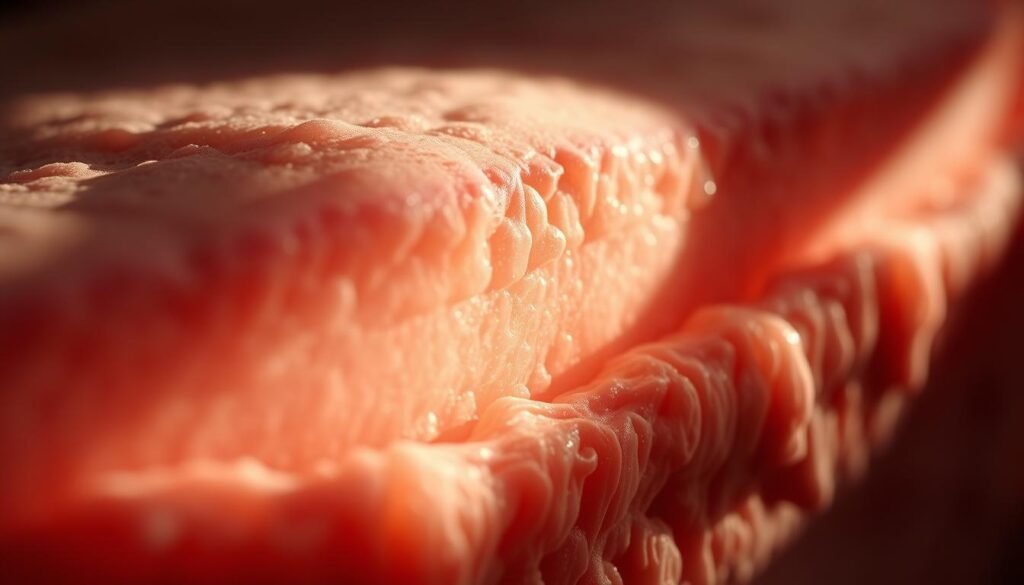
Ceramides and lipids: the “mortar” that helps support the skin barrier
Ceramides help by acting like mortar between cell “bricks.” When you restore them, you lower water loss and reduce roughness.
Choose formulas with ceramides, cholesterol, and balanced fatty acids to support skin barrier repair. Use gentle cleansers and limit exfoliation while you rebuild.
Fatty acids and squalane: replenish lipids to maintain optimal moisture
Squalane is bioidentical to many skin natural emollients. It cushions without heaviness and makes other actives feel comfortable.
- Layer watery essences first, then richer creams to lock in results.
- Pick omega‑rich blends for natural moisturizing lipids the skin recognizes.
- Keep routines simple for a few weeks so repair, not irritation, wins.
“Treat the barrier like brick and mortar: restore the mortar and the whole structure feels firmer.”
Expect steady improvements: week‑by‑week you’ll notice less tightness, fewer flakes, and a more resilient feel as the barrier regains function. Combine topical care with basic lifestyle moves to maintain optimal comfort long term.
Your Daily Routine After 35: How to Keep Skin Hydrated from Cleanse to SPF
Start your day with a simple order: cleanse gently, layer humectants, then lock in with ceramides and SPF. A steady routine helps support the barrier and reduces flare-ups. Keep steps short so you stick with them.
Cleanse gently
Morning and night, choose a non‑stripping gel, cream, or lotion cleanser. Skip foaming, antibacterial, fragranced, or exfoliating washes while you rebuild.
Treat with hydrating ingredients
On slightly damp skin, smooth a serum with hyaluronic acid or another humectant. That lets water bind to the outer layers for better plumpness.
Moisturize to lock in water
Follow with a moisturizer containing ceramides and supportive lipids. These ingredients act as mortar to keep moisture where it belongs.
Protect every morning
Finish with a broad‑spectrum SPF (aim for at least 30). Sun protection defends the barrier and preserves gains from your routine.
- Night: add a light facial oil over cream if you notice dehydrated skin for extra cushion.
- Adjust textures by season and your skin type—gel for humid days, cream for dry spells.
- Keep it simple: cleanse, treat with hydrating ingredients, moisturize, and protect so results stick.
“Apply serums to damp skin and seal with ceramides; that order increases retention.”
Pick Products That Support Skin: Ingredients That Work
Choose formulas that pair water‑attracting actives with barrier helpers. Humectants draw water into the outer layers, and emollients lock that moisture in so you see real change.
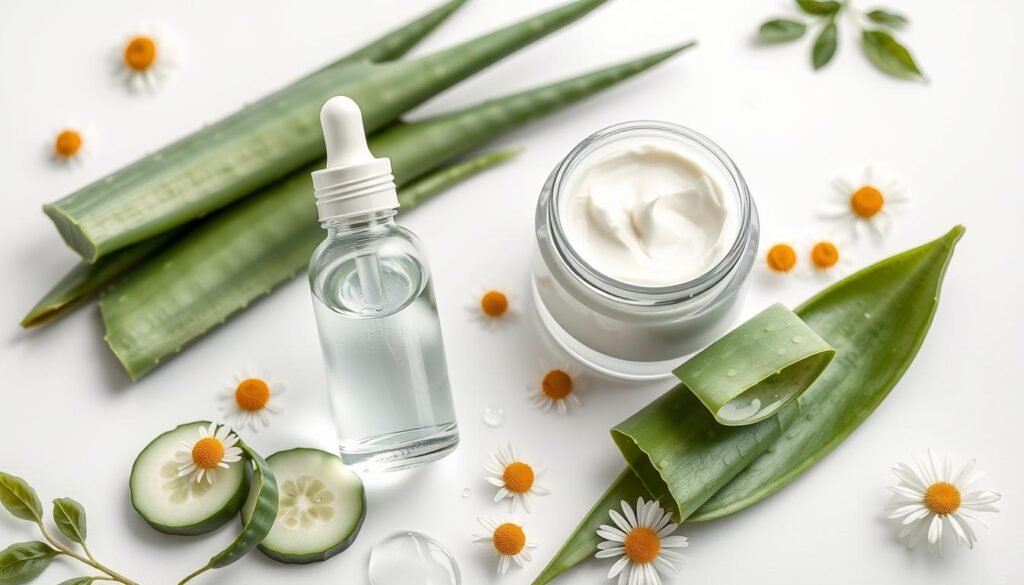
Humectants that draw in water
Reach for hyaluronic acid, glycerin, or aloe when you want a quick boost. These ingredients bind water to the surface and make your face look plumper right away.
Moisturizers and barrier helpers
Creams with ceramides, omega fatty acids, and squalane rebuild the protective layer and reduce water loss. Think of humectants as the first step and ceramides or lipids as the seal.
- For a fast lift, use a humectant serum on damp skin, then follow with a ceramide-rich cream.
- Look for products that include a touch of oil or squalane to seal without greasiness.
- Scan the INCI list: the most useful ingredients should appear in the first 5–10 items.
- Keep one humectant serum, one ceramide/lipid cream, and one broad‑spectrum SPF on your shelf.
“Match a water‑binding ingredient with a sealing moisturizer for the best results.”
Customize by Skin Type so You Maintain Hydration Without Overdoing Oil
Your routine should fit the needs of each area so you get moisture where you need it and lightness where you don’t. Keep textures flexible and pick one reliable core set of products to rotate by season.
Dry complexions: richer creams and barrier builders
For dry skin, use a richer cream with ceramides and lipids. Add a few drops of oil at night to soften flakes and calm tight spots. A creamy moisturizer helps rebuild the barrier and reduce TEWL.
Oily yet tight: light layers that deliver water without weight
If you have oily skin but feel tight, stack lightweight humectant serums under a gel‑cream. That approach gives water-first benefit without heavy occlusion. Look for non‑comedogenic labels if you break out easily.
Combination or sensitive: gentle, fragrance‑free basics
Sensitive or combo types do best with simple, fragrance‑free formulas. Spot-treat drier cheeks and keep the T‑zone lighter. Maintain SPF daily to support barrier repair and lasting comfort.
“Treat each area on your face as its own concern.”
Lifestyle Habits That Boost Skin Hydration from the Inside Out
Simple daily choices help your routine work better than any quick fix. Focus on steady fluids, sleep, and the right foods to support barrier repair and long‑term comfort.
Water and hydrating foods
Sip water regularly through the day and load meals with fruits and vegetables. Doing this helps your face look fresher and keeps surface moisture steadier.
Sleep and stress
Prioritize 7–9 hours of consistent sleep. Nighttime repair strengthens resilience and reduces irritation.
Manage stress with gentle movement or breathing. Lower stress helps your body focus on recovery, not inflammation.
Healthy fats and key nutrients
Add omega‑rich foods like salmon, tuna, flax, and pumpkin seeds to your plate. These fatty acids help fortify the barrier and support natural moisturizing.
Include zinc sources—beans, nuts, shellfish—and consider collagen‑forward meals if you like them. Balanced protein helps overall repair.
- Keep alcohol and salty snacks low; they can pull water away and dull morning glow.
- Use a bedside humidifier in dry months to reduce overnight tightness.
- Stick to a simple night regimen so your body can focus on renewal, not irritation.
“Small, steady changes—better sleep, smarter meals, and regular sipping—compound into visible, healthy skin benefits.”
Smart Hydration Tactics for Real‑World Conditions
Small routine tweaks at home can cut down water loss and keep your barrier working its best. These are easy steps you can use every day, during travel, and through seasonal heating or AC.
Shower and bath tips
Keep showers lukewarm and brief to protect natural oils. Long, hot soaks pull moisture away and weaken the moisture barrier.
If you enjoy baths, add colloidal oatmeal to soothe rough patches and calm irritation. That gentle soak supports the skin moisture barrier without stripping.
Home environment
Run a humidifier in dry months or near sleeping areas. Better room humidity helps your face hold onto moisture longer and reduces overnight water loss.
Night strategies
Use a hydrating sleeping mask once or twice weekly, or DIY with aloe and cucumber to soothe. After a mask, seal with a thin occlusive to minimize transepidermal water loss.
Try mindful slugging on targeted zones—apply a tiny bead of petrolatum or ointment over moisturizer on cheeks or around the mouth. This keeps skin cushioned without feeling greasy.
- Before bed: apply serums to damp skin, then cream, then a small occlusive on dry areas.
- Choose gentle, fragrance‑free products and ingredients when your face feels sensitive.
- On travel or post‑workout, cleanse sweat gently and reapply a mist and moisturizer; seal on landing to beat cabin air.
- Treat these steps like a small regimen you can flex with weather, heating, or AC so you keep moisture consistent.
“Treat simple home habits as part of your routine—small moves protect the barrier and add lasting comfort.”
Three‑Day Jumpstart to Replenish Skin Hydration
Give your face a short reset: three days of smarter care to reduce loss and revive comfort. This compact regimen focuses on rest, targeted products, and simple meals so you see early wins.
Day One
Prioritize rest. Aim for 7–9 hours so your repair window works for you. Cleanse gently in the AM and PM.
Apply a water‑binding serum on damp skin, then a barrier‑focused cream. Drink water steadily and skip long hot showers to limit overnight loss.
Day Two
Stock your routine with ceramides, hyaluronic acid, and supportive lipids. At night, add a few drops of facial oil over moisturizer to seal moisture.
Consider a soothing overnight mask—aloe and cucumber work well—to comfort and replenish skin while you sleep.
Day Three
Try slugging on dry zones with petroleum jelly or Aquaphor to minimize transepidermal evaporation. Manage stress with a short walk or breathing exercise—your skin also benefits from calmer cortisol.
- Build meals around healthy fats (salmon, avocado, olive oil) and colorful produce for natural moisturizing support.
- Keep sunscreen daily to protect gains.
- At the end of three days, note improvements and continue the simple skincare regimen so momentum builds and you keep skin hydrated.
“Small, consistent steps over 72 hours can jumpstart repair and help replenish skin faster.”
Conclusion
A steady, simple routine is the most reliable route to a bouncier, more comfortable face. Keep your order: water‑binding humectants first, then ceramides and lipids to seal the moisture barrier.
Sleep, steady sipping, and daily SPF are the foundation that helps support the skin barrier and reduce transepidermal evaporation. Choose textures that suit your skin types and climate so you stick with the plan.
Favor formulas that replenish skin with ceramides and supportive lipids. Over weeks, consistency gives steadier skin hydration, fewer seasonal swings, and a calmer, more resilient moisture barrier.
If you manage dry skin or sensitivity, stay gentle, keep steps minimal, and reassess monthly. Simple, repeated care will help support long‑term comfort and keep your face feeling and looking hydrated.
FAQ
How does proper hydration change your skin after 35?
After 35, your natural oil and moisture production slows, so replenishing both water and lipids helps reduce fine lines, improves elasticity, and gives a smoother, more even appearance. Use gentle cleansers, humectants like hyaluronic acid, and barrier-repairing lipids to support resilience.
Why does hydration matter more as you age?
Aging lowers oil production and weakens the barrier, which raises transepidermal water loss (TEWL). Keeping moisture levels steady preserves texture and tone, prevents irritation, and helps active ingredients work better.
What’s the difference between water-based hydration and oil-based moisture?
Water-based humectants attract and hold water in the upper layers, while oils and lipids seal that water in and repair the barrier. You need both: humectants to draw moisture and ceramides, fatty acids, or squalane to lock it down.
How can skin feel oily but still be dehydrated?
Dehydration refers to a lack of water, not oil. Your skin can overproduce oil to compensate for lost moisture, leaving a shiny surface but tight, thirsty feeling underneath. Target lightweight hydrating layers and barrier repair rather than stripping cleansers.
What is TEWL and why does it affect your glow?
TEWL (transepidermal water loss) measures how much water escapes from your skin. When TEWL rises, your complexion loses plumpness and radiance. Strengthening the barrier with ceramides and occlusives reduces TEWL and restores glow.
Which ingredients rebuild the moisture barrier?
Look for ceramides, cholesterol, and essential fatty acids—the mortar and bricks of the barrier. These lipids restore structure, reduce irritation, and help your skin retain water from humectants.
How do fatty acids and squalane help maintain hydration?
Fatty acids and squalane replenish the skin’s lipid layer, smoothing texture and preventing water loss. Squalane is lightweight and noncomedogenic, so it works well for many skin types, including oily or combination.
How should you adjust your daily routine to keep skin hydrated from cleanse to SPF?
Start with a gentle, non-foaming cleanser, apply a humectant serum (like hyaluronic acid) while skin is damp, follow with a ceramide-rich moisturizer, and finish with broad‑spectrum SPF every morning to protect the barrier.
Which humectants are most effective for drawing in water?
Hyaluronic acid and glycerin are top choices; aloe and propanediol also help. Pair them with occlusives and ceramides so the attracted water stays in place.
What moisturizers and barrier helpers should you look for?
Choose products with ceramides, cholesterol, squalane, and omega fatty acids. These ingredients rebuild the lipid matrix and improve long-term moisture retention.
How do you tailor hydration by skin type without adding excess oil?
For dry types, use richer creams with occlusives and lipids. If you’re oily yet dehydrated, pick lightweight gels and layer water-based serums with a light emollient. Combination and sensitive types benefit from fragrance‑free, gentle formulations.
Which lifestyle habits support hydration from the inside out?
Drink steadily throughout the day, eat hydrating fruits and vegetables, include omega‑3/6 fats and zinc in meals, and prioritize sleep and stress management to aid nighttime repair and barrier function.
What shower and home environment tips help preserve moisture?
Take lukewarm showers, avoid harsh scrubs, and use a humidifier in dry climates. Oatmeal soaks can soothe the barrier, and applying moisturizer right after toweling helps trap water.
What night strategies best minimize water loss?
Use hydrating overnight masks, consider slugging with an occlusive if you tolerate it, and layer repair-focused serums and creams to maximize nighttime barrier restoration.
What does a three‑day jumpstart to replenish hydration look like?
Day one: prioritize sleep, hydrate, and switch to a gentle cleanser. Day two: introduce ceramides, hyaluronic acid, and lipids; layer oil over moisturizer. Day three: try slugging if needed, manage stress, and eat meals rich in healthy fats and vitamin‑rich produce.