

Are you sure your daily routine is helping your skin, or is it secretly speeding up visible age?
Premature aging can show up earlier than you expect—sometimes before 35—and it often links to sun exposure, smoking, poor sleep, a high-sugar diet, and stress.
You’ll quickly learn what counts as early warning signs and how they differ from normal age changes. This intro previews practical ways to protect your skin and overall health, from SPF 30+ daily use to better sleep and stress habits.
We’ll give clear, science-backed steps you can try today, plus realistic expectations about what you can change and what may need professional care.
By the end, you’ll have a simple checklist to fit your lifestyle and time, so you can improve appearance and wellness without overhauling your life overnight.
Premature aging 101: How the aging process speeds up and why it matters now
Learning what drives faster biological aging makes it easier to protect your skin and overall energy.
Chronological age counts years since birth. Biological age reflects how well your organs and tissues work. When your biological age outpaces calendar years, you may notice changes in skin texture, energy, and recovery.
Telomeres and cellular wear
Telomeres act like protective tips on DNA. Each cell division shortens them. When they get too short, cells enter senescence and release inflammatory signals that change tissue structure.
Everyday accelerants
- Sun exposure, smoking, and air pollution speed cellular wear.
- Poor sleep, excess alcohol, and a low-quality diet also nudge the process forward.
- Regular movement, good sleep (7–9 hours), and moderate drinking align with US guidance to help slow this trend.
Who’s at higher risk?
Rare genetic conditions like Werner syndrome and progeria cause early features, but most people face modifiable risks. Research shows small lifestyle changes compound over years to protect your skin and overall health.
The top signs of premature aging you can spot early
Spotting early changes in your skin and body gives you time to act before small issues become harder to reverse.
Sun spots and uneven tone: Flat, brown patches often show up on the face and hands after years of UV exposure. They appear sooner in fair skin and usually form around or after your 40s. If a spot changes shape, color, or bleeds, see a dermatologist.
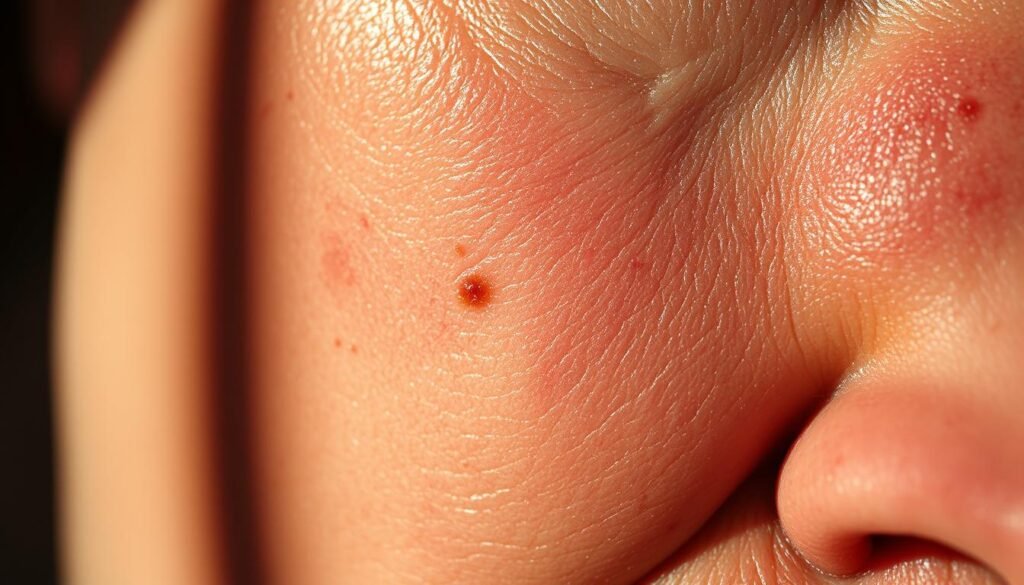
Wrinkles and sagging
Collagen production slows in your 30s, so forehead lines, crow’s feet, and jowls show up first in sun-exposed areas. Sun damage and repetitive facial movement make these lines deeper over time.
Dry, itchy skin and barrier loss
Thinning skin can feel tight or flaky as you approach your 40s. A weakened barrier lets moisture escape and increases irritation. Simple moisturizing and gentle cleansers help restore comfort.
Chest discoloration and inflammation
Patchy darkening on the chest may come from long-term sun damage or inflammatory conditions like eczema. If it looks inflamed or spreads, get evaluated to rule out other conditions.
Hands, hair, and muscle changes
Hands can look gaunt and veiny when structural proteins decline. Hair thinning and hair loss affect many people; hormones, diet, and environment all play a role. Early muscle loss can slow recovery and raise fall risk, so keep strength training in your routine.
- You’ll learn when spots are harmless and when to seek care.
- You’ll see where wrinkles start and why they deepen.
- You’ll get quick ways to ease dryness and protect barrier function.
What causes signs of premature aging to show up sooner
Your daily choices — from time in the sun to late nights — shape how quickly visible age appears.
Sun exposure and tanning beds: UVA and UVB rays penetrate skin and damage DNA. That harm speeds wrinkles, pigment changes, and texture damage. Tanning beds are not a safer option; they add the same DNA strain.

Smoking and air pollution
Cigarette toxins and polluted air raise oxidative stress. That extra stress dries skin, deepens lines, and weakens repair.
Alcohol, sugar, and refined carbohydrates
High alcohol intake links to shorter telomeres. Diets rich in sugar and refined carbohydrates cause glycation, which stiffens collagen and worsens sag and fine lines.
Stress, poor sleep, and repair loss
Chronic stress spikes cortisol and fuels inflammation. Poor sleep cuts into the 7–9 hours adults need and reduces nightly repair, which shortens telomeres and weakens your barrier.
Genetics and family history
Rare conditions like Werner syndrome and progeria cause rapid features, while family history can set timing and severity for common changes. That means some factors are fixed, but many are within your control.
- UV harms DNA and boosts wrinkles and spots.
- Smoking and pollution add avoidable oxidative stress.
- Moderating alcohol and cutting refined carbs supports healthier skin.
How to slow and may help reverse the appearance of premature skin aging
Targeted steps—both at home and with a professional—help protect skin and may help reverse visible wear.
Daily sun protection strategy
Use broad‑spectrum SPF 30+ every day, even on cloudy mornings. Seek shade between 10 a.m. and 2 p.m., and wear protective clothing like long sleeves and wide‑brim hats.

Carry a travel sunscreen and reapply every two hours when outdoors. Sunglasses and UPF clothing add reliable defense against UV that drives spots and wrinkles.
Smart skincare routine
Cleanse gently, use vitamin C in the morning, and apply a retinoid at night to improve texture and reduce lines.
Include AHAs or gentle exfoliants a few times weekly and a rich moisturizer to protect your barrier. Choose tested products and introduce actives slowly to avoid irritation.
Targeted fixes and lifestyle support
Brightening serums and AHAs can fade spots; daily SPF plus rich hand creams help gaunt hands. For chest discoloration, try topical brighteners or see a dermatologist for chemical peels or IPL.
Hydrate, follow a balanced diet, and add regular exercise to help prevent further damage and support skin health. Nutrition also helps hair loss recovery when paired with treatments like minoxidil or finasteride when appropriate.
Quit smoking, limit alcohol, sleep and stress
Stopping smoking reduces oxidative stress and may help telomeres; limiting alcohol to U.S. guidelines also supports repair. Aim for 7–9 hours of sleep and use mindfulness or nature walks to lower daily stress.
When to seek clinical care
For deeper concerns, a dermatologist can offer peels, lasers, IPL, fillers, Botox, and prescription topicals. Match treatments to your goals and get a plan that balances at‑home care with in‑office options.
- Daily wins: SPF, shade, clothing, and reapplication.
- Routine: Cleanse, vitamin C, retinoid, moisturizer, sunscreen.
- Know when to see a doctor: professional procedures can speed visible results.
When to see a dermatologist or doctor about signs aging faster
If you notice sudden texture changes or a new dark spot, it’s time to get professional eyes on your skin.
Red flags to check now: Seek a dermatologist or doctor for new or changing spots, sudden hair loss, or easy bruising. These can point to skin cancer, hormonal shifts, nutritional gaps, or other health conditions.
The dermatologist will examine lesions, may perform a biopsy, and can confirm whether a spot needs removal or monitoring. For hair loss, a doctor can order labs to check thyroid, iron, and hormones.
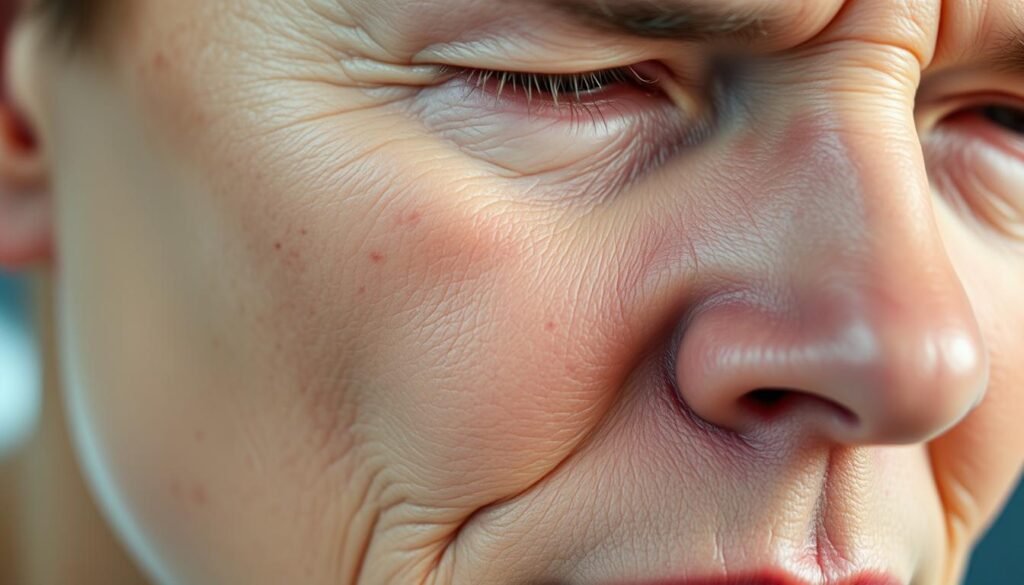
Building a personalized care plan: Expect a clear plan that combines daily products, prescription topicals, and in‑office options like IPL or lasers when needed.
- Bring photos, a list of products, and a timeline of changes to your visit.
- A dermatologist customizes treatments to your skin type and goals.
- Your doctor can arrange lab work or referrals if a systemic cause for hair loss or bruising is suspected.
- Agree on follow‑up timing and realistic milestones so you track progress without daily worry.
Practical note: If behavior change feels hard, a doctor can help set goals tied to sleep, alcohol use, and nutrition that support skin and overall health.
Conclusion
Small habits yield big results. You can slow visible change through consistent sun care, a focused routine, sleep, balanced diet, and regular exercise.
Start with SPF 30+, a morning antioxidant like vitamin C, a nightly retinoid, gentle exfoliation, and rich moisturizers. Quit smoking and limit alcohol to help repair and help prevent further wear.
Personalize your lifestyle and products, track results over months, and see a dermatologist or doctor if rapid changes occur. With steady care and a few professional tools, you may help reverse some features and protect your skin and health for years to come.
FAQ
What does it mean if your biological age is higher than your chronological age?
Biological age reflects how your cells and tissues function compared with average people of the same years. If it’s higher, you may show earlier skin texture changes, slower healing, and reduced muscle strength. Lifestyle factors — like smoking, poor sleep, a diet high in sugar and refined carbohydrates, and heavy sun exposure — can push your biological age up. Addressing those areas and working with your primary care doctor or a dermatologist can lower markers and improve how you look and feel.
How does sun exposure accelerate visible aging?
UVA and UVB rays damage DNA and break down collagen and elastin in skin. Over time that causes uneven tone, sun spots, fine lines, and sagging. Regular broad-spectrum sunscreen (SPF 30 or higher), protective clothing, and avoiding tanning beds reduce cumulative damage and can slow further changes.
Can diet really affect how fast you age?
Yes. Diets high in sugar and refined carbohydrates increase inflammation and glycation, which harm collagen and elastin. Excess alcohol and poor nutrition can thin skin and weaken hair. Eating more whole foods, protein, antioxidants, and staying hydrated helps protect your skin and overall health.
Why am I getting thinning hair and more hair loss than expected?
Hair thinning can result from hormones, nutrient gaps (iron, vitamin D, protein), chronic stress, certain medications, or genetic patterns. Environmental factors like pollution and repeated heat styling also contribute. A clinician can run tests, recommend dietary changes, topical minoxidil, or other treatments based on the cause.
What quick skincare steps will make the biggest difference?
Start with daily broad-spectrum sunscreen, a gentle cleanser, a moisturizer that supports the skin barrier, and a vitamin C serum in the morning. Add a retinoid at night to boost cell turnover and collagen. Consistent use yields the best results; pair products with sun protection and a healthy lifestyle.
How do smoking and air pollution impact your skin and hair?
Both increase oxidative stress and inflammation, which accelerate breakdown of structural proteins and damage hair follicles. Quitting smoking and reducing pollution exposure when possible improves circulation and recovery, helping your skin look healthier and your hair fare better.
When should you see a dermatologist or doctor?
Make an appointment for new or changing spots, sudden or patchy hair loss, unexplained bruising, or rapid skin texture change. These can signal medical conditions that need testing or treatment. A dermatologist can tailor a care plan with prescription topicals, lasers, chemical peels, or injectables if appropriate.
Are there clinical treatments that reverse early changes like sun spots or gaunt hands?
Yes. Options include topical prescription creams, chemical peels, laser resurfacing, intense pulsed light (IPL), fillers for volume loss in hands or face, and neuromodulators for deep dynamic lines. Results vary, so consult a board-certified dermatologist to choose the right approach for your goals.
How much does sleep matter for your skin’s repair?
Sleep is critical. During deep sleep, your body lowers cortisol and increases growth and repair processes that rebuild collagen and restore the skin barrier. Poor sleep raises inflammation and can speed fine lines and dullness. Aim for consistent sleep schedules and stress-reduction techniques to support repair.
Which lifestyle changes most consistently help slow visible aging?
Prioritize sun protection, stop smoking, cut back on alcohol, reduce sugar and refined carbs, eat a balanced diet rich in antioxidants and protein, exercise regularly, manage stress, and get consistent sleep. These actions support cellular health, skin barrier function, and hair strength over time.


