

Can a few simple shifts in your daily routine really make your strands look fuller and stronger? You might be surprised at how much small, steady habits change outcomes.
Start with balance: a well-regulated scalp sets the stage by keeping oil in check, clearing follicles, and supporting normal skin cell turnover. Experts often recommend a “less is more” approach and suggest gentle, sulfate-free cleansers at least weekly.
Moderate washing, limit heavy post-wash oils, and avoid leaving the area wet for long. These small moves cut buildup and lower irritation that can stunt growth.
What to expect in this guide: practical tips that help your routine work with natural processes, quick fixes to avoid, and simple product picks that support steady progress. You’ll get clear ways to reduce flakes, soothe itch, and keep follicles ready to grow.
Why your scalp is the root of healthy hair growth
Your head is more than a place to style—it’s a living system. A dense network of blood vessels delivers oxygen and nutrients to hair follicles and keeps growth cycles active. Sebaceous glands make sebum that conditions both skin and strands, preserving moisture without heavy products.
Outer skin on your head is always shedding and renewing. That turnover keeps the barrier effective and protects emerging shafts. When buildup, product overload, hard water, or environmental stressors tip the balance, follicles can become blocked.
- You’ll connect steady circulation and nutrient delivery to stronger strands and better growth.
- Learn how natural sebum and cell renewal keep the surface balanced and why gentle support matters.
- See how small disruptions—residue or over-washing—can clog follicles and reduce growth potential.
In short: protect the barrier, promote circulation, and favor mild methods over harsh fixes. That approach keeps follicles ready to produce resilient, thicker-looking scalp hair.
scalp care for hair health: what it means and how to spot problems early
A balanced microbial layer on your head keeps follicles working and prevents buildup that stalls growth. The microbiome helps regulate sebum and supports orderly shedding of skin cells. That balance preserves the barrier so emerging strands meet less resistance.
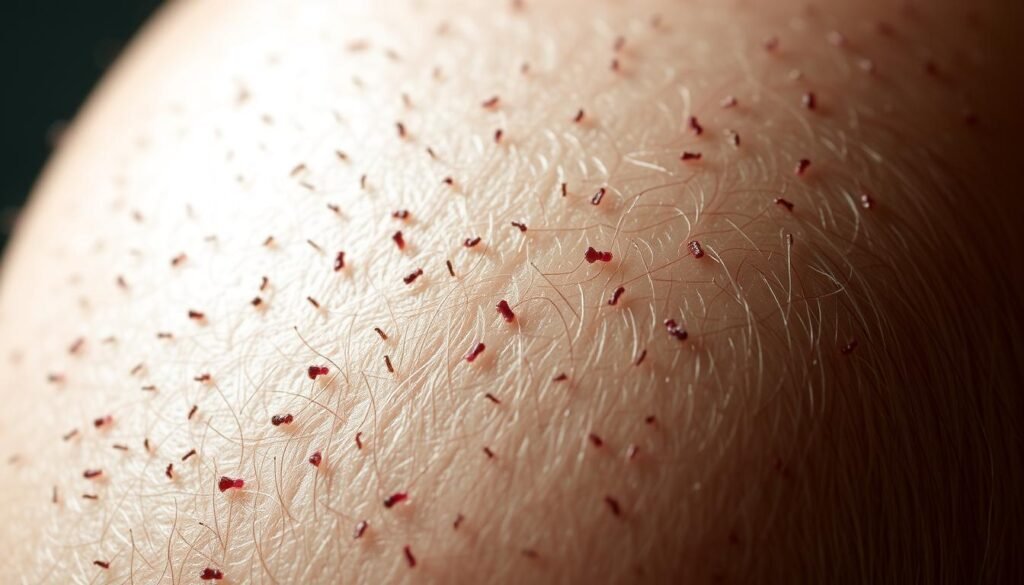
How a healthy microbiome supports follicles, sebum balance, and turnover
The resident bacteria and yeasts help manage oils and clear away dead skin cells. When this system is steady, follicles stay open and cycles run normally. Light, regular exfoliation one to two times weekly lifts residue and keeps cells from piling up.
Red flags of poor condition: what to watch for
- Itching that returns soon after cleansing
- Visible flakes on dark clothing or sudden shedding
- Persistent redness, acne-like bumps, or extra oil
- Recurring dandruff or seborrheic dermatitis and rising inflammation
If you notice these issues, simplify products and skip heavy post-wash oils. That reduces food for Malassezia yeast and helps calm irritation so follicles can work without obstruction.
Expert-backed tips to boost growth by improving scalp health
A few focused habits deliver real gains. Start with gentle cleansing and habits that clear buildup so follicles can work without obstruction. These practical tips help reduce flakes, calm irritation, and support steady growth.
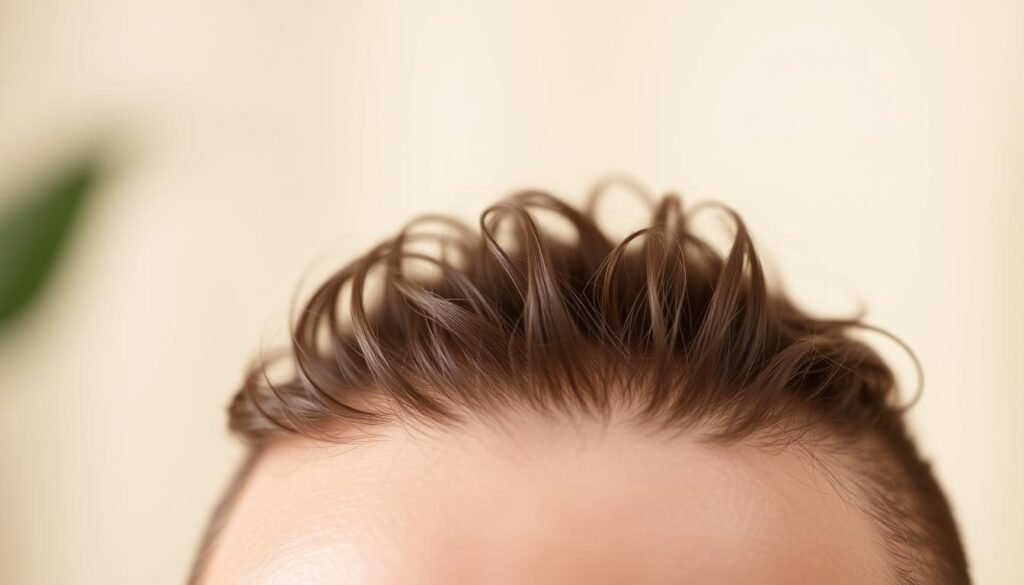
Keep routines simple. Cleanse at least once weekly with a sulfate-free shampoo or a conditioning co-wash to lift excess sebum and residue without stripping natural oils. Add a clarifying shampoo every four to five washes to reset buildup.
- Use a light scrub or soft brush once or twice a week to remove dead skin cells and product film so follicles breathe.
- Don’t leave your head damp for hours or tie wet hair up; trapped moisture lets bacteria and yeast multiply and can trigger itch.
- Skip post-wash oiling on the surface; heavy oil can feed Malassezia and worsen dandruff or seborrheic dermatitis.
- Keep wash frequency moderate to preserve natural oils and lower inflammation.
- Finish with a gentle fingertip massage to nudge circulation without scratching or tugging the skin.
Consistency pays off. Pick one simple product routine, track how your skin responds, and adjust treatments only when needed.
Build a simple, effective scalp care routine with the right products
Pick a mild, sulfate-free shampoo that suits your hair type to cleanse without stripping natural oils. Alternate one clarifying wash every few shampoos to lift minerals and heavy residue.
Pair thoughtfully. Use a lightweight conditioner on mid-lengths and ends only, keeping the top lighter so film doesn’t build up near follicles. Read labels and avoid heavy silicones if you notice extra buildup.
Scalp scrubs and brushes
Try a focused scrub with tea tree, peppermint, or charcoal once or twice weekly to remove dead skin cells and reduce flakes. A soft exfoliating brush can loosen residue and help distribute cleansers evenly on wash days.
Serums and targeted treatments
Daily serums that target itch, oil control, or pH balance keep the skin calm between washes. Look for charcoal + tea tree blends for itchy, flaky areas and lightweight exfoliating masks if you have oily roots.
- Match products to your hair type and routine.
- Use conditioner only where needed to avoid weighing the top down.
- Keep the routine lean: a few well-chosen items beat a cluttered shelf.
Lifestyle and environmental tweaks that protect your scalp
Small changes at home add up. Focus on what you eat, the water you use, and how you use heat. These shifts lower irritation, reduce residue, and keep follicles able to support steady growth.
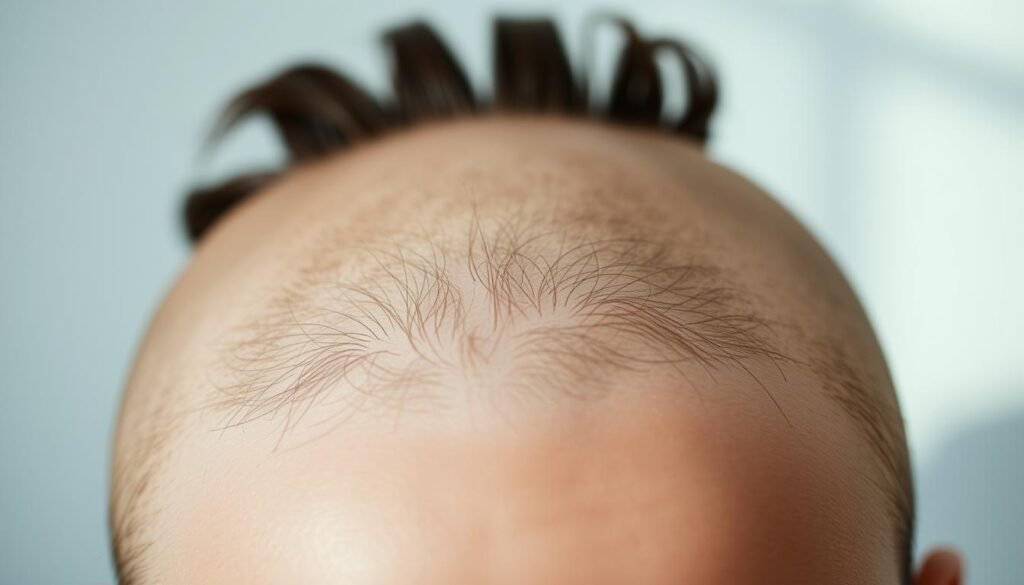
Nourish from within
Prioritize whole foods rich in vitamins A, B, C, and E, lean proteins, and omega fatty acids. These nutrients help balance natural oils and support resilient skin and stronger strands.
Good choices include leafy greens, citrus, eggs, nuts, fatty fish, and lean meats. Proper intake can also help reduce the risk of hair loss and keep follicles functioning.
Fix hard water with a filter or softener
Calcium and magnesium react with sebum and some shampoo formulas to leave mineral film. That residue can clog follicles and make scrubs and cleanses less effective.
Installing a shower filter or softener cuts mineral buildup so every wash works better and your products perform as intended.
Turn down the heat and protect from UV
Use cooler blow-dryer settings, shorten hot showers, and aim for quick rinses after sweaty workouts instead of extra daily shampooing. This helps prevent dry, irritated skin and keeps oils in balance.
Wear a hat or use sunscreen on exposed areas on bright days to avoid redness and flaky spots. Match these simple ways to your hair type and daily routine to keep the approach doable and consistent.
- You’ll shore up the scalp from inside with nutrient-dense meals that support balanced oils and steady growth.
- You’ll cut mineral residue by adding a filter, making each shampoo and scrub more effective.
- You’ll protect skin by dialing down heat tools and giving your head shade on high-UV days.
When to get professional help and personalize your plan
When changes keep getting worse despite better routines, a specialist can pinpoint why. A timely exam helps separate reversible triggers from genetic causes of hair loss.
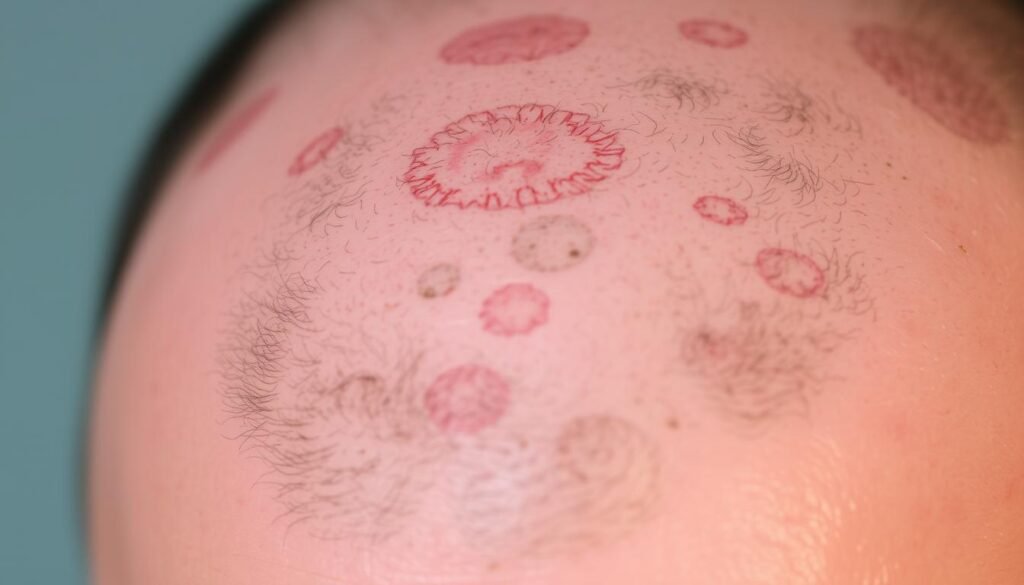
Who to see: A trichologist focuses on how the skin and follicles interact with products and habits. A dermatologist diagnoses medical conditions and can prescribe treatments for dermatitis, inflammation, or fast loss.
Signs that warrant a visit
- Rapid shedding or visible thinning over weeks
- Persistent itching, flaking, or redness that won’t settle
- Unusual bumps, pain, or patchy loss
Personalized plans work best
Professionals tailor advice to your geography, medical history, ethnicity, age, and hair type. They show whether over-washing or product buildup drives your loss and suggest steps to calm inflammation.
You’ll leave with a clear at-home routine and, if needed, in-office options. That stops guesswork and helps protect follicles so your scalp hair can recover.
Conclusion
Keep your routine simple and consistent so natural processes can do the heavy lifting and you see steady hair growth. Gentle, sulfate-free cleansing, a clarifying wash now and then, and one to two weekly exfoliations help remove dead skin cells and residue.
Use targeted products like a lightweight conditioner on lengths, tea tree exfoliators, and calming treatment formulas when itch or flakes appear. Cooler drying, sun protection, and good nutrition cut irritation and support a healthy scalp and healthy hair.
Pay attention to persistent symptoms. If poor scalp health signs continue, see a trichologist or dermatologist to personalize a plan and protect long-term growth.
FAQ
What does "root of healthy hair growth" mean?
It refers to the skin on your head where follicles live. When that skin stays balanced — free of excess oil, buildup, and inflammation — follicles can produce stronger, more resilient strands. Keeping that skin clean, nourished, and free of persistent irritation supports normal growth cycles.
How do I spot early signs of problems on my head skin?
Watch for persistent itching, visible flakes, redness, unusually greasy or dry patches, and increased shedding. These signs can point to issues like dermatitis, fungal imbalance, or clogged follicles. Early attention prevents damage and helps maintain normal strand production.
How often should you wash to protect follicles without stripping oils?
Aim for a balanced schedule based on your hair type and activity level. For most people, washing every two to three days keeps oil and residue in check while preserving natural lipids. If you exercise heavily or have very oily skin, you may need gentler daily cleansing with sulfate-free formulas.
Are sulfate-free shampoos really better?
Yes. Sulfate-free cleansers remove buildup without harshly stripping natural oils. That protects the skin barrier and reduces irritation. Look for products labeled gentle, pH-balanced, and matched to your strand texture to avoid dryness or excess grease.
Should you use scrubs or brushes on the skin of your head?
Exfoliation one to two times weekly can help remove dead skin and product residue. Use a mild scrub or a soft-bristled brush with ingredients like tea tree, peppermint, or charcoal for targeted cleansing. Be gentle — avoid aggressive scrubbing that can inflame follicles.
Is massaging the skin of the head helpful for growth?
Yes, gentle massage for a few minutes during washing or with a compatible oil-free serum can stimulate circulation and support nutrient delivery to follicles. Keep pressure light to avoid irritation and don’t leave heavy oils on overnight if you’re prone to dandruff or fungal issues.
Can leaving hair wet cause problems?
Prolonged dampness increases the risk of bacterial and fungal overgrowth. Pat hair dry, use a microfiber towel, and avoid sleeping with wet hair. If you need to oil, apply sparingly and focus on lengths rather than the skin to prevent clogged pores.
When should you see a professional like a dermatologist or trichologist?
Book an appointment if symptoms persist despite good at-home care, if you notice rapid shedding, patches of thinning, or intense inflammation. A specialist can diagnose conditions such as seborrheic dermatitis, psoriasis, or androgenic loss and recommend prescription-strength treatments or lab tests.
What nutrients support strong strands from the inside?
Prioritize a diet rich in vitamins A, B-complex (including biotin), C, and E, plus adequate protein and omega-3 fatty acids. Hydration and a balanced intake of minerals like iron and zinc also support normal cell turnover and follicle function.
How do hard water and heat affect follicle function?
Hard water leaves mineral deposits that can clog pores and dull strands; a shower filter or softener helps reduce buildup. Excessive heat from styling tools and hot showers damages the skin barrier and weakens shaft integrity, so lower temperatures and UV protection for the scalp are safer choices.
Which topical ingredients can aggravate issues like dandruff or dermatitis?
Heavy oils and occlusive treatments can feed Malassezia and worsen flaking or inflammation. Avoid leaving dense oils on the skin if you have recurrent fungal flares. Instead, choose anti-itch, anti-flake, or pH-balancing serums and treatments recommended for your condition.
How should you tailor routine choices to different hair types?
Fine or oily strands usually need lighter, clarifying formulas and less leave-on oil. Coarser or curlier textures benefit from richer conditioners and occasional deep-conditioning on lengths, while keeping the skin itself relatively oil-free. Match product texture and wash frequency to your individual needs.


