Have you ever wondered if your body is getting the right amount of nutrients to stay strong and healthy as you age? For many, the idea of increasing protein intake can feel overwhelming, especially with myths like “it’ll make you bulky” floating around. But the truth is, your health and muscle maintenance depend on it.
As women cross the age of 35, hormonal changes and natural muscle loss become more pronounced. This makes it essential to focus on what your body truly needs. But how much is enough? And what’s the best way to balance animal and plant-based sources for optimal results?
This article dives into the science behind protein requirements, debunks common misconceptions, and provides actionable tips to help you feel your best. Let’s explore what your health journey truly demands.
Key Takeaways
- Protein plays a vital role in maintaining muscle and overall health as you age.
- Common myths about protein making you bulky are unfounded.
- Balancing animal and plant-based sources ensures optimal amino acid intake.
- Daily requirements vary based on individual factors like activity level and age.
- Recent studies provide science-backed recommendations for women over 35.
Why Protein is Essential for Women Over 35
Your body’s demands shift significantly after 35, making certain nutrients essential. Among these, proteins play a vital role in maintaining your overall health. They are not just about building muscles; they are the building blocks of life, supporting everything from your energy levels to your bone health.
The Role of Protein in the Body
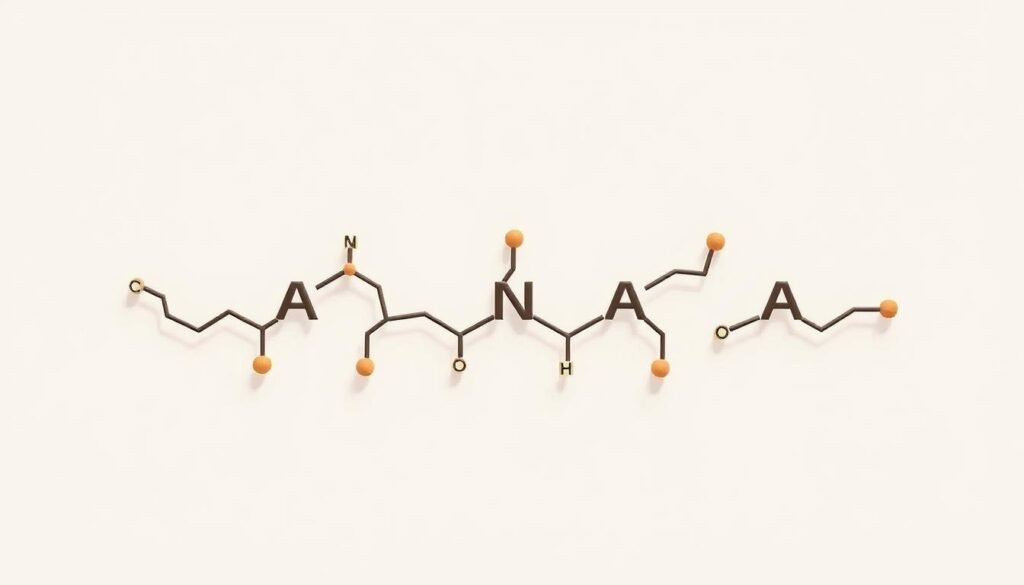
Proteins are made up of 20 amino acids, nine of which are essential. These essential amino acids must come from your diet because your body cannot produce them on its own. They help create hormones, neurotransmitters, and even support the health of your skin, hair, and nails. Without them, your body’s ability to repair and maintain itself would be compromised.
Additionally, proteins are crucial for enzyme production, which drives metabolic processes. This means they help your body convert food into energy efficiently. A balanced diet rich in proteins ensures your body has the tools it needs to function at its best.
How Protein Supports Aging Women
As you age, maintaining muscle mass becomes more challenging. Women can lose 3-8% of their muscle mass per decade after 30. Adequate protein intake helps counteract this loss, preserving strength and mobility. A 2020 study even found that higher protein intake helps maintain handgrip strength in postmenopausal women.
Protein also plays a key role in bone health. After menopause, the decline in estrogen increases the risk of osteoporosis. Collagen synthesis, supported by proteins, helps maintain bone density and reduce this risk. Plus, proteins have a satiety effect, helping stabilize blood sugar levels and keep you feeling full longer.
Recent research suggests consuming 0.7-1 gram of protein per pound of body weight can prevent muscle loss during weight loss. This makes it a powerful tool for maintaining your health as you age.
How Much Protein Do Women Over 35 Need?
Understanding your body’s nutritional requirements becomes more critical as you age. The amount of nutrients you need can vary based on factors like activity level, health conditions, and life stages. Let’s break down the specifics to help you make informed choices.
Daily Protein Recommendations
The Recommended Dietary Allowance (RDA) suggests 0.36 grams per pound of body weight. However, recent studies indicate this may be too low. Research now recommends 0.7 to 1 gram per pound to maintain muscle and overall health.
For example, a 150-pound woman would need between 55 and 136 grams daily. This range accounts for individual differences like activity level and health goals. Athletes or those with higher muscle mass goals may require even more.
Factors That Influence Protein Needs
Your requirements can vary based on several factors:
- Activity Level: Active individuals may need 1.2 to 2 grams per kilogram of body weight.
- Muscle Mass Goals: Building or maintaining muscle increases your needs.
- Health Conditions: Certain conditions may require adjustments.
- Age: Over 65, 1.3 grams per pound may help prevent fractures.
- Pregnancy Status: Third-trimester needs can rise to 0.68 grams per pound.
Menopause also impacts how your body utilizes nutrients. Reduced estrogen levels can affect muscle and bone health, making adequate intake even more important.
| Factor | Recommended Intake |
|---|---|
| General RDA | 0.36g/lb |
| Current Research | 0.7-1g/lb |
| Pregnancy (Third Trimester) | 0.68g/lb |
| Over 65 | 1.3g/lb |
| Athletes | 1.2-2g/kg |
Generic calculators often overlook these individual factors. Always consider your unique needs when planning your diet. A balanced approach ensures you get the nutrients your body requires to thrive.
The Benefits of Protein for Women Over 35
As you age, your body’s ability to maintain strength and vitality relies heavily on key nutrients. Among these, proteins stand out for their role in supporting your overall health. They help preserve muscle mass, boost your metabolism, and even strengthen your bone health. Let’s explore how these benefits can make a difference in your daily life.

Maintaining Muscle Mass
After 35, your body naturally loses muscle at a faster rate. This condition, known as sarcopenia, can be slowed down with the right diet. Foods rich in leucine, like eggs and cottage cheese, are particularly effective. A 2021 study found that consuming 30 grams of protein per meal optimizes muscle protein synthesis, helping you stay strong and active.
Boosting Metabolism
Protein has a higher thermic effect compared to carbs and fats, meaning your body burns more calories digesting it. This can be a game-changer for weight loss. Research shows that a high-protein group lost twice as much belly fat as a lower-protein group. Including protein in every meal can keep your metabolism running efficiently.
Supporting Bone Health
As you age, your bones become more vulnerable. Proteins play a key role in maintaining bone matrix integrity. Collagen, a type of protein, also supports joint and cartilage health. Including collagen-rich foods or supplements in your diet can help preserve your mobility and reduce the risk of fractures.
By focusing on these benefits, you can ensure your body stays strong and healthy as you age. Whether it’s through leucine-rich foods or collagen supplements, small changes can make a big difference.
Protein Needs Women: Understanding the Science
Have you ever considered how the building blocks of your body impact your health as you age? Your body relies on essential nutrients to function optimally, and understanding the science behind them can help you make better choices.
The Role of Essential Amino Acids
Your body requires nine essential amino acids that it cannot produce on its own. These include leucine, which triggers muscle protein synthesis, and tryptophan, needed for serotonin production. Glycine, another essential amino acid, plays a key role in collagen formation, supporting skin and joint health.
Foods rich in these acids include eggs, dairy, and lean meats. Plant-based sources like quinoa and soy also provide some, but they may lack certain amino acids. Combining different plant proteins can help ensure you get all nine essentials.
Protein and Hormonal Changes
As you age, hormonal shifts can affect how your body uses nutrients. Menopause, for example, reduces estrogen’s protein-sparing effects, increasing your need for these building blocks. During perimenopause, your requirements may spike to counteract muscle loss and maintain strength.
Cortisol, a stress hormone, can also lead to protein catabolism, breaking down muscle tissue. Balancing stress and increasing your intake of hormones-supporting nutrients can help mitigate this effect. Including branched-chain amino acids (BCAAs) in your diet can also aid workout recovery and muscle maintenance.
By understanding these changes, you can tailor your diet to support your body’s evolving needs. Whether through animal or plant-based sources, prioritizing these nutrients ensures you stay strong and healthy as you age.
Best Sources of Protein for Women Over 35
Finding the right balance in your diet can make a big difference as you age. Whether you prefer animal-based or plant-based options, there are plenty of nutrient-rich foods to choose from. Let’s explore the top sources and how they can support your health.
Animal-Based Proteins
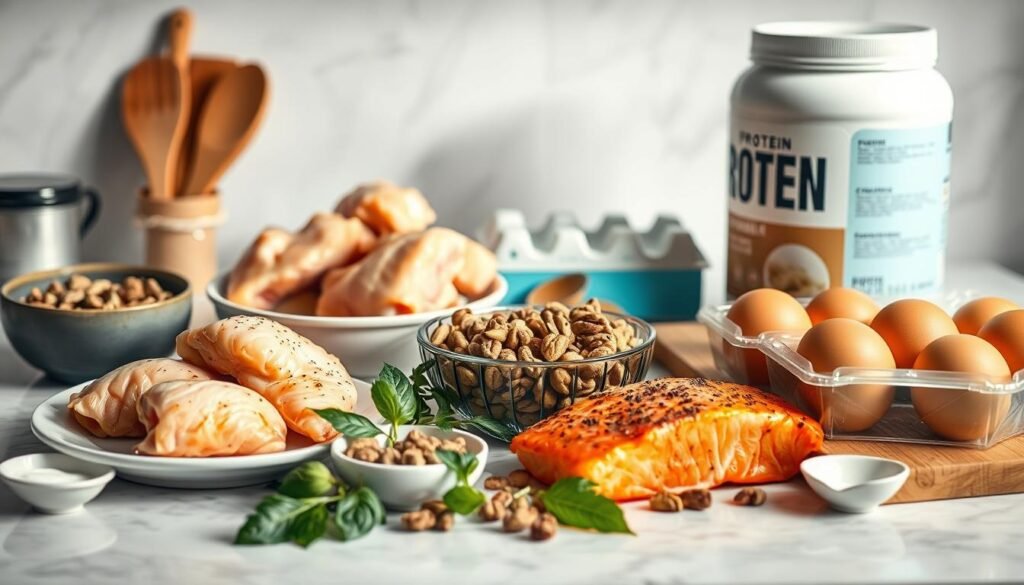
Animal products are known for their high-quality protein and complete amino acid profiles. Here are some top choices:
- Chicken: A 3-ounce serving provides 28 grams of protein, making it a lean and versatile option.
- Salmon: Rich in omega-3 fatty acids, it supports heart health while delivering 22 grams of protein per 3 ounces.
- Greek Yogurt: With 10 grams of protein per 100 grams, it’s a great snack or breakfast addition.
- Eggs: One large egg contains 6 grams of protein and essential nutrients like choline.
- Red Meat: Provides iron and zinc, but moderation is key due to higher saturated fat content.
When cooking, avoid overcooking to preserve the protein integrity. Grilling, baking, or steaming are excellent methods.
Plant-Based Proteins
For those who prefer plant-based diets, there are plenty of nutrient-dense options. Here are some top picks:
- Quinoa: A complete protein, offering 8 grams per cup along with fiber and minerals.
- Soy Nuts: One ounce provides 12 grams of protein, making them a crunchy snack option.
- Lentils: High in fiber and protein, with 18 grams per cooked cup.
- Rice and Beans: Combining these creates a complete protein profile, ideal for meals.
- Nuts: Almonds and walnuts offer protein and healthy fats, though portion control is important.
Be cautious with plant-based protein powders, as some may contain heavy metals. Always choose reputable brands.
| Source | Protein Content |
|---|---|
| Chicken (3 oz) | 28g |
| Salmon (3 oz) | 22g |
| Greek Yogurt (100g) | 10g |
| Eggs (1 large) | 6g |
| Quinoa (1 cup) | 8g |
| Soy Nuts (1 oz) | 12g |
By incorporating a mix of animal and plant sources, you can ensure a well-rounded diet that supports your health and energy levels.
How to Incorporate More Protein into Your Diet
Starting your day with the right nutrients can set the tone for better energy and focus. Adding more nutrient-dense options to your meals doesn’t have to be overwhelming. With a little planning, you can easily meet your daily goals and feel your best.
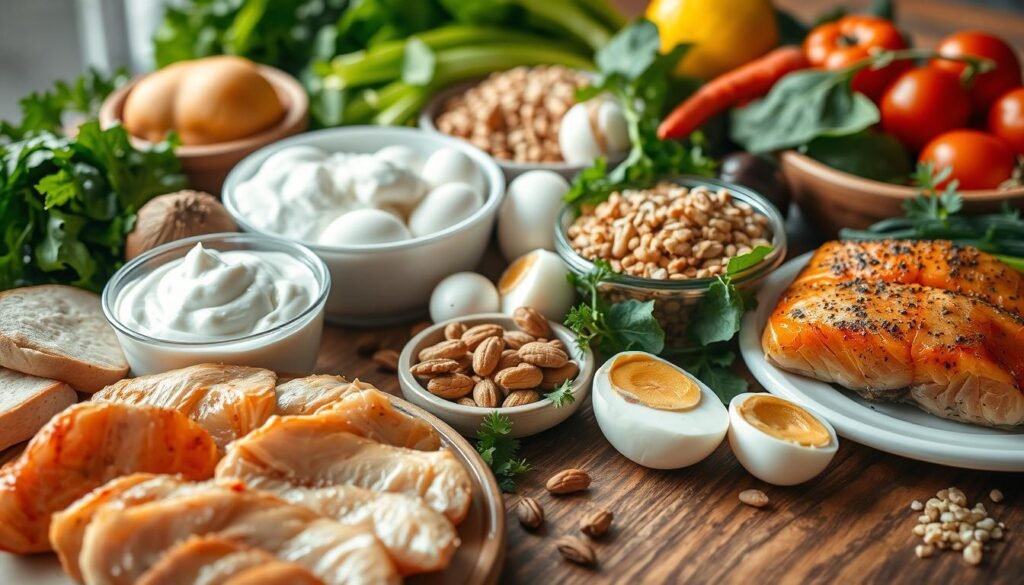
Protein-Rich Breakfast Ideas
Breakfast is a great opportunity to fuel your body for the day. Here are seven ideas beyond eggs to kickstart your morning:
- Chia Pudding: Mix chia seeds with almond milk and top with berries for a quick, high-fiber option.
- Greek Yogurt Parfait: Layer Greek yogurt with granola and fresh fruit for a creamy treat.
- Smoothie Bowl: Blend spinach, banana, and a scoop of plant-based powder for a refreshing meal.
- Good Culture Cottage Cheese: Pair with sliced avocado and cherry tomatoes for a savory twist.
- Overnight Oats: Combine oats, almond milk, and a dollop of nut butter for a grab-and-go option.
- RX/Perfect Bar: These bars are packed with nutrients and perfect for busy mornings.
- Turkey Roll-Ups: Wrap turkey slices around cucumber sticks for a protein-packed start.
Snacks and Meals with High Protein Content
Snacking smartly can keep your energy levels steady throughout the day. Here are some ideas:
- Trail Mix: Combine nuts, seeds, and a few dark chocolate chips for a satisfying crunch.
- Hard-Boiled Eggs: A portable snack that’s rich in essential nutrients.
- Lentil Soup: A hearty meal that’s easy to batch cook and freeze for later.
- Canned Fish: Budget-friendly and versatile, try adding tuna or salmon to salads or wraps.
After a workout, aim for 30 grams of protein to support muscle recovery. A smoothie with whey powder or a bowl of quinoa with veggies can do the trick.
Hydration is key when increasing your intake. Drink plenty of water to help your body process these nutrients efficiently. With a little variety and planning, you can easily incorporate more nutrient-rich foods into your diet.
Protein and Weight Management for Women Over 35
Managing your weight effectively becomes more important as you age. As your metabolism naturally slows down, focusing on the right nutrients can make a significant difference. One key player in this process is protein, which not only supports muscle health but also helps with weight loss and overall balance.
How Protein Helps with Weight Loss
Protein plays a unique role in managing your body weight. It increases the production of satiety hormones like CCK and GLP-1, which help you feel full longer. This reduces cravings and prevents overeating. A 2021 study found that consuming 30 grams of whey protein daily led to a significant reduction in body fat compared to a control group.
Additionally, protein suppresses ghrelin, the hunger hormone. This means you’re less likely to snack between meals. Pairing protein with fiber-rich foods like sweet potatoes or whole grains can further stabilize your blood sugar levels, keeping your energy steady throughout the day.
Balancing Protein with Other Nutrients
While protein is essential, it’s important to balance it with other macronutrients like carbs and fats. Extreme low-carb or high-protein diets can lead to nutrient deficiencies and energy crashes. Instead, aim for a balanced approach tailored to your body type.
For example, endomorphs (those with a slower metabolism) may benefit from a macronutrient ratio of 40% carbs, 30% protein, and 30% fats. Active women should refuel every 4-6 hours with a mix of protein and complex carbs to maintain energy and support recovery.
Here are some fiber-rich carb pairings to consider:
- Sweet Potatoes: Rich in fiber and vitamins.
- Quinoa: A complete protein and carb source.
- Brown Rice: Provides sustained energy.
- Oats: Great for breakfast or snacks.
By focusing on a balanced intake of nutrients, you can support your weight management goals while staying energized and healthy.
Common Myths About Protein for Women Over 35
When it comes to nutrition, myths can often cloud the truth, especially for women over 35. Let’s debunk some of the most common misconceptions and clarify the facts to help you make informed choices for your health.
Debunking Nutrition Myths
One common myth is that eating more nutrients will make you bulk up. In reality, this is far from the truth. Your body uses these building blocks to maintain muscle and overall health, not to add bulk. Another misconception is that you need complete nutrients at every meal. While it’s important to get a variety of amino acids, your body can combine them over time.
Timing is another area of confusion. You don’t need to consume nutrients immediately after a workout. As long as you meet your daily goals, your body will use them effectively. Lastly, processed animal products are often linked to health risks, but moderation and choosing lean options can mitigate these concerns.
Understanding the Risks of Overconsumption
While nutrients are essential, consuming too much protein can have downsides. For healthy adults, the safe upper limit is 2.5 grams per kilogram of body weight. Exceeding this can strain your kidney function, especially if you have pre-existing issues. Balancing your diet with plant-based foods can help avoid constipation, a common side effect of low fiber intake.
Here are three signs you might be overdoing it:
- Feeling constantly thirsty or dehydrated.
- Experiencing digestive issues like bloating or constipation.
- Noticing changes in your energy levels or mood.
For more tips on maintaining a balanced lifestyle, check out this guide on fitness for women over 35.
Conclusion
Your health journey after 35 deserves a tailored approach. Understanding your body’s changing requirements is key to maintaining strength and vitality. A balanced diet rich in diverse nutrients supports muscle, bone, and overall well-being.
Remember, there’s no one-size-fits-all solution. Personalized nutrition ensures you meet your unique goals. Incorporate a mix of animal and plant-based sources to keep meals exciting and nutrient-packed.
For expert guidance, consider reaching out to SSI nutrition counseling. They can help you create a plan that fits your lifestyle and needs. Take the first step today—your future self will thank you!
FAQ
Why is protein important for women over 35?
Protein helps maintain muscle mass, supports bone health, and boosts metabolism, which are especially important as you age.
How much protein should women over 35 consume daily?
Experts recommend about 0.8 to 1.2 grams per kilogram of body weight, depending on activity level and health goals.
What are the best sources of protein for women over 35?
Great options include lean meats, fish, eggs, dairy, legumes, nuts, and seeds. Both animal and plant-based sources work well.
Can protein help with weight management?
Yes, it can! Protein keeps you fuller longer, reduces cravings, and supports a healthy metabolism, aiding in weight loss or maintenance.
Are there risks to consuming too much protein?
Excessive intake can strain the kidneys over time. It’s best to balance your diet with a variety of nutrients.
How can I add more protein to my meals?
Try adding Greek yogurt to breakfast, snacking on nuts, or including beans, lentils, or tofu in your lunch and dinner recipes.
Do plant-based proteins provide enough essential amino acids?
Yes, but it’s important to eat a variety of plant foods like quinoa, soy, and legumes to ensure you get all the amino acids your body needs.
Does protein intake affect hormonal changes in women over 35?
Yes, it can help stabilize hormones by supporting muscle repair and energy levels, which is crucial during hormonal shifts.
Is it true that protein can help with bone health?
Absolutely! Protein works with calcium and vitamin D to strengthen bones, reducing the risk of osteoporosis as you age.
What are some high-protein snack ideas?
Try hard-boiled eggs, cottage cheese, hummus with veggies, or a handful of almonds for a quick and satisfying protein boost.