
Did you know your body could start changing years before menopause officially begins? Many women are surprised to learn that hormonal shifts can trigger noticeable differences as early as their 40s—or even sooner.
This natural transition, often misunderstood, marks the gradual shift toward the end of reproductive years. Fluctuating hormones may bring subtle or significant shifts in how you feel physically and emotionally.
While every woman’s experience varies, recognizing the signs early helps you navigate this phase with confidence. Some changes are fleeting, while others may last several years. The key? Understanding what’s normal—and when to seek guidance.
What Is Perimenopause?
Your body’s journey toward menopause doesn’t happen overnight—it’s a gradual shift called perimenopause. This phase, lasting several years, prepares your body for the end of reproductive years through hormonal changes.
The Transition Before Menopause
During perimenopause, your ovaries produce fewer eggs, causing hormone levels to fluctuate. Estrogen and progesterone rise and fall unpredictably, leading to irregular periods and other changes. Unlike menopause (which begins after 12 months without a period), you’ll still ovulate occasionally—meaning pregnancy is possible.
How Perimenopause Differs from Menopause
Menopause is a single milestone, but perimenopause is the winding road leading to it. Key differences:
- Fertility: You’re not officially infertile until menopause, even if cycles become sporadic.
- Hormones: Progesterone often drops first, creating an imbalance with estrogen.
- Exceptions: Surgical menopause (after ovary removal) skips perimenopause entirely.
Birth control pills can mask signs by regulating cycles, so tracking changes helps identify the transition.
When Does Perimenopause Start?
Hormonal changes don’t wait for a calendar date—they arrive on their own timeline. For most women, shifts begin between their mid-30s and mid-50s, with the average starting in the mid-40s. This phase can last 8–10 years before menopause officially begins.
Typical Age Range for Onset
Your body signals the transition uniquely. Genetics play a key role—if your mother started early, you might too. Racial and ethnic differences exist, with some studies showing Black and Hispanic women often start slightly earlier than white women.
Factors That Influence Timing
Beyond genetics, lifestyle and health history matter. Smokers may reach menopause 1–2 years earlier due to toxins affecting ovarian function. Medical treatments like chemotherapy or surgeries (hysterectomy) can accelerate hormonal decline.
Primary ovarian insufficiency (POI) triggers early changes before age 40. Autoimmune conditions or thyroid disorders may also alter your timeline. Tracking irregularities helps you and your doctor spot patterns.
How Long Does Perimenopause Last?
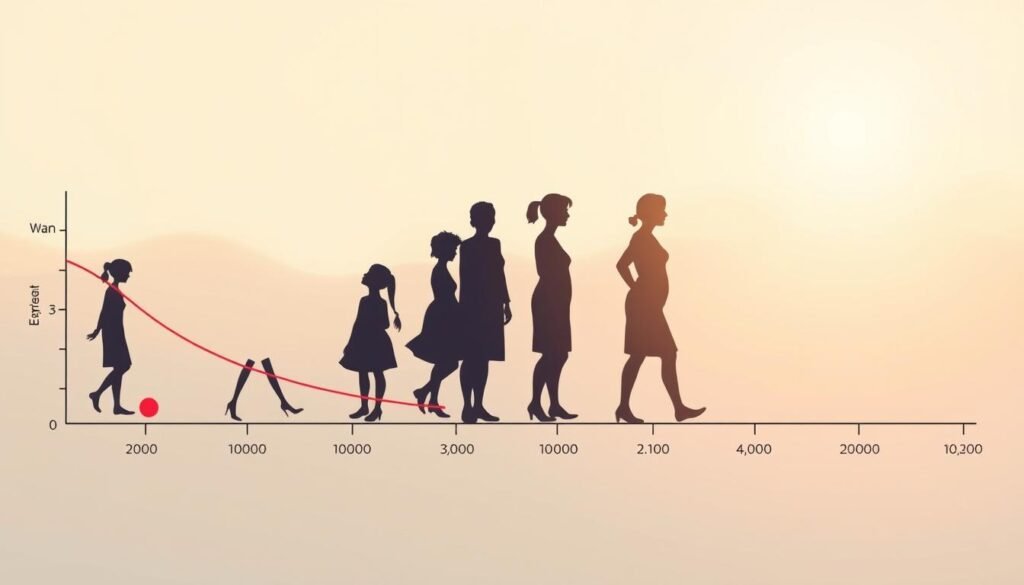
The road to menopause isn’t a sprint; it’s a marathon with changing milestones. For most women, this phase spans 2–8 years, averaging 4 years. However, your journey depends on genetics, health, and lifestyle.
Average Duration and Variability
Your body’s timeline is unique. While the final menstrual period typically occurs around age 51, early shifts can start a decade prior. Smokers or those with autoimmune conditions may experience shorter transitions.
| Stage | Duration | Key Changes |
|---|---|---|
| Early | 2–4 years | Mild cycle irregularities, occasional hot flashes |
| Late | 1–3 years | Frequent missed periods, hormone crashes, vaginal dryness |
What to Expect Over Time
Early on, cycles may shorten by a few days. Later, gaps between periods grow longer. Hormone fluctuations can trigger sudden symptom surges, like night sweats or mood swings.
In the final stretch, vaginal atrophy becomes more common. After menopause, many changes stabilize, though some effects (like bone density loss) persist.
Common Perimenopause Symptoms
Ever felt a sudden wave of heat or unexplained irritation? Your hormones could be shifting. As your body prepares for menopause, you might experience a mix of physical and emotional changes—some obvious, others subtle. Recognizing these signs helps you respond with confidence.

Physical Changes You Might Notice
Hot flashes affect 85% of women, often starting as a warm rush in the chest or face. Triggers like caffeine or stress can intensify them, lasting from seconds to minutes. Night sweats—their after-hours counterpart—may disrupt sleep as your body misinterprets temperature cues.
Other common shifts include vaginal dryness (56% of women) due to thinning tissues, and urinary urgency as estrogen levels drop. Lesser-known signs like tinnitus or a burning mouth sensation can also occur.
Emotional and Mental Health Shifts
Hormonal rollercoasters often spark mood swings, from sudden tears to unexplained frustration. Some call this “meno-anger”—a surge of irritability tied to progesterone dips. About 70% report brain fog or memory lapses, making multitasking harder.
For some, these changes escalate into anxiety or depression. Estrogen’s role in serotonin regulation means its decline can amplify emotional sensitivity. If feelings persist, reaching out to a healthcare provider is key.
Hormonal Changes During Perimenopause
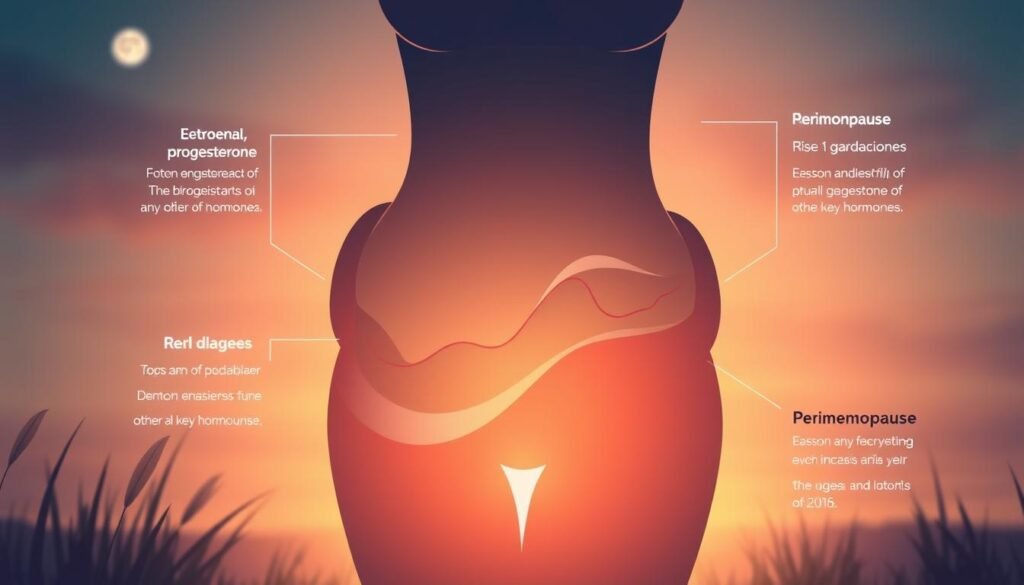
Your hormones are like a symphony—sometimes harmonious, sometimes unpredictable. During this transition, estrogen and progesterone rise and fall unevenly, creating a ripple effect across your body and mood. Understanding these shifts helps you navigate them with clarity.
Estrogen and Progesterone Fluctuations
Your ovaries gradually produce less estrogen, causing levels to swing between 30–400 pg/mL. Meanwhile, progesterone (the calming hormone) drops faster, leading to imbalances. Key changes include:
- FSH spikes: Levels soar above 25 mIU/mL as your brain signals the ovaries to work harder.
- Cortisol surges: Stress hormones increase by 20–30%, linking to weight gain and fatigue.
- Thyroid interplay: Fluctuating hormones can slow metabolism, mimicking hypothyroidism.
Impact on Your Body and Mood
Estrogen’s decline affects more than your cycle. It protects bone density and brain health, so dips may raise osteoporosis risk. Progesterone drops disrupt sleep, while lower androgens (like testosterone) reduce libido.
Emotionally, these hormone levels influence serotonin. Sudden progesterone crashes may trigger irritability or anxiety. Cortisol’s rise amplifies stress, creating a cycle that’s hard to break.
Tracking these changes with a doctor helps tailor solutions, from lifestyle tweaks to targeted therapies.
How to Know If You’re in Perimenopause
Noticing changes in your cycle? It might be more than just stress. Your body’s hormonal shifts often announce themselves through subtle—or dramatic—shifts in your menstrual rhythm. Learning to spot these patterns helps you respond proactively.

Tracking Irregular Periods
Your cycle is a barometer for hormonal health. Early-phase shifts often include:
- Shortened cycles (21–24 days) due to faster follicle depletion.
- Flooding or clotting, signaling estrogen dominance.
- Anovulatory cycles (no ovulation), causing erratic progesterone drops.
Late-stage changes involve gaps of 60+ days between periods. Apps like Clue or Flo simplify tracking, but a pen-and-paper journal works too. Note flow intensity, cramps, and breast tenderness—these details reveal patterns.
| Cycle Change | What It Means | Action Step |
|---|---|---|
| 7+ day variability | Early hormonal shifts | Start a symptom log |
| 60+ day gaps | Late-stage transition | Discuss options with your doctor |
Recognizing Early Signs
Beyond your cycle, watch for:
- Disappearing PMS (progesterone drops may lessen mood swings).
- New food sensitivities (hormones affect gut health).
- Energy dips—pair tracking with low-impact exercises to combat fatigue.
Progesterone cream testing can clarify imbalances, but consult a healthcare provider first. Your body’s signs are unique—what’s fleeting for one might persist for another.
Diagnosing Perimenopause
Irregular cycles and mood swings might have you questioning—could this be the transition? While no single test confirms it, doctors use a combination of tests and health history to identify hormonal shifts.
When to See a Doctor
Schedule a visit if you notice:
- Cycle changes (skipped periods, heavy bleeding)
- Hot flashes disrupting sleep or daily life
- New anxiety or brain fog affecting work
Your doctor will rule out thyroid disorders or anemia first. Tracking symptoms for 3+ months helps spot patterns.
Tests and Evaluations
Blood work often includes:
- FSH testing: Levels above 25 mIU/mL (tested 3+ times) suggest ovarian decline.
- AMH levels below 0.2 ng/mL indicate low egg reserve.
- Thyroid panels to exclude mimic conditions.
Transvaginal ultrasounds check uterine health, while saliva tests lack reliability. If results are unclear, your doctor may suggest a trial of hormone therapy to gauge response.
Managing Perimenopause Symptoms
Small daily tweaks can make a big difference in how you feel during this transition. Instead of overhauling your routine, focus on sustainable changes that support your body’s needs. From cooling techniques to nutrient-rich meals, these strategies help you stay balanced.
Lifestyle Adjustments for Relief
Cooling layers are a game-changer for hot flashes. Wear breathable fabrics like cotton and keep a portable fan handy. Temperature-regulated bedding (like moisture-wicking sheets) can improve sleep quality.
Mindfulness practices, such as deep breathing or yoga, reduce hot flash severity by 44%. Even 10 minutes daily helps regulate stress hormones. For pelvic floor health, try Kegel exercises or gentle Pilates.
Diet and Exercise Tips
Foods rich in soy isoflavones (tofu, edamame) mimic estrogen and may ease flashes. Magnesium-packed options like spinach and almonds support muscle relaxation. A Mediterranean diet—focusing on fish, olive oil, and veggies—boosts heart health.
| Strategy | Benefit | Frequency |
|---|---|---|
| Aerobic exercise | Improves mood, maintains weight | 150 mins/week |
| Protein intake (1g/kg) | Preserves muscle mass | Daily |
| Hydration + electrolytes | Reduces bloating, fatigue | Throughout day |
Pair these tweaks with consistent movement—walking, swimming, or dancing—to stabilize energy levels. Your body thrives on rhythm, not rigidity.
Medical Treatments for Perimenopause
When lifestyle changes aren’t enough, medical options can help restore balance. Your doctor might recommend hormone therapy or other treatments tailored to your needs. Understanding the pros and cons ensures you make informed choices.
Hormone Therapy Options
Systemic hormone therapy (HT) replaces estrogen and progesterone to ease flashes, mood swings, and vaginal dryness. It’s available as pills, patches, or gels. Low-dose vaginal estrogen (creams, rings) targets local issues like dryness without significant risk.
Combined oral contraceptives (COCPs) may help younger women but aren’t safe if you smoke or have a history of blood clots. Always discuss contraindications with your doctor.
Non-Hormonal Medications
For those avoiding hormones, medications like fezolinetant block brain receptors triggering hot flashes, reducing them by 60%. SSRIs (e.g., paroxetine) improve mood and vasomotor symptoms.
Gabapentin, typically used for nerve pain, can ease night sweats at low doses. Ospemifene helps with painful intercourse by thickening vaginal tissues. Each option balances benefits and side effects.
Choosing the right treatment boosts your quality life. Work with your healthcare provider to match solutions to your body’s signals.
Mental Health and Perimenopause
Feeling suddenly overwhelmed or emotionally drained? Hormonal shifts might be the hidden cause. Nearly 45% of women report their first-ever mood disorders during this phase. Fluctuating estrogen and progesterone directly impact brain chemistry, altering your emotional resilience.
Coping with Anxiety and Depression
Hormonal imbalances disrupt GABA receptors, which regulate calmness. This can trigger panic attacks or persistent anxiety. Cognitive Behavioral Therapy (CBT) reduces psychological distress by 58% by teaching thought-challenging techniques.
For depression, tracking moods via apps like Moodpath helps identify triggers. Hormone therapy (HT) may have antidepressant effects by stabilizing serotonin. Key strategies include:
- Prioritize sleep: Cortisol spikes worsen emotional swings.
- Move daily: 20 minutes of walking boosts endorphins.
- Limit caffeine: It amplifies jitteriness and insomnia.
Seeking Support and Counseling
Group therapy decreases isolation by connecting you with others navigating similar challenges. Look for providers specializing in hormonal mental health—they understand the nuanced link between physiology and emotions.
| Resource | Benefit | How to Access |
|---|---|---|
| CBT Programs | Reduces anxiety long-term | Psychology Today’s therapist directory |
| Crisis Hotlines | Immediate support | Text HOME to 741741 (U.S.) |
| HRT Consultation | Addresses hormonal roots of depression | Ask your OB-GYN for screening |
Remember: Your emotions are valid. Seeking help isn’t weakness—it’s a proactive step toward balance.
Conclusion
Navigating this phase doesn’t mean surrendering to discomfort—it’s about adapting. Your body’s transition is a natural part of life, and 92% of women find relief with tailored care.
Partner with your doctor to explore options, from lifestyle tweaks to treatments. Prioritize long-term health—bone scans and heart checks matter now more than ever.
Remember: Changes ease post-menopause. You’re not just enduring this phase; you’re mastering it. Every step forward is a win.
FAQ
What is the difference between perimenopause and menopause?
Perimenopause is the transition phase before menopause, marked by hormonal shifts and irregular periods. Menopause begins when you’ve gone 12 months without a period.
At what age does perimenopause usually start?
Most women notice changes in their late 30s to early 40s, but it can vary. Genetics, lifestyle, and health conditions influence timing.
How long does perimenopause last?
The average duration is 4–8 years, but some experience it for just a few months or over a decade. Symptoms often fluctuate in intensity.
What are the most common signs of perimenopause?
Hot flashes, night sweats, mood swings, and irregular cycles are typical. You might also notice vaginal dryness or trouble sleeping.
Can hormone levels confirm perimenopause?
Doctors sometimes check FSH or estrogen levels, but symptoms and period changes are usually clearer indicators. Blood tests aren’t always definitive.
When should I see a doctor about perimenopause?
If symptoms disrupt your daily life—like severe mood swings or heavy bleeding—consult a healthcare provider. They can rule out other conditions.
Are there natural ways to manage symptoms?
Yes! Regular exercise, a balanced diet, and stress-reducing practices like yoga or meditation can help. Avoiding caffeine and alcohol may also ease hot flashes.
What medical treatments are available?
Hormone therapy (HT) can relieve severe symptoms. Non-hormonal options like antidepressants or gabapentin may also be prescribed for hot flashes or mood changes.
Can perimenopause affect mental health?
Absolutely. Hormonal shifts may trigger anxiety, irritability, or depression. Therapy, support groups, or medication can provide relief.
Will I gain weight during this phase?
Metabolism slows with age, but staying active and eating nutrient-rich foods helps maintain a healthy weight. Hormonal changes can make it trickier, but not inevitable.