

Curious whether simple, kitchen-friendly methods can safely lift hyperpigmentation and even your skin tone?
Hyperpigmentation refers to patches or areas where your natural skin tone turns darker. Age spots are common and usually harmless, but they can change your face and confidence.
You’ll find gentle, home options such as aloe vera, apple cider vinegar, green and black tea, licorice extract, milk (lactic acid), and even red onion preparations. These approaches aim to improve your skin without harsh lab chemicals.
Safety first: always patch test, avoid irritation (which can worsen hyperpigmentation), and be cautious with melasma during pregnancy. If a DIY route does not help, a board-certified dermatologist can recommend in-office treatment or other treatments backed by research.
You’ll learn step-by-step how to apply mixes, how long to leave them on, and simple prevention tips like daily sunscreen to protect results and maintain a more even appearance over time.
Understand dark spots and hyperpigmentation before you start
Understanding why pigment builds up will help you pick safer, more effective ingredients. Hyperpigmentation causes your skin to darken in patches or across the body. Knowing the type of change makes a big difference in choosing treatments and avoiding irritation.
Common types
- Sunspots (age or liver spots) — flat, small areas that show after long-term sun exposure and often appear on the face and hands.
- Melasma — patchy, symmetric discoloration linked to hormones like pregnancy or birth control.
- Post‑inflammatory hyperpigmentation — darker marks left after acne, cuts, or skin irritation.
Top causes in the U.S.
- Chronic sun exposure is the main driver of visible spots and uneven tone.
- Hormones, certain medications, endocrine issues, and insulin resistance can all trigger pigment changes.
- Skin trauma or chronic inflammation often creates persistent localized marks.
Tip: If your spots appeared quickly or look unusual, check with a dermatologist before you try any remedies.
Safety first: smart patch testing and when to see a dermatologist
Start with a simple patch test so you can spot unwanted reactions early. Do this on a small, hidden area of skin and leave the mix in place for 24–48 hours. If you see redness, swelling, or feel burning, stop immediately.
Irritation can worsen hyperpigmentation, especially on darker skin tones. If you have melasma or are pregnant, go slower and consider asking a dermatologist before trying new treatments.
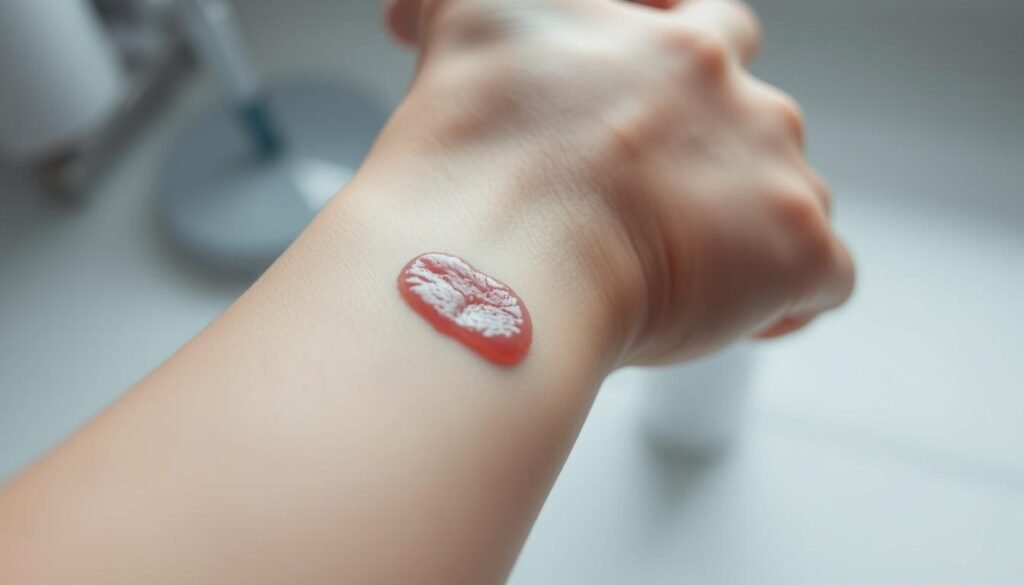
Keep changes gradual. Introduce one product at a time so you can tell which item caused any negative effect. Avoid layering multiple new things on your face at once.
Red flags: sudden growth or change, persistent stinging, bleeding, pain, or a spot that evolves quickly. Call your dermatologist if any of these occur.
- Do a 24–48 hour patch test on a discreet area.
- Stop if you get stinging, burning, redness, or swelling—these effects can make hyperpigmentation worse.
- People with darker skin tones and anyone with melasma should proceed cautiously and may also want professional advice.
- Check with a doctor if spots appear suddenly, change fast, bleed, or feel painful or tingly.
Natural remedies for dark spots: your step-by-step game plan
A step-by-step approach helps you test one ingredient at a time and avoid irritation that can worsen pigmentation.
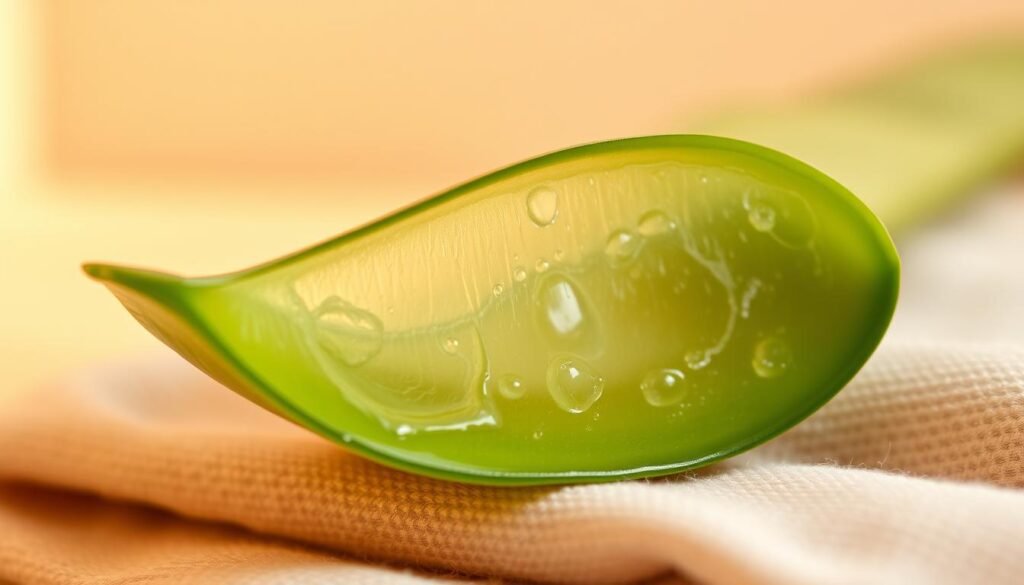
Aloe vera gel: night application
Apply pure aloe vera gel to clean, pigmented areas before bed. Smooth a thin layer and let it absorb overnight.
Rinse in the morning. Repeat daily to help lighten skin tone over time.
Apple cider vinegar: correct dilution and minutes
Mix apple cider vinegar 1:1 with water. Use a cotton pad to apply to targeted areas for 2–3 minutes, then rinse with warm water.
Start once daily and build to twice daily only if your skin tolerates the routine.
Green tea extract and tea bags
Use green tea extract diluted per label instructions on clean, dry skin.
For green tea bags, steep 3–5 minutes, cool, and gently press the bag on affected areas twice daily.
Black tea water and other topical options
Brew 1 tablespoon black tea leaves in 1 cup boiling water, steep 2 hours, then strain and cool. Apply with cotton twice daily.
- Licorice extract (glabridin): choose OTC creams that list licorice extract high in the ingredients and follow directions.
- Milk / lactic acid: dab milk, buttermilk, or sour milk on spots with a cotton pad twice daily for gentle exfoliation.
- Red onion (Allium cepa): buy reputable creams that contain Allium cepa and patch test before use.
Quick tips: Apply to clean, clearly defined areas, avoid layering multiple acids, and track progress weekly. Always patch test, especially if you have melasma or sensitive skin.
How to build your weekly routine without overdoing it
Begin with a single ingredient so you can watch how your skin reacts. Start one home remedy at a time, such as aloe vera gel nightly, and keep the rest of your routine minimal for 1–2 weeks.
Limit on-skin minutes for stronger acid treatments like diluted apple cider vinegar. Use short contact times at first and only increase minutes if your skin stays calm.
Alternate acid-based options on different days to reduce cumulative effects. On nights after acids, use soothing items (aloe or milk) to help restore your barrier.
- Treat only the specific areas with marks; avoid applying actives to your whole face.
- Keep sunscreen, a gentle cleanser, and a basic moisturizer as daily foundations before adding any home remedies.
- Note any effects such as tightness or redness; if they persist, scale back or stop the treatment.
- Avoid stacking multiple treatments in one session; space stronger treatments between morning and evening.
Tip: Read product labels and follow directions precisely—more isn’t better with acids. If you plateau after several weeks, pause a remedy or consult a dermatologist.
Sun-smart habits that prevent new spots and protect your progress
Protecting your skin from daily sun exposure is the single best way to stop new spots and keep treatments working. Make sun protection part of every morning routine so fading gains aren’t reversed by UV later in the day.

Simple actions add up:
- Apply a broad-spectrum SPF 30+ every morning, even on cloudy days, to shield treated areas and your face.
- Wear a wide-brimmed hat and UV sunglasses to protect high-exposure areas like the cheeks and forehead.
- Schedule outdoor activity before 10 a.m. or after 4 p.m. and seek shade at peak midday sun.
- Reapply sunscreen every two hours and after sweating or water exposure to maintain coverage.
- Treat acne and irritation promptly to prevent new post-inflammatory marks from forming.
Tip: Be extra vigilant on days you use acids or tea-based treatments—keep SPF, cover-up clothing, and a travel-size sunscreen handy.
Results timeline: what you can realistically expect
You should plan on weeks to months before noticing a clear improvement in treated areas. Small, steady changes are the norm; dramatic shifts rarely happen overnight.
What the research and experience show: many home approaches have limited research and subtle effects. Track progress with weekly photos in consistent lighting to judge the true change in your skin and appearance.

- Expect gradual improvement — subtle changes in skin tone and spots often take several weeks of consistent use.
- If you apply aloe vera gel nightly, give it at least 4–8 weeks before judging results.
- Tea-based methods (green tea, tea extract, green tea bags or black tea water) may show effects after a few weeks of twice-daily application to applied skin.
- Lactic acid from milk works slowly; avoid over-exfoliating and be patient.
Note: melasma can be stubborn and tends to recur with sun exposure. Prioritize daily SPF and expect slower gains on the face.
If you don’t see meaningful change after 8–12 weeks, consider adjusting your routine or consulting a dermatologist to get rid of persistent marks. Small setbacks like sensitivity can happen; pause, moisturize, and reintroduce treatments slowly once your skin feels calm.
When home remedies aren’t enough: evidence‑based treatments to discuss
When at-home care doesn’t deliver, medical treatments can target pigment more precisely. Talk with your dermatologist about options that match your skin type, the cause of hyperpigmentation, and your downtime preferences.
Prescription creams (examples and timeline)
Topical prescription creams such as hydroquinone (3–4%) reduce melanin over months and can improve appearance on the face and body.
Use only under medical supervision and pair with daily SPF to prevent recurrence.
In‑office procedures to consider
- Chemical peels: speed exfoliation and help fade spots after a series of sessions.
- Microdermabrasion: gently removes the top layer to stimulate renewal; multiple visits often give best results.
- IPL / laser: targets melanin directly and can efficiently get rid of sun-related marks with proper settings.
- Cryotherapy: freezes select lesions with liquid nitrogen; treated skin may lighten as it heals.
Note: Costs, downtime, and suitability vary. Your provider will tailor treatment and advise on post-care such as water-based gels and strict sun protection to support healing.
Conclusion
A clear, steady plan helps you manage skin pigmentation safely at home. Start with one gentle ingredient like aloe vera, cooled green tea or milk (lactic acid), and patch test each new item.
Use diluted apple cider vinegar only in short contact times and watch for sensitivity. Consistent use plus daily SPF and smart sun habits protect your progress and improve overall appearance.
If marks like stubborn melasma or liver spots persist, consult a dermatologist about evidence-based treatments. Track results with photos and pause any method that causes irritation—your skin’s health matters most.
FAQ
What causes sunspots, melasma, and post‑inflammatory hyperpigmentation?
These types of pigmentation happen when melanin production increases in specific areas. Sun exposure is the top trigger in the U.S., and hormones (pregnancy, birth control), certain medications, and skin irritation or injury can also cause patches to appear. Identifying the type helps you choose safer, more effective treatments.
How should I patch test aloe vera, apple cider vinegar, or tea extracts?
Apply a small amount of the product to an inner forearm or behind your ear and leave it for 24 hours. If you get redness, stinging, swelling, or blistering, stop using it. Test each ingredient separately and avoid leaving acidic mixtures like diluted apple cider vinegar on sensitive or darker skin without professional guidance.
How do I use aloe vera gel to help lighten spots?
Use pure aloe vera gel at night on clean skin. Apply a thin layer over the spot and let it absorb. Aloe contains aloin and aloesin, which may help even tone with consistent use. Always pair topical treatments with daily SPF to prevent new pigmentation.
What dilution of apple cider vinegar is safe, and how long should it stay on the skin?
Dilute apple cider vinegar 1:3 or 1:4 with water for a mild application. Start with 30–60 seconds on a small area, rinse, and watch for irritation. If tolerated, you can gradually increase to a few minutes before rinsing. Never use full‑strength vinegar; it can burn and worsen pigmentation.
Can I use green tea bags or green tea extract on my face?
Yes. Brew green tea, let it cool, then apply with a cotton pad or a cooled tea bag for a calming anti‑oxidant effect. Green tea extract in OTC creams can also help. Use gently once or twice daily and stop if you notice irritation.
How do I make and use black tea water at home?
Steep plain black tea in hot water, let it cool, then dab onto spots with a cotton pad twice daily. Black tea contains tannins that may slightly improve skin appearance over weeks. Be consistent and always protect treated areas from sun exposure.
Which over‑the‑counter ingredients should I look for on labels?
Look for licorice extract (glabridin), lactic acid, and standardized green tea extract. These ingredients can support pigment reduction with fewer risks than harsh acids. Check concentrations and pair with moisturizer and sunscreen to avoid dryness or irritation.
How can milk or lactic acid be used safely on skin?
You can use milk, buttermilk, or sour milk on a cotton pad and apply for a few minutes, then rinse. These contain lactic acid, a mild exfoliant that helps with skin tone. Start slowly—once or twice weekly—and discontinue if you get irritation or persistent redness.
Are red onion extracts effective and safe?
Red onion (Allium cepa) is found in some topical formulations marketed to improve scar and discoloration appearance. Use products from reputable brands and follow label directions. Avoid homemade raw onion applications—these can irritate and worsen discoloration.
How often should I use these treatments without overdoing it?
Build a weekly routine that alternates active treatments with gentle care. Start with 2–3 targeted sessions per week for acids or vinegar, and use gentler options (aloe, tea) daily as tolerated. Monitor your skin and reduce frequency at the first sign of irritation.
What sun‑smart habits best prevent new patches and protect results?
Apply broad‑spectrum SPF 30 or higher every morning, reapply every two hours outdoors, wear a wide‑brim hat, and avoid peak midday sun. Timing outdoor activities to early morning or late afternoon reduces UV exposure and helps preserve any improvement.
When will I see improvement, and what is realistic to expect?
Mild improvements may appear after 4–8 weeks, but meaningful change often takes 3–6 months of consistent use. Results depend on the cause, your skin type, and sun protection. Some types of pigmentation respond slowly or require stronger treatments.
When should I see a dermatologist instead of relying on at‑home options?
See a dermatologist if a spot changes quickly, bleeds, itches, or grows, or if home measures cause persistent irritation. Also consult a pro if you don’t see improvement after several months—treatments like prescription hydroquinone, chemical peels, lasers, microdermabrasion, IPL, or cryotherapy may be more effective.
Can prescription skin‑lightening creams help when home care fails?
Yes. Prescription creams such as hydroquinone, often combined with retinoids or corticosteroids, can speed pigment reduction under medical supervision. A dermatologist will tailor treatment to your skin tone and monitor for side effects.
Are in‑office procedures like peels or lasers worth considering?
Chemical peels, microdermabrasion, IPL/laser, and cryotherapy can offer faster and more noticeable results than topical approaches. They carry risks—especially for darker skin types—so you should consult a dermatologist experienced in treating pigment disorders to minimize complications.


