
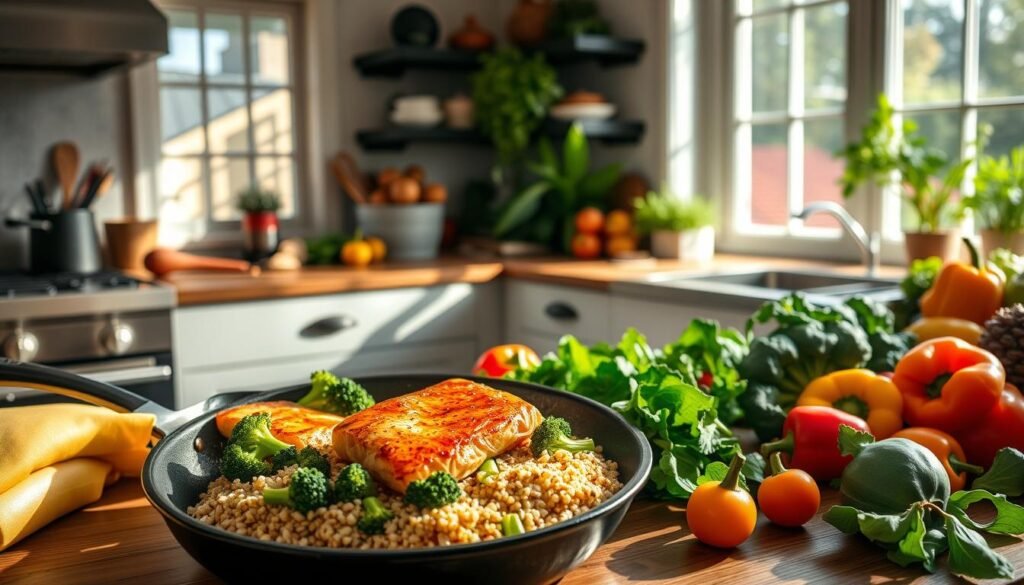
Can a full-flavor meal calm your stomach instead of upsetting it?
You want tasty food that won’t leave you sidelined. This short list gives seven weeknight-friendly recipes and simple swaps so your meals stay soothing and satisfying.
Learn to use garlic-infused oil and the green tops of scallions to build flavor without onion or garlic. You’ll also see how chicken and salmon shine in sheet-pan and skillet recipes that save time and wash-up.
Practical tips cover canned lentils (up to half a cup), low fodmap stock choices, and lactose-free options for creamy finishes. Use the Monash app to keep portions in the green.
Expect one-pan methods, fast prep, and clear swaps that let you mix and match recipes all week. By the end, you’ll have a reliable list of meals that protect your gut and keep dinner interesting.
Why these low-FODMAP dinner ideas work when your stomach needs comfort
When your gut is sensitive, a well-chosen plate can calm rather than trigger symptoms.
Low fodmap cooking avoids common triggers like onion and garlic while leaning on citrus, herbs, and garlic-infused oil for flavor. This keeps fermentable carbs low but the dish satisfying.
The Monash app helps you track portion size so many foods have safe servings. That makes portion control as important as ingredient choice for any meal.
These recipes work for people with IBS or SIBO because they focus on flexibility and tolerance. Swap to low fodmap stock, use green scallion tops, and rotate proteins such as chicken to keep meals varied.
“Comfort is both the food and the confidence you can eat it without flare-ups.”
- Simple salads with a low-FODMAP dressing complete the plate without overload.
- Keep a short list of trusted foods and go-to recipes to make weeknights calm.
- Small swaps — stocks, citrus, infused oils — let familiar dishes stay gentle.
Cook low-FODMAP with confidence: quick guide to flavor, portions, and timing
Flavor tricks and clear portion rules help you cook meals that agree with your gut.
Big flavour, no bloat: Sauté with garlic-infused oil and finish with chopped green spring scallion tops. Skip the white parts and omit onion or shallot in marinades. Use citrus zest, fresh ginger, toasted spices, and herbs to replace missing depth.
Portion sizes matter
Use the Monash app to check serving limits and color codes. It tells you which ingredients are safe and how much to eat so a favorite recipe stays in the green.
Easy pantry swaps for weeknights
- Choose low fodmap tomato sauce or make a quick homemade base.
- Keep lactose-free cheese, ghee, or coconut milk for creamy finishes.
- Stock canned lentils (limit 1/2 cup per serving) and low-FODMAP stock for fast protein and body.
“Read labels—many store shortcuts hide onion and garlic.”
Plan smart: Batch rice or quinoa, rotate chicken, fish, tofu, and roast quick vegetables to build reliable, tasty meals in 20–30 minutes.
One-pan lemon chicken and potatoes with herbs
A sheet-pan roast of lemony chicken and potatoes gives big flavor with little fuss.
What this recipe does: You’ll marinate chicken thighs in lemon, dried oregano, and olive oil, then roast them with potatoes on a single pan for a bright, herb-forward dish.
Ingredients and low-FODMAP swaps
Keep the ingredient list short: lemon juice, olive oil, dried oregano, salt, pepper, and potatoes. Use low fodmap stock or water if you want a bit of pan sauce.
Omit onion and garlic. If you want that aroma, add a splash of garlic-infused oil and finish with chopped green scallion tops after roasting.
On the table fast: sheet-pan method
Line the pan for easy cleanup and arrange potatoes cut-side down for crisp edges. Roast until potatoes are golden and the chicken reaches 165°F.
- Marinate briefly so prep takes minutes.
- Vary potato size to balance texture.
- Squeeze extra lemon over the dish before serving for brightness.
“Simple ingredients, single pan, and minimal cleanup make this a repeatable weeknight favorite.”
Low-FODMAP chicken tacos with citrus marinade
A quick citrus marinade turns simple chicken into a bright, gut-friendly taco filling.
Zesty lime base meets escabeche-style flavor in this easy recipe that skips raw onion to stay gentle on the gut. Marinate thighs in lime, a touch of sugar, and warm spices for 20–30 minutes to infuse flavor without fermentable carbs.
Grill or pan-sear the chicken hot and fast, then let it rest before slicing so each bite stays juicy. Serve on charred gluten-free corn tortillas topped with shredded cabbage, thin radish slices, and a few jalapeño rings if heat agrees with you.
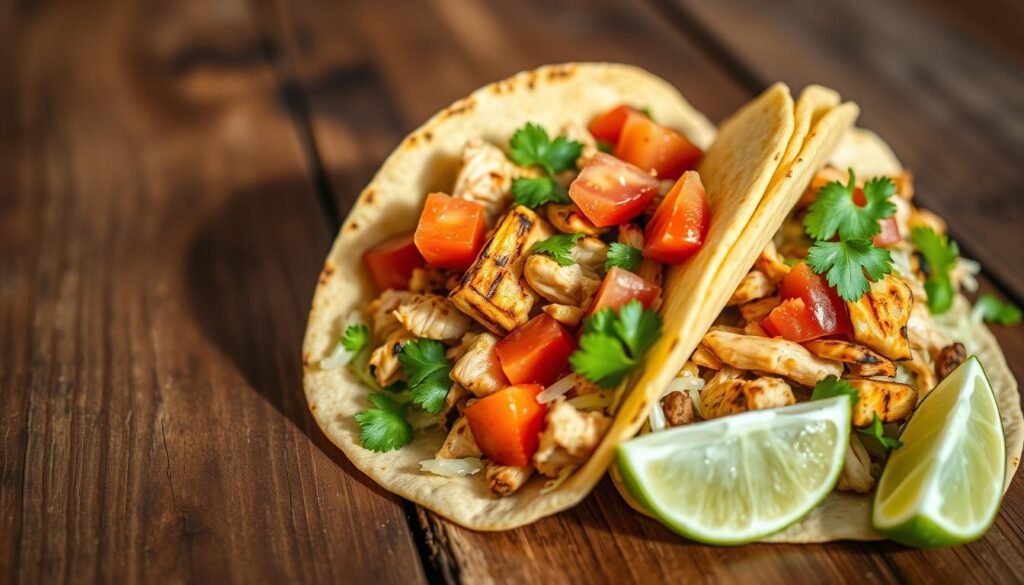
Swap ideas: Use orange or Meyer lemon in place of lime for a softer finish. Keep portions moderate so the meal stays in the green on app guides.
- Marinate in lime-based escabeche, omit raw onion.
- Quick-sear the chicken, rest, then slice for filling.
- Build crunch with cabbage and radish; warm tortillas until lightly charred.
- Add a small salad with a low fodmap dressing to round the plate.
“Bright acids and crisp veg give you bold tacos without the typical triggers.”
30-minute Thai green curry chicken made low-FODMAP
Whip up a fragrant Thai green curry that stays gentle and ready in under 30 minutes.
This quick version uses a homemade green paste made without onion or garlic. Blend fresh herbs, green chiles to your heat tolerance, lime zest, and coriander for a bright base you bloom in a hot pan.
You’ll simmer bite-sized chicken and bell peppers in coconut milk until the sauce turns silky. Finish with lime juice and chopped cilantro for a light, layered flavour.
Optionally add small portions of tomatoes or zucchini, guided by Monash portion rules so the dish stays within safe low fodmap limits. Serve with rice or a modest portion of gluten-free noodles.
- Make the paste fast—no long pounding required.
- Control chili and simmer just until chicken is tender to save time.
- This recipe repeats well—big flavour, short prep.
“Bright herbs and citrus give you restaurant-quality curry without common triggers.”
Maple-mustard baked salmon with roasted veggies
A single pan can turn simple salmon and root vegetables into a flavorful, fuss-free meal.
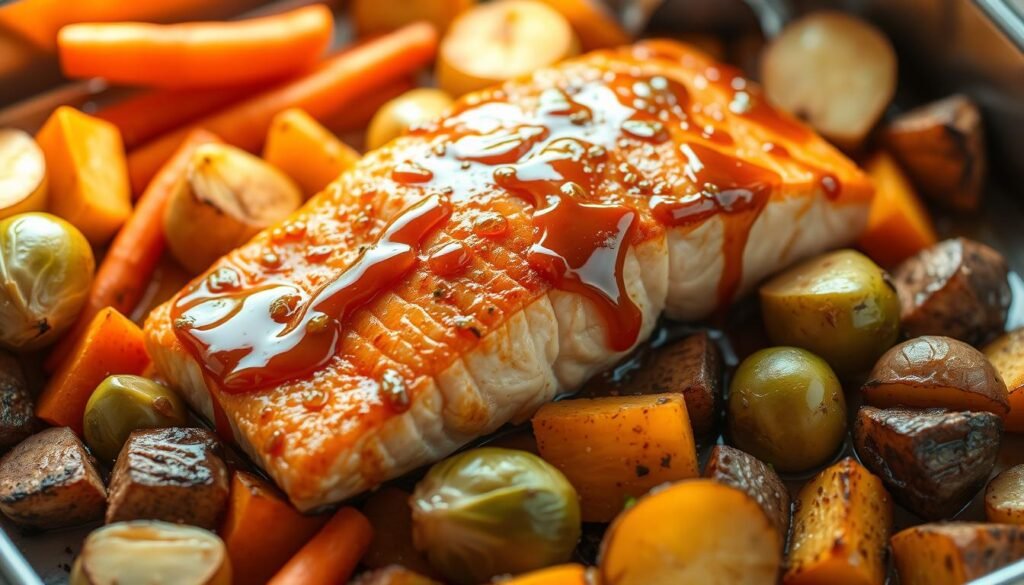
Whisk maple syrup and Dijon mustard for a quick glaze that caramelizes on top of the fish without onion or garlic. Roast carrots or small potatoes first, then nestle the salmon on the same pan so everything finishes at once.
Weeknight salmon: oven timing, potatoes or carrots, and dairy-free options
Timing matters: give the vegetables a head start, then add salmon for the final 10–12 minutes so the fish stays flaky and glossy.
Keep this meal low fodmap by using a splash of garlic-infused oil for aroma and skipping dairy. Plate with wilted spinach or a quick green salad for balance and color on the table.
- Use seasonal vegetables — zucchini in summer, carrots or potatoes in winter.
- Leftovers reheat well; the maple-mustard glaze holds flavor in lunches.
- One-pan cleanup makes this a reliable weeknight recipe that looks great on the table.
“A simple glaze and smart timing give you a restaurant-quality dish with minimal fuss.”
Fish tacos without the onion or garlic, all the flavor
Bright, citrus-forward fish tacos let you enjoy big flavor without upsetting your gut.
Season flaky white fish with cumin, smoked paprika, salt, and a generous squeeze of lime. Skip raw onion and garlic to keep the meal gentle, then sear the fillets hot so the outside crisps while the inside stays tender.
Flake the fish into warm gluten-free corn tortillas and pile on a crunchy cabbage slaw for texture. Spoon a simple tomato‑lime salsa—made with tomatoes within portion limits, cilantro, and chopped green scallion tops—for classic freshness.
- Manage tomato and slaw portions so the overall fodmap load stays low.
- Add a lactose-free yogurt-lime sauce if you tolerate dairy substitutes, or keep it light with extra lime and cilantro.
- Finish with a squeeze of lime at the table so each person customizes without adding high‑FODMAP toppings.
“Fast, colorful, and endlessly satisfying, these fish tacos belong in your weeknight rotation.”
Vegetarian quinoa enchilada bake (low-FODMAP and cozy)
This veggie-packed quinoa bake proves hearty plant meals can be gentle and satisfying.
Start with a simple tomato sauce base simmered with cumin and smoked paprika. Fold in cooked quinoa and chopped spinach or kale until the mix is moist and flavorful.
Keep the dish low fodmap by choosing plain tomato sauce instead of onion-heavy salsa and by using garlic-infused oil for depth. Omit onion and shallot to protect sensitive stomachs.
Make it your way
You can bake it as a casserole, serve it as bowls over rice or greens, or stuff the filling into bell peppers for tidy portions. A broccoli–sweet potato version works too—watch portions to stay within fodmap limits.
- Top with lactose-free cheese or a nut-free vegan alternative for melty comfort.
- Add zucchini or a little corn if you tolerate it and check portions on the Monash app.
- Meal-prep the quinoa and sauce ahead so assembly takes minutes and leftovers reheat well.
“Bold seasoning and smart swaps make a cozy, plant-forward recipe that agrees with your gut.”
Tofu and veggie power bowl with ginger-sesame vibes
A ginger-sesame glaze lifts simple tofu into a weeknight bowl you’ll reach for again.
This easy recipe starts with firm, pressed tofu you crisp in the oven or a hot pan. Toss the cubes in a glaze of fresh ginger, tamari, rice vinegar, and a touch of maple for balance.
Layer the tofu over steamed rice and low fodmap vegetables like roasted carrots, zucchini, or baby bok choy. Use green scallion tops for a fresh, allium-free lift and skip garlic-laden sauces.
- Toast sesame seeds for crunch and toss quick-pickled cucumbers for brightness.
- Prep cooked rice, pressed tofu, and chopped veggies ahead so bowls come together fast.
- Finish with a squeeze of lime or lemon and a light drizzle of sesame oil to make flavors pop.
“Balance protein, carbs, and veg so meals suit your diet and keep you full without flare-ups.”
These bowls are endlessly adaptable. Repeat the pattern with different low fodmap veg and you’ll have a reliable, flavorful option that fits your routine.
Low-FODMAP dinner ideas you can make in 20 minutes
When time is short, smart swaps turn pantry staples into a fast, gentle meal.
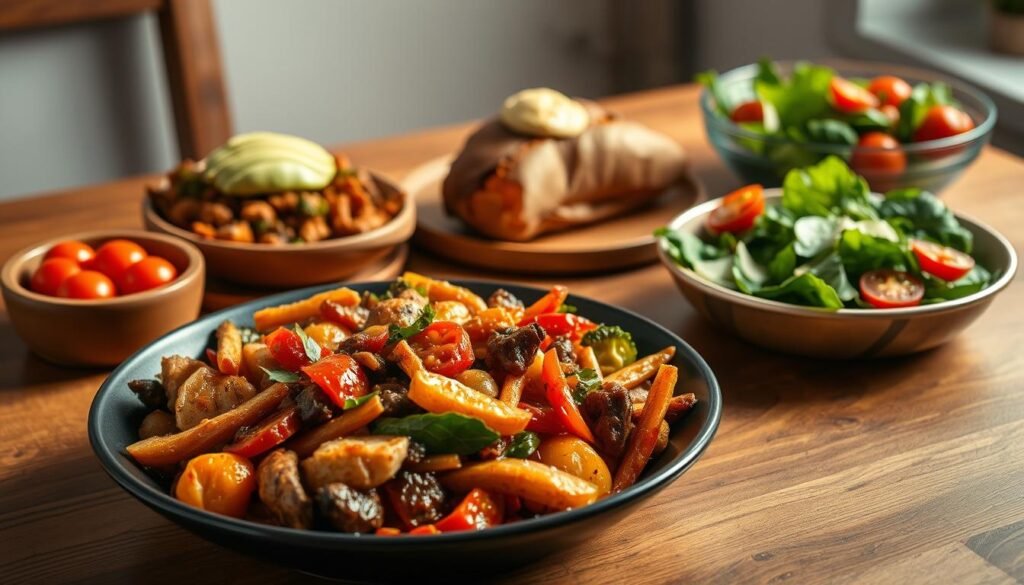
Use this short list of fast recipes so you can get a satisfying plate on the table in minutes. The picks lean on quick cooks, one-pan methods, and simple swaps so flavor stays high and triggers stay low fodmap.
Fast-track picks
- Extra-crispy gluten-free chicken tenders: bake or air-fry and omit garlic. Pair with a simple salad for a full plate.
- Pan-roast salmon with spinach: sear fish, wilt spinach in the same pan for a nutrient-dense meal that’s done fast.
- Speedy pasta swaps: use gluten-free shapes and a low fodmap tomato or vodka-style sauce for classic comfort in 20 minutes.
- One-pan salmon and orzo bake: make it safe by skipping shallot and using low-FODMAP stock or water.
“Keep portions mindful and use sheet-pan or pan methods to cut cleanup and save time.”
Tip: assemble bowls from prepped grains, leftover proteins, and fresh greens so meals practically make themselves. Save this list for nights when you need a reliable plan that works.
Simple sides and salads to round out your low-FODMAP meal
A few smart sides make a meal feel complete while staying gentle on your gut.
Go-to greens: mixed salad with low-FODMAP dressing
Keep a jarred dressing ready: citrus, mustard, and garlic-infused oil shaken with a little salt and pepper. It adds bright, savory notes without fermentable onion or raw garlic.
Toss crisp lettuce, shredded carrot, diced cucumber, and chopped green scallion tops. Add creamy avocado in small amounts and a sprinkle of seeds for crunch.
If you want protein, top the salad with a few slices of tofu or flaked fish to make a light, balanced plate.
Roasted vegetable basics: carrots, zucchini, potatoes, and tomatoes
Roast vegetables on a single tray for easy prep. Cut carrots, zucchini, and potatoes into even pieces so they finish together.
Manage tomatoes and potatoes by portioning to stay within fodmap limits. Finish the tray with a drizzle of garlic-infused oil and fresh herbs for aroma.
- Roast at high heat for caramelized edges and save a tray for leftovers.
- Use these vegetable recipes to round mains like salmon, tacos, or curry.
- Prep dressings in a jar so salads are quick all week.
“Simple sides—bright greens and roasted veg—make any meal feel complete without extra stress.”
Smart shopping and meal prep tips for your low-FODMAP week
Smart prep turns tricky weeknights into predictable, gut-friendly plates.
Build a flexible base by buying proteins, gluten-free grains, and firm vegetables you enjoy. Stock staples like garlic-infused oil, lactose-free stock, green scallion tops, and quinoa so you can mix and match quickly.
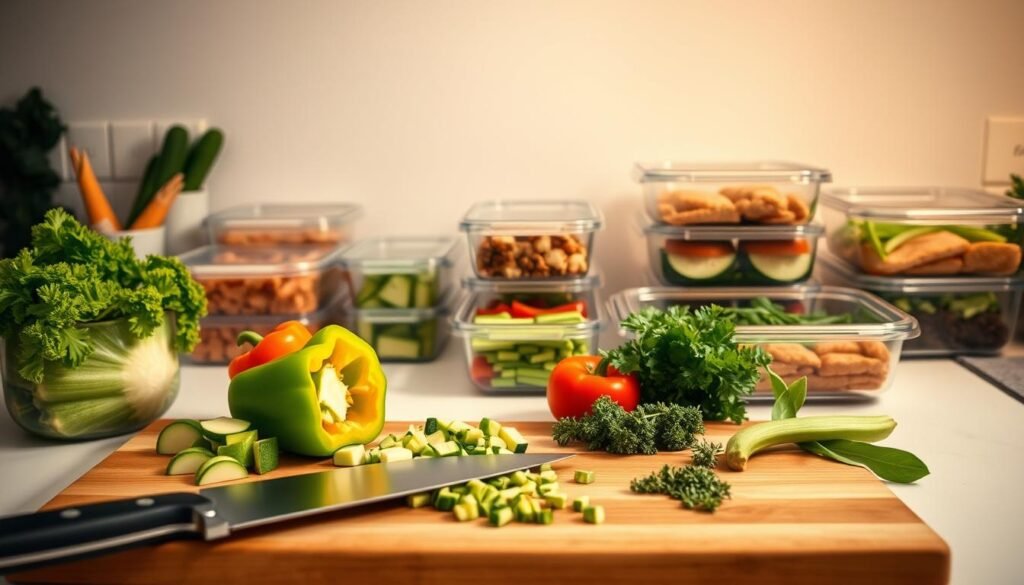
How to set up a week that actually works
- Shop once for proteins (chicken, salmon, tofu), rice or quinoa, and 3–4 vegetables for roasting.
- Batch-cook proteins and roast a tray of vegetables so you can build bowls or a quick salad each night.
- Prep a couple of low fodmap dressings and freezer-friendly sauces to add instant flavor to any recipe.
- Portion canned lentils carefully (up to 1/2 cup) for an easy, gentle protein boost.
- Map out 2–3 anchor meals and plan to remix them into bowls, tacos, or salads to cut waste.
“Label containers with dates so reheating is fast and stress-free.”
Result: you’ll save time, reduce decision fatigue, and keep meals consistent with your diet so weeknights stay calm and tasty.
Leftovers, storage, and reheating without losing flavor
With the right steps, yesterday’s meal can taste like it was made minutes ago.
Cool quickly and store food in airtight containers so flavors stay fresh and textures hold up. Keep grains, proteins, and sauces separate to avoid sogginess and to make mixing a new version fast.
Reheat gently in a low oven or a pan for a few minutes so chicken stays juicy and sauces stay silky. Curries, quinoa bakes, and the maple-mustard salmon reheat especially well.
When you prep a make-ahead recipe, omit raw onion and garlic so your stored plate stays friendly. Follow Monash portion rules and treat canned lentils as low fodmap at 1/2 cup per serving.
“A squeeze of citrus and fresh herbs brightens leftovers like new.”
- Cool and seal quickly to preserve taste.
- Reheat gently for a few minutes to avoid dryness.
- Store components separately to remix into tacos, salads, or a quick pan sauté.
- Portion to stay within fodmap guidance and reduce waste.
Conclusion
A few small habits turn weeknight cooking into steady, gut-friendly wins.
Stay flexible, and you’ll find tasty food that supports comfort and routine. This short list gives practical swaps, quick recipes, and pantry plays so your meals feel satisfying.
You’ll use garlic-infused oil and green scallion tops to add aroma without triggers. Rotate sheet-pan chicken, maple-mustard salmon, fish tacos, Thai curry, quinoa bakes, and tofu bowls so one recipe never gets old.
Rely on the Monash app for portion control, vet store sauces, and keep notes on what your body tolerates. With smart prep and simple swaps you’ll cook with confidence and return to these ideas whenever you need a reliable plan.
FAQ
How do these recipes keep flavor without onion or garlic?
You can use garlic-infused oil, green scallion tops, fresh herbs (like oregano and cilantro), citrus (lemon or lime), and grated ginger to build taste. Umami comes from low-FODMAP stocks, miso (check serving size), and toasted seeds or nuts for crunch.
Can you follow portion guidance for sensitive stomachs?
Yes. Use the Monash app or FODMAP-friendly charts to check serving sizes. Stick to recommended portions for higher-FODMAP items and pair them with safe starches—potatoes, rice, or quinoa—to reduce symptoms.
What quick swaps make a recipe gut-friendly?
Swap onion and garlic for infused oils and scallion greens, replace regular stock with low-FODMAP or homemade chicken stock, choose lactose-free dairy or plant-based milks, and pick corn tortillas or rice pasta instead of wheat.
Are potatoes and tomatoes okay on this plan?
Yes. White potatoes and most ripe tomatoes are allowed in moderate portions. Monitor servings and avoid combining several higher-FODMAP foods in one meal to keep symptoms low.
Which proteins work best for easy weeknights?
Chicken, salmon, firm tofu, and canned tuna are versatile and quick to cook. Roast, pan-sear, or grill them with lemon, herbs, and a low-FODMAP glaze for fast, satisfying meals.
How can I make a quick one-pan chicken and potato dinner?
Toss bone-in or boneless chicken and chopped potatoes with garlic-infused oil, lemon, oregano, salt, and pepper. Roast on a sheet pan at 425°F until cooked through for minimal cleanup and big flavor.
Is Thai green curry possible without onion or garlic?
Absolutely. Use green curry paste labeled low-FODMAP or make your own with green chilies, ginger, coriander, and lime. Use coconut milk and add vegetables like bell pepper, zucchini, and spinach for a quick, fragrant curry.
How do I keep salmon moist when baking with a maple-mustard glaze?
Brush the glaze on in the last 8–10 minutes of baking at 400°F to avoid overcaramelizing. Roast vegetables on the same tray but give denser roots a head start so everything finishes at the same time.
What makes a good vegetarian quinoa enchilada bake low-FODMAP?
Use a tomato sauce made without onion or garlic, add cooked quinoa, spinach or kale, and a low-lactose cheese or dairy-free alternative. Top with scallion greens and a squeeze of lime for brightness.
Can you make tasty tacos without onion or garlic?
Yes. Use citrus-marinated chicken or grilled fish, shredded cabbage, diced tomatoes (in moderation), cilantro, and corn tortillas. Add a dollop of lactose-free yogurt mixed with lime and cumin if you want creaminess.
What quick sides help round out a meal?
Mixed leafy salads with a lemon-olive oil dressing, roasted carrots, zucchini, and simple boiled potatoes work well. Keep dressings simple and free from high-FODMAP ingredients like honey or large amounts of onion.
How should I store leftovers to preserve flavor?
Cool food within two hours, store in shallow airtight containers, and refrigerate up to 3–4 days. Reheat gently with a splash of stock or water to keep sauces and grains from drying out.
What pantry staples should I buy for a low-FODMAP week?
Stock up on garlic-infused oil, low-FODMAP stock, canned coconut milk, rice, quinoa, corn tortillas, lactose-free milk or yogurt, firm tofu, canned tuna, and a selection of herbs and spices.
How can I adapt meals for someone who’s vegetarian or avoids fish?
Swap proteins for firm tofu, tempeh (check tolerance), or extra beans in small servings that suit you. Use vegetable stock and boost flavor with roasted seeds, miso (low serving), and toasted spices.


