
Your body relies on over 50 chemical messengers daily. These tiny powerhouses control everything from energy levels to emotional well-being. When they’re off-kilter, you might notice weight fluctuations, mood swings, or fatigue.
Good news: science shows lifestyle shifts often work better than prescriptions for long-term results. Simple changes in diet, sleep patterns, and stress management can trigger powerful biological responses.
This guide reveals 10 research-backed methods used in clinical studies. Real people have transformed their health through these approaches—some reducing medication needs within weeks. You’ll discover why food choices affect estrogen and cortisol more than you think.
Ready to explore nature’s blueprint for optimal function? Your journey toward vibrant health starts here.
Understanding Hormones and Their Role in Your Body
Behind every heartbeat and thought, tiny messengers orchestrate your well-being. These hormones act like biological text messages, telling your body when to grow, sleep, or even crave food. Produced by the endocrine system, they influence everything from mood to metabolism.
What Are Hormones and Why Do They Matter?
Think of hormones as your body’s management team. Key players include:
- Cortisol: Manages stress responses
- Sex hormones (estrogen, progesterone, testosterone): Govern reproduction and mood
- Melatonin: Regulates sleep cycles
- Insulin: Controls blood sugar
- Thyroid hormones: Dictate energy and metabolism
When these signals misfire, your health pays the price. Even small disruptions can trigger noticeable changes.
Common Signs of Hormonal Imbalance
Your body sends clear signals when hormone levels are off:
- Unexplained weight gain or loss
- Fatigue despite adequate sleep
- Irregular menstrual cycles (linked to estrogen/progesterone shifts)
- Persistent acne or skin changes
For women, inconsistent periods often flag estrogen dominance. Meanwhile, thyroid issues slow metabolism, making weight management frustrating. Obesity can worsen imbalances, creating a cycle of insulin resistance and leptin dysfunction.
Eat Enough Protein at Every Meal
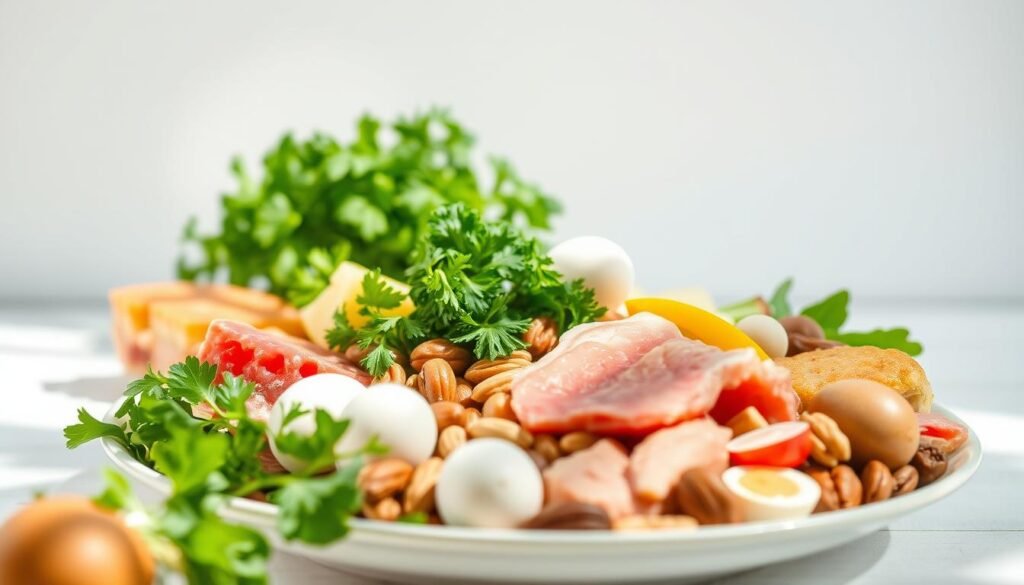
Protein isn’t just for muscles—it’s fuel for your hormone factories. Consuming 25–30 grams per meal triggers satiety signals and supports vital biological processes. This simple diet shift can stabilize energy, mood, and metabolism.
The Link Between Protein and Hormone Production
Amino acids from protein build peptide hormones like growth hormone and insulin. They also reduce hunger signals (ghrelin) while boosting fullness hormones (GLP-1).
For steady amino acid supply, aim for four meals daily. Animal proteins (like eggs) offer complete amino profiles, while plant proteins (lentils) may need combining.
Best Protein Sources for Hormonal Health
Prioritize these foods to support hormone balance:
- Wild salmon: Rich in omega-3s for inflammation control
- Pasture-raised eggs: Contains choline for liver detox
- Organic turkey: Lean source of tryptophan (melatonin precursor)
Avoid processed meats—their additives disrupt insulin sensitivity. Instead, focus on whole, nutrient-dense options for optimal eating habits.
Engage in Regular Exercise
Movement does more than shape your physique—it rewires your internal chemistry. Physical activity acts like a tuning fork for your endocrine system, adjusting key messengers that control energy, mood, and metabolism.

Physical Activity and Insulin Sensitivity
HIIT workouts boost insulin resistance improvements for 48 hours post-exercise. Short bursts of intense effort make cells more responsive to glucose. Even walking raises growth hormone by 20%, helping regulate fat storage.
For cortisol management, aim for 45-minute sessions. Longer durations may spike stress hormones. Morning workouts align with natural cortisol peaks, enhancing fat burn.
Optimal Workouts for Endocrine Health
Different exercises trigger unique changes:
- Strength training: Builds muscle to improve glucose metabolism
- Yoga: Lowers cortisol by 26% in adrenal fatigue cases
- Cardio intervals: Increases testosterone in both men and women
Try this weekly plan for hormones optimization:
- Monday: 20-min HIIT + resistance bands
- Tuesday: 30-min yoga flow
- Wednesday: Brisk 45-min walk
- Thursday: Rest or gentle stretching
- Friday: Full-body strength circuit
Post-workout, your body releases testosterone for muscle repair. This natural boost peaks 15-60 minutes after finishing. Time workouts before meals to maximize weight management benefits.
Maintain a Moderate Weight
Fat cells act like hormone factories, producing signals that impact your entire system. Excess weight doesn’t just strain your joints—it disrupts delicate chemical communications. Even modest reductions (5-10% of body weight) show dramatic improvements in estrogen metabolism.

The Weight-Hormone Connection
Visceral fat increases aromatase enzyme activity, converting testosterone to estrogen. This creates a vicious cycle where weight gain fuels further imbalance. Obesity also causes leptin resistance—your brain stops receiving “full” signals despite ample fat stores.
Key health conditions linked to weight-related hormonal changes include:
- Insulin resistance leading to prediabetes
- Thyroid dysfunction slowing metabolism
- Elevated cortisol promoting belly fat storage
Smart Weight Management Approaches
Crash diets backfire by spiking cortisol. Instead, focus on these research-backed strategies:
| Method | Hormonal Benefit | Implementation |
|---|---|---|
| Anti-inflammatory diet | Reduces estrogen production | Emphasize colorful vegetables, wild fish |
| Time-restricted eating | Improves insulin sensitivity | 12-hour feeding window daily |
| Strength training | Boosts growth hormone | 2-3 sessions weekly |
Supportive supplements can address weight-related factors:
- Berberine: Helps regulate blood sugar
- Omega-3s: Reduce inflammatory fat signals
- Magnesium: Supports cortisol metabolism
For lasting results, follow this four-phase approach:
- Detox: Eliminate processed foods
- Gut healing: Incorporate probiotics
- Macronutrient balance: 40% protein, 30% carbs, 30% fats
- Maintenance: Weekly check-ins
Remember—slow, steady progress creates sustainable changes without shocking your system. Your hormones will thank you.
Take Care of Your Gut Health
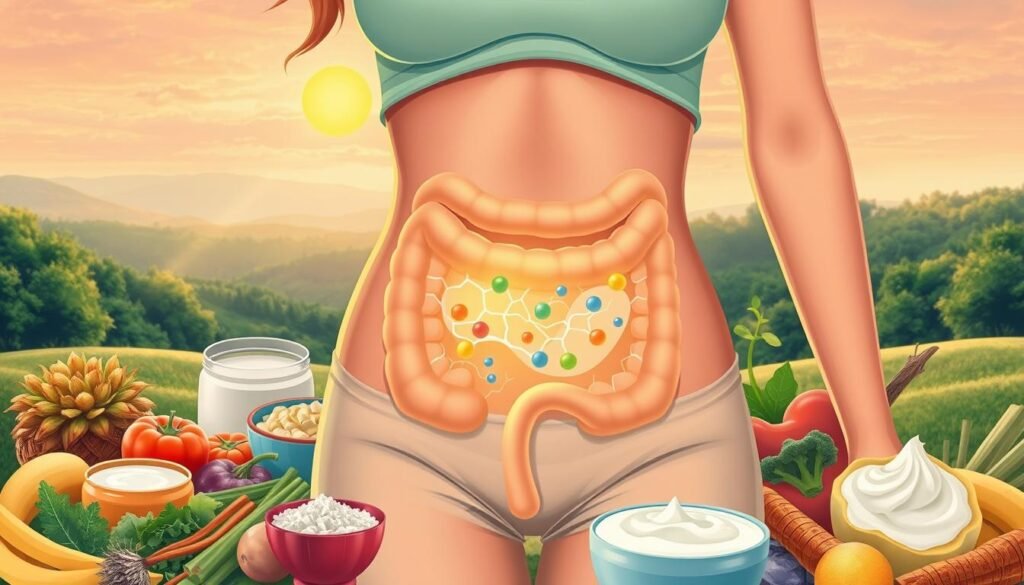
Your gut is more than just a digestion hub—it’s a hormone command center. Research shows 70% of serotonin, your mood-regulating chemical, is made here. The vagus nerve acts like a telephone line, sending signals between your intestines and brain.
The Gut-Hormone Connection
Your microbiome—trillions of bacteria—directly impacts hormones. Fermented foods boost GLP-1 (a fullness hormone) by 42%. Harmful gut bacteria, however, can disrupt estrogen metabolism and trigger insulin resistance.
Avoid these gut disruptors:
- Artificial sweeteners (sucralose alters microbiome diversity)
- Fried foods (damage intestinal lining)
- Processed carbs (feed harmful bacteria)
Healing Foods for Your Microbiome
These probiotic strains specifically support health:
| Strain | Benefit | Found In |
|---|---|---|
| Lactobacillus acidophilus | Reduces estrogen dominance | Kefir, sauerkraut |
| Bifidobacterium longum | Lowers cortisol by 18% | Yogurt, kimchi |
Try this 3-day meal plan to nourish your gut:
- Day 1: Oats with flaxseeds (prebiotic fiber), wild salmon (omega-3s), roasted Jerusalem artichokes
- Day 2: Kefir smoothie with berries, quinoa salad with olive oil, miso soup
- Day 3: Scrambled eggs with turmeric, whole grains toast, steamed greens with garlic
Leaky gut (intestinal permeability) is linked to autoimmune thyroid issues. Repair your gut lining with bone broth and zinc-rich foods like pumpkin seeds. Your microbiome rebuilds in as little as 4 weeks with consistent care.
Lower Your Sugar Intake
Sugar hides in plain sight, quietly disrupting your body’s chemical harmony. The average American consumes 17 teaspoons daily—triple the recommended limit. This overload triggers metabolic chaos that impacts multiple systems.
The Impact of Sugar on Insulin Resistance
Just one 12oz soda keeps insulin elevated for six hours. Fructose—found in many sweeteners—increases visceral fat storage 27% more than glucose. This fat type actively disrupts hormone signaling.
Glycation occurs when sugar molecules bind to proteins, damaging hormone receptor sites. Advanced glycation end products (AGEs) accelerate aging and worsen health conditions like diabetes.
| Sweetener | Glycemic Index | Hormonal Impact |
|---|---|---|
| White sugar | 65 | Spikes insulin rapidly |
| Agave nectar | 15 | High fructose content |
| Coconut sugar | 35 | Contains minerals |
| Stevia | 0 | No blood sugar effect |
Smart Ways to Reduce Added Sugars
Food labels hide sugar under 56 different names. Watch for these common aliases:
- Maltodextrin (common in protein powders)
- Fruit juice concentrate (found in “healthy” snacks)
- Evaporated cane juice (sounds natural but still sugar)
Try this 7-day plan to reset your taste buds:
- Day 1-2: Replace soda with sparkling water + lemon
- Day 3-4: Swap candy for chromium-rich Brazil nuts
- Day 5-7: Use cinnamon to enhance natural sweetness
Artificial sweeteners confuse your body’s sugar sensors. Studies show they reduce GLP-1 secretion by 31%, making you crave more sweets. For better blood sugar control, try apple cider vinegar before meals—it improves insulin sensitivity by 34%.
Small changes in your diet create big shifts in metabolic health. Start by cutting one sugary item daily—your hormones will notice the difference.
Try Stress Reduction Techniques
Modern life bombards your body with stressors, activating ancient survival mechanisms. These responses flood your system with cortisol—a powerful chemical messenger that affects every cell. Left unchecked, elevated cortisol levels disrupt sleep, digestion, and even reproductive function.
Cortisol: The Stress Hormone and Its Effects
Your adrenal glands release this stress hormone in response to perceived threats. Short bursts enhance focus, but prolonged elevation causes:
- Blood sugar imbalances
- Thyroid suppression
- Reduced gut motility
The HPA axis (hypothalamus-pituitary-adrenal) governs this process. Chronic activation progresses through three stages:
- Alarm phase: Heightened alertness
- Resistance phase: Fatigue despite high cortisol
- Exhaustion phase: Adrenal burnout
Effective Ways to Manage Chronic Stress
Adaptogenic herbs offer targeted support:
| Herb | Best For | Timing |
|---|---|---|
| Ashwagandha | Long-term cortisol reduction | Morning with breakfast |
| Rhodiola | Mental fatigue | Before cognitive work |
| Holy basil | Evening relaxation | With dinner |
For immediate relief, practice 4-7-8 breathing:
- Inhale for 4 seconds
- Hold for 7 seconds
- Exhale for 8 seconds
Infrared saunas help manage stress by:
- Lowering cortisol 20-30% per session
- Increasing feel-good endorphins
- Improving heart rate variability
Commit to this 6-week mindfulness protocol:
- Week 1-2: 5-minute daily meditation
- Week 3-4: Body scan exercises
- Week 5-6: Gratitude journaling
Note: Excessive exercise spikes cortisol. Limit intense sessions to 45 minutes max. Your mood and metabolism thrive when stress responses stay balanced.
Consume Healthy Fats
Your cells communicate through fat-based messengers that shape your vitality. These lipids form the raw material for steroid hormones like estrogen and testosterone. Without quality fats, your body struggles to produce these vital signals.
The Chemistry of Fats and Hormones
Cholesterol isn’t your enemy—it’s the foundation for hormone synthesis. Your liver converts it into pregnenolone, the “mother hormone” for:
- Cortisol: Manages stress response
- DHEA: Precursor to sex hormones
- Vitamin D: Acts as a hormone regulator
Saturated fats (like coconut oil) support thyroid function, while unsaturated fats (avocado) reduce inflammation. Medium-chain triglycerides (MCTs) boost ketones—fuel for brain hormone production.
Top 12 Fat Sources for Optimal Function
Incorporate these into your diet for better signaling:
- Wild-caught salmon (fatty fish rich in omega-3s)
- Extra virgin olive oil (cold-pressed)
- Brazil nuts (selenium for thyroid health)
- Pasture-raised egg yolks
- Grass-fed ghee
- Chia seeds
- Avocados
- Dark chocolate (85%+)
- Flaxseeds
- Macadamia nuts
- Coconut cream
- Anchovies
Avoid canola oil—its high omega-6 content promotes inflammation. Aim for a 1:4 omega-3 to omega-6 ratio by tracking your intake.
Fat-Cycling for Women’s Cycles
Adjust fat types throughout your menstrual phases:
| Phase | Best Fats | Benefit |
|---|---|---|
| Follicular (Day 1-14) | Flaxseeds, walnuts | Supports estrogen metabolism |
| Luteal (Day 15-28) | Coconut oil, dark chocolate | Stabilizes progesterone |
Omega-3s from sardines can increase dopamine production by 40%, helping mood swings. For cooking, use avocado oil (high smoke point) rather than damaged vegetable oils.
Smart fat choices create cellular harmony. When you nourish your body with these building blocks, you support overall balance from the ground up.
Get Consistent, High-Quality Sleep
Your nightly rest does more than recharge energy—it fine-tunes vital chemical signals. Just four hours of poor sleep slashes leptin (fullness hormone) by 18% while spiking hunger-triggering ghrelin by 28%.
Sleep Stages and Hormone Release
Each sleep phase triggers unique hormones:
- Deep sleep: Growth hormone peaks for tissue repair
- REM: Cortisol resets for next-day stress response
- Light sleep: Melatonin regulates circadian rhythms
Cooler rooms (60-67°F) boost melatonin production by 53%. Align bedtime with 90-minute cycles—waking between phases reduces grogginess.
Optimize Your Sleep Environment
Five upgrades enhance rest quality:
- Red light bulbs (block blue light)
- Grounding sheets (reduce inflammation)
- White noise machines (mask disruptions)
- Blackout curtains (block artificial light)
- Weighted blankets (increase serotonin)
Avoid these common disruptors:
| Product | Effect |
|---|---|
| Decongestants | Reduce REM sleep |
| Energy drinks | Delay melatonin 3+ hours |
| Alcohol | Fragment deep sleep |
Try the military method to fall asleep fast:
- Relax facial muscles
- Drop shoulders/hands
- Exhale deeply
- Clear mind for 10 sec
Trackers like Oura Ring monitor heart rate variability (HRV)—a key stress indicator. Prioritize consistency; even weekend deviations disrupt growth and repair cycles.
Follow a High-Fiber Diet
Fiber works like a traffic controller for your body’s chemical messengers. This plant-based nutrient slows digestion, allowing steady nutrient absorption and stable hormones. Studies show 10g of psyllium husk improves insulin response by 12%, making it a powerful tool for blood sugar control.
Fiber’s Dual Role in Hormone Regulation
Soluble fiber forms a gel-like substance that traps excess estrogen and cholesterol. Insoluble fiber adds bulk to stool, speeding up toxin removal. Together, they help manage:
- Insulin spikes after meals
- Leptin resistance linked to overeating
- Estrogen recycling in the gut
Resistant starch—found in cooled potatoes—feeds butyrate-producing bacteria. This short-chain fatty acid reduces inflammation tied to hormonal imbalances.
Top Fiber-Rich Foods for Endocrine Support
These 15 foods deliver maximum benefits:
- Chia seeds (10g fiber per ounce)
- Jicama (6g per cup)
- Tiger nuts (10g per ¼ cup)
- Avocados (10g each)
- Blackberries (8g per cup)
- Lentils (15g per cooked cup)
- Acorn squash (9g per cup)
- Flaxseeds (3g per tablespoon)
- Artichokes (10g each)
- Pearled barley (6g per cooked cup)
- Split peas (16g per cooked cup)
- Raspberries (8g per cup)
- Quinoa (5g per cooked cup)
- Almonds (4g per ounce)
- Oat bran (6g per ½ cup)
| Fiber Type | Best For | Daily Goal |
|---|---|---|
| Psyllium husk | Estrogen dominance | 5-10g |
| Ground flaxseed | Progesterone support | 2 tablespoons |
| Green banana flour | Insulin resistance | 1-2 teaspoons |
Implementing Fiber Safely
Increase intake gradually to avoid bloating:
- Week 1: Add 5g daily
- Week 2: Increase to 10g
- Week 3+: Aim for 25-35g total
Soak whole grains and legumes overnight to reduce phytic acid. This mineral blocker can interfere with nutrient absorption when consumed in excess.
Drink 8oz water per 5g fiber to prevent constipation. Herbal teas count toward your hydration goals while providing additional health benefits.
Conclusion
Small lifestyle shifts create big changes in your body’s chemical harmony. Focus on one strategy weekly—like adding fiber or reducing stress—for steady progress.
Most people notice improvements within three months. For accurate tracking, consider hormone tests like DUTCH or blood panels. These reveal hidden factors affecting your health.
A simple supplement stack can support your efforts:
- Magnesium glycinate for relaxation
- Omega-3s to reduce inflammation
- Vitamin D3 with K2 for immune function
Trusted resources like the Institute for Functional Medicine offer deeper guidance. Remember, lasting hormonal balance comes from consistent, mindful choices.
FAQ
What are the most common signs of hormonal imbalance?
Symptoms include fatigue, weight gain, mood swings, irregular periods, acne, and trouble sleeping. These issues often stem from disrupted cortisol, insulin, or estrogen levels.
How does protein intake affect hormone production?
Protein provides amino acids essential for creating hormones like insulin and growth factors. Lean meats, fatty fish, and legumes support stable blood sugar and metabolic health.
Can exercise really help regulate hormones?
Yes! Physical activity improves insulin sensitivity, reduces cortisol, and boosts endorphins. Strength training and cardio both promote hormonal balance effectively.
Why is gut health linked to hormones?
Your microbiome influences estrogen metabolism and inflammation. Fermented foods, fiber-rich veggies, and probiotics help maintain this crucial connection.
What’s the best way to reduce sugar for hormone health?
Swap refined sugars for whole fruits, use natural sweeteners like stevia, and pair carbs with protein or healthy fats to slow blood sugar spikes.
How does chronic stress impact hormonal balance?
Prolonged stress elevates cortisol, disrupting estrogen, progesterone, and thyroid function. Meditation, deep breathing, and adaptogens like ashwagandha can help manage stress.
Which healthy fats support hormone production?
Omega-3s from salmon, monounsaturated fats in avocado and olive oil, and nuts like almonds provide building blocks for hormone synthesis.
How many hours of sleep do I need for optimal hormone levels?
Aim for 7–9 hours nightly. Poor sleep disrupts ghrelin (hunger hormone) and leptin (satiety hormone), affecting metabolism and cravings.
Can fiber really influence hormones?
Absolutely! Soluble fiber from oats, flaxseeds, and beans slows digestion, stabilizes insulin, and supports gut bacteria that regulate estrogen.