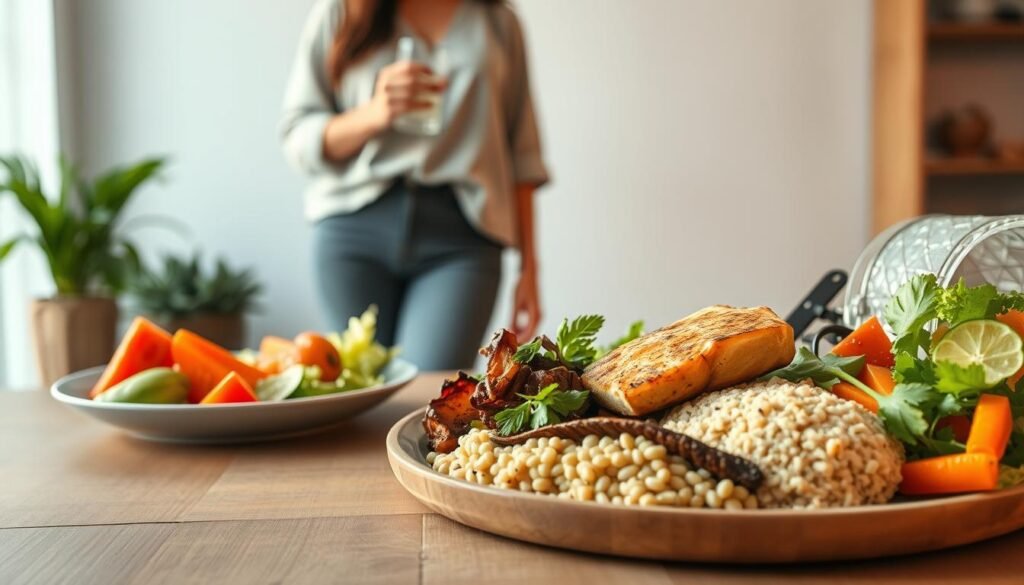
Could a few everyday foods really rebuild your gut lining and calm months of bloating or irregularity?
You don’t need a complicated plan to help your digestion. Millions in the U.S. struggle with gas, constipation, or diarrhea, and about 15% live with IBS. Simple swaps and steady choices can make a big difference.
This guide gives you a clear roadmap to Gut-Healing Nutrition so you can start rebuilding your gut lining with items from any U.S. grocery store. You’ll learn how whole grains, leafy greens, and fiber feed beneficial microbes and help create short-chain fatty acids that support colon cells.
Inside, you’ll find friendly, research-backed tips on foods that ease symptoms, boost your microbiome, and fit into your day. Think practical swaps and easy meal ideas you can try today.
Why Your Gut Lining Matters Right Now
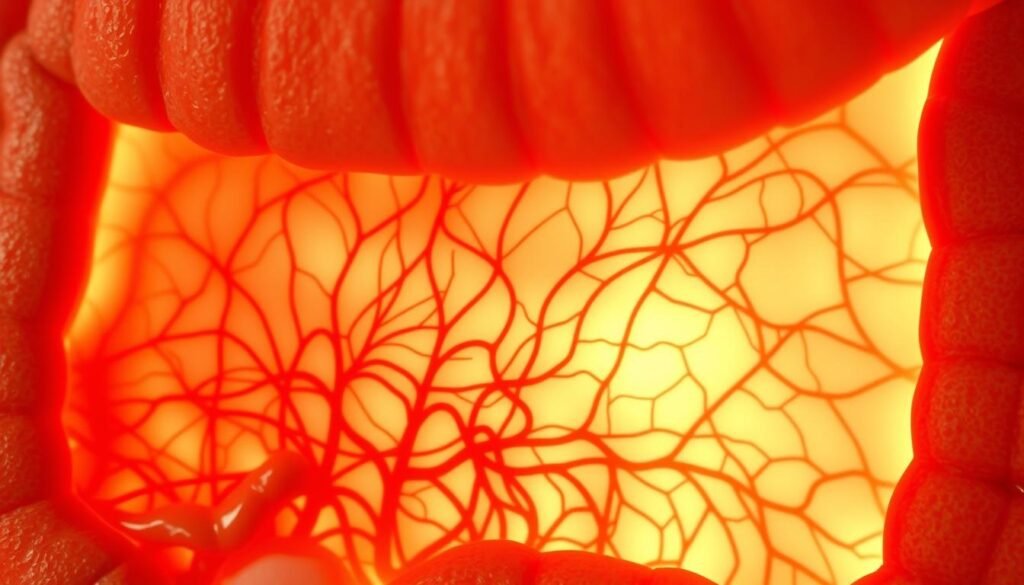
Think of your gut lining as a frontline shield that decides what passes into your body and what stays out. It helps your digestive system absorb nutrients and keeps unwanted particles from entering your blood.
Your gut microbiota spans the entire digestive tract and works nonstop. Friendly bacteria break down food into important chemicals — small proteins, short-chain fatty acids, hormones, and vitamins that support blood clotting, bones, nerves, and brain health.
When the lining is stressed, you may notice bloating, irregularity, or general discomfort. Those problems are your body’s way of signaling it needs support.
“Small shifts in microbes can change inflammation and even affect heart risk.”
Studies link changes in microbiota to higher heart and circulatory risk. One compound, TMAO, may inflame vessel linings and raise blood pressure, showing how gut levels affect the whole system.
- You rely on the lining to protect and regulate digestive function.
- Good bacteria make chemicals that boost immune resilience.
- Fiber-rich foods support both gut health and heart benefits.
Paying attention now with simple, steady choices can ease daily symptoms and help prevent bigger issues later.
Gut-Healing Nutrition
A bustling ecosystem lives in your gut, and its activity affects digestion, immunity, and even heart risk.
The gut microbiome contains trillions of microbes—bacteria, viruses, and fungi—that help maintain the lining and regulate immunity. These microbes break food into fatty acids, hormones, and vitamins. Lab studies also link shifts in the microbiome and their chemicals to circulatory disease risk, including compounds like TMAO tied to poorer heart outcomes.
The brain-gut connection
Your gut has an enteric brain that talks to your central nervous system. That is why stress can cause stomach flips and why calm meals often ease symptoms.
- You support your gut by eating varied plants that your microbes ferment into helpful compounds for immunity and digestion.
- When your bacteria get fiber and polyphenols, you often see steadier digestion and better nutrient absorption.
- Small swaps—extra veggies, beans, or fermented foods—help your microbiome adapt and improve overall health.
“Feed your microbes, and they repay you with chemicals that support lining repair and daily comfort.”
Fiber First: Whole Grains and Leafy Greens that Feed Good Bacteria
Choose whole grains and leafy greens to give your gut a reliable energy source. Doctors recommend at least 25 grams of fibre a day for healthy colon function. Whole grains supply more fibre and important nutrients than refined carbs.

Whole grains that fuel short-chain fatty acids and colon health
When gut bacteria ferment fibre, they make short-chain fatty acids that nourish colon lining cells. That lining holds much of your immune system.
Practical swap: pick oats, brown rice, or whole-wheat bread at each meal to help you reach 25 grams.
Leafy greens with specialized sugars that grow healthy gut bacteria
Leafy vegetables like spinach and kale add fibre, folate, vitamin C, K, and A. They also contain a specific sugar that helps good bacteria thrive.
- You’ll prioritize fibre from whole grains to boost fatty acids that support the colon.
- You’ll hit your target by swapping refined choices for intact grains at meals.
- You’ll add greens for extra nutrients and to feed gut bacteria.
- Increase fibre gradually, drink water, and expect fuller, more satisfying meals.
“Higher fiber intake is linked to better digestive comfort and overall wellness.”
Studies shown support steady fibre increases rather than sudden jumps for long-term benefit.
Fermented Foods that Boost Good Gut Bacteria
Add a small rotation of fermented foods to widen the range of microbes your gut sees. These choices supply live cultures, enzymes, and flavor without a big diet overhaul.

Kefir for diverse live cultures and a creamy base for smoothies
Kefir is a fermented milk drink packed with live bacteria. Blend it into smoothies or use it in dressings for a creamy, tangy boost that may help reduce “leaky gut” signals.
Live-culture yogurt and yogurt drinks: choose low-sugar options
Pick plain, live-culture yogurt or yogurt drinks with minimal added sugar. Add fresh fruit for sweetness and fiber while keeping your intake of good bacteria high.
Sauerkraut and kimchi to add probiotics, fiber, and zing
Fermented vegetables like sauerkraut and kimchi give probiotics plus fiber and vitamins. Choose varieties fermented in brine, not vinegar, for true live cultures.
Miso as a savory source of beneficial enzymes
Miso comes from fermented soy and grains and supplies helpful enzymes. Stir a spoon into warm (not boiling) broth—some bacteria may not survive cooking, but enzymes and flavor remain a useful source.
Kombucha as a refreshing probiotic beverage
Sip kombucha for a bubbly, low-sugar alternative to soda. It brings live microbes and a bright taste that pairs well with meals.
- Rotate a range of these foods so your gut adapts comfortably.
- Blend kefir into smoothies or use yogurt for quick snacks.
- Top meals with sauerkraut or kimchi for crunch and a probiotic punch.
- Stir miso into warm broth and enjoy kombucha as a refreshing drink.
- Research points to fermented foods as a practical way to rebalance microbes and support digestion.
“A variety of fermented choices helps introduce diverse live cultures that support your gut ecosystem.”
Low-Fructose Fruits that Soothe a Sensitive Digestive System
If your stomach flares from fruit, low-fructose choices can keep snacks gentle and satisfying.

Bananas are a reliable pick when you want mild sweetness and prebiotic support.
They are low in fructose and contain inulin, a fibre that helps feed bacteria gut communities. A small ripe banana often sits well in smoothies or with plain yogurt.
Bright berries and citrus for easier digestion
Berries and citrus fruits like oranges and grapefruit tend to have less fructose than apples or mangoes.
They add fibre and polyphenols that support gut health while usually causing fewer symptoms. Rotate berries and citrus for variety and antioxidants.
Avocado: creamy, low-fructose, nutrient dense
Avocado brings fibre, potassium, and gentle monounsaturated fat with almost no fructose.
Keep portions modest—half an avocado is often enough—to avoid extra calories while calming the gut.
- Choose fruit that reduces bloating and gas.
- Lean on bananas for inulin and easy fibre.
- Rotate berries and citrus for flavour, fibre, and polyphenols.
- Add avocado sparingly for texture and potassium.
- Pair fruit with protein or yogurt to steady digestion and energy levels.
“Low-fructose picks help you enjoy fruit without unwanted discomfort.”
Healthy Fats and Oils that Calm Inflammation
Choosing the right fats can soothe inflammation and make meals more satisfying. A few simple swaps add flavor and deliver compounds your gut favors.

Extra-virgin olive oil for polyphenols and fatty acids your microbes love
Extra-virgin olive oil supplies polyphenols and monounsaturated fatty acids that many gut microbes favor. These compounds may reduce gut inflammation and can ease mild indigestion.
You can drizzle olive oil over salads or roasted veggies to add taste without heavy sauces.
Almonds for fiber, fatty acids, and polyphenols to nourish gut microbes
A small handful of almonds gives fiber, healthy fatty fat, and polyphenols with probiotic-supporting effects. They make a portable snack that fits a Mediterranean-style pattern rich in oil, nuts, beans, and plants.
- You’ll cook and dress foods with extra-virgin olive oil to bathe your gut in polyphenols and friendly fatty acids.
- You can snack on a small handful of almonds to deliver fiber, polyphenols, and healthy fats that nourish gut microbes.
- You’ll lean into a Mediterranean-style pattern built around olive oil, nuts, and plants to support gut health and overall health.
“Studies shown link these choices with calmer digestion and better comfort day to day.”
Lean Proteins and Flavorful Add-Ins for a Happy Bowel
A few simple swaps can lower the chance of flare-ups and keep meals satisfying. Choose lean proteins and bright seasonings so your stomach and bowel face fewer triggers.
Lean proteins that are gentler on IBS and reduce high-fat triggers
Pick foods like skinless poultry, fish, tofu, or eggs as a dependable protein source. These options give you protein without the high fat that can prompt colon contractions.
Red meat often carries more fat and can change colon bacteria in ways linked to artery-clogging chemicals, so favor lighter choices for regular meals.
Garlic to support gut balance with prebiotic and antimicrobial properties
Garlic acts as a mild prebiotic and can help keep unwanted bacteria and yeast in check. Use it raw in dressings or lightly cooked in sauces to add flavor without heavy fats.
Ginger to stimulate digestive function and stomach acid production
Fresh ginger helps your stomach produce acid and keeps food moving. Add grated ginger to broths, marinades, or tea for a gentle digestive boost.
- Batch-cook lean protein and pair with fiber-rich sides to steady digestion through the week.
- Avoid heavy fried foods; they often worsen bowel problems and stomach discomfort.
- Use a range of herbs and spices to add flavor without rich sauces that may trigger symptoms.
- Include a reliable source of protein at each meal to reduce snacking and stabilize digestion.
“Small swaps in protein and seasoning can ease digestion and help you feel calmer after meals.”
How to Eat for a Healthy Gut in the US: Simple Daily Habits
Building a more resilient gut starts with simple habits you can keep every day. Aim for variety, steady meal timing, and easy swaps that fit an American routine.
Aim for variety: try 30 different plant foods each week
You’ll aim for a plant “passport” of about 30 different items each week. Mix fruits, vegetables, whole grains, nuts, seeds, and legumes so your microbes get wide exposure.
Right-size portions across three balanced meals a day
Plan three balanced meals to keep energy steady and your microbiome nourished. Fill half your plate with vegetables and add one serving of fruit vegetables daily.
Smart swaps: olive oil over heavy sauces, kefir over sweetened drinks
Make quick swaps to improve your diet without fuss. Choose extra-virgin olive oil instead of heavy sauces and pick kefir or live yogurt instead of sugary beverages.
- You’ll prep once and use leftovers for easy, gut-friendly lunches.
- You’ll include beans, nuts, seeds, and whole grains so microbes never get bored.
- You’ll listen to your body and adjust portions so you feel energized, not stuffed.
“Variety and steady meals are the fastest route to a good gut.”
Conclusion
Small, steady food swaps can change how your gut feels day to day.
Build plates around fibre-rich vegetables and whole grains, add a serving of fermented foods, and drizzle olive oil for polyphenols. These choices feed good bacteria and help your gut bacteria make the acids and chemicals your colon needs.
Choose low-fructose fruit and lean protein to keep digestion calm. Aim for variety—about 30 plant foods weekly—and three balanced meals a day so microbes get steady fuel.
Keep it simple: consistent, colorful food and gentle habits add up. Studies support that these small steps improve gut health and ease symptoms over time.
FAQ
What foods rebuild the gut lining and support good bacteria?
Foods rich in fiber, polyphenols, and healthy fats help rebuild your gut lining and feed beneficial microbes. Think whole grains, leafy greens, low-fructose fruits like berries and bananas, fermented items such as kefir, live-culture yogurt, sauerkraut, kimchi, and miso, plus extra-virgin olive oil and nuts like almonds. These provide short-chain fatty acids, prebiotic fibers, and antioxidants that support a healthy microbiome and digestive function.
How quickly can you expect to feel benefits after improving your diet?
Some people notice digestion and mood improvements within a few days to weeks, especially after adding fermented foods and more fiber. Structural repair of the gut lining and shifts in microbial diversity usually take longer — often several weeks to a few months — depending on your starting point, stress, sleep, medications, and overall diet.
Are fermented foods safe if you have IBS or a sensitive stomach?
Many people with IBS tolerate fermented foods, but reactions vary. Start with small amounts of low-sugar, live-culture yogurt or kefir and watch symptoms. Sauerkraut, kimchi, and kombucha can be more potent; introduce them slowly. If you react badly, work with a clinician to identify triggers and test options like low-FODMAP fermented choices.
How does extra-virgin olive oil help gut health?
Extra-virgin olive oil supplies anti-inflammatory fatty acids and polyphenols that favor beneficial microbes and protect the gut barrier. Swapping heavy sauces and processed fats for olive oil can reduce gut inflammation and support better digestion and microbial balance.
Can certain fruits worsen gut symptoms, and which fruits are gentler?
High-fructose or high-FODMAP fruits can trigger bloating in sensitive people. Gentler options include bananas, berries, and small portions of citrus, which offer fiber and polyphenols with lower fructose load. Avocado gives healthy fats and fiber but monitor portion size to avoid symptoms.
How much fiber should you aim for and which sources are best?
Aim for a gradual increase toward 25–35 grams per day from varied plant sources to feed your microbiome without causing gas. Include whole grains, legumes (if tolerated), leafy greens, berries, and nuts. Spreading fiber across meals and increasing water helps digestion and stool regularity.
Do probiotics in supplements work the same as fermented foods?
Some probiotic supplements can help, but results depend on strain, dose, and individual response. Fermented foods offer diverse live cultures plus nutrients and fiber that feed resident microbes. Use supplements when clinically indicated or to target specific conditions, and choose products with documented strains and potency.
What role does garlic and ginger play in a gut-friendly diet?
Garlic contains prebiotic compounds that feed beneficial bacteria and has mild antimicrobial effects that can help balance microbes. Ginger helps digestion by stimulating stomach acid and motility, easing nausea and bloating. Use both in cooking to add flavor and gut-supporting benefits, adjusting amounts if you’re sensitive.
How important is variety and how can you reach 30 different plant foods a week?
Variety feeds a diverse microbiome, which links to better overall health. To reach 30 plant foods weekly, rotate grains (oats, brown rice, quinoa), vegetables (spinach, kale, broccoli), fruits (berries, banana, apple), legumes, nuts, seeds, and herbs. Minor swaps at each meal add up quickly and keep meals interesting.
Are healthy fats like almonds and avocado safe for gut health if you have fat-sensitive issues?
Healthy fats such as almonds, avocado, and olive oil provide nutrients that support microbes and reduce inflammation. If you have fat-sensitive digestive issues, watch portion sizes and choose gentler fats like olive oil and limited servings of avocado or nuts to avoid triggering symptoms.
Should you avoid all sugars and processed foods to heal the gut lining?
Cutting back on added sugars and highly processed foods helps reduce inflammation and supports a healthier microbiome. You don’t need total elimination; focus on whole foods, fiber, and fermented choices. Reducing chemical additives, excess salt, and refined oils makes a big difference for gut repair.
When should you see a clinician about persistent gut symptoms?
See a healthcare professional if you have severe or persistent symptoms such as unexplained weight loss, blood in stool, severe abdominal pain, or symptoms that don’t improve after dietary changes. A clinician can evaluate for conditions like inflammatory bowel disease, celiac disease, or infections and recommend targeted tests and therapies.