

Have you ever wondered why your waistline can feel tight after a simple meal?
Many everyday items linger in the stomach and ferment, creating internal pressure and gas that can make you feel bloated. Some fiber-rich beans release oligosaccharides, dairy can trigger lactose intolerance as you age, and fizzy beverages trap bubbles in your GI tract.
You’ll get a clear, friendly breakdown of how your digestion process handles different ingredients so you can spot patterns faster.
This short guide focuses on seven key culprits that commonly make women over 35 feel uncomfortable. You’ll learn simple fixes — like soaking beans, choosing lighter lentils, cooking crucifers, peeling certain fruits, and limiting carbonated drinks — so your body feels lighter after the same favorites.
If symptoms persist or recur, consider checking in with a clinic or your healthcare provider. For a broader nutrition plan tailored to women over 35, see our nutrition blueprint for women over 35.
Why you feel more bloated after 35: hormones, digestion, and your gut
After 35, shifting hormones and a slower rhythm in your gut often make routine meals feel heavier than before.
How shifting estrogen and progesterone levels affect water retention and motility
Estrogen spikes and drops in progesterone can change how much water your body holds. This often makes your uterus and lower abdomen feel fuller just before your period or during perimenopause.
Those same hormones act on estrogen receptors in the digestive tract. That can speed or slow intestinal motion and raise visceral sensitivity so normal amounts of volume feel like pressure or even pain.
Your digestive system slows down: what that means for gas in the GI tract
When transit time slows, contents can back up. Ordinary gas lingers in the digestive tract and creates more tightness in your stomach.
Recent weight gain or fluid shifts also reduce abdominal space, so the same meal can make you feel bloated faster than before.
- You’ll see how hormone shifts alter how your digestive system moves.
- Learn why water retention and changing motility raise fullness and pressure.
- Simple tracking of timing can help you predict higher-bloat days and ease stomach discomfort.
The seven culprits behind that suddenly swollen stomach
Everyday meals can puff your midsection when certain ingredients meet slower transit or sensitive gut flora.
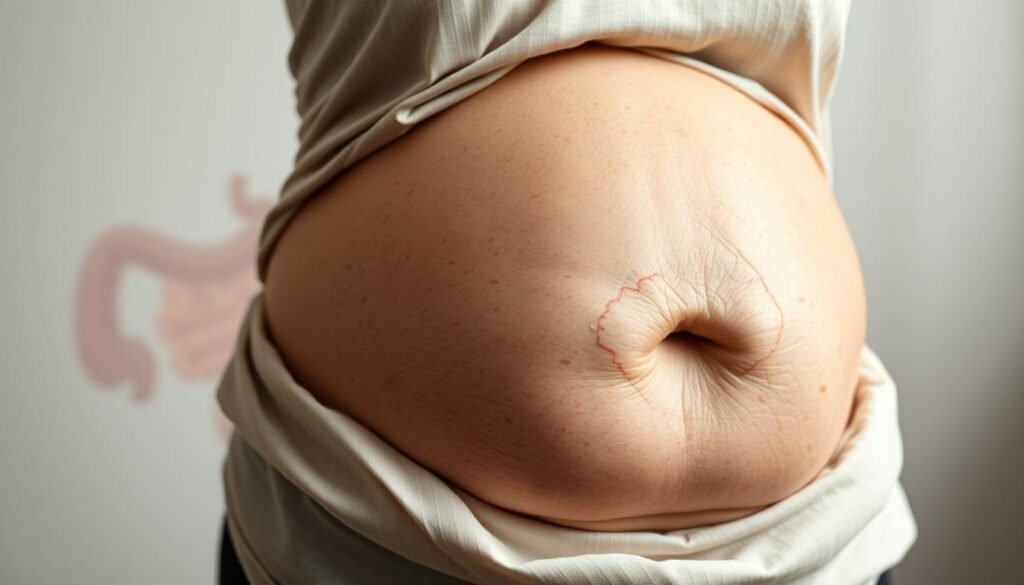
Beans and lentils
Oligosaccharides and fiber in many legumes ferment with gut bacteria and make gas that expands your belly. Soaking, rinsing, or choosing split or lighter lentils often helps reduce the effect.
Dairy products
Many adults lose lactase activity—up to 75%—so milk, soft cheese, and ice cream can trigger symptoms. Try lactose-free or plant-based products as a quick swap.
Carbonated beverages & bubbles
Fizzy drinks introduce air that can get trapped in the digestive tract. That extra volume often feels like pressure or bloating after a meal.
- Wheat, rye, barley: insoluble fiber may sit and ferment; monitor gluten sensitivity.
- Crucifers & alliums: fructans ferment easily—cooking reduces their impact.
- High-fructose fruits & sweeteners: apples, pears, and sugar alcohols can pull water and ferment.
- Fatty meals & beer: rich food slows emptying; beer adds carbonation plus grains and alcohol, which stack the odds for more pressure.
“Small prep changes often let you keep favorites without the next-day discomfort.”
What actually causes the bloat: a quick tour of your digestive process
Understanding how your gut breaks down a meal helps explain why the midsection can feel tight after eating.
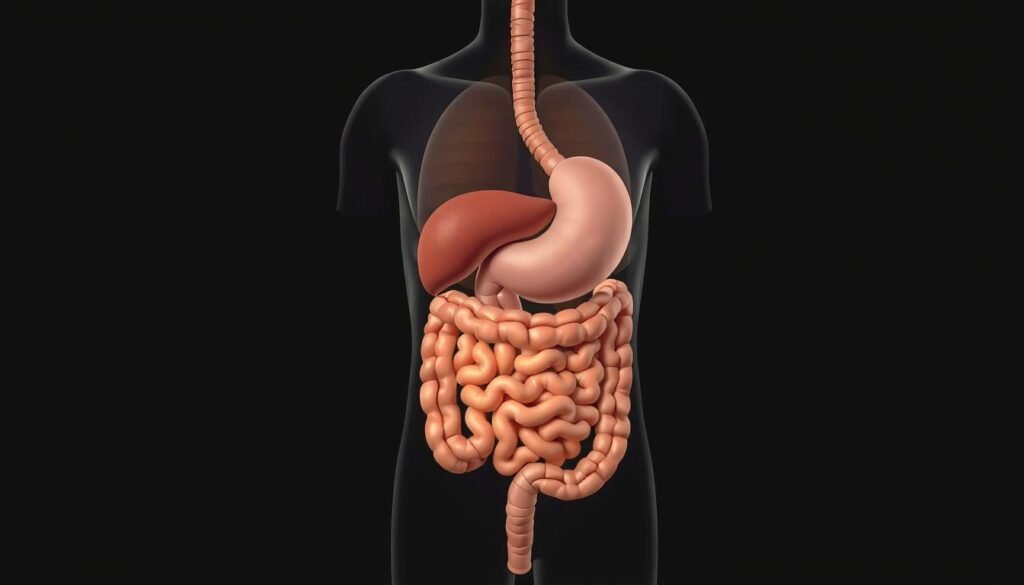
Fermentation 101: when carbohydrates aren’t absorbed and gas builds up
Unabsorbed carbs reach the colon, where gut bacteria ferment them into gas. This fermentation process produces hydrogen, methane, and carbon dioxide. Those gases expand and create pressure in your stomach and lower abdomen.
Digestive contents back-up: constipation, motility issues, and feeling tight
Slow transit or constipation leaves less room for normal gas to move. Conditions like gastroparesis, pelvic floor dysfunction, strictures, or obstruction make the problem worse.
When the digestive tract fills, even small volumes of gas can make you feel tight and stretched.
Visceral sensitivity: feeling bloated even with normal gas volumes
Some people have visceral hypersensitivity or abdominophrenic dyssynergia. In these cases, nerves or muscle responses make normal amounts of gas feel large.
“Small troubleshooting steps — testing intolerances, checking for SIBO or IBS, and tracking bowel habits — help identify the main driver.”
- You’ll learn how unabsorbed carbs meet gut bacteria and create pressure.
- Eating fast or having lactose or fructose malabsorption can make gas pile up.
- SIBO or IBS can turn routine digestion into noticeable gas bloating.
- Red flags: severe pain, vomiting, fever, bleeding, or sudden weight loss — seek care.
Smart swaps and eating strategies to reduce gas and stomach bloating
Small swaps at meal time can cut down post-meal pressure and help your stomach feel lighter.

Prep smarter: Soak beans and rinse before cooking to lower oligosaccharides. Choose lighter-colored lentils — they have less fiber and tend to digest more easily.
Cook crucifers: Heat breaks down tough compounds. Rotate in gentler greens like spinach, zucchini, or asparagus on higher-sensitivity days to make feel more comfortable.
Portions, pace, and timing
Eat smaller portions more often. Chew slowly and give yourself extra time at the table so digestion keeps pace with your appetite.
Beverage swaps
Drink more water through the day and keep carbonated beverages to a minimum. If alcohol bothers you, try a small glass of wine or a spirit with still mixers instead of beer.
Easy ingredient swaps
- Peel or lightly cook high-fructose fruits; pick berries, citrus, or bananas when you need an easier option.
- Test lactose-free dairy products or fortified plant milks to see if they ease discomfort while keeping your diet balanced.
- Build meals with protein, gentle carbs, and moderate fat to support steadier digestion.
“A short walk after eating — even 10 minutes — often helps air move and lets your waistband relax.”
Track results: Keep a two-week food-and-symptom log to spot which items make you uncomfortable and which prep tricks work best.
Foods that cause gas and bloating: quick reference for your grocery cart
A short shopping guide helps you stock pantry staples that support gentler digestion and less post-meal pressure.
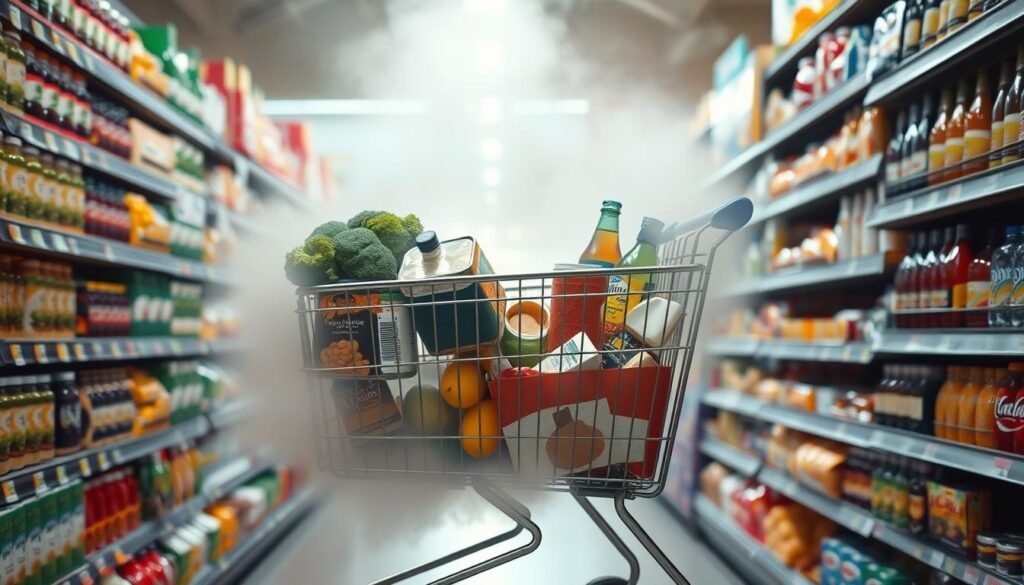
High-fermentable items to note: beans and lentils often contain oligosaccharides; soak and rinse them, or pick black-eyed peas and lighter lentils to cut the fermentable load. Onion and garlic hold fructans — cooking or using infused oils keeps flavor with less upset.
- Wheat, rye, barley: try oats, rice, or quinoa if insoluble fiber bothers your stomach.
- High-fructose fruit & sweeteners: peel or cook apples and pears; favor bananas, berries, and citrus.
- Dairy products: if lactose affects you, choose lactose-free or fortified almond, soy, or oat milks.
- Carbonation & beer: choose still water, tea, or wine instead of fizzy options on sensitive days.
Quick prep cues: cook crucifers, pick lean proteins, and use moderate portions so these items lead to fewer flare-ups.
“Small swaps in the grocery cart often make a big difference at the table.”
Conclusion
A few consistent habits can shift how your digestive system handles meals and reduce pressure after eating.
Start simple: chew more, sip water during the day, eat smaller portions, and take a short walk after meals to help natural movement in the digestive tract.
Use gentle swaps — soak legumes, cook crucifers, peel or soften high-fructose fruit, and try lactose-free or plant alternatives — to keep your favorite meals while easing stomach discomfort.
If you feel bloated most days or notice alarm signs like severe pain, fever, bleeding, or unintentional weight loss, contact a clinic for evaluation. Small steady changes often show benefit within a few weeks.
FAQ
Why do you feel more bloated after 35?
Hormone shifts—especially changes in estrogen and progesterone—can increase water retention and slow gut motility. Slower movement through your GI tract lets gas build up and can make you feel full or swollen more easily than before.
How does slowed digestion lead to more gas in the digestive tract?
When transit time drops, food stays longer in your intestines. Gut bacteria have more time to ferment undigested carbs, producing extra gas. That combined with occasional constipation or weaker motility makes bloating more likely.
Are beans and lentils guaranteed to make you gassy?
Beans and lentils contain oligosaccharides and fiber that many people don’t fully digest. Gut bacteria ferment these carbs, creating gas. You can reduce symptoms by soaking, rinsing, and cooking them well or trying smaller portions at first.
Why does dairy lead to discomfort as you get older?
Lactose intolerance becomes more common with age because many adults lose some lactase enzyme activity. If you lack enough lactase, milk sugars reach the colon and ferment, producing gas, cramps, and bloating.
Do carbonated beverages make bloating worse?
Yes. Fizzy drinks introduce bubbles that can become trapped in your stomach and intestines. Swap sparkling drinks for still water or herbal tea to cut down on trapped air and the puffed-up feeling.
Should you avoid cruciferous vegetables like broccoli and cauliflower?
Not necessarily. Those veggies contain fiber and sulfur-containing compounds that can ferment and release gas. Lightly steaming, chopping finely, or pairing with herbs and digestive spices can make them easier to tolerate.
How do high-fructose fruits and sweeteners affect bloating?
Fruits such as apples and pears, plus some artificial sweeteners and high-fructose corn syrup, can be poorly absorbed and fermented by gut microbes, raising gas production. Choose lower-fructose options or limit servings if you notice symptoms.
Why do fatty meals and beer often lead to a heavy, bloated feeling?
Fat slows stomach emptying, which can prolong fullness and discomfort. Beer adds both carbonation and fermentable grains, creating a double effect: slower digestion plus extra gas.
What exactly happens during fermentation in the gut?
Fermentation occurs when carbohydrates reach the colon undigested and gut bacteria break them down. That process releases gases like hydrogen, methane, and carbon dioxide, which can expand the intestines and cause pressure or noise.
Can you feel bloated without having much gas?
Yes. Visceral sensitivity means your nerves may react strongly to normal amounts of gas or intestinal stretch. Stress, past infections, or functional disorders can heighten sensitivity and make you feel tight even when gas volumes are typical.
What practical meal strategies reduce post-meal puffiness?
Eat smaller, slower meals and chew thoroughly. Stay well hydrated with water, avoid gulping carbonated drinks, and limit large portions of known triggers. Regular movement after eating can also help motility.
How can you make legumes and crucifers easier to digest?
Soak beans before cooking, rinse canned legumes, use longer cooking times, and try fermenting or sprouting when possible. For crucifers, steaming or sautéing breaks down fiber and often reduces gas production.
Which beverage choices are better for gut comfort?
Plain water, warm herbal teas (like peppermint or ginger), and diluted fruit infusions are gentle on the gut. Reduce sparkling drinks, limit beer, and avoid sugary mixers that can ferment in your gut.
Are there dairy, grain, or fruit swaps that ease symptoms?
Yes. Try lactose-free milk or cultured dairy like yogurt with live cultures, gluten-free grains if you suspect sensitivity, and lower-fructose fruits such as berries or citrus in moderation to see if symptoms improve.
When should you see a clinician about persistent bloating?
Seek care if bloating is new, severe, progressively worse, or comes with red flags like unexplained weight loss, persistent blood in stool, recurrent vomiting, or trouble swallowing. Your provider can check for conditions like lactose intolerance, celiac disease, or motility disorders.


