
Have you ever wondered why your body feels out of sync, even when you’re doing everything right? The answer might lie in your hormones. Specifically, a condition called estrogen dominance could be the culprit behind your unexplained symptoms.
Estrogen dominance occurs when your estrogen levels are higher than they should be compared to other hormones like progesterone. This imbalance can affect your reproductive, cardiovascular, and bone health. It’s not just a women’s issue—men can experience it too, with different symptoms.
Understanding how your body metabolizes estrogen is key to restoring balance. There are three types of estrogen—estrone, estradiol, and estriol—each with unique roles. Fortunately, there are natural and medical strategies to help reverse this condition. Early intervention is crucial to prevent long-term risks.
Key Takeaways
- Estrogen dominance is a hormonal imbalance where estrogen outweighs progesterone.
- It impacts reproductive, cardiovascular, and bone health.
- Both men and women can experience it, with varying symptoms.
- Three types of estrogen—estrone, estradiol, and estriol—play distinct roles.
- Natural and medical approaches can help restore balance.
- Early action is essential to avoid long-term health risks.
Understanding Estrogen Dominance
Your body’s harmony depends on the balance of key hormones. When one hormone overshadows another, it can lead to issues like estrogen dominance. This condition happens when estrogen levels are too high compared to progesterone, disrupting your hormonal system.
What is Estrogen Dominance?
Estrogen dominance occurs when there’s an imbalance between estrogen and progesterone. While estrogen is essential for many bodily functions, too much of it can cause problems. This imbalance can affect your reproductive health, mood, and even bone density.
The Role of Estrogen in Your Body
Estrogen plays a vital role in your body. It helps regulate cholesterol, supports bone health, and influences mood. There are three main types of estrogen: estrone, estradiol, and estriol. Each type has a unique function:
- Estradiol: The most potent form, crucial for ovarian health and menstrual cycles.
- Estrone: Becomes primary after menopause, produced by fat tissue.
- Estriol: Rises during pregnancy, supporting fetal development.
An imbalance in these types can lead to conditions like PCOS or endometriosis. Even men need balanced estrogen for sexual function and bone health. Understanding these roles helps you take steps to maintain hormonal harmony.
The Impact of Estrogen Dominance on Your Health
Your health can be deeply affected by hormonal imbalances, often without obvious warning signs. When estrogen levels rise too high compared to progesterone levels, it can disrupt your body’s natural rhythm. This imbalance can lead to a range of health issues, from mild discomfort to serious long-term risks.

How Hormonal Imbalance Affects Your Body
High estrogen levels can interfere with ovulation and menstrual regularity. This disruption can make it harder to conceive and increase the risk of conditions like polycystic ovary syndrome (PCOS). Additionally, hormonal imbalance is often linked to insulin resistance, which can lead to weight gain and difficulty managing blood sugar levels.
Long-Term Health Risks of High Estrogen
Prolonged exposure to elevated estrogen levels can have serious consequences. It increases the risk of endometrial hyperplasia, a condition that can lead to infertility. Studies also show a higher likelihood of breast cancer due to prolonged estrogen exposure. For pregnant women, high estriol levels have been linked to gestational diabetes, as highlighted in a 2017 study from South Korea.
Cardiovascular risks are another concern. Hormonal imbalance can lead to hypertension, increasing the chances of blood clots and stroke. Early intervention is crucial to mitigate these risks and restore balance to your hormones.
Common Symptoms of Estrogen Dominance
Are you experiencing unexplained changes in your body or mood? These could be signs of a hormonal imbalance. When your body’s progesterone levels drop compared to other hormones, it can lead to a range of physical and emotional symptoms. Recognizing these signs early can help you take steps to restore balance.

Physical Symptoms You Shouldn’t Ignore
Your body often sends clear signals when something is off. Common physical symptoms include bloating, breast tenderness, and migraines. Women may notice heavier periods or irregular cycles, while men might experience gynecomastia or erectile dysfunction. These signs can worsen with age or chronic stress.
Emotional and Mental Health Signs
Hormonal imbalances don’t just affect your body—they impact your mind too. Mood swings, irritability, and brain fog are common. Anxiety and depression can also be linked to fluctuating hormone levels. Understanding these emotional signs is key to addressing the root cause.
| Symptom | Common in Women | Common in Men |
|---|---|---|
| Bloating | Yes | No |
| Breast Tenderness | Yes | No |
| Gynecomastia | No | Yes |
| Mood Swings | Yes | Yes |
If you’re noticing these signs, it’s important to take action. Hormonal changes can affect your metabolism, body shape, and energy. For more tips on managing these shifts, check out this nutrition blueprint tailored for women over 35.
Causes of Estrogen Dominance
Understanding the root causes of hormonal imbalance can help you take control of your health. Several factors, from daily habits to underlying medical conditions, can disrupt your body’s natural balance. Identifying these triggers is the first step toward restoring harmony.
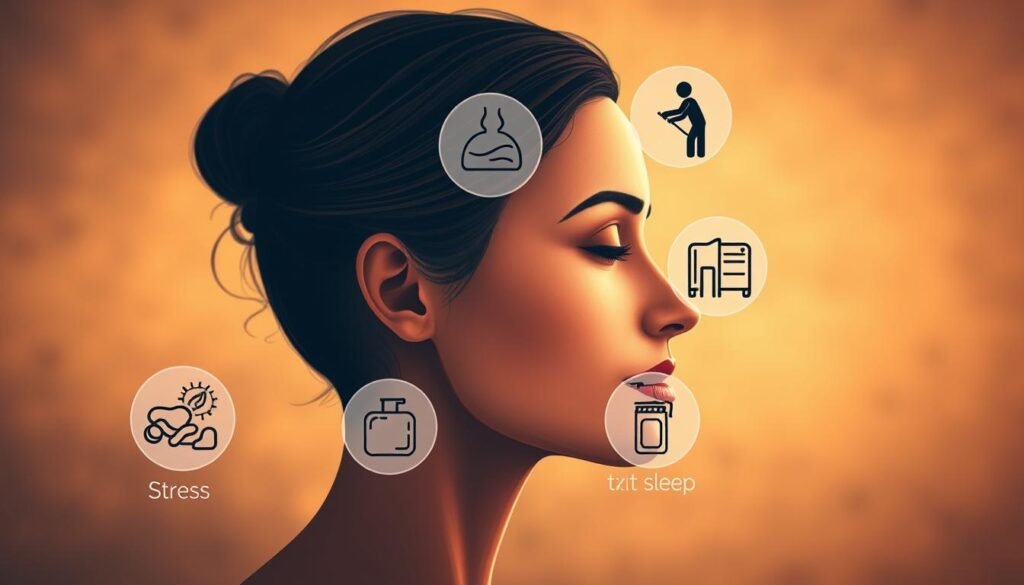
Lifestyle Factors Contributing to High Hormones
Your daily choices play a significant role in your hormones. Consuming alcohol and processed foods can elevate hormone levels. Obesity is another key factor, as fat cells produce excess hormones, leading to imbalance.
Exposure to xenoestrogens, found in plastics and personal care products, can also disrupt your system. These chemicals mimic hormones, tricking your body into overproducing them. Reducing exposure to these triggers can help maintain balance.
Medical Conditions Linked to Hormonal Imbalance
Certain health issues can contribute to imbalance. Conditions like polycystic ovary syndrome (PCOS) and insulin resistance often elevate hormone levels. Hypothyroidism and liver dysfunction can also interfere with hormone metabolism.
Genetic factors, such as aromatase excess syndrome, may increase hormone production. If you suspect a medical condition, consult a healthcare professional for proper diagnosis and treatment.
Diagnosing Estrogen Dominance
Recognizing the signs of hormonal imbalance early can make a significant difference in your health. If you’re experiencing persistent symptoms like irregular bleeding, infertility, or unexplained weight changes, it’s time to take action. Consulting a doctor can help you understand what’s happening in your system and guide you toward the right tests.

When to Seek Professional Help
If your symptoms persist or interfere with your daily life, it’s essential to seek medical advice. Irregular menstrual cycles, severe mood swings, or unexplained fatigue are red flags. A healthcare provider can evaluate your symptoms and recommend appropriate diagnostic steps.
Tests and Procedures to Determine Hormone Levels
Several tests can help measure your estrogen levels and other hormones. Blood tests are the most common, measuring estrone, estradiol, and estriol. Saliva tests are also available, though their accuracy is debated. Here’s a breakdown of key diagnostic methods:
| Test | Purpose | Normal Range (Pre-Menopause) | Normal Range (Post-Menopause) |
|---|---|---|---|
| Estradiol Blood Test | Measures estradiol levels | 15-350 pg/mL | <10 pg/mL |
| Progesterone Blood Test | Measures progesterone levels | Varies by cycle phase | Varies |
| Thyroid Panel | Checks thyroid function | Normal TSH: 0.4-4.0 mIU/L | Normal TSH: 0.4-4.0 mIU/L |
| Liver Function Test | Assesses liver health | Normal ALT: 7-55 U/L | Normal ALT: 7-55 U/L |
In some cases, imaging tests like ultrasounds may be used to check for fibroids or ovarian cysts. These procedures provide a comprehensive view of your hormonal health and help your doctor create a tailored treatment plan.
How Diet Influences Estrogen Levels
What you eat plays a bigger role in your health than you might think. Your diet can directly impact your body’s ability to maintain balanced hormone levels. By making smart food choices, you can support your gut health and promote overall well-being.
Foods That Help Balance Estrogen
Certain foods can naturally support healthy estrogen levels. Cruciferous vegetables like broccoli and cauliflower are rich in sulforaphane, a compound that aids liver detoxification. Flaxseeds are another great option, as they contain lignans that help bind excess hormones in the gut.
Fiber-rich foods, such as whole grains and legumes, also play a crucial role. They help regulate digestion and prevent hormone buildup. Adding these to your daily meals can make a significant difference in your lifestyle.
Foods to Avoid When Managing Estrogen Dominance
Some foods can worsen hormonal imbalance. Red meat and refined carbohydrates, for example, can spike insulin levels and disrupt your body’s natural rhythm. Processed foods often contain additives that interfere with hormone metabolism.
Soy products are controversial due to their phytoestrogen content. While some studies suggest benefits, others warn against excessive consumption. Alcohol and caffeine are also known to trigger hormone spikes, so moderation is key.
Adopting a Mediterranean-style diet, rich in vegetables, healthy fats, and lean proteins, can help maintain balance. By being mindful of your food choices, you can take control of your health and well-being.
The Role of Lifestyle Changes in Reversing Estrogen Dominance
Making small adjustments to your daily routine can have a big impact on your overall well-being. When it comes to restoring balance to your hormones, simple lifestyle changes can make a world of difference. From incorporating regular exercise to managing stress, these habits can help you feel more in control of your life.
Exercise and Its Impact on Hormonal Health
Physical activity is one of the most effective ways to support hormonal health. High-intensity interval training (HIIT) and strength training are particularly beneficial. These workouts help reduce visceral fat, which can lower excess hormone production.
However, it’s important to avoid overdoing it. Chronic cardio, like long-distance running, may increase cortisol levels, which can disrupt your balance. Aim for a mix of activities that keep your body active without overstressing it.
Stress Management Techniques
Stress can wreak havoc on your hormones, especially when it becomes chronic. Practices like yoga and mindfulness can help lower cortisol levels and support adrenal health. These techniques not only reduce stress but also promote overall well-being.
Getting 7-9 hours of sleep each night is another crucial factor. Sleep allows your body to repair and regulate hormone levels. If you’re struggling to unwind, consider using mindfulness apps like Headspace to guide you.
| Activity | Benefit |
|---|---|
| HIIT | Reduces visceral fat |
| Strength Training | Supports muscle and hormone health |
| Yoga | Lowers cortisol levels |
| Mindfulness | Reduces stress and promotes balance |
By incorporating these lifestyle changes, you can take meaningful steps toward restoring hormonal harmony. Small, consistent efforts can lead to lasting improvements in your health and quality of life.
Natural Remedies to Reduce Estrogen Levels
Taking control of your health often starts with understanding the natural ways to support your body’s systems. When it comes to managing hormones, simple, natural remedies can make a significant difference. From herbs to gut health, these strategies can help restore balance and improve your overall well-being.
Herbs and Supplements That Support Hormonal Health
Certain herbs and supplements can help your body manage hormone levels more effectively. Vitex, also known as chasteberry, is known for supporting progesterone levels. This can be particularly helpful for women experiencing irregular cycles.
Milk thistle is another powerful herb. It supports liver detoxification, which is essential for breaking down excess hormones. Adding these to your routine can help your body maintain a healthier balance.
The Importance of Gut Health in Hormone Metabolism
Your gut plays a crucial role in hormone metabolism. A healthy gut helps your body process and eliminate excess hormones efficiently. Probiotics, found in fermented foods like kimchi, can improve gut health and support the gut-liver axis.
However, gut dysbiosis—an imbalance in gut bacteria—can lead to hormone reabsorption. This is why maintaining a healthy microbiome is so important. Avoid overusing antibiotics, as they can disrupt this delicate system.
- Vitex (chasteberry): Supports progesterone levels and menstrual regularity.
- Milk thistle: Aids liver detoxification and hormone breakdown.
- Probiotics: Improve gut health and hormone excretion.
- Fermented foods: Boost microbiome health naturally.
- Avoid antibiotics: Overuse can harm gut balance.
By incorporating these natural remedies into your daily routine, you can take meaningful steps toward better hormonal health. Small changes can lead to big improvements in how you feel every day.
Medical Treatments for Estrogen Dominance
When lifestyle changes and natural remedies aren’t enough, medical treatments can offer a solution. These options are designed to restore balance and address the root causes of hormonal issues. Depending on your situation, your doctor may recommend hormone therapy or, in more severe cases, surgery.
Hormone Therapy Options
Hormone therapy is a common approach to managing hormonal imbalances. There are two main types: bioidentical and synthetic. Bioidentical hormones are derived from plant sources and mimic your body’s natural hormones. Synthetic hormones, on the other hand, are lab-created and may carry higher risks.
Selective estrogen receptor modulators (SERMs), like Tamoxifen, are often used for estrogen-sensitive breast cancer. They block estrogen’s effects on certain tissues while allowing it to act on others. LHRH agonists are another option, particularly for severe endometriosis. These medications reduce hormone production to alleviate symptoms.
When Surgery Might Be Necessary
In some cases, surgery may be the best option. For women at high risk of cancer, an oophorectomy (removal of the ovaries) can significantly reduce hormone levels. This procedure is often recommended for BRCA-positive patients to lower their risk of ovarian and breast cancer.
Post-surgical hormone replacement can be challenging. Your body may need time to adjust, and you’ll need to work closely with your doctor to manage symptoms. Here’s a quick comparison of common treatments:
| Treatment | Purpose | Risks |
|---|---|---|
| Bioidentical Hormones | Mimic natural hormones | Lower risk of side effects |
| Synthetic Hormones | Lab-created | Higher risk of complications |
| SERMs (Tamoxifen) | Block estrogen in breast tissue | May cause hot flashes |
| Oophorectomy | Reduce hormone levels | Surgical risks, hormone imbalance |
Whether you’re considering hormone therapy or surgery, it’s important to discuss all options with your healthcare provider. They can help you weigh the benefits and risks to find the best solution for your needs.
Preventing Estrogen Dominance
Taking proactive steps to maintain hormonal harmony can significantly improve your quality of life. By focusing on your lifestyle and staying vigilant with regular check-ups, you can prevent issues before they arise. Small, consistent efforts can lead to lasting improvements in your overall health.
Strategies to Maintain Healthy Hormone Levels
Your daily habits play a crucial role in keeping your estrogen levels in check. Start by choosing glass food containers over plastic to avoid harmful chemicals. Organic produce can also minimize pesticide exposure, which may disrupt your balance.
Tracking your menstrual cycle with apps like Clue can help you spot irregularities early. For bone density, consider annual DEXA scans, especially if you’re at higher risk. These simple steps can make a big difference in your long-term well-being.
The Importance of Regular Monitoring
Staying on top of your health means scheduling routine check-ups. Annual hormone panels are recommended for high-risk individuals to catch imbalances early. Liver function tests are also essential, as your liver plays a key role in hormone metabolism.
Phthalate-free cosmetics are another smart choice, reducing exposure to xenoestrogens. By making these changes, you’re not just protecting your life—you’re investing in a healthier future.
Conclusion
Taking charge of your hormonal health is easier than you might think. By focusing on a balanced diet, regular exercise, and effective stress management, you can restore harmony to your body. Small, consistent lifestyle changes can make a big difference in how you feel every day.
Don’t hesitate to advocate for hormone testing with your doctor. Early detection and intervention are key to maintaining balance. With the right approach, you can reverse symptoms and enjoy improved energy, mood, and overall well-being.
Remember, you’re not alone in this journey. Many have successfully regained control of their health, and you can too. Start today—your body will thank you.
FAQ
What is estrogen dominance?
Estrogen dominance occurs when your body has too much estrogen compared to progesterone. This imbalance can lead to various health issues.
How does estrogen affect your body?
Estrogen plays a key role in regulating your menstrual cycle, bone health, and mood. It’s essential for reproductive health and overall well-being.
What are the risks of high estrogen levels?
Long-term high levels can increase the risk of conditions like breast cancer, weight gain, and hormonal imbalances. It’s important to address this early.
What are the common symptoms of estrogen dominance?
You might experience bloating, fatigue, mood swings, or irregular periods. Emotional signs like anxiety or depression can also occur.
What lifestyle factors contribute to high estrogen?
Poor diet, lack of exercise, and chronic stress can all play a role. Environmental toxins and certain medications may also contribute.
When should you see a doctor about estrogen levels?
If you notice persistent symptoms like heavy periods, weight gain, or mood changes, it’s a good idea to consult your doctor for testing.
How does diet influence estrogen levels?
Eating fiber-rich foods, cruciferous vegetables, and healthy fats can help balance hormones. Avoid processed foods and excess sugar.
Can exercise help manage estrogen dominance?
Yes, regular physical activity supports hormonal balance by reducing stress and aiding in weight management. Aim for at least 30 minutes most days.
Are there natural remedies to reduce estrogen levels?
Herbs like milk thistle and supplements like DIM can help. Supporting gut health with probiotics is also beneficial for hormone metabolism.
What medical treatments are available for estrogen dominance?
Hormone therapy or medications may be prescribed. In severe cases, surgery might be necessary to address underlying conditions.
How can you prevent estrogen dominance?
Maintain a healthy diet, exercise regularly, and manage stress. Regular check-ups can help monitor your hormone levels over time.