
Can simple daily choices really clear signals in your body and lift your energy? This guide shows how small steps help your hormones work better without dramatic routines.
Your hormones act as chemical messengers that shape mood, appetite, weight, and reproductive rhythms. Your liver, kidneys, gut, lymph, lungs, and skin all play a role in keeping that signaling clear.
Practical habits like hitting protein targets, eating more colorful vegetables, moving each day, and sleeping well support natural processing. Reducing added sugar and cutting exposures to certain chemicals also helps balance key levels tied to energy and appetite.
In this article you’ll get a friendly, step-by-step plan that works with your body. It is made to fit busy schedules and to help people and women make steady, realistic changes that last.
Why Detox for Hormonal Health Matters Right Now
What you breathe, eat, and put on your skin can nudge hormone balance in ways you might not notice right away.
Common symptoms linked to imbalances include fatigue, sugar cravings, mood swings, low libido, headaches, irregular cycles, acne, bloating, and weight shifts.
The modern world adds everyday exposures—xenoestrogens in plastics and personal-care products, atrazine in some food and water, and lead from old paints or plumbing. These agents can disturb signaling and increase chronic inflammation.
Reducing exposure and easing the burden on your system helps the body normalize production and communication across the endocrine network.
- You live in a time when small, repeated contact with chemicals and poor sleep adds up, so a gentle lens helps cut noise and support resilience.
- Chronic stress and broken sleep push symptoms now by altering cortisol and blood sugar levels that guide daily rhythms.
- Simple swaps in foods and home routines lower exposure without perfection, so busy people can make steady progress.
“Focus on steady, supportive actions rather than quick cleanses—those habits carry you through the week and protect long-term health.”
Why it matters to you: both women and men benefit when you reduce burden on the body, notice early symptoms, and act on what you can change today—food, sleep, stress tools, and product swaps.
How Hormones Work and What Throws Them Off Balance
Your brain and endocrine glands coordinate tight signals that decide daily energy and weight. This communication is fast and fine-tuned, so small disruptions can change appetite, sleep, and recovery.
Insulin lets cells pull sugar from the blood after a meal. Regular exercise increases insulin sensitivity, even without weight change, which steadies energy across the day.
The role of insulin, cortisol, and growth hormone
Cortisol rises when you face stress and helps you respond to challenges. When cortisol stays high, you often feel hungrier and crave sweets, which shifts body composition.
Growth hormone releases mainly during deep sleep and supports recovery and fat-burning. Good nightly habits protect this hormone and help you wake restored.
Endocrine disruptors and chronic inflammation
Certain chemicals—like atrazine and lead—can provoke low-level inflammation that muddles signaling. Over time this state can create a condition where hormone levels and feedback loops stop working well.
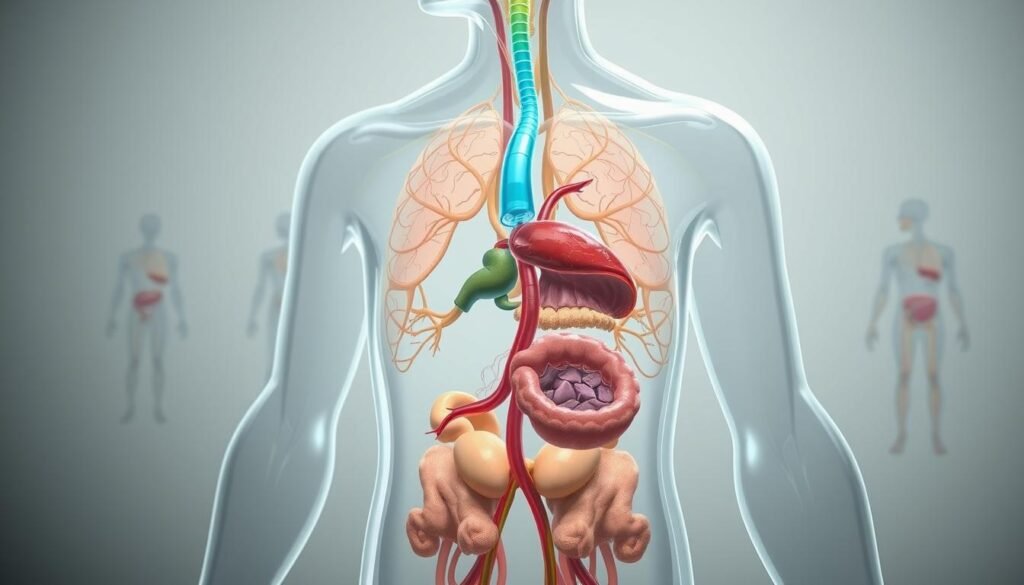
- You get a clear picture of how the brain and glands manage energy, appetite, and recovery.
- Better insulin sensitivity from activity improves how your blood handles sugar.
- Reducing chronic inflammation helps restore cleaner hormone function and steadier levels.
“Even small daily choices—sleep, movement, and lower exposures—sharpen the messages your body uses to run well.”
Spotting the Signs of Hormonal Imbalance
Your body often uses subtle signs—like tired afternoons or acne flare-ups—to ask for help. Notice patterns rather than single moments.
Common symptoms include fatigue, mood swings, low libido, headaches, acne, bloating, irregular periods or PMS, weight changes, cravings, and brain fog. Because hormones interact, one disrupted signal can trigger others.
- You’ll match what you feel—swings in mood, cravings, or period changes—to clear signs that your body needs support.
- See how symptoms cluster, such as skin issues with bloating or fatigue with brain fog, and why they can reflect shifts in multiple levels.
- Track patterns across your month to spot repeat days; this helps target habits that help most.
- Learn to tell everyday fluctuation from persistent change that may need lab tests or a clinician visit.
When to get help: if symptoms are severe or new, check with a healthcare provider. They can evaluate possible hormonal imbalances and rule out other causes.
“Pay attention to repeating signs. Small tracking steps often reveal the story your body has been trying to tell.”
Foundations First: Build a Hormone-Supportive Plate
Start by making your plate a steady partner—meals can send the clearest signals to your appetite and energy. Small, reliable choices at each sitting help you feel full and keep levels steady throughout the day.

Prioritize protein at every meal
Aim for about 25–30 grams of protein per meal. This supports peptide hormones that regulate fullness and energy and helps prevent big swings in appetite.
Healthy fats to stabilize appetite
Include fats like avocado, extra-virgin olive oil, walnuts, and fatty fish. These fats help reduce insulin resistance and can blunt cortisol spikes during stress.
High-fiber, antioxidant-rich foods
Add colorful vegetables and cruciferous choices (broccoli, kale, Brussels sprouts) several times weekly. They support estrogen metabolism and feed a resilient gut with antioxidants.
Smart hydration and targeted nutrients
Drink roughly half your bodyweight in ounces as a baseline and add about 20 ounces during a focused reset. Favor mineral-rich fluids and include vitamin D sources and omega-3s to fill nutrient gaps.
- Simple baseline: 25–30 g protein per meal to steady appetite and peptide signals.
- Build meals: colorful plants + healthy fats to support steady levels and lasting fullness.
- Hydration: clear targets and minerals to assist natural elimination.
- Supplements: use vitamin D and omega-3s when needed, not as a shortcut to balanced food intake.
Detox for Hormonal Health: Gentle Daily Habits That Work
Small daily swaps in what you drink and eat can steady your energy and sharpen metabolic signals. These changes are easy to keep and fit into a busy lifestyle.

Lower added sugar to improve insulin sensitivity
Added sugar, especially sugar-sweetened beverages, raises insulin resistance even when calories stay the same. You’ll spot hidden sources and swap them for options that help improve insulin action and reduce cravings across the day.
Adopt a Mediterranean-leaning pattern with cruciferous veggies
A diet built on whole grains, fish, olive oil, legumes, and colorful vegetables supports steadier levels and healthier estrogen metabolism. Include cruciferous foods like broccoli and kale several times weekly to add fiber and antioxidants.
Consider green tea for protective polyphenols like EGCG
Green tea delivers EGCG and other polyphenols that support natural defenses against environmental insults. A daily cup is a simple habit that adds antioxidant support without extra calories.
- You’ll reduce intake of sugary drinks and refined snacks while learning easy replacements that keep meals satisfying.
- You’ll make habits bite-sized—prep a veggie add-on, plan protein snacks, or swap one drink a day—to make changes stick.
- You’ll shift toward meals that stabilize appetite and help improve insulin sensitivity over time.
“Small, consistent swaps beat short bursts of strict rules—steady habits make balance sustainable.”
Cut Back on Toxins That Disrupt Hormones
Common household items may carry compounds that interfere with how your body clears and uses hormones. Over time these small hits can raise estrogenic activity or add heavy metals that change blood pressure and reproductive signals.

Common culprits: xenoestrogens, atrazine, and lead
Xenoestrogens live in some plastics, fragranced cleaners, and beauty products and can raise estrogenic action in your system.
Atrazine can appear in contaminated water and on non-organic produce and has links to reproductive problems. Lead from old paint or plumbing affects blood pressure, joints, kidneys, and reproductive health.
Home and personal-care swaps to reduce exposure
Simple swaps cut risk without upending your life. Choose fragrance-free cleaners, glass or stainless food storage, and sunscreens and cosmetics rated lower-toxicity on EWG’s Skin Deep list.
Replace plastic bottles and storage that contact hot foods. These changes protect your body and often save money over time.
Food and water choices that lessen your toxin load
Rinse produce, pick organic selectively (especially for items on high-residue lists), and use a certified water filter to reduce atrazine and lead.
Trim added sugar and alcohol while you upgrade products—this helps liver enzymes work more efficiently and supports clearer hormone levels.
- You’ll spot high-impact sources like certain plastics and fragranced products so you can lower exposure with easy swaps.
- You’ll tighten kitchen habits like rinsing produce and filtering tap water to reduce what travels with food and drink.
- You’ll see why persistent exposures add up and how reducing them helps daily hormone signaling and long-term health.
“Small product and food swaps remove hidden stressors on your system and protect hormone balance over time.”
Move to Balance: Exercise That Supports Insulin and Cortisol Levels
A mix of strength, brisk walks, and quick intervals keeps your system responsive without burnout. Regular activity improves insulin sensitivity even when weight doesn’t change. That makes daily movement a powerful way to lift energy and steady levels.
HIIT, strength, and walking: choosing the right mix for you
Short HIIT sessions stimulate growth-related pathways and help regulate insulin. Strength training builds muscle that uses glucose more efficiently. Brisk walking adds low-impact cardio you can do any day.
Pick two to three weekly strength sessions and add brief intervals or brisk walks on busier days. This blend keeps hormones responsive while fitting real schedules.
Why rest days matter for inflammation and recovery
Rest days reduce chronic inflammation and prevent overtraining. Recovery protects joints, keeps motivation high, and helps cortisol levels settle into a healthier rhythm.
Rotate rest and active days so your plan is sustainable. Over time you’ll notice steadier energy and better appetite control as muscles become more insulin sensitive.
- You’ll match routines to recovery by blending strength, intervals, and walks so you improve insulin handling without burning out.
- You’ll use short HIIT or brisk walks on busy days and longer strength workouts when you can to support steady levels.
- You’ll build in rest days to protect joints, reduce inflammation, and keep the plan sustainable for people with varied schedules.
- You’ll notice better energy and appetite control as muscles respond and cortisol levels find a calmer pattern.
- You’ll anchor workouts to the calendar so movement becomes a dependable pillar of your week and a lever for weight and mood.
“Consistency and sensible recovery beat extremes—make movement a steady part of your day.”
Sleep and Stress: The Underrated Detox Duo
Simple evening habits and short stress breaks can change how your brain and body repair at night. Poor sleep links to shifts in insulin, cortisol, leptin, ghrelin, and growth hormone. That makes a clear case to protect both rest and daily stress resets.
Protect your circadian rhythm to support melatonin and growth hormone
Keep consistent bed and wake times so melatonin rises and cortisol quiets. Blue light at night can spike cortisol and suppress melatonin, so dim screens and lights in the hour before bed.
Deep sleep is when growth hormone peaks and tissues repair. A darker, calmer evening helps you reach those stages and improves sleep quality.
Daily stress resets: breathing, meditation, and boundaries
Short practices cut chronic cortisol activation. Two minutes of slow nasal breathing or a brief guided meditation reduces tension and lowers cortisol levels quickly.
Set small boundaries in your life—say no to one extra task or mute notifications after dinner. These steps reduce constant stress and help hormonal balance feel steadier.
- Build a wind-down routine to protect your circadian rhythm so melatonin rises and cortisol quiets by night.
- Prioritize consistent sleep and a darker evening to support deep stages where growth pulses occur.
- Use fast stress resets—two minutes of slow breathing or a quick meditation—to reduce all-day cortisol noise.
- Better sleep quality steadies appetite, improves focus and brain clarity, and makes healthy choices easier the next day.
- Treat stress care like daily hygiene so your life feels calmer and your hormonal levels stay more predictable over time.
“Small, nightly habits and quick stress breaks add up. They let your body reset and make life feel more manageable.”
Targeted Support: Supplements That Aid Natural Detox
Targeted supplements can gently support your liver and nutrient status while you upgrade daily habits. These options are not a shortcut. They back up food, sleep, and movement to help your system clear and rebalance.
NAC, milk thistle, and EGCG — liver and antioxidant support
N-acetyl-cysteine (NAC) helps your body make glutathione, a key antioxidant that supports liver clearing pathways.
Milk thistle contains silymarin, which is widely used for hepatoprotective effects. EGCG from green tea adds antioxidant protection against environmental insults.
Omega-3s and vitamin D to support hormone function
Omega-3 fatty acids can improve insulin sensitivity and modulate stress responses; they also supply healthy fats many people lack.
Vitamin D supports normal hormone production and is commonly low in many adults. If sun exposure or intake is limited, a supplement can make sense.
Safety first: when to check in with your provider
Discuss supplements with your clinician if you take medications, are pregnant, or breastfeeding. Timing and interactions matter.
Choose products with third-party testing, clean excipients, and forms your body can use to get the best value from your intake.
- You’ll consider NAC, milk thistle, and EGCG to ease liver workload while you improve food and sleep.
- You’ll use omega-3s and vitamin D strategically when dietary fats or sun exposure are low.
- You’ll evaluate product quality—third-party testing and clear ingredient lists are musts.
- You’ll remember supplements assist the process but don’t replace protein-rich meals, plants, healthy fats, or consistent rest.
“Supplements can be helpful tools when chosen thoughtfully and paired with solid lifestyle foundations.”
Support Your Gut to Support Your Hormones
Healthy digestion helps the body manage insulin, satiety, and the recycling of hormones. A resilient gut makes it easier to keep energy steady and to curb cravings.
Fiber and fermented foods build resilience
Make a daily habit of high-fiber foods like beans, seeds, nuts, and vegetables. These choices improve insulin sensitivity and help you feel full longer.
Rotate fermented food and drink such as yogurt, kefir, sauerkraut, or kimchi so beneficial microbes stay diverse. That diversity links to calmer mood and fewer cravings.
The gut-estrogen axis and regularity
Regular bowel movements support elimination of metabolized estrogens, which cuts recirculation that can worsen hormonal imbalances. Simple hydration and gentle movement keep digestion moving.
- You’ll build a daily fiber habit with beans, seeds, nuts, and vegetables to support regularity and the gut-estrogen axis.
- You’ll rotate fermented foods to enrich your microbiome and support calmer mood and cravings.
- You’ll connect how a robust microbiome helps insulin signals land, which supports steadier energy and appetite across the afternoon.
“Small, steady gut changes amplify other habits and help steady long-term levels.”
Conclusion
Small, steady habits pull many scattered signals in your body into a clearer rhythm. You can use simple steps—protein-forward meals, a Mediterranean-leaning diet with colorful plants, and lower added sugar—to help your hormones find better balance.
Move most days, protect sleep, and add quick stress resets so cortisol and insulin do their jobs and your energy and levels feel more predictable. Reduce exposure at home and in products at your own pace to lighten the load on your system.
Keep supplements as targeted tools once meals, movement, and sleep are stable. Use this checklist as a gentle reset you can revisit anytime to track symptoms, weight, mood, and sleep quality as you personalize your lifestyle.
FAQ
What gentle methods can you use to support hormone balance naturally?
You can prioritize whole foods, consistent protein at meals, healthy fats like avocado and olive oil, and plenty of fiber from vegetables and whole grains. Add regular movement, quality sleep, and stress-management practices such as breathing or short mindfulness breaks. Small, sustainable changes—rather than extreme cleanses—help your liver, gut, and endocrine system work better over time.
Why does focusing on hormonal balance matter right now?
Many people face higher stress, more processed food, and greater exposure to environmental chemicals today. Those factors raise cortisol and insulin and can disrupt estrogen and thyroid signaling. Addressing lifestyle, diet, and toxin exposure reduces symptoms like fatigue, weight shifts, mood swings, and irregular cycles while improving long‑term metabolic health.
How do insulin, cortisol, and growth hormone affect your daily energy and weight?
Insulin regulates blood sugar and fat storage—too much added sugar or refined carbs can increase insulin and promote weight gain. Cortisol responds to stress and influences appetite, sleep, and inflammation. Growth hormone helps repair tissue and supports lean mass, especially during sleep. Balancing meals, managing stress, and prioritizing restorative sleep supports healthy levels of each.
What are endocrine disruptors and how do they interfere with hormone communication?
Endocrine disruptors are chemicals that mimic or block natural hormones. Common culprits include certain plastics, pesticides, and some personal‑care ingredients. They can alter estrogen and thyroid activity and worsen inflammation. Reducing exposure through safer product swaps and careful food and water choices lowers your overall toxin load.
What signs suggest you might have a hormone imbalance?
Look for persistent fatigue, brain fog, weight changes, irregular or painful periods, sleep problems, low libido, mood swings, and digestive issues. Any cluster of these symptoms warrants a conversation with your healthcare provider to check hormones, thyroid, and metabolic markers.
How should you build a hormone-supportive plate?
Start with a palm-sized portion of protein at each meal to support peptide hormones, add healthy fats to stabilize appetite and support cell signaling, and include high‑fiber vegetables and whole grains for gut and estrogen balance. Drink water regularly and limit sugary drinks that spike insulin.
Which healthy fats help balance hormones and stabilize appetite?
Prioritize monounsaturated fats like olive oil and avocados, and omega‑3s from fatty fish, walnuts, or supplements. These fats support cell membranes, reduce inflammation, and help regulate appetite hormones like leptin and ghrelin.
What foods support estrogen metabolism and gut health?
Cruciferous vegetables (broccoli, Brussels sprouts), fiber‑rich produce, legumes, and fermented foods like yogurt or kefir support the gut microbiome and healthy estrogen clearance. Antioxidant‑rich berries and green tea polyphenols also protect liver pathways involved in hormone breakdown.
How can you lower added sugar to improve insulin sensitivity?
Swap sugary snacks for whole‑food options—fruit with nuts, Greek yogurt, or hummus with vegetables. Choose whole grains over refined carbs, read labels to avoid hidden sugars, and balance carbs with protein and fat at meals to blunt blood sugar spikes.
What role does a Mediterranean‑leaning pattern play in hormone balance?
A Mediterranean pattern emphasizes vegetables, fruits, whole grains, legumes, fish, olive oil, and moderate dairy. This mix provides fiber, healthy fats, and antioxidants that support insulin sensitivity, reduce inflammation, and protect liver and brain health—key for hormone stability.
Should you consider green tea or supplements for protective polyphenols?
Green tea supplies EGCG and other polyphenols that support antioxidant defenses and liver function. Supplements like EGCG or milk thistle can help some people, but you should check safety, dosage, and interactions with your provider before starting anything new.
Which common toxins most often disrupt hormones?
Xenoestrogens found in some plastics, pesticides such as atrazine, heavy metals like lead, and certain flame retardants can interfere with hormone action. Reducing exposure in packaging, food choices, and household products helps lower your burden.
What easy home and personal‑care swaps reduce exposure to endocrine disruptors?
Choose glass or stainless‑steel food storage, use fragrance‑free and paraben‑free personal‑care products, opt for filtered tap water if contaminants are a concern, and avoid heating food in plastic. These swaps cut routine contact with hormone‑mimicking chemicals.
How does exercise type influence insulin and cortisol levels?
Strength training and moderate aerobic exercise improve insulin sensitivity and help maintain lean mass. HIIT can boost metabolism but may raise cortisol if overdone. Regular walking and low‑intensity movement reduce stress and support recovery. Balance intensity with adequate rest.
Why do rest days and recovery matter for inflammation and hormones?
Rest reduces chronic inflammation and prevents excessive cortisol production. Recovery supports muscle repair and growth hormone release, which helps metabolic function. Schedule restorative activities and prioritize sleep to let systems reset.
How does sleep support melatonin and growth hormone for detox and repair?
Sleep—and consistent timing—promotes melatonin production that aids circadian rhythm and supports nighttime repair. Deep sleep phases trigger growth hormone release, which repairs tissues and supports metabolic health. Aim for regular bedtimes and a dark, cool sleep environment.
What daily stress resets help lower cortisol?
Short breathing exercises, 5–10 minute meditation sessions, gentle movement like yoga, and setting clear work‑life boundaries all lower cortisol. Consistent small practices deliver better results than rare long sessions.
Which supplements most often support liver and antioxidant pathways?
N‑acetylcysteine (NAC), milk thistle, and green tea extracts provide antioxidant and liver support for some people. Omega‑3s and vitamin D further support hormone function. Always discuss supplements with your clinician, especially if you take prescription meds.
When should you check in with a healthcare provider about supplements?
If you have a chronic condition, take medications, are pregnant or breastfeeding, or have abnormal lab results, consult your provider before starting supplements. They can review interactions, correct doses, and order relevant hormone or liver tests.
How does gut health influence estrogen and overall hormone balance?
The gut microbiome helps recycle and excrete estrogen via the gut‑estrogen axis. Healthy diversity, fiber, and fermented foods support regularity and reduce reabsorption of excess hormones. Improving gut function often eases bloating, mood swings, and cycle issues.
What are simple fiber and fermented food options to support your microbiome?
Try oats, beans, apples, cruciferous vegetables, yogurt, kefir, sauerkraut, and kimchi. Small daily portions combined with varied plant foods feed beneficial bacteria and support regular bowel movements and hormone clearance.
How quickly can you expect to notice improvements after making lifestyle changes?
Some benefits—like better sleep, steadier energy, and reduced bloating—can appear in a few days to weeks. Hormone normalization, weight changes, and menstrual improvements often take 2–3 months as your body adapts. Consistency matters more than speed.