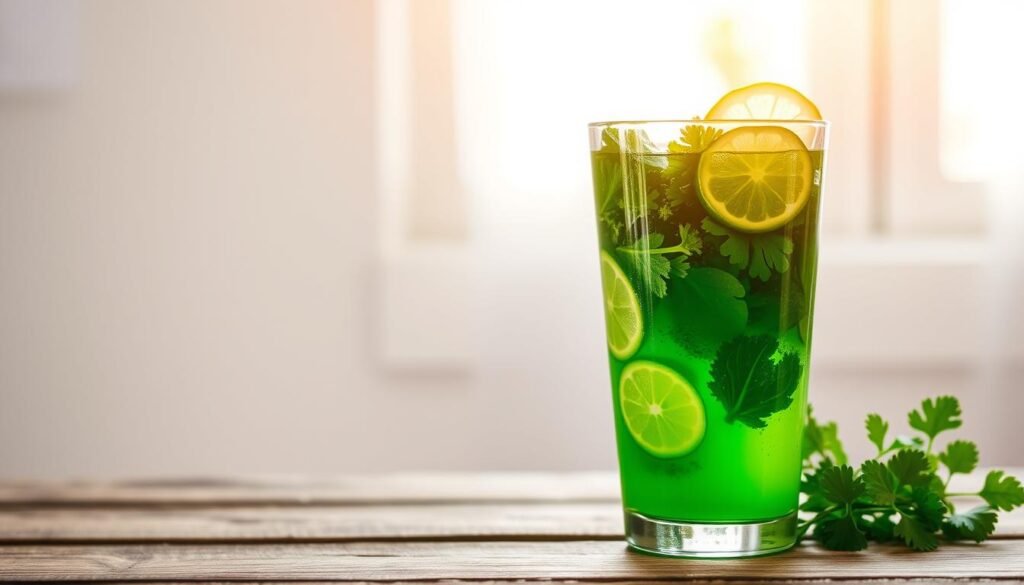
Curious if a morning sip can actually help your energy and comfort? These beverages blend fruit, herbs, and water to support digestion and reduce bloating. They are easy to make and fit most diet goals.
You’ll get seven practical recipes that focus on hydration, fiber, and antioxidants. Expect quick steps, simple ingredients, and tips to make ahead for busy mornings.
Most fresh blends are best used within six hours in the fridge, so you can plan meals across months. We’ll explain realistic benefits for your body, how choices relate to liver and digestion, and how to build a tasty habit that supports your health.
What Detox Drinks Really Are and What They’re Not
Think of infused water as a simple habit that nudges you to drink more, not a miracle cure.
Infused water is just water flavored with fruit, herbs, or vegetables. It is very low in calories and mainly adds taste so you sip more often. The real benefits are improved hydration, a bit of flavor, and—when you include pulp—some fiber and antioxidants that support digestion and wellbeing.
Hydration, fiber, and antioxidants: the real advantages
Drinking flavored water can help with energy, regular bowel movements, and mood by keeping you hydrated. Small amounts of vitamins and antioxidants in fresh fruit support digestion and general health.
Common myths about “detox” and why your body already detoxifies
Your liver and kidneys process and remove waste continuously; one beverage won’t speed those pathways. Claims that a single sip will change your body pH or clear skin overnight aren’t backed by science.
- You’ll get flavor and a habit that helps hydration.
- You won’t “flush toxins body” with one drink.
- Expect steady benefits like gentler digestion and steadier energy, not instant cures.
How to Use Morning Drinks to Support Your Body’s Natural Detoxification
Sip smart, not large: start with 8–12 ounces in the morning on an empty stomach if that feels good to your stomach. You can then sip more with breakfast based on hunger and comfort.
Timing, portions, and realistic expectations
Timing matters. Infused mixes can sit in the fridge for 1–12 hours to build flavor; remove solids afterward to keep them fresh. For blended juices, aim to drink within 6 hours if you batch ahead and keep them chilled in a sealed bottle.
Keep portions reasonable. If you’re watching weight, an 8–12 ounce, fiber-rich juice may help you feel satisfied until your next meal. Remember: these sips offer gentle support for digestion and hydration, not instant changes to your body natural detoxification pathways.
- Notice how your body responds—some herbs and spices warm or soothe.
- On busy days, choose simple infusions; on calm mornings, allow longer infusion hours for deeper flavor.
- Consistency across days matters more than one large serving.
Practical tip: drink water regularly through the day to support digestion and mood—mild dehydration can lower energy and concentration, so small, steady sips help your body function better.
Detox Drinks
You’ll find seven simple morning recipes that use common pantry produce and a few fresh herbs.
These options rely on easy-to-find ingredients like cabbage, cucumber, lemon, pineapple, mint, and ginger. Many mixes are low to moderate in calories and suit varied diet needs.
Here’s what to expect: some drinks are tart, some are sweet, and some lean herbaceous. Hibiscus-based sippers stay very low calorie, while celery-pineapple blends add more fiber for satiety.
Prep notes are simple. Blend when you want pulp, steep tea bases, or infuse fruit for flavor. Most homemade bottles taste best within six hours chilled.
“Pick one to start, then rotate to keep mornings fresh.”
These recipes fit into your home routine and can support general health goals—hydration and gentle gut comfort—without claiming to speed up the liver or produce dramatic results across months.
Lemon Water with a Pinch of Turmeric
Begin the day with a small ritual: warm water, lemon, and a pinch of turmeric that adds color and a gentle spice.

Why it helps in the morning
Vitamin C from lemon gives a wake-up boost while the warm water supports hydration and a calm stomach. Turmeric’s curcumin brings mild anti-inflammatory support that may aid liver function over time.
Simple method and safety notes
Squeeze half a lemon into a cup of warm water, add a tiny pinch of turmeric, stir, and sip on an empty stomach. Drink it within a few minutes for the best flavor and benefits.
- You’ll start with warm water, half a lemon, and a pinch of turmeric for a bright, gently spicy morning drink.
- Vitamin C supports your daily health needs; hydration first thing helps you feel more alert during the day.
- Stir well and sip within minutes; prepare fresh and consume immediately for peak flavor.
- If your stomach is sensitive, reduce turmeric to a tiny pinch and build up slowly.
- Use a straw if lemon bothers your teeth, and rinse your mouth with plain water afterward.
- Rotate this simple method through months of your routine when you want a fast, low-effort option.
Ginger and Mint Tea to Wake Up Digestion
A warm cup of ginger and mint can gently kick your morning digestion into gear.
Why it works: ginger brings a mild anti-inflammatory boost, and mint soothes the stomach. Together they form a classic combo that supports comfortable digestion and a calm morning.
Anti-inflammatory ginger and soothing mint for metabolism and digestion
Boil a small piece of fresh ginger and a few mint leaves in water for about 5 minutes. Strain and sip warm. This quick method extracts flavor and beneficial compounds in only minutes.
- Simmer fresh ginger and mint for roughly 5 minutes for an easy, stomach-friendly tea.
- If you like stronger flavor, steep a few extra minutes and strain while hot.
- Use thin ginger slices for quick extraction or grate for more zing.
- Prep a larger pot and chill for a few hours if you prefer it iced later.
- Pair this simple drink with a balanced breakfast to support steady metabolism and morning energy.
“A short, warm infusion can be a gentle way to help your stomach and mood before you eat.”
Coconut Water Refresher for Electrolytes and Fluid Balance
Coconut water provides gentle, plant-based electrolytes to help you move through the morning.
Why try it: coconut water is a natural hydrator rich in potassium and other electrolytes. It helps restore fluid balance after sleep and can act as a mild diuretic for some people.
Choose fresh or unsweetened packaged coconut water and drink it straight. Sipping chilled coconut water is an easy way to support your fluid needs early in the day.
- Reach for chilled coconut water to rehydrate and restore fluid balance after sleep.
- Its naturally occurring electrolytes, including potassium, support your body’s morning needs.
- Opt for unsweetened versions to keep sugars in check and flavor clean.
- Sip a small bottle on busy days, or pour over ice and enjoy slowly within a few hours.
- Combine with a squeeze of lime for a brighter edge; pair with a light breakfast for balanced energy.
“A single-ingredient choice like coconut water can be a simple, refreshing step toward better hydration and steady metabolism.”
Amla (Indian Gooseberry) Juice for a Vitamin C Boost
Amla packs a vivid vitamin C punch in a tiny, tart glass. Blend fresh amla with cold water, strain if you prefer smoothness, and sip first thing in the morning. Keep it unsweetened to enjoy the pure fruit flavor and low calories.
Immune support and metabolic balance without added sugar
Why try it: amla is rich in vitamin C and antioxidants that support your immune system and may help maintain favorable blood pressure and blood sugar levels. It’s a natural, sugar-light juice that fits many diet goals.
Prep is fast—blend a few amlas with water and drink within minutes for best flavor. Rotate this choice during cooler months when you want a concentrated, citrus-like note.
- Blend a few fresh amlas with cold water for a tart morning juice.
- Strain for smoothness or keep pulp for extra fiber and texture.
- Enjoy unsweetened to keep calories low and support weight-aware plans.
- If too intense, dilute with water or add a slice of apple.
- Prep takes minutes; drink immediately to protect liver health and nutrients.
Jeera or Methi Water: Light, Warming Options for Early Hours
Start your morning with a warm, spice-forward sip that feels gentle on the stomach. These simple recipes use just one ingredient and a little time to make. They are easy to fit into your routine and can support mild fluid balance and comfort.

Cumin water for bloat and fluid balance
Jeera water is classic and minimalist. Soak 1 tsp cumin seeds overnight, then simmer for about 5 minutes, strain, and sip warm.
Many people find this helps morning bloat and gentle fluid balance. If the flavor feels strong, dilute with extra warm water.
Fenugreek water to support blood sugar and digestion
Methi water uses 1 tbsp fenugreek seeds soaked overnight. Strain and drink the infused liquid on an empty stomach.
Fenugreek may help steady mornings, support digestion, and fit into weight-aware plans when used as a light first sip.
“Keep portions small and make only what you’ll drink within a few hours for the best flavor.”
- Minimalist, single-ingredient options that are easy on your stomach.
- Dilute for a milder taste or sip warm for comfort.
- Prep overnight and heat or strain in the morning for quick, spice-forward relief.
Hibiscus with Strawberries: A Tart, Low-Calorie Diuretic Sipper
Bright, tangy hibiscus combined with ripe strawberries makes a morning sip that wakes your palate without heavy calories.
What to do: brew 1 cup of hibiscus tea, chill it, then blend with five fresh strawberries for a ruby-red, juice-like sip. Blend for 1–2 minutes and strain if you want a smoother texture.
This mixture is very low in calories—about 21 per 250 mL—and tastes tart and crisp. Hibiscus is known for its diuretic properties, which can help you feel lighter by supporting fluid excretion.
Keep the mix unsweetened so the natural fruit notes shine. Store a small batch refrigerated and enjoy within 6 hours for best flavor and nutrient retention.
“A cold, unsweetened hibiscus-strawberry glass is a flavorful, low-calorie way to start the day.”
Pair this sip with a protein-rich breakfast if you’re aiming for weight loss goals. Garnish with a basil leaf for a fragrant twist without added sugar.
- Brew hibiscus tea, chill, then blend with fresh strawberries.
- Low calorie and tart—about 21 kcal per 250 mL.
- Blend 1–2 minutes; strain if you prefer smooth juice.
- Store up to 6 hours refrigerated; drink unsweetened.
- Pairs well with protein to support morning fullness and goals.
Celery and Pineapple Morning Juice for Debloating
A crisp celery-and-pineapple mix can help calm a bloated stomach and keep you satisfied.
What to combine: blend 1 bunch celery, 2 slices ripe pineapple, and 150 mL coconut water with ice for about 2 minutes until homogeneous. Drink immediately without sweetening; one serving is roughly 110 calories.
The high water content and fiber create a bright, hydrating juice that supports fullness and reduces morning puffiness. If you want a bit more zing, add a small knob of ginger.

Fiber, water content, and storage tips for busy mornings
Blend for about 2 minutes until smooth. If you prefer a lighter texture, strain drink through a fine sieve before serving.
Keep portions near 8–12 ounces to fit your breakfast plan. Make it fresh or chill a sealed bottle and consume within a few hours. This detox juice is a good grab-and-go option on busy days.
- Combine celery, pineapple, and a splash of coconut water for a hydrating start.
- Use ripe pineapple for natural sweetness without added sugar.
- Store chilled up to a few hours; best enjoyed within 6 hours for peak content and flavor.
“This simple, fiber-rich juice supports fullness and can ease morning bloating without extra sugar.”
How to Make Detox Water at Home the Right Way
Start simple: use cold filtered water, a clean jar, and a couple of sliced ingredients to build a morning habit that tastes good and helps you sip more.
Best fruit, herb, and spice pairings
Pick combinations that balance flavor and aroma. Try cucumber + mint, lemon + ginger, strawberry + basil, grapefruit + rosemary, or apple + cinnamon.
Tip: lightly crush herbs and spices to release oils without adding bitterness.
Infusion time, straining, and safe fridge storage
Chop or slice your ingredients, add them to cold water, and chill. For deeper taste, infuse in the fridge for 1–12 hours. Quick versions work at room temp for 15–30 minutes, then chill.
After infusing, strain drink and discard solids to avoid decomposition. Use glass jars or bottles with tight lids and make small batches you’ll finish within 24 hours.
- Start with cold filtered water and fresh ingredients.
- Infuse for hours for fuller flavor, or use minutes for a fast sip.
- Rotate produce by months to follow seasonality and keep costs low.
“Make only what you’ll drink and store it cold for the cleanest taste.”
Evidence Check: Benefits vs. Hype
Clear evidence shows that boosting your fluid intake often helps weight control and morning focus.

Weight management, energy, digestion: what hydration can do
Hydration supports weight loss by helping you feel fuller and can slightly raise metabolic rate during the day. Choosing flavored water over sugary options reduces calories without major effort.
Drinking enough fluids links to better regularity and less constipation, which eases bloating and supports digestion. You’ll often notice steadier energy and clearer focus when you stay hydrated.
What these options won’t do
Real limits: no single sip will change your blood pH or rapidly cleanse your liver. Natural detoxification happens in your organs over time and isn’t sped up by a morning beverage.
- Hydration can nudge weight loss and cut cravings.
- It helps waste removal and exercise performance, aiding overall health.
- It won’t instantly clear skin, purge toxins body, or replace medical care.
“Use these sips to replace sugary choices and support broader habits like sleep, movement, and balanced meals.”
Smart Swaps, Allergies, and Dietary Notes
Small, smart swaps can keep your morning sip low in sugar and kinder to sensitivities.
Low-sugar, nut-free, and caffeine-light choices help you feel steady through the morning and throughout day. Many recipe variations are low calorie and stay fresh up to six hours when chilled.
Practical options and allergy tips
Swap higher-sugar blends for tart options like hibiscus-strawberry or lemon-infused water to keep sugar level steady. If you avoid nuts, skip cashew-based recipes and pick celery-pineapple or amla instead.
For caffeine-light mornings, choose herbal teas such as hibiscus or chamomile so you stay calm throughout day. If seeds upset you, omit flax or chia—you’ll still get flavor and hydration.
- Citrus-sensitive? Try cucumber-mint or apple-cinnamon infusions.
- If you want to lose weight, keep portions modest and pair with protein-rich foods.
- Remember: vitamin B12 is not typically in plant food—seek fortified foods or a healthcare-advised supplement.
“Pick combinations that fit your diet and make you feel like a well drink after breakfast.”
Conclusion
Start with a short ritual that takes minutes but can improve your mood and appetite control.
Build your morning around simple, tasty choices like a hibiscus-strawberry glass (~21 kcal) or a celery-pineapple blend (~110 kcal). These options help you sip more fluid and feel lighter without long prep time.
Pick one detox drink or detox juice to try this week and note how your body responds. Most recipes take only minutes to make and keep well for a few hours if you prep ahead.
Use these sips to support weight loss alongside balanced meals, movement, and sleep. Your liver does the heavy lifting—these choices are supportive, not a shortcut. Rotate flavors across months for variety and consistency.
FAQ
What are these morning cleansing drinks and how do they differ from fad cleanses?
These morning beverages are simple, hydration-based recipes that combine water, fruit, herbs, spices, or coconut water to support hydration, fiber intake, and antioxidant intake. They’re not fasts, pills, or extreme regimens. Instead, they complement your body’s normal liver and kidney processes by keeping you hydrated and giving gentle nutritional support.
Can a single drink help you lose weight quickly?
No single beverage will trigger rapid weight loss. Drinking a low-calorie morning blend can reduce hunger, replace sugary drinks, and support fluid balance, which helps with modest weight management over time when combined with a healthy diet and activity.
How soon after waking should you drink your morning mix?
Aim to sip your beverage within 30 to 60 minutes of waking. That timing helps rehydrate you after overnight fasting and primes digestion. If you exercise early, hydrate first and enjoy the drink after your session for best results.
Are there any safety concerns with ingredients like turmeric, ginger, or amla?
These ingredients are generally safe in culinary amounts. Keep portions moderate: a pinch of turmeric, a thumb-size slice of ginger, or a small shot of amla juice. If you take blood thinners, have gallbladder issues, or are pregnant, check with your healthcare provider before adding concentrated herbal or high-vitamin preparations.
How long should I drink these morning recipes before expecting benefits?
You may notice improved hydration and reduced bloating within days. More measurable benefits—steady appetite control, better digestion, or slight energy gains—typically show up in a few weeks when paired with balanced meals and sleep.
Do these drinks actually “cleanse” your liver or remove toxins?
Your liver and kidneys constantly filter and eliminate waste. These beverages don’t replace that biology. They support natural detoxification indirectly by reducing added sugars, improving hydration, and providing antioxidants that protect liver cells.
How should I store homemade infused water, juices, or teas?
Store refrigerated in a sealed container for up to 48–72 hours for infused water and up to 24–48 hours for fresh juices. Strain herbs and solids out after infusion to preserve flavor and safety, and label containers with the date.
Which morning option is best if you struggle with bloating?
Light warming waters like cumin (jeera) or fenugreek (methi) infused in warm water, or a celery-pineapple blend, can help reduce gas and ease digestion thanks to mild carminative and water content effects.
Can I use coconut water in place of plain water every morning?
Coconut water is a good electrolyte-rich alternative occasionally, especially after exercise or on hot days. Mind the natural sugars and calories: use it alongside plain water rather than as your only morning fluid.
Are there low-sugar or nut-free recommendations for people with allergies or diabetes?
Yes. Focus on herb- and spice-based warm waters, lemon with a tiny turmeric pinch, ginger-mint tea, or hibiscus with fresh strawberries without added sweetener. These keep calories and sugars low while offering flavor and benefits for digestion and hydration.
Is it better to strain fresh juices or keep the pulp for fiber?
Keeping pulp preserves fiber, which benefits digestion and blood sugar control. If you prefer a smooth cup, alternate between strained and whole-juice methods, or add a small spoonful of ground flaxseed to boost fiber without changing texture much.
Can children or older adults drink these morning recipes?
Most gentle, low-sugar versions—warm lemon-turmeric in tiny amounts, mild ginger tea, or diluted coconut water—are safe for kids and seniors. Adjust strength and quantity for age and consult a pediatrician or geriatric clinician if there are health concerns or medications involved.
How do I choose pairings for homemade infused water?
Combine citrus with mild herbs (lemon + mint), berries with hibiscus for tartness, or cucumber with ginger for freshness. Keep proportions light: a few slices of fruit and a sprig of herb per liter, and infuse for 1–4 hours in the fridge for best flavor without bitterness.
Will these morning routines change my skin or energy levels?
Improved hydration and reduced sugar intake often lead to clearer skin and steadier energy over weeks. Antioxidant-rich ingredients like amla or hibiscus can support skin health indirectly, but expect gradual improvements rather than instant transformations.