Can a small tool in your hand change how calm you feel today?
You’ll get clear, friendly guidance on which solutions help lower anxiety and improve sleep quality without medication.
CalmiGo is a patented, drug‑free device that targets panic and PTSD. Oxa, built by neuroscientists, measures heart rate and breathing in real time and guides exercises to boost heart rate variability. Oxa’s consumer sales have ended, but support and the app run until October 30, 2026.
In this guide you’ll compare handheld tools for quick relief with wearable coaches that track progress and offer live guidance. You’ll see how real‑time sensing and trusted recognitions like Red Dot and Swiss Startup awards signal product quality.
By the end, you’ll know which option fits your day and health goals, so you can pick a practical path to better relaxation and lower anxiety.
Start here: Find the right device to lower stress and improve sleep quality
Start by naming your goal—do you want fast calm, better sleep tonight, or steady improvement over days?
Short sessions work. You can get meaningful improvement in just a few minutes. Oxa guides you through dedicated journeys to relax, fall asleep, and build resilience. After each exercise, the app sends a full summary report on your vitals.
- Clarify your aim and match it to the right option: on‑demand calm or deeper nightly coaching.
- Take a quick self‑assessment—an easy “take quiz” flow—to narrow choices by where and how you practice.
- Pick products that deliver real feedback and clear summaries in the app so you can track progress.
CalmiGo offers a drug‑free approach designed for quick use anywhere. Use it when you need immediate relief.
“Choose the tool that fits your daily routine, then add it to cart with confidence.”
Finish with a simple plan: short daily sessions, clear guidance from the app, and a timeline to measure improvement in sleep and daytime calm.
breathing devices for stress
Learn how live guidance and simple prompts help your body shift into a quieter state.
What they are and how they support your nervous system
Handheld tools and wearables translate your breath and heart signals into clear cues. That guidance helps your nervous system rebalance by nudging the parasympathetic nervous response.
Guided breathing vs. unguided breathing exercises
Guided breathing removes guesswork. Real-time prompts adapt pace and length so you follow an optimal rhythm.
Unguided practice can work, but lacks feedback. Oxa, for example, measures heart rate and breath in real time and tailors sessions to speed relaxation.
When to consider a device for stress reduction and deep relaxation
Reach for a coach when spikes of anxiety hit or your mind races at night. Short sessions—Harvard notes even one minute of deep breathing can cut stress hormones—can reset your response.
- Quick fix: use handheld help during sudden tension.
- Daily training: choose wearables to build steady resilience.
- Skip if: you prefer unguided practice or already get consistent results.
“Simple, guided practice often interrupts rumination and helps your body settle.”
How biofeedback and guided breathing calm your parasympathetic nervous system
Biofeedback turns tiny signals from your body into clear cues that help you relax faster.
Heart rate, respiration, and heart rate variability explained
Heart rate shows how fast your heart is beating. Paired with respiration, it reveals how your body reacts in real time.
Heart rate variability is the measure of subtle timing differences between beats. Higher HRV ties to better resilience and a calmer baseline.
Real-time response: Why live guidance matters
When a sensor reads your heart and breath, the app gives instant guidance. Oxa, for example, measures ECG and adapts prompts to move HRV into a healthier zone.
That timely feedback helps you adjust pace and depth at the right moment. Short, well‑timed sessions shift the parasympathetic nervous system toward rest and recovery.
- Clear mapping: biofeedback turns heart and respiration signals into simple cues you can follow.
- Better insight: tracking both metrics gives more clarity than rate alone.
- Personalized progress: a sensor and app tailor guidance in real time so each session improves over time.
Practical tip: focus on the simple feedback, not numbers. Small, consistent practice creates lasting calm you can feel across your day.
Featured pick: CalmiGo drug‑free device for anxiety and panic
CalmiGo offers a patented, drug‑free way to calm panic fast when you need it most. It’s built to work in real moments, so you can carry it in your bag or keep it at your desk.
Patented approach to help you relax without medication
CalmiGo combines scent and airflow in a compact tool that targets acute anxiety and PTSD. You don’t need your phone to use it, and a short session takes only a few minutes.
Designed for moments of high stress, anxiety, and PTSD
Hand‑friendly and portable: the shape sits comfortably in your hand so relief is ready at any time during the day.
- Quick relief in minutes when panic rises.
- Use it without a phone—ideal in crowded or loud places.
- Consistent use builds familiarity so calm arrives more easily over time.
- Pairs well with a wearable coach later if you want deeper tracking.
- You can add CalmiGo to cart now for reliable, on‑demand relaxation and better sleep prep.
“A small tool that fits in your hand can make a big difference when anxiety hits.”
Featured pick: Oxa wearable breathing coach with live HRV
Oxa pairs a wearable sensor with an intuitive app so you get live, personalized coaching during each session.
Developed by neuroscientists and recommended by clinicians, Oxa measures real‑time respiration and ECG to shape each exercise to your needs.
Personalized guidance via app with real-time respiration and ECG
The app shows immersive audio/visual cues and posts a session report so you see immediate feedback on heart rate and trends.
Resonance breathing to activate your parasympathetic nervous system
Oxa guides resonance practice that nudges the parasympathetic nervous system into a calmer state. That targeted approach helps ease anxiety and raise rate variability.
Day and night support: reduce tension by day, fall asleep faster at night
Use Oxa during your day to manage spikes, then switch to sleep journeys that help you fall asleep more easily.
Peace of mind: 30‑day trial and supported until October 30, 2026
You can try Oxa risk‑free for 30 days. Support and app service continue through October 30, 2026, giving you time to track improvement over days.
“Real‑time coaching and clear reports make progress easy to follow.”
- You get personalized guidance as the sensor streams heart and rate data live.
- Practice resonance to boost rate variability and calm your body.
- Daytime control and nighttime journeys help you sleep better and recover.
- Developed by neuroscientists and recommended for burnout, anxiety, and insomnia.
Side‑by‑side: Which device is right for your life and goals
Pick the path that matches your pace—quick in‑hand relief or steady, data‑driven coaching.
On‑demand calming vs. comprehensive coaching and tracking
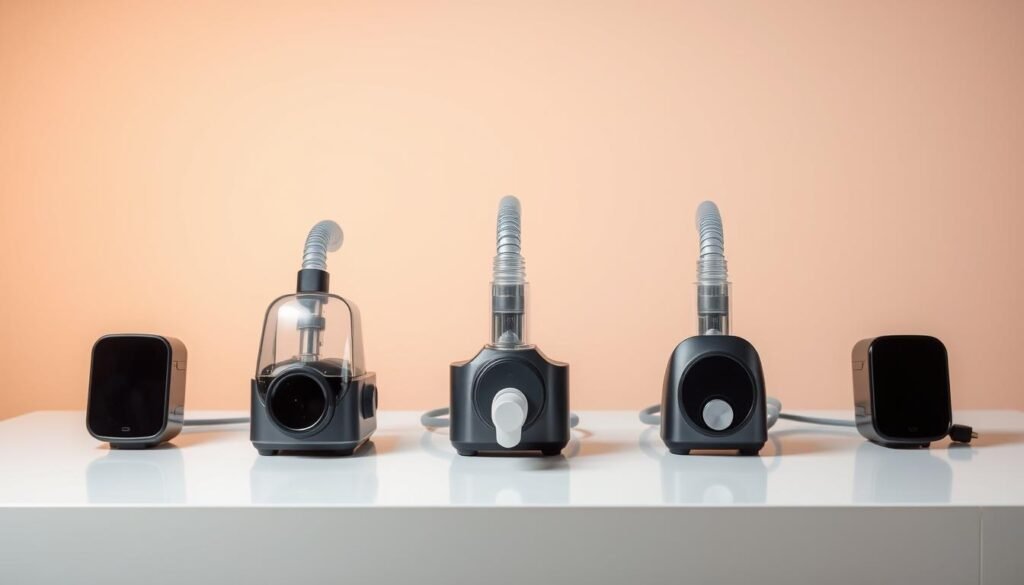
CalmiGo gives a patented, drug‑free hand option meant for sudden high moments. It fits in your pocket and works without a phone when you need quick relief.
Oxa is a wearable coach built to track progress through longer sessions. It uses real‑time biofeedback and provides reports that show how exercises change your rate variability over time.
App features, biofeedback depth, and guidance style
Decide how much data you want. If you like summaries and an app, Oxa’s reporting and live cues suit structured practice. If you favor simplicity, CalmiGo keeps things hands‑on and immediate.
Portability, wearability, and how you prefer to use your phone
Think about daily use. A handheld fits easily in your hand or bag and is simple to carry. A wearable moves with your body and gives continuous insight into heart rate and respiration.
- Choose the way that fits your routine and makes consistent use easiest.
- Weigh portability against data depth to match your day and life goals.
- Consider awards, long‑term support, and the demonstrated effects when you decide.
“Match features to your needs—quick resets or structured sessions—to get results you can keep.”
Sleep better tonight: Devices that improve relaxation, HRV, and sleep quality
A few targeted minutes each day can cut nighttime rumination and make it easier to fall asleep.
Daytime habits set the stage for calmer nights. Oxa recommends short daytime breathing practice to blunt racing thoughts that often arrive after dusk. The NHS also supports brief techniques you can use in public or at home.
Prevent racing thoughts with daytime management and bedtime resonance
Use a short routine in the late afternoon to lower activation in your nervous system. This reduces late‑night replay and helps your mind settle.
- You’ll learn why managing tension by day improves sleep at night.
- Spend a few minutes on resonance practice at bedtime to help you fall asleep faster.
- Improved heart rate variability links to deeper relaxation and more restorative sleep.
- Consistent breath habits quiet the heart and mind across days without complex steps.
- Choose a wearable coach or a simple handheld tool depending on how much tracking you want.
“Brief, repeatable guidance often creates predictable nights and better quality rest.”
Choosing your device: Fit, guidance, and data that match your needs
Choose what you will actually use: a pocket-ready hand option or a wearable sensor with live biofeedback. Think about how each fits into your day and which type of guidance keeps you consistent.
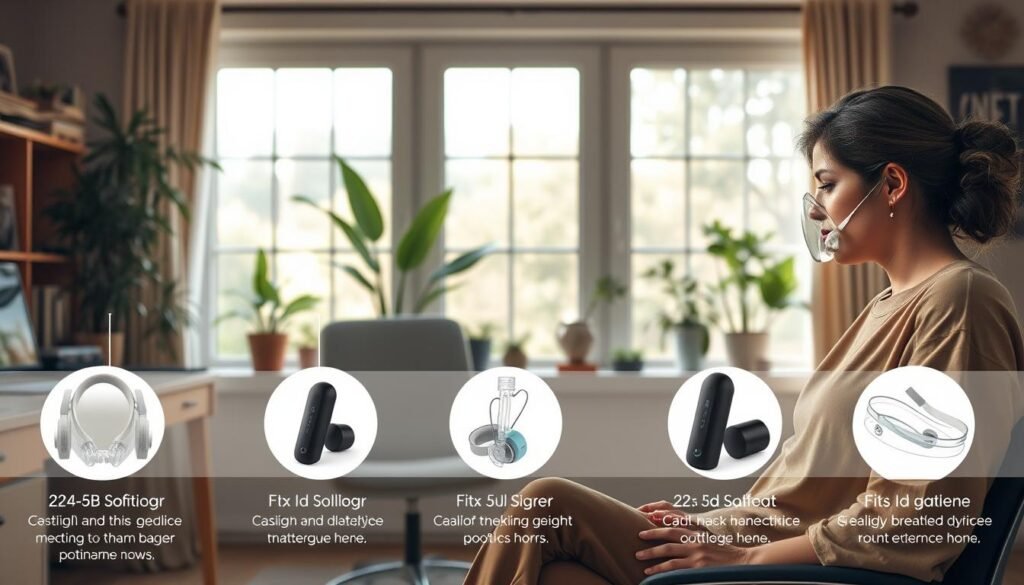
Try on the habit, not just the gadget. If you want quick resets, a patented hand tool like CalmiGo sits in your pocket and works without a phone.
If you prefer data, Oxa pairs a wearable sensor with an app that gives live biofeedback and session reports. Oxa includes a 30‑day trial and support through October 30, 2026.
- Decide how much you’ll use app features, visuals, and post-session summaries.
- Weigh personalized breathing and live sensor data against simple, on‑the‑spot relief.
- Check comfort: hand fit or strap placement on your body.
- Pick the exercises you’ll actually repeat to help long‑term stress reduction.
“Match your goals to a device profile, then add to cart with confidence.”
How to get the most from your device each day
A few deliberate minutes can shift your body’s reaction and build steady resilience. Use short, guided practice that fits your schedule and goals. Oxa offers goal-based journeys and post-exercise reports so you can track progress over time.
Minutes that matter: Short sessions to lower stress and build resilience
Short sessions work. Even a few minutes can change your physiological response and help with deep relaxation.
Keep sessions focused. Track how your breath and heart rate move as relaxation deepens. The NHS notes techniques take only minutes and can be done anywhere.
Create a routine: From quick daytime resets to pre‑sleep wind‑downs
Make a simple plan: a quick reset during the day, and a calm wind‑down before bed. Small, regular practice builds better health without large time commitments.
- You’ll use short minutes that still shift your response and build resilience.
- Combine simple breathing exercises with practical prompts so sessions stay easy to follow.
- Adjust session time to fit busy days while keeping consistency for long‑term relaxation.
- Stack brief exercises across the week so calm becomes your default reaction.
- Keep data light—use post‑exercise reports to guide progress, not to create pressure.
“Focus on quality practice rather than long sessions; small wins add up.”
Safety and suitability
Before you start, check a few safety points so you can use a tool with confidence.
Who can use these products and when to consult your physician
You can usually begin if you are an otherwise healthy teen or adult. Oxa is suitable for users aged 16 and up and is supported until October 30, 2026.
If you have ongoing health conditions—epilepsy, are pregnant, or wear a pacemaker or implanted cardiac device—talk with your physician or cardiologist before use.
- Gentle start: Introduce short practice sessions and avoid high‑intensity exercise that taxes your system.
- Sensor and fit: Make sure the sensor sits securely on your body and feels comfortable during sessions.
- Phone use: Limit phone interaction if it becomes distracting in sensitive moments.
Keep basic hygiene and care routines to prolong device life. Clean contact points and store the tool dry between days.
“If you feel dizziness or discomfort, stop immediately and seek medical advice.”
Adapt frequency during very stressful periods: shorten sessions and space practice across the day to protect your nervous system while still gaining benefit.
Science, awards, and trusted voices
Scientific awards and clinical voices help explain why guided practice works in daily life.
Resonance breathing and HRV: Evidence‑based pathways to calm
Resonance practice targets heart rate patterns to raise HRV and steady your nervous system.
That system‑level shift reduces reactivity and produces calmer days and better nights over time.
Expert endorsements and sleep specialists’ recommendations
Major institutions back clear techniques: Harvard notes deep breathing can lower anxiety and reduce stress hormones.
The NHS and WHO include short calming guides, and MIT highlights breath control when you feel overwhelmed.
Sleep clinicians such as Dr. Sarah Silverman recommend guided methods to help people unwind and improve sleep.
Notable recognitions and why they matter
Oxa’s awards — Swiss Startup Award 2022, Red Dot 2023, and Most Innovative Companies 2024 — show design and scientific rigor.
Precise biofeedback and accurate sensing make guided sessions clearer and quicker to learn.
- You’ll see how resonance breathing and HRV improvements link to calmer days and better nights.
- You’ll understand why precise biofeedback strengthens breathing exercises and speeds progress.
- You’ll read trusted viewpoints on the effects of deep breathing and how they shape daily life.
- You’ll note awards that reflect long‑term innovation, design, and clinical trust.
“Evidence and expert voices give you confidence that short, guided practice can change your routine.”
Ready to relax? Add to cart and start guided breathing today
One click can move you from overwhelm to a simple, guided session that fits your day.
Add your pick to cart and begin practice within minutes. CalmiGo is a patented, drug‑free hand option built to ease anxiety and panic without a phone. Oxa comes with a 30‑day trial and app support through October 30, 2026.
If you still want help choosing, tap “take quiz” to compare a handheld versus a wearable coach.
- You’ll enjoy a simple setup so you can practice in minutes, not days.
- Use app guidance with Oxa, or a hand‑friendly design with CalmiGo to ease stress and anxiety.
- Expect early wins that motivate you to keep going through the week.
- Make progress whether you want on‑demand calm or data‑rich coaching.
Build a routine that fits your life and get deep relaxation sooner with clear prompts and session reports. You’re one click away—add to cart and begin your first calming session.
“Start small, track a few wins, and you’ll notice real change in days.”
Conclusion
Pick one practical habit today and watch small sessions add up into reliable relief.
You’ve seen how simple breathing exercises and short exercises help lower stress and ease anxiety. Try one brief breathing exercise each morning or before bed to improve sleep.
Choose a handheld, like CalmiGo, or a wearable with live sensing such as Oxa (supported until October 30, 2026). Let your body and your routine guide the pick.
Keep clarity and consistency over complexity. Add your choice to cart or take quiz if you need a final nudge. strong.
FAQ
What kinds of devices help reduce anxiety and improve sleep quality?
You can choose handheld calming tools like CalmiGo, wearable coaches such as Oxa, or app‑first systems that use sensors and guided exercises. Each option uses paced breath guidance, biofeedback, or heart rate variability (HRV) tracking to engage your parasympathetic nervous system and lower heart rate and tension for better relaxation and sleep.
How do these tools support your nervous system?
They use guided breathing patterns and biofeedback to shift you into a “rest and digest” state. By slowing respiration and timing inhales and exhales, the systems boost HRV and activate vagal tone, which calms the sympathetic fight‑or‑flight response and reduces anxiety symptoms.
What’s the difference between guided and unguided breath exercises?
Guided sessions give real‑time cues, pacing, and often visual or haptic feedback so you follow a proven rhythm. Unguided exercises rely on your own timing and memory. Guided practice—especially with live HRV feedback—usually yields faster, more consistent results.
When should you consider using a device to manage anxiety or improve sleep?
Consider a device if you struggle with panic, chronic worry, racing thoughts at night, or poor sleep onset. Devices help for acute moments of anxiety and as part of a daily routine to build resilience and improve sleep quality over weeks.
How does biofeedback with HRV help you relax?
Biofeedback shows your heart rate or HRV in real time so you can see the calming effect of slower breathing. Watching positive changes reinforces the behavior and trains your nervous system to recover more quickly from stress.
Why is live guidance important during sessions?
Live guidance adapts pacing to your physiology, ensuring you hit resonance breathing rates that maximize vagal activation. That personalization improves outcomes compared with fixed timers or unguided practice.
What makes CalmiGo different from other options?
CalmiGo is a handheld, drug‑free device designed for on‑demand relief during panic and high stress. It delivers multisensory cues—airflow, scent, and rhythmic prompts—to interrupt acute episodes without medication.
How does the Oxa wearable coach work with its app?
Oxa pairs wearable sensors with an app to monitor respiration and ECG, then provides personalized breathing guidance and live HRV feedback. It supports daytime stress reduction and bedtime resonance exercises to help you fall asleep faster.
Can these tools be used day and night?
Yes. Many systems offer short resets for daytime stress and longer, gentle protocols for wind‑down before sleep. Consistent use across the day improves overall HRV and sleep quality.
Do any manufacturers offer trials or guarantees?
Some do. For example, Oxa has provided promotional trial periods and extended support offers at times. Check the brand’s current policies for trial length, returns, and warranty details before you buy.
Which option should you choose: on‑demand calming or comprehensive coaching?
Pick on‑demand tools if you want immediate relief during spikes of anxiety. Choose comprehensive wearables and apps if you want ongoing tracking, personalized plans, and data to improve long‑term resilience and sleep.
What app features and biofeedback depth matter most?
Look for real‑time HRV or ECG feedback, customizable pacing, progress tracking, and sleep‑focused programs. Ease of use, clear guidance, and a reliable sensor are essential for consistent practice.
How portable are these solutions and how do you use your phone with them?
Handheld devices are pocketable; wearables stay on your wrist or chest for continuous monitoring. Most systems pair with your phone via Bluetooth so you can get cues, review sessions, and sync data easily.
Can these devices prevent racing thoughts at bedtime?
Yes. Daytime use reduces overall arousal, and targeted bedtime resonance breathing calms cognition so you fall asleep faster. Pairing short daytime sessions with pre‑sleep routines yields the best results.
How many minutes a day do I need to see improvements?
Short daily sessions—often 5–15 minutes—can lower immediate tension. Regular practice, several times a week, builds vagal tone and produces measurable gains in HRV and sleep over days to weeks.
How do I create a practical routine using these tools?
Start with a quick morning reset, add a mid‑day pause, and do a 10‑minute wind‑down before bed. Use guided sessions that fit your schedule so the habit sticks and you get consistent physiological benefits.
Who should avoid these systems or consult a physician first?
People with unmanaged cardiac conditions, severe respiratory disorders, or certain psychiatric conditions should talk to their clinician before use. Also consult your provider if you’re pregnant or have implanted medical devices.
What scientific evidence supports resonance breathing and HRV training?
Multiple peer‑reviewed studies link paced resonance breathing to increased HRV, reduced anxiety, and improved sleep. Clinical endorsements and sleep specialist recommendations reinforce the physiological pathways to calm.
Are there notable awards or recognitions for these technologies?
Several startups and products in the field have earned honors like Red Dot and innovation awards. Awarded designs and clinical validations indicate quality, but always verify clinical claims and certifications.
How quickly will I feel calmer after a session?
Many people notice reduced heart rate and a calmer mind within minutes of guided resonance exercises. Deeper, lasting changes in resilience and sleep quality develop with regular practice over days and weeks.
Where can I buy these systems and start using guided practice?
You can purchase directly from manufacturer websites, select retailers, or authorized medical suppliers. Look for official apps, manufacturer support, and return policies before you add a device to your cart.