
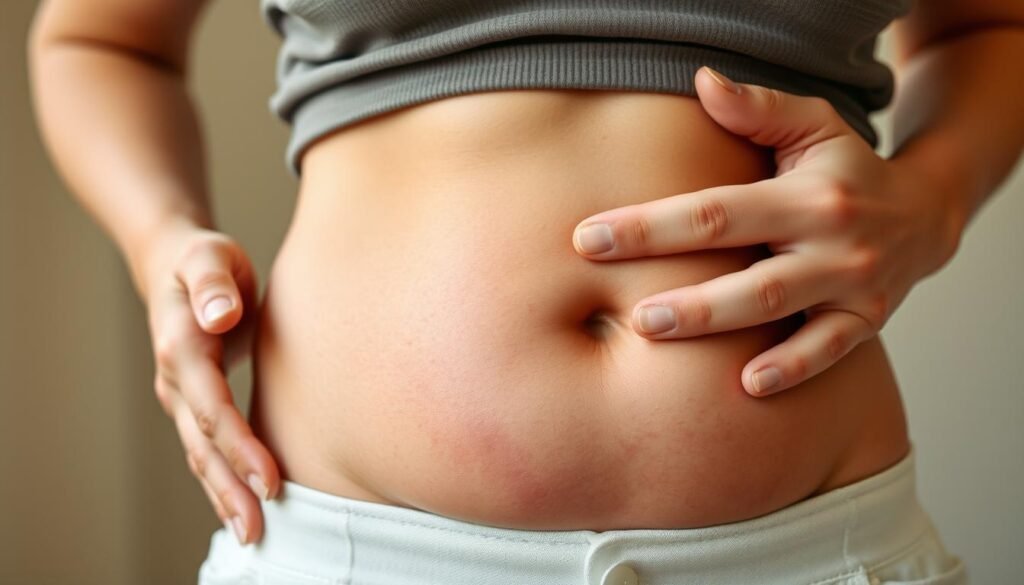
Ever finish a meal and feel like you’ve swallowed a balloon? You’re not alone. 74% of women report similar discomfort, often tied to their menstrual cycle. For others, it’s a sign of IBS—affecting 1 in 4 women.
Johns Hopkins research shows low-FODMAP diets can ease these symptoms. Yet, 3 in 4 people mistake bloating for weight gain. If discomfort lasts over two weeks, consult a doctor—it could signal something serious.
Let’s uncover the root causes and simple fixes to keep your stomach happy.
Introduction: Understanding Bloating After Eating
That uncomfortable tightness in your abdomen post-meal has a name—and solutions. Bloating occurs when gas or digestive content builds up, creating pressure. For many, it’s a fleeting annoyance. For others, it signals chronic issues like IBS.
Did you know 75% of women experience bloating due to hormonal shifts? Estrogen and progesterone slow digestion, making your stomach more sensitive. Recent weight gain can also reduce abdominal space, worsening the feeling.
Bloating symptoms aren’t always harmless. Up to 30% of cases tie to undiagnosed food intolerances. Lactose or gluten might be the culprits. Here’s how temporary and chronic bloating differ:
| Type | Duration | Common Triggers |
|---|---|---|
| Temporary | Hours | Overeating, carbonated drinks |
| Chronic | Weeks+ | IBS, SIBO, food intolerances |
Spotting patterns helps. Track meals and symptoms to identify triggers. Quick fixes like peppermint tea work for occasional discomfort. Persistent issues? A doctor can rule out serious conditions.
What Causes Bloating After Eating?
That swollen, full sensation isn’t just from overeating—it’s deeper. Your body reacts to specific triggers, from gas buildup to food sensitivities. Here’s what’s really happening inside.
Excess Gas Production
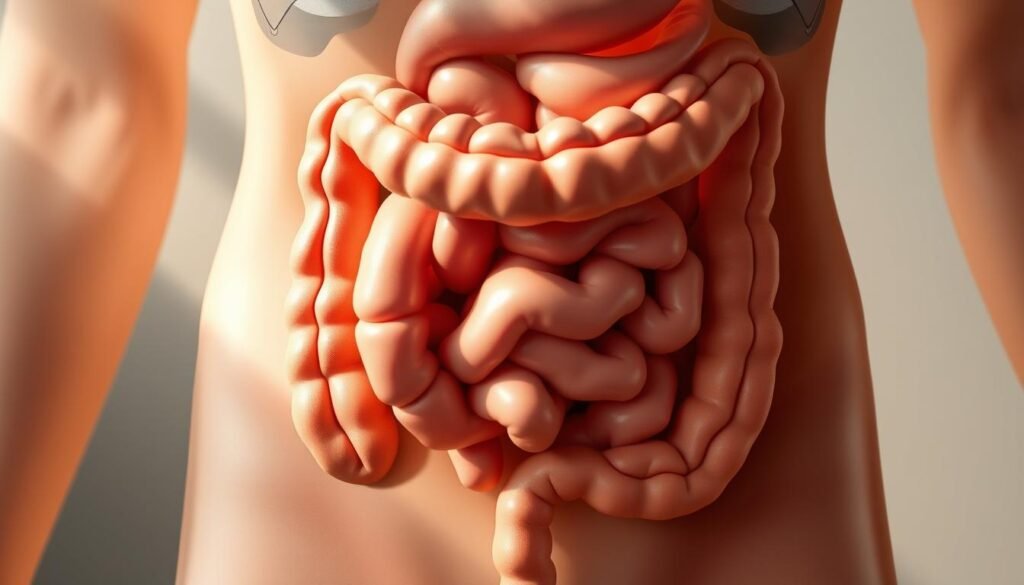
When undigested carbs reach your colon, gut bacteria ferment them. This releases hydrogen and methane—aka gas. Overproduction happens with:
- SIBO (Small Intestinal Bacterial Overgrowth): Bacteria invade the small intestine, fermenting food too early.
- High-fiber foods: Beans and cruciferous veggies feed bacteria.
Digestive Content Build-Up
Slow motility lets waste linger, stretching your digestive tract. Constipation is a key culprit. Hydration and fiber balance help keep things moving.
Hormonal Fluctuations
Estrogen spikes before menstruation cause water retention. They also slow digestion, making your stomach feel heavier.
Food Intolerances
Your body struggles to break down certain sugars. Global stats show:
| Intolerance | Affected Population | Common Symptoms |
|---|---|---|
| Lactose | 68% | Gas, cramps |
| Fructose | 40% | Bloating, diarrhea |
Track meals to spot patterns. Temporary fixes like peppermint tea help, but chronic issues need a doctor’s input.
Common Digestive Disorders Linked to Bloating
Digestive discomfort isn’t always random—it often ties to underlying conditions. If your stomach frequently feels swollen or tight, a medical condition might be the culprit. Here are four common disorders doctors associate with chronic symptoms.
Irritable Bowel Syndrome (IBS)
Irritable bowel syndrome affects 1 in 4 women, with 24% reporting severe bloating. This bowel syndrome disrupts gut motility, causing cramping and gas. Trigger foods (like dairy or gluten) worsen IBS symptoms. Keeping a food diary helps identify patterns.
Small Intestinal Bacterial Overgrowth (SIBO)
SIBO happens when gut bacteria migrate upward, fermenting food too early. Post-surgery or antibiotic use often triggers it. Excess gas and distension are classic signs. A breath test can confirm diagnosis.
Gastroparesis
Gastroparesis slows stomach emptying, leaving food to stagnate. Diabetes or nerve damage often causes it. You might feel full quickly or nauseous after meals. Smaller, frequent meals ease the strain.
Constipation
When waste lingers too long, your colon stretches—40% of chronic cases involve bloating. Pelvic floor dysfunction can worsen motility. Hydration, fiber, and movement keep things flowing smoothly.
How Your Diet Contributes to Bloating
Your plate choices might be the hidden reason behind that puffy feeling. Certain foods create gas or slow digestion, turning meals into discomfort. Identifying these triggers can help you eat smarter.
High-FODMAP Foods
FODMAP foods contain hard-to-digest sugars that ferment in your gut. A Johns Hopkins study found a 60% symptom drop on a low-FODMAP diet. Common offenders include:
- Garlic and onions
- Apples and pears
- Legumes like beans
| High-FODMAP | Low-FODMAP Alternatives |
|---|---|
| Cauliflower | Carrots |
| Milk | Lactose-free yogurt |
Carbonated Beverages and Swallowed Air
Fizzy drinks trap air in your stomach, creating pressure. Sipping slowly reduces air intake. Swap soda for herbal tea or flat water.
Fatty or Processed Foods
Greasy meals slow digestion, leaving food to stagnate. Watch for hidden sugar alcohols in gum or snacks—they’re sneaky culprits. Opt for lean proteins and whole grains instead.
When to Seek Medical Help for Bloating
Persistent discomfort in your abdomen may signal a deeper issue. While occasional swelling is normal, certain symptoms require medical care. Track your body’s signals—ignoring them could worsen the problem.

Warning Signs You Shouldn’t Ignore
Severe pain, fever, or vomiting paired with swelling may indicate serious causes. Johns Hopkins research links these to conditions like ovarian cancer or SIBO. Other red flags include:
- Unintended weight loss (10+ lbs)
- Blood in stool or anemia
- Symptoms lasting over 2 weeks
Underlying Conditions Needing Treatment
Ascites, fluid buildup from liver disease, causes visible abdominal swelling. Pancreatic insufficiency disrupts digestion, requiring enzyme therapy. Here’s how these compare:
| Condition | Key Symptoms | Action Needed |
|---|---|---|
| Ascites | Rapid swelling, shortness of breath | Liver function tests |
| Pancreatic Insufficiency | Oily stools, nutrient deficiencies | Enzyme supplements |
Over time, untreated issues can escalate. If home fixes fail, consult a doctor to rule out severe causes.
How to Fix Bloating: Immediate Relief Tips
Quick fixes exist for that uncomfortable fullness—no prescription needed. Whether you feel bloated from a heavy meal or digestive hiccups, these strategies offer fast relief. Let’s dive into science-backed solutions.

Over-the-Counter Remedies
Simethicone, found in products like Gas-X, breaks up gas bubbles for quicker relief. It’s a go-to treatment for post-meal pressure. For lactose intolerance, lactase supplements (e.g., Lactaid) can prevent symptoms before they start.
Gentle Exercises and Posture Adjustments
Movement stimulates digestion. Try cat-cow yoga poses to massage your intestines—people report relief within minutes. Avoid lying down post-meal; upright posture helps gravity move food along.
Hydration and Herbal Teas
Dehydration is a common cause of sluggish digestion. Warm lemon water jumpstarts motility. Peppermint tea, with its antispasmodic properties, soothes cramping. Sip slowly to avoid swallowing excess air.
Long-Term Strategies to Prevent Bloating
Stopping discomfort before it starts requires smart daily habits. Unlike quick fixes, these methods address root causes for lasting relief. The right diet, gut support, and mindful routines make all the difference.
The Low-FODMAP Diet Approach
This science-backed plan helps identify trigger foods in three phases:
- Elimination: Remove high-FODMAP foods like garlic and apples for 2-6 weeks.
- Reintroduction: Test one food group at a time, tracking symptoms.
- Personalization: Keep only safe foods in your regular diet.
Studies show 60% of people with IBS feel better on this plan. Work with a dietitian to avoid nutrient gaps.
Improving Gut Health with Probiotics
Good bacteria balance prevents digestive issues. Specific strains like Lactobacillus acidophilus ease IBS symptoms. Try these tips:
- Choose supplements with 10-50 billion CFUs
- Look for multi-strain formulas
- Consume fermented foods daily (kefir, sauerkraut)
Research shows 8 weeks of consistent use improves symptoms by 50%.
Mindful Eating Habits
How you eat matters as much as what you eat. Slow down with these techniques:
- Chew each bite 20 times to reduce air swallowing
- Put down utensils between bites
- Eat without screens to recognize fullness cues
Stress reduction helps too. Deep breathing before meals calms your nervous system for better digestion.
Myths About Bloating Debunked
Myths about digestive discomfort can mislead even the healthiest eaters. Let’s separate fact from fiction to help you find real relief.
“Bloating Always Means You’re Gassy”
Gas isn’t the only cause. Research shows functional dyspepsia or visceral hypersensitivity can mimic gas pain. Your nerves may overreact to normal pressure, creating discomfort without excess gas.
Even water timing matters. Chugging large amounts during meals dilutes stomach acid, slowing digestion. Sip slowly instead.
“Only Unhealthy Foods Cause Bloating”
Nutritional powerhouses like cauliflower or beans often trigger symptoms. These healthy foods contain FODMAPs—fermentable sugars that feed gut bacteria.
Studies reveal 30% of cases aren’t diet-related. Hormones, stress, or people IBS play roles. Simple fixes like sitting upright after meals resolve 20% of cases.
Conclusion: Taking Control of Your Digestive Health
Taking charge of your digestive health starts with small, smart steps. First, identify your triggers—whether food, stress, or hormones. Next, implement fixes like a low-FODMAP diet or probiotics. Finally, track progress to see what works.
For ongoing support, sign up for Johns Hopkins’ free digestive health newsletter. Annual check-ups matter too—early detection of issues like ovarian cancer boosts survival rates by 90%.
You’ve got the tools to ease bloating symptoms and keep your stomach happy. Trust your gut—it knows best!
FAQ
Why do I feel so uncomfortable after meals?
Discomfort can stem from excess gas, slow digestion, or food intolerances. Eating too quickly or consuming trigger foods like beans or dairy may worsen it.
Can certain medical conditions cause persistent bloating?
Yes. Conditions like IBS, SIBO, or gastroparesis often lead to chronic symptoms. If you suspect an underlying issue, consult a healthcare provider.
Are carbonated drinks really that bad for bloating?
They introduce extra air into your digestive tract, which can expand your stomach. Opt for still water or herbal teas instead.
How does the low-FODMAP diet help?
It reduces hard-to-digest carbs that feed gut bacteria, easing pressure and discomfort. Many with irritable bowel syndrome find relief this way.
When should I worry about my symptoms?
Seek medical care if you notice weight loss, fever, or severe pain. These could signal serious conditions like pancreatic insufficiency.
Do probiotics actually work for bloating?
They can! Probiotics balance gut bacteria, which may reduce gas and improve digestion over time. Try strains like Bifidobacterium for best results.
Is bloating always related to what I eat?
Not necessarily. Hormonal shifts, stress, or even posture can contribute. Keep a food diary to identify patterns.
What’s a quick fix for sudden bloating?
Peppermint tea, a short walk, or OTC simethicone can offer fast relief. Avoid lying down right after eating.


