

Have you ever wondered why your digestion and mood shift as hormones change in your late 30s?
You’re not imagining it. Hormonal milestones and daily stress nudge your gut and vaginal microbiome, and key microbes like Bifidobacteria and Lactobacillus can decline during menopause.
Choosing the right probiotic matters because targeted strains and delivery technology can support bowel comfort, vaginal pH, and immune steadiness.
In this guide you’ll learn what a probiotic is, which strains match your needs, and how clinical research and proper CFU dosing help deliver real benefits.
Expect clear tips on timing, early signs to watch in 10–14 days, and when to check with a clinician — all written in plain language to help you make smarter, practical choices.
Shopping Smart: Your Buyer’s Guide to Probiotics for Women
Look past marketing labels and focus on which strains match your needs. Start by matching your health goals to specific strains rather than relying on a generic product name.
Check the label for full strain names (for example, L. rhamnosus GR-1) and the CFU count per dose. Aim for about 10–20 billion CFUs for daily maintenance unless your clinician suggests otherwise.
Choose multi-strain formulas when you want broader support, and prefer products with clinical research on the strain or finished product. Third‑party verification, like USP or independent potency reports, shows a brand takes quality seriously.
- Pick acid-resistant or time-release capsules so more organisms reach the gut.
- Consider synbiotics if you want prebiotic fuel included.
- Compare cost per serving and check storage needs — some items must be refrigerated.
If you’re unsure which product fits your routine, work with a clinician to fine-tune strain choices and dosing. For practical diet and supplement planning, see this nutrition blueprint to align choices with your overall health goals.
Why Probiotics Matter More After 35
Hormonal shifts after your mid-30s quietly change the tiny ecosystems that live in and on you. Puberty, pregnancy, and menopause all reshape microbial diversity. That affects digestion, vaginal comfort, and overall health as you move through life.
How hormonal shifts affect your gut and vaginal microbiome
Estrogen and progesterone influence gut motility and sensitivity. That is one reason your digestion may feel different than in your 20s. During perimenopause and menopause, species like Lactobacillus and Bifidobacteria often decline.
Estrobolome basics and estrogen balance
The estrobolome is the group of microbes that helps recycle estrogen byproducts. A well‑working estrobolome supports steadier hormone signaling and microbial balance throughout life.
- Shifting hormones can change the gut microbiome
- When diversity drops, you may notice more bloating, irregularity, or vaginal sensitivity.
- Targeted probiotics can reinforce communities and ease transitions tied to hormones.
“Maintaining microbial diversity is a practical step to support daily comfort and long-term health.”
Core Benefits of Probiotics for Women’s Health
Small shifts in your microbiome often lead to big, practical changes in how you feel each day. This section breaks down the main ways targeted supplements and foods can support your body.
Vaginal balance and pH
Lactobacilli help keep a slightly acidic pH that limits overgrowth and reduces the risk of infections. They also make bacteriocins, natural compounds that discourage harmful microbes.
Gut support and IBS relief
Multi‑strain formulas can aid motility and regularity, which you may notice when hormones change. Clinical reviews in Gastroenterology show certain strains reduce IBS symptoms like bloating and pain.
Everyday immune resilience
Your gut and immune system talk constantly. Stronger barrier integrity and balanced microbes help your body respond to common challenges and support overall immune health.
Mood, stress, and the gut‑brain axis
Some strains influence neurotransmitters such as serotonin and GABA. That can translate into calmer stress responses and steadier mood when used alongside sleep and lifestyle habits.
Skin and metabolic wellness
By calming gut inflammation and improving nutrient absorption, probiotics can help skin clarity and hydration over time. Certain microbes also make short‑chain fatty acids that affect appetite and blood sugar signals.
“Think of microbial support as one layer of a practical wellness plan—paired with fiber, sleep, and movement, results add up.”
- Consistent use often shows gentler digestion within a few weeks.
- Pair supplements with fiber‑rich foods to amplify results.
- Match strains to your goals and check product testing when possible.
Common Signs You May Benefit from a Probiotic
Small, repeating signs in your digestion or vaginal comfort can point to an underlying microbial imbalance. These patterns often show up slowly. Spotting them early helps you decide if a targeted approach may help.
Why it happens: IBS is about twice as common in women, and hormonal swings can slow motility. That can cause bloating, constipation, or sudden changes in stool.
Bloating, irregularity, and abdominal discomfort
Frequent bloating, gas, or inconsistent stools suggest your gut could use extra microbial support to restore smoother digestion.
If discomfort peaks around your cycle, hormones may be slowing transit. A daily probiotic may help even things out by supporting motility and balance.
Recurrent yeast infections or bacterial vaginosis
Repeated vaginal infections or vaginitis-related symptoms can signal a disrupted vaginal microbiome. Lactobacillus-dominant support often helps restore acid balance and discourage overgrowth.
- After antibiotics, digestive sensitivity often rises; replenishing beneficial microbes can speed recovery.
- Skin flares, fatigue after meals, or brain fog can tie back to a stressed gut environment.
- If you fall ill more often, shoring up gut defenses supports daily immune readiness.
- Perimenopausal shifts and lifestyle stress can make these signs more noticeable.
- If symptoms include fever, heavy bleeding, or severe pain, consult a clinician promptly.
“Pay attention to patterns—symptoms that persist for weeks may be your cue to try a targeted formula.”
How to Choose the Best Probiotic Women Can Trust
Start by naming one or two health goals so you can narrow which strains will help most. That clarity makes shopping easier and avoids wasted spend.
Match specific strains to your health needs
Define your priority—vaginal comfort, regularity, or stronger immune response. Then look for named probiotic strains tied to those outcomes.
Read labels. A quality product lists full strain names, serving size, and CFU at the end of shelf life. That detail matters when you compare products.
Clinical validation and third-party testing
Seek human clinical trials that test the strain or finished product. Research that shows real-world benefit gives you confidence.
Third‑party verification (USP, independent COAs) proves potency and purity. If a brand posts lab reports, that is a strong signal of transparency.
Quality, purity, and brand transparency
Prefer acid‑resistant or time‑release capsules so organisms survive stomach acid. Check storage guidance—some formulas need refrigeration to keep potency.
- Scan for allergens, fillers, and added sweeteners.
- For synbiotics, confirm the prebiotic type and dose to limit excess gas.
- If you take medications or have complex conditions, consult your clinician before starting.
“Reassess after one to three months and adjust strains or dose based on how your body responds.”
CFUs vs AFUs: Dosing That Actually Delivers
Understanding how manufacturers count live cells helps you pick a dose that fits your needs.

CFUs measure colony‑forming units that grow on culture plates. AFUs use fluorescence to count all live cells, even those that don’t form colonies on standard media.
For daily support, many adults do well with about 10–20 billion CFUs. That range matches common clinical guidance and practical research on steady maintenance.
If you have tougher gut symptoms like IBS, clinicians sometimes advise higher‑potency products — occasionally 50–100 billion — for a limited period.
- CFUs show live, colony‑forming microbes; AFUs capture total live cells.
- Check that CFUs are guaranteed through expiration, not just at manufacture.
- Daily consistency beats sporadic megadoses; steady intake steadies the microbial system.
- Pair dosing with fiber and water to reduce early gas and help strains settle.
“Start with a clear goal, track at 2, 4, and 8 weeks, and adjust dose or strains with clinical guidance.”
Delivery Forms, Capsule Tech, and Synbiotics
How a product gets to your gut matters as much as which strains it contains. Delivery tech and formulation shape survivability and day‑to‑day results.
Acid‑resistant and time‑released capsules protect living organisms from stomach acid so they arrive in the intestines intact. Time‑delayed shells can release across the small or large bowel, improving colonization chances.
Probiotics, prebiotics, and synbiotics explained
Synbiotics combine a probiotic with a prebiotic fuel. The prebiotic helps beneficial species grow once they reach your gut.
- Some powders and gummies are handy, but confirm they deliver effective doses and preserve viability.
- Prebiotics (inulin, FOS, GOS) vary in fermentability; start low to limit gas and increase slowly while drinking water.
- Better delivery can mean a smaller dose performs like a larger one by improving survival.
- If you dislike pills, look for sprinkle or powder formats that retain stability and ease swallowing.
“Balance convenience with efficacy—daily use matters more than occasional mega‑doses.”
Top Probiotic Strains for Women’s Needs
Targeted microbes act like tiny allies—some guard vaginal pH while others calm digestion and support immunity.

Vaginal health and infection prevention
Lactobacillus rhamnosus GR‑1 and L. fermentum RC‑14 have clinical support to reinforce friendly flora and reduce pathogenic bacteria and yeast.
L. crispatus and L. acidophilus help keep a slightly acidic environment that supports daily vaginal health.
Gut and immune support
B. lactis HN019 is linked to faster transit and less abdominal distention.
Lactobacillus plantarum and Clostridium butyricum aid barrier function; the latter produces butyrate to feed intestinal cells and calm inflammation.
Metabolic and barrier support
Akkermansia muciniphila supports mucin turnover and a resilient gut barrier, which helps shape a healthier microbiome and neighborhood of bacteria.
“Selecting specific strains tied to your main concern raises the chance you’ll see real improvement.”
- Pick label details that list exact strain designations, not just species.
- Combine gut‑supportive strains to back immune balance alongside lifestyle steps.
- Oral strains that help the vaginal microbiome can complement clinician‑led care for recurrent discomfort.
best probiotics for women 35: What to Look For Right Now
Focus on clear outcomes—vaginal comfort, regular digestion, or metabolic balance point to different strain choices. Pick a product that names strains and ties them to the health you want to support.
Targeted strains for your current health goals
- Vaginal comfort: Look for GR‑1 and RC‑14 plus supportive Lactobacillus species to keep pH balanced.
- Digestive regularity: Choose B. lactis HN019 and L. plantarum to aid motility, comfort, and barrier integrity.
- Metabolic support: Consider formulas with Akkermansia or butyrate‑producers to back signaling and gut barrier health.
- Dosing: Aim for clear CFU counts per serving, often ~10–20 billion for daily maintenance, with potency guaranteed through expiration.
Clean labels, tested products, and transparent brands
Choose products with minimal additives, full strain IDs, and third‑party testing or published research summaries. That level of transparency signals quality and supports real results.
- Confirm allergen info and delivery tech that protects viability.
- Look for shared clinician recommendations like Seed DS‑01, Thorne FloraMend, Metagenics UltraFlora Spectrum, or targeted Pendulum formulas.
- Reassess your needs every 8–12 weeks and keep notes on digestion, energy, and comfort to fine‑tune strains and dose.
“Clear labels and verified potency make it easier to match a product to your real needs.”
Life Stages: From Family Planning to Menopause
Life stages bring changing needs, and your microbial allies shift as your priorities evolve. Knowing how supplements and foods fit each phase helps you make safer, smarter choices.
Pregnancy and breastfeeding: Probiotics are generally safe during pregnancy and breastfeeding, but always check with your OB‑GYN before starting any supplement. Some research shows selected strains may support maternal and infant microbiome balance and influence breast milk microbes that shape an infant’s gut.
If you had gestational glucose swings, targeted support alongside diet and movement may aid metabolic balance after delivery. Discuss strain choices and timing with your clinician to match your goals.

Perimenopause and menopause: symptom support and microbial diversity
During perimenopause, hormone fluctuation can heighten digestive and vaginal symptoms. In postmenopause, microbial diversity often declines.
Supporting Lactobacillus and Bifidobacterium may help restore vaginal pH, ease digestion, and support immune function as your body changes. Keep strain goals specific—vaginal comfort, gut regularity, or mood support—and adjust over time.
- Check with your clinician at key milestones like conception planning or symptom onset.
- Pair supplements with fiber, sleep, and movement to amplify benefits.
- Be consistent for several weeks to notice subtler gains such as steadier energy or fewer flares.
“Maintaining a resilient microbiome throughout life supports daily vitality and long‑term health.”
When to Take a Probiotic and How Long It Takes to Work
A simple routine—same time every day—helps microbes settle and keeps results consistent. Make a habit that fits your schedule so you don’t skip doses. Consistency matters more than exact timing.
Timing your dose and storage tips
Take your probiotic at the same time daily—many people prefer morning or with a meal to reduce early discomfort and build a habit.
Follow label storage. Some products are shelf‑stable; others require refrigeration to keep potency. Proper storage helps the organisms survive and reach your gut.
What to expect in the first 10-14 days and beyond
Colonization typically takes about 10–14 days. Early shifts may show as mild gas or bloating while your system adjusts.
- Expect mild gas at first; this usually eases as balance returns.
- Track regularity, bloating, and energy to spot gradual health changes.
- If symptoms persist past two weeks, lower the dose or try different strains and reassess.
- When taking antibiotics, separate doses by a few hours and continue probiotics afterward.
- Reevaluate your routine every 8–12 weeks to decide whether to maintain or adjust products.
“Be consistent, follow storage instructions, and give strains time—noticeable benefits often arrive over weeks to months.”
Who Should Skip Probiotics or Talk to a Clinician First
Not everyone should start a supplement on their own—some health situations need a guided plan. Probiotics are safe for many, but certain conditions need extra care.
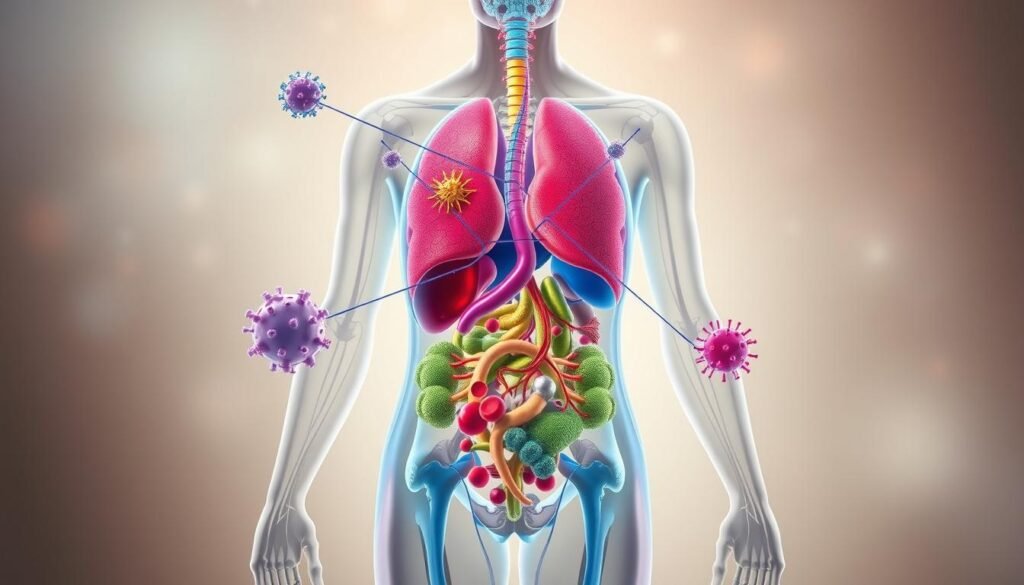
Immunocompromised conditions and serious illness: If your immune system is weak, or you have a serious illness, check with your clinician before starting live microbes. Recent surgeries, central venous catheters, or severe GI disease are red flags.
Medication considerations and medical guidance
Review current medicines with your provider. Interactions are rare, but individualized advice matters. Pregnant or breastfeeding people should confirm safety with their OB‑GYN.
- Talk to a clinician if you’re immunocompromised or managing serious illness.
- Choose products with third‑party testing to reduce contamination risks.
- Stop use and seek care for fever, severe pain, or unusual symptoms.
- Children need pediatric dosing and strain guidance, not adult formulations.
- If you have SIBO or high sensitivity, start low and use clinical supervision.
“Keep records of what you take and how you respond to help your clinician fine‑tune your plan.”
Rely on research‑backed strains and clear labels when you can. That helps you make safer choices about your health and the products you trust.
Probiotic Foods vs Supplements: Building a Microbiome-Friendly Diet
Start by adding simple fermented foods to your day to gently boost microbial variety. Food and supplements each play a distinct role in supporting your gut health and overall health.
Fermented foods you can add today
Add fermented staples like yogurt, kefir, sauerkraut, kimchi, tempeh, and miso to boost everyday microbial diversity.
These items deliver live bacteria and peptides that support microbial balance while adding protein, minerals, and flavor.
Prebiotic fibers and polyphenols to fuel your gut
Feed your microbiome with prebiotic fibers from onions, leeks, asparagus, oats, and legumes so beneficial species can flourish.
Polyphenol-rich foods — berries, apples, green tea, beans, and nuts — add antioxidant support and create a friendly environment for microbes.
- Supplements provide specific strains and more consistent doses than foods alone.
- Some helpful species, such as Akkermansia or C. butyricum, aren’t available in common foods, so targeted products can fill gaps.
- If you’re pregnant or have dietary restrictions, pick fermented choices that suit your plan and check with your clinician.
- Combine food diversity plus a well‑chosen supplement to build stronger, more resilient gut health.
“Start small with fermented foods if you’re sensitive, and keep meals colorful and fiber‑rich to fuel a diverse microbiome long term.”
Where to Buy and What You’ll Pay
Knowing typical price ranges and common retail offers helps you shop smarter.
Where to look: You can find products at pharmacies like Walgreens, natural‑food stores, and many online retailers. Retailers run rotating promos such as BOGO or 50% off that cut costs.
Expect everyday prices from about $13 to $32 for 20–100 count bottles. Formats include capsules, tablets, and gummies, and dosing varies by species and CFU.
- Walgreens Women’s Probiotic Capsules (30 ct) — $19.99.
- Garden of Life Women’s Daily Care (30 ct) — $31.99.
- Nature’s Bounty Ultra Strength Probiotic 10 (30 ct) — $31.99.
- Florastor Daily Probiotic (20 ct) — around $20.99 on sale.
Shop tips: Compare cost per serving and per billion CFUs to judge value. Check storage needs—refrigerated items affect shipping. Review return policies and batch numbers, and favor third‑party tested options backed by research.
“Look for clear labels and promos that match your budget, then try a single product long enough to assess tolerance and benefit.”
Conclusion
A focused routine can turn microbial shifts into manageable changes instead of ongoing discomfort.
Match strains to goals—for example, Lactobacillus rhamnosus for vaginal health and Lactobacillus plantarum to support digestion. Start with about 10–20 billion CFUs, use a daily probiotic, and give it 10–14 days to begin settling in.
Pair supplements with a balanced diet, plenty of fiber, and quality brands that show clinical research and third‑party testing. That approach may help your gut microbiome, boost immune system resilience, and ease transitions like perimenopause or pregnancy when you consult a clinician.
Stay observant and adjust. Different species work together, so small changes now may lead to steadier comfort and lasting benefits.
FAQ
How do hormonal changes after 35 affect your gut and vaginal microbiome?
Hormonal shifts—especially changes in estrogen—alter mucus, vaginal pH, and gut motility. That can reduce protective Lactobacillus levels in the vagina and change gut bacterial balance, which may increase risk of infections, bloating, or irregularity. Targeting specific strains and supporting estrogen balance through diet and the estrobolome can help maintain microbial resilience.
What is the estrobolome and why does it matter for estrogen balance?
The estrobolome refers to gut bacteria that metabolize estrogens. A healthy estrobolome helps regulate circulating estrogen by producing enzymes that modulate reabsorption. When diversity drops, estrogen metabolism can shift, which may affect menstrual symptoms, skin, and vaginal health. Supporting gut diversity with probiotic strains and prebiotic fibers helps keep this system functioning.
Which strains support vaginal health and pH balance?
Strains with evidence for vaginal support include Lactobacillus rhamnosus GR-1, Lactobacillus fermentum RC-14, Lactobacillus crispatus, and Lactobacillus acidophilus. These species help maintain a low vaginal pH, crowd out pathogens, and reduce risk of bacterial vaginosis and recurrent yeast infections when used alongside proper hygiene and clinical care.
What strains help gut function, digestion, and IBS symptoms?
For gut relief and motility, look for Bifidobacterium lactis HN019, Lactobacillus plantarum, and Clostridium butyricum. These strains can support bowel regularity, reduce bloating, and help intestinal barrier function. Choose clinically studied formulations and follow dosing guidance for best results.
Can specific strains boost immune resilience?
Yes. B. lactis HN019 and certain Lactobacillus strains have data showing modulation of immune markers and reduced respiratory or GI infection risk. Supporting the gut barrier and balanced microbial signaling helps your immune system respond more effectively.
Are there probiotic strains that support mood and the gut-brain axis?
Some Lactobacillus and Bifidobacterium strains influence neurotransmitter production, inflammation, and vagal signaling. While effects vary by strain, regular use may help mood and stress resilience as part of a broader lifestyle plan that includes sleep, exercise, and therapy when needed.
Which microbes help skin and metabolic wellness?
Akkermansia muciniphila shows promise for metabolic and barrier support, while certain Lactobacillus and Bifidobacterium strains reduce systemic inflammation linked to skin conditions. Diet, weight management, and sleep also play key roles alongside targeted supplementation.
What signs suggest you may benefit from a supplement?
Recurrent yeast infections or bacterial vaginosis, persistent bloating, irregular bowel movements, and frequent antibiotic courses are common triggers to consider targeted support. If you experience these, talk with your clinician about strain-specific options tailored to your history.
How do you match strains to your specific health needs?
First, identify your primary goal—vaginal balance, digestive symptom relief, immune support, or metabolic health. Then choose products that list clinically studied strains and doses aligned with that goal. Look for transparent labels that name strains (e.g., L. rhamnosus GR-1) rather than generic species names only.
Why is clinical validation and third-party testing important?
Clinical trials show a strain actually delivers benefits for humans. Third-party testing verifies potency, purity, and absence of contaminants. These checks reduce the risk of ineffective or adulterated supplements and ensure you get what the label promises.
What does CFU mean and how much should you take daily?
Colony-forming units (CFUs) estimate viable microbes in a dose. For daily maintenance many products use 10–20 billion CFUs; some conditions may benefit from higher-potency formulas. Always follow product guidance and your clinician’s advice, since needs vary by health status and strain.
When might higher-potency formulas make sense?
Higher CFU counts are often considered after antibiotic use, during recurrent infections, or for targeted therapeutic goals under clinician supervision. More isn’t always better; effectiveness depends on strain, formulation, and how your body responds.
How do delivery forms and capsule tech affect survival to the gut?
Acid-resistant enteric capsules, delayed-release technology, and time-release matrices help microbes survive stomach acid and reach the intestines. Choosing formulations with proven delivery tech increases the chance strains colonize and provide benefit.
What are synbiotics and should you use them?
Synbiotics pair probiotics with prebiotics—fibers that feed beneficial microbes. They can enhance colonization and activity of the chosen strains. If you tolerate prebiotics well, synbiotics are a sensible way to support long-term microbiome health.
Are fermented foods enough, or do you need supplements?
Fermented foods like yogurt, kefir, kimchi, and tempeh supply live microbes and nutrients that support diversity. They’re excellent additions, but supplements provide specific, clinically studied strains and controlled doses when you need targeted outcomes.
Are probiotic products safe during pregnancy and breastfeeding?
Many strains—especially certain Lactobacillus and Bifidobacterium—have safety data in pregnancy, but you should consult your OB-GYN before starting any supplement. Your clinician can recommend strains and doses that align with your prenatal care.
Who should avoid supplements or seek medical advice first?
People who are immunocompromised, have central venous catheters, or suffer from severe illness should consult a clinician before using live microbial products. Also review potential interactions with medications, particularly immunosuppressants or antifungals.
How soon will you notice benefits and how should you take them?
Some people notice changes in digestion or vaginal symptoms within 10–14 days, while others need 4–12 weeks for clearer results. Take supplements consistently, follow storage instructions (refrigeration if required), and try morning or with a meal per label directions to improve survival.
What should you look for on a product label?
Check that the label lists specific strains (not just species), CFU count at time of expiry, storage instructions, clinical references if available, and third-party certifications. Clean ingredient lists, transparent brands, and clear usage guidance matter more than marketing claims.
How much do quality products typically cost and where can you buy them?
Prices vary by strain, CFU, and formulation. Expect to pay more for clinically validated, third-party-tested brands sold through reputable retailers, pharmacies, or direct from manufacturers like Culturelle, Garden of Life, or Klaire Labs. Compare labels rather than price alone.


