
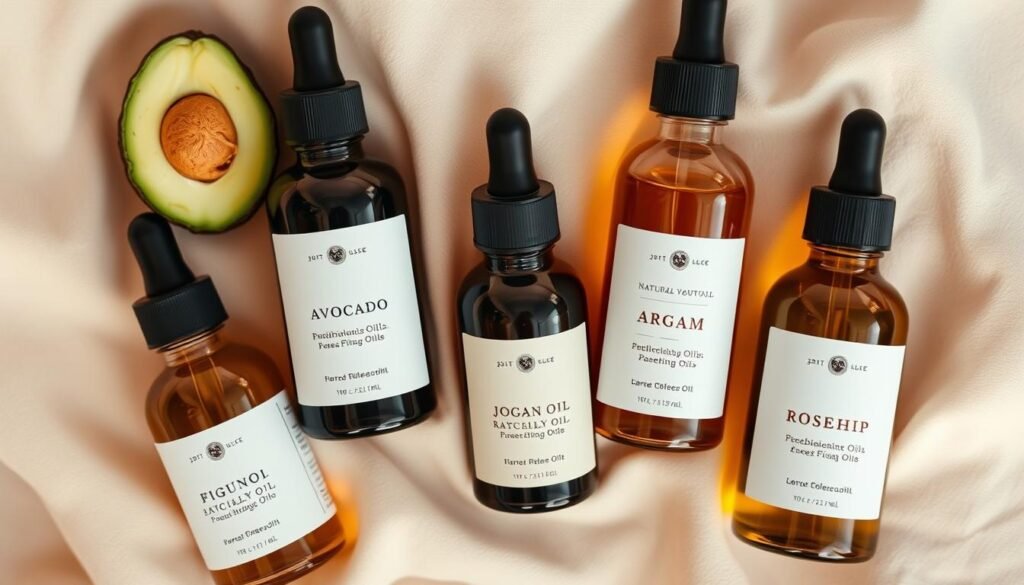
Can a single drop change how your face looks and feels after 35? That question matters if you want visible lift, even tone, and moisture without heavy creams. This guide gives you a clear roadmap to which face oil to reach for and why.
Face oils can restore luminosity to dehydrated, dull complexions and suit many skin types. You’ll see how tea tree oil helps with blemishes, jojoba balances sebum, and squalane delivers lightweight hydration and support for firmness.
We also cover rosehip for tone and texture, marula for lines and dry areas, and when coconut or coconut oil is best avoided. Expect practical tips on application—use a face mist first, then massage upward for drainage—and how to rotate oils with ceramides and hyaluronic acid.
By the end, you’ll know which product and key ingredients—like vitamin C derivatives and plant-derived squalane—match your needs, whether you have sensitive skin or want an everyday hydrator.
Why face oils matter more for your glow after 35
As production of natural oils and collagen dips after 35, using the right face oil helps restore a fresh look.
Mature skin often needs help to hold moisture and smooth fine lines. Lightweight, non-comedogenic oil like squalane can rebalance sebum without clogging pores and support a firmer appearance. Antioxidant-rich choices such as rosehip seed oil promote cell turnover and can fade hyperpigmentation.
Heavier, oleic-acid-rich options like marula and camellia nourish very dry areas and restore suppleness overnight. The right product fits your skin types and daily routine: lighter textures by day, richer cushions at night.
“Selective occlusion locks in hydration without congesting pores.”
- Boosts suppleness and radiance as natural oil production slows.
- Softens fine lines while protecting the barrier from daily stressors.
- Pairs with serums to reduce transepidermal water loss for plumper skin.
We’ll also unpack simple properties—linoleic vs. oleic—so you can match textures to how your skin feels today and know when to rotate ceramides and hyaluronic acid.
How to use face oils for a brighter, firmer look
A face mist sets the stage: it helps serums and oils distribute evenly for a brighter, firmer look. Apply your mist first so active ingredients sink into damp skin and lock moisture under the next layers.
Application order and simple routine
Order matters: mist, serum, a few drops of oil, then moisturizer. Warm the product between your palms and press gently into damp skin for an even, dewy finish.
Massage techniques to lift and drain
Use upward and outward strokes with light pressure along the jawline and cheekbones. This encourages lymphatic drainage and helps sculpt facial contours.
- Keep touches gentle near the eyes; glide leftover oil along the orbital bone, not the lid.
- If you wear makeup, press one to two drops into high points after foundation for soft luminosity that doesn’t disturb coverage.
- Choose squalane in the morning and at night; it layers well with vitamin E to shield against environmental stressors.
- Use jojoba on a cotton pad to melt makeup before cleansing, then continue with your usual routine.
- Don’t forget the neck and chest, and apply a tiny amount over hair ends and cuticles to tame dryness and add sheen.
“Start light — a couple of drops can do more than you expect.”
best oils for glowing skin: your quick-start guide by skin type
Choosing the right oil depends on whether your complexion needs cushion, balance, or calm.
Dry and mature skin: moisture, barrier support, elasticity
If your dry skin or mature skin needs cushion, pick richer, oleic-acid-rich choices like marula, camellia, or argan. They seal moisture and soften lines.
Coconut is deeply nourishing but comedogenic; use it only on very dry, non-acneic patches.
Oily and acne-prone skin: lightweight, rebalancing options
Squalane and jojoba are your go-to option here. Both feel light, do not clog pores, and help balance shine on acne-prone skin.
Sensitive skin: gentle, non-irritating picks
Choose calming, fast-absorbing oils like rosehip seed, camellia, or argan to reduce the risk of flare-ups.
- Day finish: squalane or a thin argan layer sits well under makeup.
- Night: layer marula on dry patches to support elasticity.
- Tip: patch test new products on the jawline for 24 hours.
“Treat each zone to what it needs — light on the T-zone, rich on cheeks.”
Pair any face oil with a simple skincare routine: gentle cleanse, hydrating serum, then a few drops of oil to lock results.
Tea tree oil: targeted treatment for blemish-prone skin
Tea tree brings targeted relief when breakouts flare, not as a full-face ritual. Use it with care and clear steps to avoid irritation and clogged pores.
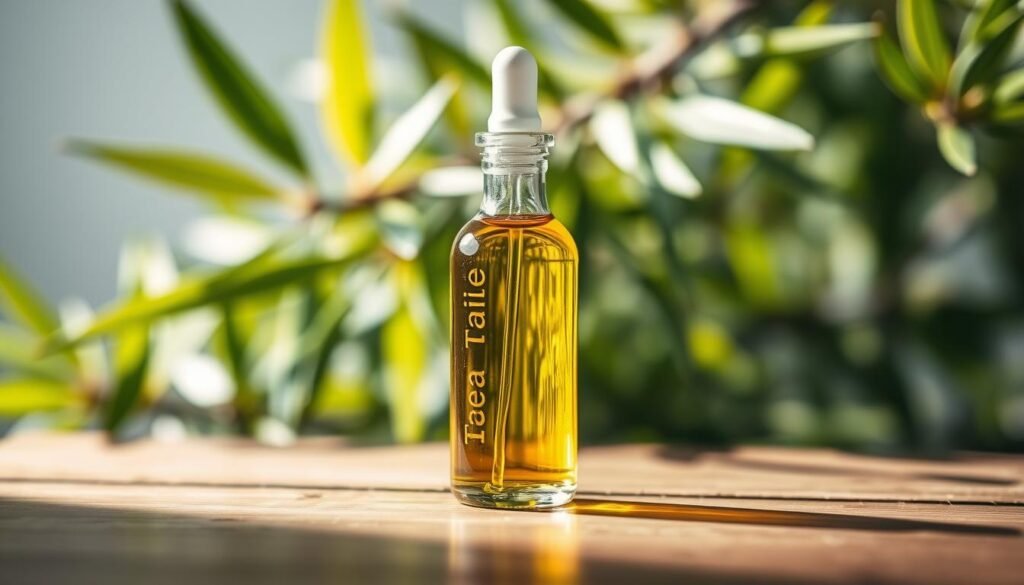
Main skin types: oily, acne-prone, combination. Tea tree’s antibacterial and antiseptic properties fight acne-causing bacteria and reduce visible redness. One study showed topical tea tree formats cut facial acne around half in treated groups.
Main uses and safe application
Use tea tree as a local treatment, not an all-over layer. Mix a couple of drops into a carrier such as jojoba or coconut oil before applying.
- Spot treat: dilute and apply only to active blemishes to reduce inflammation and the look of redness.
- Patch test: try on the jawline for 24 hours to check for irritation before wider use.
- Start slow: limit to once daily at first and monitor how your skin responds.
When to avoid
Avoid undiluted application to broken skin or near the eyes. Skip tea tree on comedone-prone areas if you layer many occlusive steps that may trap debris in pores.
“If you have eczema or psoriasis, consult your dermatologist first; tea tree may soothe itch but can irritate when misused.”
Quick tips: consider a tea tree-enriched cleanser or mask as a milder introduction. Rotate treatments with gentle hydrators on off-days to protect your barrier and stop use if persistent irritation or increased sensitivity appears.
Jojoba oil: balances oil production without clogging pores
When you want balance, jojoba delivers a satin finish that feels natural on your face.
Why it mimics your skin’s natural sebum: Jojoba comes from the jojoba seed and chemically resembles human sebum. That closeness helps it absorb fast and signal your skin to steady oil production. It’s lightweight and non-comedogenic, so it rarely blocks pores.
Ways to use it: standalone, mixed into moisturizer, makeup removal
Apply a few drops after serums and massage in small, circular motions so the oil sinks in. You can also mix it into your moisturizer to lock hydration without heaviness.
For makeup removal, sweep a drop across your face to dissolve sunscreen and long-wear pigments, then follow with a gentle cleanser.
- Balance: choose jojoba when you want a natural, comfortable layer.
- Spot control: dab one to two drops on oily zones and skip thicker creams there.
- Multi-tasker: use it on brows or beard hair to soften without greasiness.
“Most skin types tolerate jojoba well, but patch test if you’re reactive.”
Squalane: featherlight hydration and a smoother, youthful finish
Squalane gives featherlight moisture that helps your complexion look smoother without a heavy finish.
Plant-derived, non-comedogenic moisture lock: Squalane is a lightweight, plant-derived oil that won’t clog pores. It helps rebalance oily skin by calming overproduction of sebum and supports a firmer, more youthful appearance by aiding collagen support.
Day and night routine tips
Use squalane morning and night, either pure or blended into your moisturizer. In the day, it sits well under sunscreen and makeup for a smooth, non-greasy finish.
At night, apply after humectant serums to seal in hydration and wake up with a plumper complexion. Pair with vitamin E for antioxidant defense against environmental stress.
- Reach for squalane when you want hydration without weight—it locks in water while keeping skin breathable.
- Blend a drop into foundation to improve slip and avoid patchiness.
- Use one to three drops by season; it layers well with retinoids and acids when applied after actives.
“If you’re new to face oil, squalane is an easy, travel-friendly entry that works across many routines.”
Rosehip seed oil: antioxidant powerhouse for tone and texture
Rosehip seed oil brings targeted antioxidant support to uneven tone and texture.
What it does: This dry, fast-absorbing oil encourages cell turnover and supports collagen. It helps fade hyperpigmentation and refines texture so your complexion looks more even.
It’s gentle enough for sensitive skin and works well on mature skin that needs lightweight nourishment. Use one to three drops morning and/or night, or blend into a moisturizer to customize coverage.
How to use and why it helps
Apply over hydrating serums to lock in moisture and boost cushion. Mix with squalane at night for a silkier massage that lifts radiance without greasiness.
- Reach for rosehip seed oil to brighten dull areas and visibly refine texture.
- Its antioxidant profile supports your skin against daily stress while encouraging cell turnover.
- With consistent use, it can fade spots and balance tone for a more even appearance.
- Friendly to sensitive and mature skin—light nourishment with a quick dry-down.
“Store in a cool, dark spot; seed oils stay fresher when protected from heat and light.”
Marula oil: rich in oleic acid to soften lines and dryness
If your face feels tight or parched, marula is a cushiony pick that still absorbs fast. This oil comes from a South African seed and is high in oleic acid, which helps restore moisture to dry areas and smooth the look of fine lines.
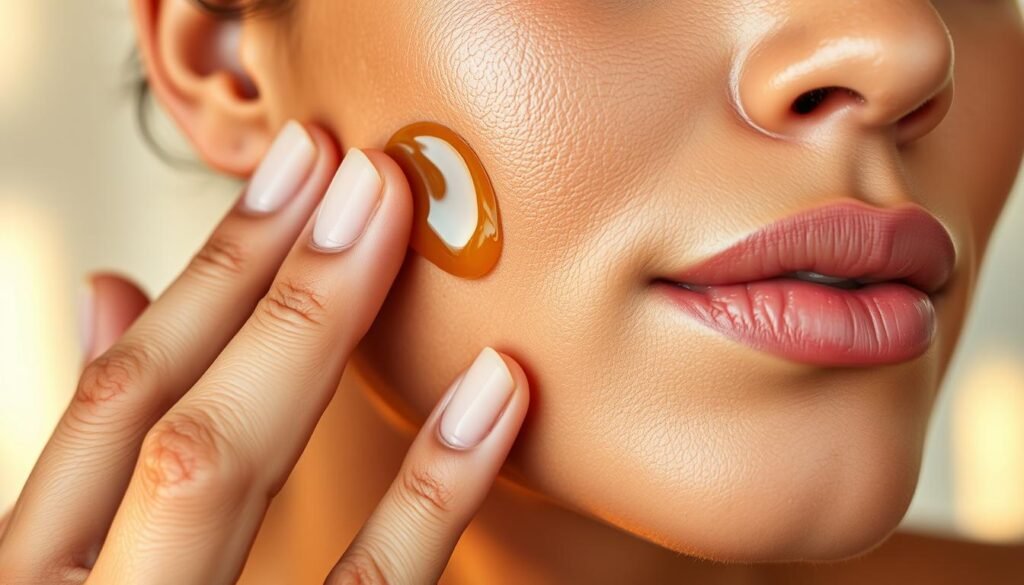
Fast-absorbing texture that works well under makeup
Use two to three drops after your serum in the morning. It sinks in quickly, so it wears smoothly under sunscreen and foundation without separating your base.
Bonus uses: post-peel calm and lip hydration
Marula can soothe and recondition treated skin after a professional peel, but check with your provider first.
It also doubles as a rich lip hydrator—apply a thin layer overnight to wake up with softer lips.
- Choose marula when your skin needs cushion; its oleic content helps reduce the look of lines.
- Rotate with lighter oils at night if you have combination areas—target cheeks and temples.
- Keep it off the T-zone if you’re prone to congestion and cap the bottle tightly to protect the seed-derived oil.
“A little goes a long way—two drops can keep dryness at bay while staying light enough for day use.”
Coconut oil: intensive hydration for very dry skin only
Reserve coconut oil for targeted rescue on very dry patches, not as a daily facial layer.
Coconut oil can calm severe dehydration, and some people find it soothing during dermatitis or eczema flare-ups. In solid form, warm a pea-sized amount between your fingers until it melts, then press gently into flaky areas.
Because it is highly comedogenic, avoid wide use if you are acne-prone. Keep application focused on cheeks, jawline, or very dry spots and stop if you see new bumps or any irritation.
- Use coconut oil only when your complexion is truly parched; it’s deeply nourishing but can clog pores.
- Warm and press a small amount into rough patches to smooth texture quickly.
- Try it as a carrier to dilute potent extracts, and always patch test first.
- As a makeup remover, the oil melts sunscreen and long-wear products before you cleanse.
- For hair, smooth a rice-grain amount on ends to add shine between washes.
If you’re acne-prone, pick lightweight alternatives like squalane or jojoba to protect your barrier without risking congestion.
“Use sparingly at night and reassess in the morning to see how your skin responds.”
Argan oil: versatile all-rounder from dry to oily skin
Argan delivers antioxidant-rich support without leaving a greasy film, so it works day or night.
From very dry to very oily complexions, argan is a single-bottle option you can rely on. This seed-derived product soothes visible inflammation and helps soften the look of lines while staying lightweight and non-comedogenic.

Apply 1–2 drops to damp skin in the morning or evening. It layers well under sunscreen and makeup and blends easily into a moisturizer for a breathable finish.
- Choose argan when you want one bottle that flexes across seasons and skin types.
- Press 1–2 drops into damp areas; skip the center of the face if your T-zone shines.
- Look for cold-pressed, single-origin oil as a mark of quality and neutral scent.
- Argan pairs with most key ingredients in your routine, so it fits into existing skincare lineups.
Patch test behind the ear if you’re sensitive, and consult a professional before taking supplements or adding new concentrated products.
Camellia oil: calm, nourish, and visibly plump
Camellia oil comes from tea plant seeds and brings calm hydration that feels weightless on your face.
Rich in oleic acid and naturally anti-inflammatory, camellia helps soothe redness and restore a plush, comfortable feel. It absorbs fast and leaves a soft, satin finish you can wear day or night.
Use two to three drops after hydrating serums to seal in moisture without a heavy sheen. If you’re sensitive, camellia’s soothing properties make it a gentle daily staple.
- Reach for camellia when your skin feels tight or reactive—it calms and restores comfort.
- Massage lightly along smile lines and temples to encourage a smooth, relaxed appearance.
- Blend a touch into your moisturizer to add slip for facial massage and winter buffering.
- Pair with ceramides in colder months to reinforce your barrier and keep skin resilient.
- Store away from direct light to preserve its antioxidant profile and gentle properties.
“Consistent use gives steady, visible comfort over time.”
Oily or acne-prone? Read this before you add oil
If your complexion leans oily or you get frequent breakouts, adding an oil needs a careful approach.
Some oils can block pores to varying degrees. Dermatologists warn that acne-prone skin may not benefit and can develop comedonal acne from the wrong choices.
Comedogenic caution
Know your skin types and avoid heavy, waxy finishes. Focus on non-comedogenic options and patch test before wider use.
Start slow: trial and observe
- Begin with a few drops once or twice a week and watch results for at least two weeks.
- Keep oils off zones that chronically break out; spot-apply to drier cheeks instead.
- Choose lightweight choices like squalane or jojoba as a cautious trial.
- If new bumps or irritation appear, stop and simplify—lean on serums and gel moisturizers.
- When using acids or retinoids, add a thin oil layer only after actives if needed to offset dryness.
“Listen to your skin—less is often more when you’re oily or breaking out.”
When to rotate: swapping oil with ceramides and hyaluronic acid
Too much oil can make your skin feel sluggish. Give your routine planned breaks to let water-based key ingredients do their work. Rotate so ceramides and hyaluronic acid get regular time to rebuild barrier function without heavy occlusion.
Apply oil after a mist when you want a massage or a richer finish. For everyday hydration, favor a hyaluronic acid serum on damp skin, then seal with a ceramide cream. This keeps your complexion responsive and less dependent on a single product.
- Try a cadence: oil a few nights per week, hydrating serum + cream on off-nights, then reassess how your skin behaves.
- If your face looks shiny but feels parched, prioritize water-binding steps before reaching for an oil.
- On rotation nights, mist, apply hyaluronic acid, then a ceramide cream to seal—skip the oil for a breathable feel.
- Use oils strategically for massage sessions to boost circulation and glow without making them your only hydration step.
- Keep a small lineup of key ingredients so you can swap quickly and track results over time.
“Balance wins: resilient, hydrated skin rarely relies on a single category.”
Product picks you’ll love for glow (inspired by top-rated options)
Find a go-to product that blends active brighteners with lightweight carriers for daily radiance.
Look for formulas that pair a stable vitamin with a breathable carrier so you get visible results without heaviness.
Vitamin C + squalane blends that brighten and firm
Try a lightweight THD ascorbate face product with sugarcane-derived squalane. It gives vitamin support while locking in moisture.
These formulas brighten, help firmness, and layer smoothly under SPF or makeup.
Algae and superfood blends to plump and hydrate
Seek options with algae complexes, moringa, watermelon, and broccoli seed. They add visible bounce without a greasy finish.
Such blends boost hydration and give a fresh, dewy look you can notice after a few uses.
Non-comedogenic multi-oil blends to support the barrier
Choose multi-ingredient products that include meadowfoam, hemp seed, blackcurrant, tsubaki, prickly pear, and rosehip seed oil.
These blends condition and strengthen the barrier while staying light enough for many skin types.
- Instant radiance: a vitamin (THD ascorbate) + squalane oil to brighten and layer under SPF.
- Bouncy finish: algae and superfood blends with moringa and watermelon for plumping hydration.
- Barrier support: non-comedogenic multi-oil mixes featuring meadowfoam and hemp seed to condition without congestion.
- Tone and texture: reach for formulas with rosehip seed oil if you’re addressing spots or uneven areas.
- Caution: keep coconut away from acne-prone zones and pick fast-absorbing options instead.
“Scan labels for key ingredients and supporting actives so each product matches your skin’s current needs.”
Choosing by key ingredients: what to look for on the label
Focus on a few powerful names on the label and you’ll know whether a product deserves a spot in your routine.
Scan labels for proven actives. THD Ascorbate (a stable, oil-soluble vitamin C) brightens and firms without destabilizing a formula. Sugarcane-derived squalane gives weightless moisture lock and slip that layers well under makeup.
Essential fatty acids and antioxidants for mature skin
Look for formulas rich in essential fatty acids if your face feels dry or you want to soften lines. Sea buckthorn, hemp, and meadowfoam add barrier support and cushion texture.
Actives to note: THD ascorbate, squalane, rosehip
Rosehip seed oil brings antioxidant support and tone correction with a quick-dry finish that suits many types. Prioritize non-comedogenic labeling if you’re acne-prone and pair oil formulas with hyaluronic acid serums and ceramide creams to keep hydration balanced.
“Prefer single-ingredient bottles if you want to track reactions easily — fewer variables make it simple to see what works.”
- Scan for THD Ascorbate if brightening is a priority.
- Seek squalane for lightweight, non-clogging moisture.
- Choose rosehip for antioxidant tone work and fast dry-down.
- Use richer essential fatty acids at night; choose fast-absorbing types for daytime.
Your day-to-night face oil routine
Think of your face oil routine as two acts— a breathable daytime layer and a restorative nightcap. This simple split helps you get hydration and visible comfort without heaviness while keeping your skin responsive over time.
Daytime: lightweight layers to glow without grease
Morning rhythm: mist first, then a hydrating serum, a light face oil layer, and your moisturizer plus SPF. This sequence locks in moisture and keeps makeup smooth.
Use fast-drying textures like squalane or a thin veil of argan to control shine. Squalane works well both AM and PM and pairs nicely with vitamin E to shield against daily stress.
Nighttime: treatment oils, fewer drops, consistent use
Evening approach: apply treatment oils sparingly—one to three drops—after humectant serums to seal hydration. Massage upward and outward to aid lymphatic drainage and encourage a rested look by morning.
- Morning routine: mist, serum, a light face oil layer, then moisturizer and SPF.
- Use fast-drying textures by day—squalane or a thin argan veil—to keep makeup smooth.
- At night, one to three drops over serums seals hydration without weight.
- Rotate ceramides and hyaluronic acid a few nights weekly to avoid over-reliance on oils.
- On retinoid or acid nights, add a thin oil layer after actives to cushion and reduce dryness.
“Keep a steady cadence: lighter by day, cushier at night, and tweak drops with the season.”
Conclusion
Close with a clear, simple plan: choose lighter textures by day and richer layers at night. Use a , consistent routine and rotate nights between oil treatments and ceramide or hyaluronic acid focus to keep balance.
Match ingredients to needs: squalane to rebalance, rosehip for tone, marula for dry areas and lines, jojoba to avoid congestion, and coconut only on very dry patches. Dilute tea tree for spot use and patch test before wider application.
You now have a map to the best facial oils and a friendly way to use them. Keep it simple, track reactions, and tap leftover drops on hair ends and cuticles to tame dryness while you refine your beauty routine and skincare choices.
FAQ
Which natural oil is gentle enough if you have sensitive, mature skin?
Look for camellia, jojoba, or rosehip seed oil. These options calm inflammation, supply antioxidants, and support barrier repair without heavy residue. Patch test a drop behind your ear before full-face use to check for irritation.
How should you layer a face oil into your morning routine?
After cleansing and a hydrating mist, apply serum, then a few drops of a lightweight oil such as squalane, and finish with your SPF or moisturizer. This order locks in hydration and helps makeup sit smoothly.
Can someone with oily or acne-prone skin use face oils safely?
Yes, if you choose non-comedogenic, lightweight options like squalane or jojoba and use very small amounts. Start with two drops once or twice weekly and watch how your pores respond. Avoid heavy, occlusive oils that can trap sebum.
Is coconut oil a good daily option for mature dry skin?
Reserve coconut oil for very dry, non-acne skin and occasional intensive treatments. It’s richly hydrating but more likely to clog pores on combination or acne-prone skin, so use sparingly and not under makeup.
How do you use tea tree oil safely on blemishes?
Always dilute tea tree oil in a carrier like jojoba or squalane (about 1–2% concentration). Apply with a cotton swab to the spot and patch test first. Stop if you see redness, stinging, or increased flaking.
What makes rosehip seed oil helpful for texture and tone?
Rosehip seed oil contains essential fatty acids and antioxidants that support cell turnover and brightening. It’s useful for mature or sun-damaged skin when used consistently, typically at night after lighter serums.
How does squalane differ from other plant-based oils?
Squalane is featherlight, fast-absorbing, and non-comedogenic. It locks in moisture without a greasy feel, making it ideal for day wear and for pairing with vitamin E or vitamin C serums.
Can you mix face oils with your moisturizer or makeup?
Yes. You can blend a drop or two into your daily cream to boost hydration or mix a tiny amount into foundation for a dewy finish. Keep amounts small to avoid altering product performance or causing pilling.
When should you rotate oils or pause them in favor of actives?
Rotate if you start a course of exfoliating acids, retinoids, or professional chemical peels. Swap to gentler, reparative oils and emphasize ceramides and hyaluronic acid during recovery to support barrier function.
Which ingredients on a label indicate an oil will help mature skin?
Seek essential fatty acids (omega-3 and -6), antioxidants like vitamin E and THD ascorbate (stable vitamin C), and squalane. These support elasticity, hydration, and collagen maintenance.
How many drops should you use at night for visible improvement without congestion?
Start with 2–3 drops and gently massage upward. If your skin tolerates it and feels dry, add one more drop. Consistent use over weeks shows the best changes in texture and lines.
Are there oils that double as makeup removers and skin treatments?
Yes—jojoba, camellia, and light blends work well to dissolve makeup while nourishing skin. Use them as a first cleanse, rinse or follow with a gentle foam if you prefer a double-cleanse approach.
What signs show an oil is clogging your pores or irritating your skin?
Increased whiteheads, blackheads, persistent redness, or stinging are warning signs. Stop using the product, switch to a lighter option like squalane, and consult a dermatologist if acne worsens.
Can you use facial oils around the eyes and on lips?
Many oils—rosehip, marula, and camellia—are safe in small amounts around the orbital bone and on lips to smooth fine lines and hydrate. Avoid getting oil too close to the inner eye to prevent irritation.
How long until you see results from adding a nourishing oil into your routine?
You may notice immediate softness and improved glow. Structural changes—reduced fine lines, better tone—typically appear after 4–12 weeks of consistent use, depending on the oil and your routine.


