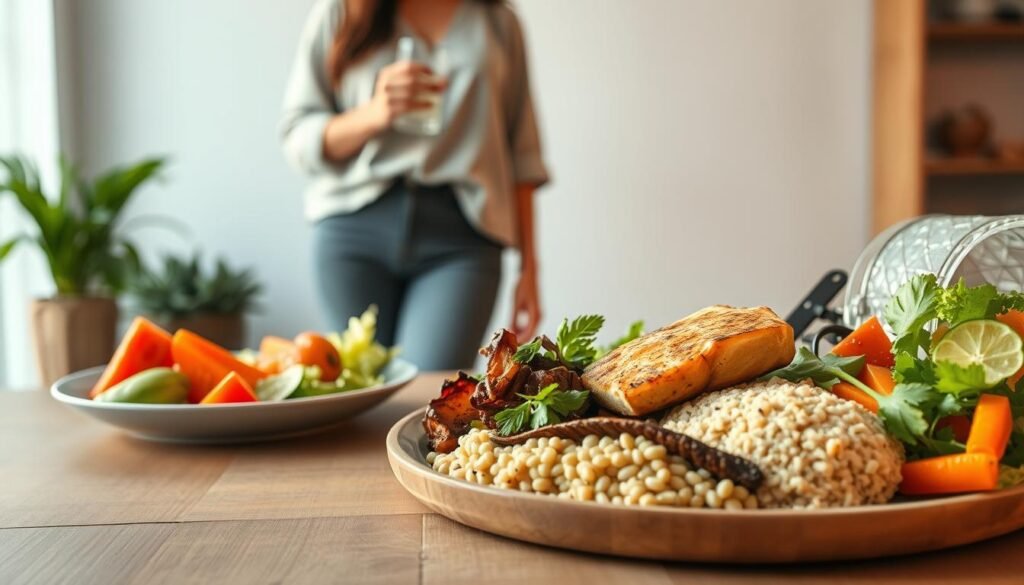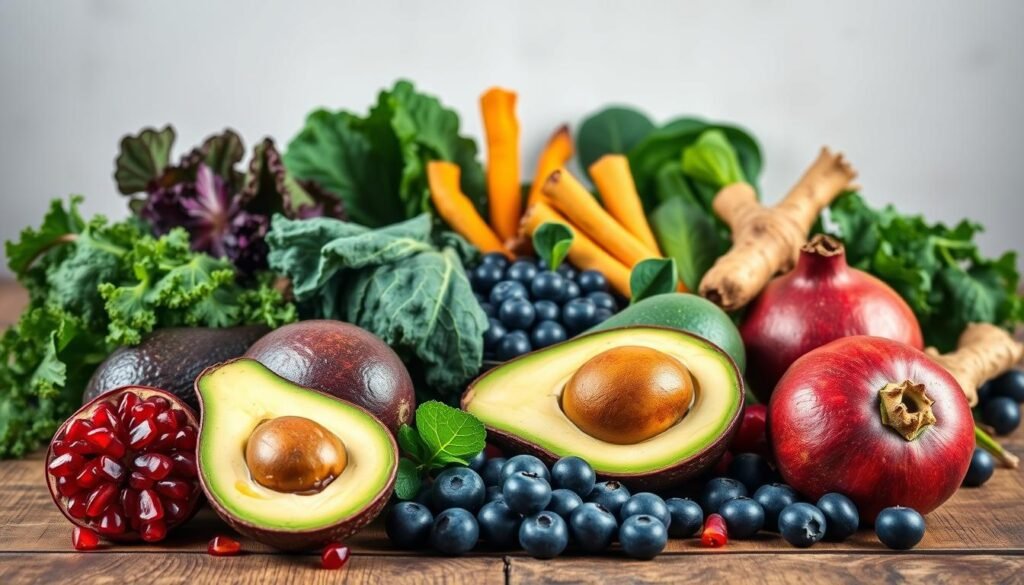
Did you know that what you eat could be the key to reducing chronic inflammation and improving your health as you age? Midlife brings many changes, and managing inflammation is crucial for maintaining vitality and preventing age-related diseases like heart disease, diabetes, and arthritis.
Research shows that over 40% of chronic diseases are influenced by your diet. This means the choices you make at the dinner table can have a significant impact on your overall well-being. One of the most effective ways to combat systemic inflammation is through the foods you consume daily.
The Mediterranean diet, for example, is renowned for its anti-inflammatory benefits. It emphasizes whole, nutrient-rich foods that work together to reduce inflammation naturally. But what specific foods should you focus on? In this article, we’ll explore the top 10 scientifically-backed options that can help you stay healthy and vibrant during midlife.
Making simple swaps, like choosing sweet potatoes over fries, can make a big difference. Ready to transform your diet and take control of your health? Let’s dive in!
Key Takeaways
- Managing inflammation is vital for midlife health and preventing diseases.
- Chronic inflammation is linked to heart disease, diabetes, and arthritis.
- Your diet influences over 40% of chronic diseases.
- The Mediterranean diet is proven to reduce inflammation.
- Simple food swaps can significantly impact your health.
Introduction to Anti-Inflammatory Foods
Understanding inflammation is the first step to taking control of your health. While acute inflammation, like the swelling from a cut, is your body’s natural healing response, chronic inflammation is different. It lingers for months or even years, silently damaging your tissues and organs.
Chronic inflammation is linked to serious conditions like Alzheimer’s, cancer, and arthritis. It’s a key factor in many age-related diseases. But the good news? You can manage it through the choices you make every day.
Surprisingly, inflammation isn’t just caused by injuries or infections. Environmental toxins, chronic stress, and even certain foods can trigger it. For example, processed foods often contain hidden sugars and trans fats, which can worsen inflammation. Did you know there are over 50 names for sugar, like “cane crystals” or “evaporated cane juice”?
Even healthy meals can be sabotaged by harmful cooking methods. Grilling red meat at high temperatures, for instance, creates carcinogens that promote inflammation. Similarly, creamy sauces and dressings can negate the benefits of nutrient-rich salads.
Here’s a quick comparison of common inflammation triggers and healthier alternatives:
| Inflammation Trigger | Healthier Alternative |
|---|---|
| Microwave popcorn | Air-popped popcorn |
| Refrigerated dough | Homemade whole-grain dough |
| Charcuterie boards | Veggie platters with hummus |
Your immune system responds to what you eat, so small changes can make a big difference. For more tips on optimizing your diet, check out this nutrition blueprint tailored for midlife health.
1. Fatty Fish: Rich in Omega-3 Fatty Acids
Your body thrives on the right nutrients, and omega-3 fatty acids are among the most powerful. Found abundantly in fatty fish like salmon and sardines, these nutrients are essential for reducing inflammation and supporting overall health.
Studies show that consuming these types of fish can lower CRP levels, a marker of inflammation in the body. Omega-3s are converted into compounds called resolvins and protectins, which actively calm inflammation and promote healing.
Benefits of Omega-3s
Omega-3s, particularly EPA and DHA, play a crucial role in brain health. Research suggests they can combat brain inflammation linked to Alzheimer’s disease, helping to protect cognitive function as you age.
When choosing salmon, opt for wild-caught over farmed. Wild-caught salmon tends to have a higher concentration of omega-3s and fewer contaminants. Aim for 3-4 ounces of fatty fish twice a week to reap the benefits.
If you’re vegetarian, you can still get omega-3s from sources like walnuts and canola oil. However, whole-food sources like fish are often more effective than supplements.
Here’s a simple recipe to try: sheet-pan salmon with roasted Brussels sprouts. It’s a delicious way to incorporate these nutrients into your diet.
2. Berries: Packed with Antioxidants
Berries are more than just a sweet treat; they’re a powerhouse of nutrients that can transform your health. These colorful fruits are loaded with antioxidants, which help combat oxidative stress and support your immune system. Whether fresh or frozen, they’re a versatile addition to any meal.
Types of Berries to Include
Not all berries are created equal. Strawberries, for example, have been shown to lower heart disease markers in overweight adults. Blackberries, on the other hand, provide 8 grams of fiber per cup, making them a great choice for digestive health.
Raspberries are another excellent option. Their high levels of anthocyanins—a type of antioxidant—have been linked to cancer prevention. Adding them to oatmeal or spinach salads is an easy way to boost your nutrient intake.
Here’s a quick comparison of frozen vs. fresh berries:
| Type | Nutrient Content |
|---|---|
| Fresh Strawberries | High in vitamin C, slightly lower in fiber |
| Frozen Blueberries | Retain most nutrients, convenient for smoothies |
| Fresh Blackberries | Rich in fiber, best eaten raw |
| Frozen Raspberries | Great for baking, retain anthocyanins |
For those managing prediabetes, berries are a smart choice. Their low glycemic index helps stabilize blood sugar levels. However, be cautious with flavored yogurts. Opt for plain Greek yogurt and add fresh berries instead of sugary versions.
Incorporating these tiny but mighty fruits into your diet is a simple yet effective way to support your health. Try blending them into smoothies, sprinkling them on cereal, or enjoying them as a guilt-free snack.
3. Broccoli: A Cruciferous Powerhouse
Broccoli isn’t just a side dish; it’s a nutritional powerhouse. This cruciferous vegetable is packed with essential nutrients that support your health in multiple ways. From reducing inflammation to aiding detoxification, broccoli is a must-have in your diet.

One of its standout compounds is sulforaphane, which has been shown to reduce NF-κB inflammation pathways. This makes broccoli particularly effective in combating chronic inflammation linked to diseases like cancer. Additionally, one cup of broccoli provides 135% of your daily vitamin C and a significant amount of fiber.
Nutrients in Broccoli
How you prepare broccoli can impact its nutrient retention. Steaming preserves more vitamins compared to roasting, which can reduce some heat-sensitive compounds. For an even greater boost, try sprouted broccoli seeds—they contain up to 100 times more sulforaphane than mature broccoli.
Pairing broccoli with olive oil not only enhances flavor but also increases the absorption of fat-soluble nutrients. This combination is perfect for stir-fries or roasted dishes. Here’s a quick-prep tip: pre-cut broccoli florets to save time and make it easier to incorporate into meals.
- Steaming retains more nutrients than roasting.
- Sprouted broccoli seeds are richer in sulforaphane.
- Pair with olive oil for better nutrient absorption.
- Supports detoxification processes in the body.
- Pre-cut florets for quick and easy meal prep.
Incorporating broccoli into your diet is a simple yet effective way to boost your health. Whether steamed, roasted, or raw, this versatile vegetable is a true nutritional gem.
4. Avocados: Heart-Healthy Fats
Avocados are more than just a trendy toast topping; they’re a nutrient-dense superfood. Packed with monounsaturated fats, they’re a fantastic choice for supporting heart health and reducing inflammation. A 12-week study found that regular avocado consumption lowered markers like CRP and IL-1β, which are linked to chronic inflammation.
One of the standout nutrients in avocados is oleic acid, a type of monounsaturated fat. This compound helps reduce inflammation and supports healthy cholesterol levels, lowering the risk of heart disease. Additionally, avocados contain lutein, which promotes eye health and protects against age-related vision issues.
Why Avocados Are a Smart Choice
The fats in avocados enhance the absorption of carotenoids, which are antioxidants found in colorful vegetables. For example, adding avocado to a spinach salad can increase nutrient uptake by up to 15 times. This makes avocados a perfect pairing for nutrient-rich meals.
Here are some creative ways to enjoy avocados:
- Use mashed avocado as a mayo substitute in chicken salad.
- Add slices to sandwiches or wraps for a creamy texture.
- Blend into smoothies for a rich, satisfying consistency.
Avocados also help maintain a healthy sodium-potassium balance, which is crucial for blood pressure regulation. However, be mindful of portion sizes. A single serving is about 1/4 of an avocado, as they are calorie-dense.
Storage Tips to Keep Avocados Fresh
To prevent browning, store cut avocados with the pit intact and wrap them tightly in plastic wrap. You can also sprinkle lemon or lime juice on the exposed flesh to slow oxidation. Here’s a quick guide to avocado storage:
| Storage Method | Effectiveness |
|---|---|
| Plastic wrap with pit | High |
| Lemon juice coating | Moderate |
| Refrigerator storage | High |
Incorporating avocados into your diet is a simple yet effective way to boost your health. Whether you’re spreading it on toast or blending it into a smoothie, this versatile fruit is a true nutritional gem.
5. Green Tea: A Soothing Beverage
Green tea has been cherished for centuries, not just for its flavor but for its health benefits. Packed with polyphenols and antioxidants, this beverage is a natural way to support your well-being. Whether you enjoy it hot or iced, green tea offers a unique blend of relaxation and health benefits in every cup.

One of the key compounds in green tea is EGCG (epigallocatechin gallate). This powerful antioxidant inhibits cytokine production, which helps reduce inflammation in the body. Studies also show that drinking 3-5 cups of green tea daily is linked to a 20% lower risk of stroke.
EGCG and Its Benefits
EGCG is a standout nutrient in green tea. It not only combats oxidative stress but also supports brain health and immune function. For maximum benefits, brew your tea at 175°F to preserve its EGCG content. Avoid boiling water, as it can degrade these valuable compounds.
Here’s a quick comparison of matcha vs. regular green tea:
| Type | EGCG Content | Preparation |
|---|---|---|
| Matcha | Higher | Whisked powder |
| Regular Green Tea | Moderate | Steeped leaves |
If you’re sensitive to caffeine, green tea is a gentler option compared to coffee. It contains theanine, an amino acid that promotes relaxation without drowsiness. For a refreshing alternative to soda, try iced green tea with a sprig of mint.
Incorporating green tea into your daily routine is a simple yet effective way to boost your health. Whether you prefer matcha or traditional green tea, this soothing beverage is a true wellness ally.
6. Peppers: Vibrant and Nutrient-Rich
Peppers are not just a colorful addition to your plate; they’re a treasure trove of essential nutrients. From sweet bell peppers to spicy chilies, these versatile veggies offer a range of health benefits that can support your well-being. Whether you enjoy them raw, roasted, or stuffed, peppers are a delicious way to boost your nutrient intake.
One of the standout nutrients in peppers is vitamin C. Did you know a red bell pepper contains three times more vitamin C than an orange? This powerful antioxidant supports your immune system and helps protect your cells from damage. Peppers are also rich in quercetin, a flavonoid that stabilizes blood sugar levels and supports heart health.
Nutrient Levels in Different Colored Peppers
Not all peppers are created equal. The color of a pepper often indicates its nutrient profile. For example, red peppers are higher in vitamin C and beta-carotene, while green peppers are a great source of fiber. Here’s a quick comparison:
| Color | Key Nutrients |
|---|---|
| Red | High in vitamin C, beta-carotene |
| Yellow | Rich in lutein, zeaxanthin |
| Green | High in fiber, vitamin K |
For a quick and healthy snack, try stuffing mini peppers with hummus. This combination is not only delicious but also packed with protein and fiber. If you prefer a bit of heat, chili peppers are a great option. They contain capsaicin, a compound known for its pain-relief and metabolism-boosting properties.
Roasting peppers can enhance their natural sweetness, making them a perfect addition to salads, sandwiches, or pasta dishes. And don’t worry about losing nutrients—cooking doesn’t destroy the vitamin C in peppers. Whether you’re managing diabetes or simply looking to add more antioxidants to your diet, peppers are a smart and flavorful choice.
7. Mushrooms: Low-Calorie and Nutrient-Dense
Looking for a low-calorie yet nutrient-packed food? Mushrooms are your answer. These fungi are not only versatile in the kitchen but also brimming with essential nutrients that support your health. From boosting your immune system to providing unique antioxidants, mushrooms are a must-add to your diet.
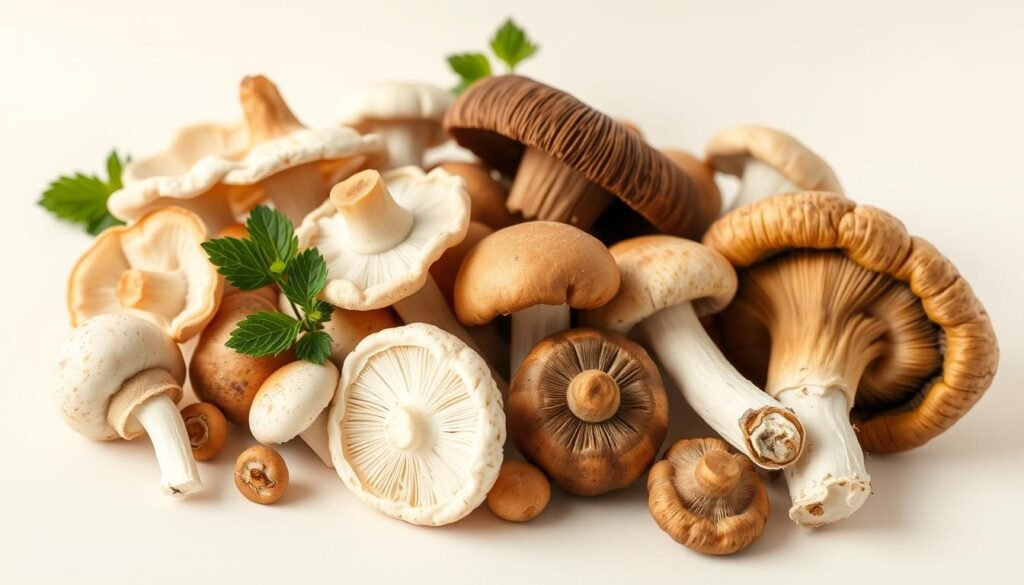
Shiitake mushrooms, for example, contain ergothioneine, a rare antioxidant that protects your cells from damage. Portobello mushrooms, on the other hand, provide 30% of your daily copper needs, which supports energy production and brain health. Whether you’re sautéing, grilling, or roasting them, mushrooms are a flavorful way to enhance your meals.
Sunlight and Vitamin D
Did you know that mushrooms exposed to sunlight can boost your vitamin D levels? Just like your skin, mushrooms synthesize vitamin D when exposed to UV light. This makes them a great option for those looking to increase their intake of this essential nutrient.
For a creative twist, try making mushroom “bacon” by slicing portobellos thin, seasoning them, and baking until crispy. It’s a delicious and healthy alternative to traditional bacon.
Rehydrating Dried Mushrooms
Dried mushrooms are a pantry staple that can add a rich umami flavor to soups, stews, and sauces. Simply rehydrate them in warm water for 20-30 minutes, and they’re ready to use. The soaking liquid can also be used as a flavorful broth.
However, it’s important to note that raw mushrooms can be harder to digest. Cooking them not only enhances their flavor but also makes their nutrients more bioavailable.
Lion’s Mane for Cognitive Health
Lion’s mane mushrooms are gaining attention for their potential cognitive benefits. Studies suggest they may support brain health by promoting nerve growth and reducing inflammation. Adding them to your diet could be a smart move for long-term mental clarity.
From shiitakes to portobellos, mushrooms are a low-calorie, nutrient-dense food that can elevate your health. Whether you’re looking to boost your immune system or explore new flavors, mushrooms are a versatile and delicious choice.
8. Grapes: Rich in Resveratrol
Grapes are more than just a snack; they’re a source of powerful health benefits. These juicy fruits are packed with resveratrol, a compound known for its ability to support heart health and reduce inflammation. Whether you enjoy them fresh, frozen, or in a salad, grapes are a delicious way to boost your well-being.
A 3-month study found that consuming grapes reduced the expression of inflammatory genes, making them a smart choice for managing chronic conditions. Freezing grapes is a great way to create a portion-controlled dessert that’s both sweet and healthy.
Health Benefits of Resveratrol
Resveratrol is a standout nutrient in grapes. It’s a type of antioxidant that helps protect your cells from damage. Research shows it can lower the risk of heart disease by improving blood flow and reducing inflammation. This makes grapes a heart-healthy addition to your diet.
Not all grapes are the same. Red grapes contain higher levels of resveratrol compared to green ones. Here’s a quick comparison:
| Type | Resveratrol Content |
|---|---|
| Red Grapes | Higher |
| Green Grapes | Lower |
While red wine is often praised for its resveratrol content, whole grapes are a healthier option. They provide fiber and other nutrients without the alcohol. For a refreshing meal, try a grape and walnut salad with arugula. It’s a perfect blend of flavors and health benefits.
If you’re looking for a concentrated dose of resveratrol, grape seed extract supplements are available. However, whole grapes are always the best choice for overall nutrition.
For those managing diabetes, be mindful of portion sizes. Grapes contain natural sugars, so moderation is key. Pairing them with protein or healthy fats, like walnuts, can help stabilize blood sugar levels.
Incorporating grapes into your diet is a simple yet effective way to enjoy their health benefits. Whether you snack on them fresh or add them to your meals, these versatile fruits are a true nutritional gem.
9. Turmeric: A Spice with Anti-Inflammatory Properties
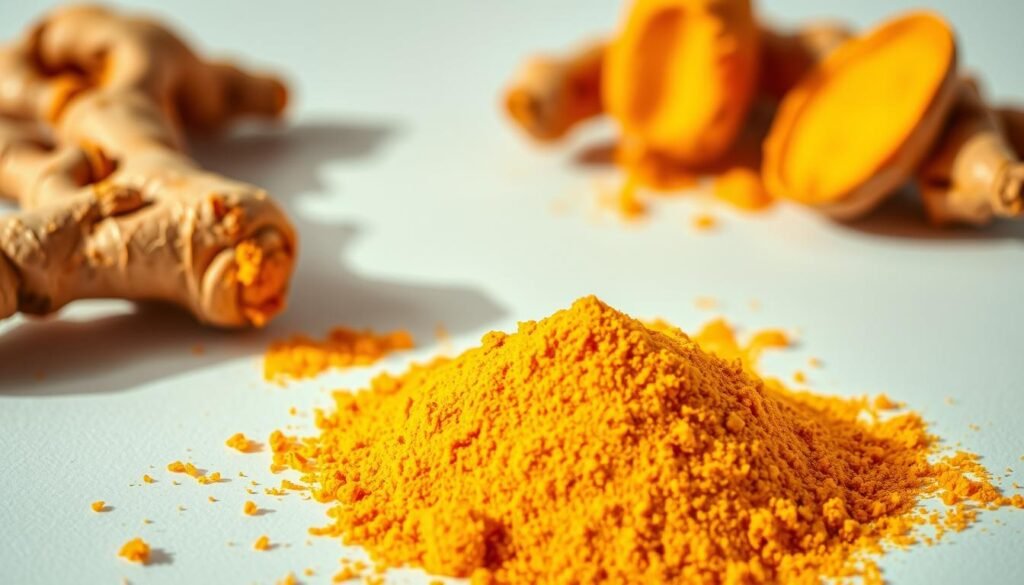
Turmeric has been a staple in traditional medicine for centuries, and for good reason. This golden spice is packed with curcumin, a compound known for its powerful health benefits. Whether you’re cooking with it or using it as a supplement, turmeric can be a game-changer for your well-being.
Curcumin and Its Effects
Curcumin is the star of turmeric. It’s been shown to reduce markers of inflammation, such as CRP, significantly. Studies suggest that just 1 gram of curcumin combined with piperine (found in black pepper) can boost absorption by up to 2000%. This makes it a potent option for managing conditions like arthritis.
Here are some practical ways to incorporate turmeric into your routine:
- Golden Milk Latte: Warm milk, turmeric, cinnamon, and a pinch of black pepper make a soothing drink.
- Topical Use: Mix turmeric with coconut oil for a natural remedy for joint pain.
- Cooking: Add it to scrambled eggs, rice, or soups for a nutrient boost.
When using turmeric, be mindful of its staining potential. It can leave yellow marks on clothes and surfaces, so handle it with care.
Fresh Root vs Powder
Both fresh turmeric root and powder are effective, but they differ in potency. Fresh root contains higher levels of curcumin, while powder is more convenient for daily use. Here’s a quick comparison:
| Type | Curcumin Content | Best Use |
|---|---|---|
| Fresh Root | Higher | Juicing, smoothies |
| Powder | Moderate | Cooking, supplements |
Whether you’re looking to reduce inflammation or simply add flavor to your meals, turmeric is a versatile and powerful choice. From golden milk to topical remedies, this spice offers a range of benefits that can enhance your health.
10. Extra Virgin Olive Oil: A Mediterranean Staple
Extra virgin olive oil is more than just a kitchen staple; it’s a cornerstone of the Mediterranean diet. This golden liquid is packed with monounsaturated fats and unique compounds like oleocanthal, which offer remarkable health benefits. Whether you’re drizzling it on salads or using it for cooking, this oil is a versatile addition to your meals.
Oleocanthal, a natural compound found in extra virgin olive oil, has been compared to a 10% dose of ibuprofen for its ability to reduce inflammation. Studies show that it works by inhibiting enzymes linked to pain and swelling. This makes it a natural choice for those looking to manage chronic conditions like heart disease.
What Makes Extra Virgin Olive Oil Special?
The term “first cold press” refers to the process of extracting oil from olives without heat or chemicals. This method preserves the oil’s nutrients and flavor, making it superior to refined versions. Here’s a quick comparison:
| Type | Nutrient Retention | Best Use |
|---|---|---|
| Extra Virgin Olive Oil | High | Salads, drizzling |
| Refined Olive Oil | Moderate | High-heat cooking |
When storing olive oil, opt for dark glass bottles to protect it from light and heat. This helps maintain its quality and flavor over time.
Practical Tips for Using Olive Oil
- Drizzle it on soups instead of butter for a healthier, flavorful touch.
- Pair robust olive oils with garlic or hearty dishes for a bold flavor.
- Use lighter varieties for baking or delicate recipes.
Extra virgin olive oil has a lower smoke point compared to refined oils, so it’s best used for low to medium-heat cooking. For high-heat methods like frying, consider alternatives like avocado oil.
Incorporating this oil into your diet is a simple yet effective way to enjoy its health benefits. From its rich flavor to its nutrient-packed profile, extra virgin olive oil is a true kitchen essential.
Conclusion: Embrace Anti-Inflammatory Foods for Better Health
Taking small steps toward a healthier diet can significantly impact your overall well-being. The 10 foods highlighted in this article—from fatty fish to turmeric—form a strong foundation for reducing inflammation and supporting midlife health.
Consider adopting a 6-week meal plan to gradually incorporate these nutrient-rich options. Pairing this approach with stress reduction and regular exercise can amplify the benefits, helping you manage chronic diseases more effectively.
Start simple by making three substitutions weekly, like swapping processed snacks for fresh grapes or using olive oil instead of butter. For inspiration, explore resources like the Mediterranean diet recipes, which emphasize whole, inflammation-fighting ingredients.
Midlife is a time to thrive, not just survive. By embracing these changes, you’re investing in a vibrant, healthier future. Your journey to better health begins today—one delicious meal at a time.
FAQ
What are the best sources of omega-3 fatty acids?
Fatty fish like salmon, mackerel, and sardines are excellent sources of omega-3s. These healthy fats help reduce inflammation and support heart health.
How do berries benefit your health?
Berries, such as blueberries and strawberries, are rich in antioxidants. These compounds help protect your cells from damage and may lower the risk of chronic diseases.
Why is broccoli considered a superfood?
Broccoli is packed with nutrients like vitamin C, fiber, and sulforaphane. These elements support your immune system and may help reduce inflammation in your body.
What makes avocados a healthy choice?
Avocados are loaded with monounsaturated fats, which are heart-healthy. They also contain fiber and potassium, making them a great addition to your diet.
What are the benefits of drinking green tea?
Green tea contains EGCG, a powerful antioxidant. It may help reduce inflammation and improve overall health when consumed regularly.
How do peppers contribute to a healthy diet?
Peppers are rich in vitamin C and quercetin, both of which have anti-inflammatory properties. They add flavor and nutrients to your meals.
What makes mushrooms a nutritious option?
Mushrooms are low in calories but high in nutrients like selenium and antioxidants. They also contain compounds that may help reduce inflammation.
Why are grapes good for your health?
Grapes contain resveratrol, an antioxidant linked to heart health and reduced inflammation. They’re a tasty and nutritious snack.
How does turmeric help with inflammation?
Turmeric contains curcumin, a compound known for its anti-inflammatory effects. Adding it to your meals can support overall wellness.
What’s special about extra virgin olive oil?
Extra virgin olive oil contains oleocanthal, which has anti-inflammatory properties. It’s a staple in the Mediterranean diet and great for heart health.