Could small, daily changes tuned to your cycle and sleep really transform how you feel?
This starter guide shows a smarter way to support your health that respects your unique hormones and rhythms. Many tips and studies were built around male biology, and that can miss what your body needs.
You’ll get clear, practical steps to begin—think morning light to set your clock, gentle strength and cardio mixes, and tracking sleep and cycles with simple devices. These habits save time and protect energy.
We’ll also explain which tests and tools add real value, and when to be cautious with fasting or extreme diets for thyroid and mood. Learn to use meaningful data, not guesswork, so your lifestyle upgrades stick.
Ready to start? See a practical nutrition roadmap tailored to midlife changes that complements this approach.
Why a female-first approach matters right now
Many mainstream protocols were shaped around men — that mismatch changes what works best for your body.
Research and popular tips often rely on studies done in male bodies. That can skew what’s labeled “best practice” and overlook how your hormones shift daily and monthly.
Real-world consequences include heavier periods, severe PMS, PCOS, disrupted sleep, and mood swings. These signs tell you that strict diets or one-size routines may backfire.
- You’ll learn why intermittent fasting and extreme stressors can raise cortisol and harm glucose balance in women.
- Experts like Alisa Vitti and Dr. Sara Gottfried recommend syncing food, training, and targeted nutrition to support cortisol, estrogen, and thyroid.
- A female-first lens helps protect fertility, reduce risk, and keep your plan flexible rather than forcing your body to adapt.
In short, choosing approaches that respect your unique cycles and changing needs gives you better balance, less burnout, and smarter, safer results in health and performance.
Foundational daily biohacks for better energy, sleep, and mood
Small, consistent habits—light exposure, reliable movement, and a steady wind‑down—build big gains in energy and mood.
Prioritize sleep quality and track it
Sleep is the base of longevity and daily performance. Use a wearable like the Oura Ring to spot patterns and make clear changes.
Track bedtime, wake time, and sleep stages for a week before changing routines. Data helps you tweak evening habits and recovery.
Get morning light to reset your clock
Step outside within an hour of waking for 10–20 minutes of natural light. Morning light anchors your circadian rhythm and steadies hormone levels.
Move with a simple mix
Blend strength to protect muscles and bones, cardio for heart health, and mobility so your body feels good all day.
- Two strength sessions weekly, short cardio sessions, and daily mobility work.
- Snack-sized movement bursts during the time you sit to reduce stiffness and lift mood.
Use saunas or steam for recovery
Regular saunas boost blood flow, aid recovery, reduce inflammation, and improve skin over time. Aim for a few sessions per week if you tolerate heat well.
Protect evenings and ground yourself
Wear blue-light blockers after sunset to protect melatonin and deepen sleep. Dim screens and keep a calm wind-down ritual.
Make grounding and nature walks part of the week. Barefoot time on grass or short hikes lowers stress levels and often improves rest.
Quick wins: use morning light, short movement snacks, sauna sessions, and an evening dim-down. Track changes and keep what lifts your mood and recovery.
Want a simple strength and cardio routine to pair with these habits? Try this linked fitness plan: fitness plan.

biohacking for women: cycle-sync your food, workouts, and recovery
Syncing your month to food, movement, and rest helps you stay steady through hormonal shifts.

Eat with your phases to support estrogen, progesterone, and energy
Map your cycle and match meals to each phase. Aim for higher protein and fiber in the follicular and ovulatory windows to steady energy and support estrogen metabolism.
Use MyFLO or a tracker like Natural Cycles with Oura data to spot trends and adjust portions to help manage weight and mood.
Match exercise intensity to your cycle
Turn up higher-intensity training in the follicular and ovulatory phases when you are primed. Pull back to lighter movement during the late luteal and menstrual phases to protect recovery and balance.
Plan recovery, self-care, and workload around menstrual changes
Create a simple monthly plan that schedules deep work, social events, and buffer recovery days in lower-energy windows. Gentle, estrogen-supportive detox practices beat extreme cleanses for lasting health.
- Track phases, then personalize nutrition and rest.
- Build buffer days in late luteal and menstrual phases.
- Use apps like MyFLO and Oura to refine your plan.
Smart nutrition and supplements: what to add and what to avoid
A few targeted nutrition switches and sensible supplements protect energy, mood, and cycle health without drama.
Start with key micronutrients. A B-complex that includes thiamine (B1) and folate supports hormone pathways and may lower risks tied to endometriosis and PCOS. Magnesium calms nerves and helps insulin sensitivity. Vitamin D acts like a master hormone and supports wide-reaching health, including uterine fibroid reduction in some studies.
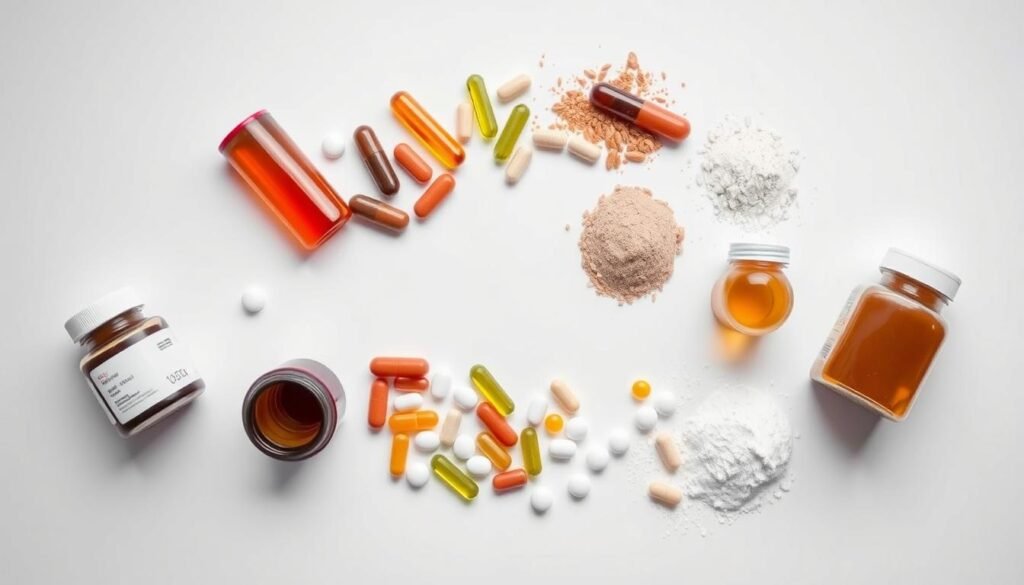
Probiotics showed benefit in trial data, reducing pelvic pain over weeks. Keep doses and strains tailored to symptoms and lab data, and loop in your clinician when medicine and supplements overlap.
Be cautious with fasting, extreme detoxes, and strict keto. Intermittent fasting can disturb glucose tolerance and key hormones in many people. Very low-carb keto diets may stress thyroid function and make weight and energy goals harder to sustain.
- Practical picks: B-complex, magnesium, vitamin D, and a quality probiotic.
- Focus on nutrient-dense meals and steady protein to support lean tissue and healthy weight.
- Monitor blood markers like vitamin D and iron before upping doses.
Rethink caffeine. If you have fibroids, cysts, or PCOS symptoms, cut back to protect breasts, mood stability, and cycle balance.
Make it personal: Use labs, symptoms, and a clinician’s input to build a sustainable supplement plan that fits your lifestyle and keeps your body in balance.
Mind, mood, and skin: low-tech biohacks with high-impact benefits
Daily practices that focus on breath, touch, and gentle light make stress easier to manage.
Quick, effective wins, start with short meditation and breathwork sessions. Studies show they lower physiological stress markers and improve focus and sleep. Dr. Tamsin Lewis also recommends an early bedtime and sleep tracking to stay accountable.
Meditation and breathwork to reduce stress and improve sleep
Try 5–10 minutes each morning or before bed. Use box breathing or guided apps to calm your nervous system. Small, steady practice makes your mind clearer and your mood steadier.
Boost oxytocin with hugs, intimacy, music, and connection
Physical touch, shared music, gentle yoga, and meaningful conversation raise oxytocin and buffer stress. Prioritize simple moments of connection to lift your mood naturally.
Build a skincare stack: cleanse, hydrate, and nourish from within
Keep a basic routine: gentle cleanse, light exfoliation once weekly, and daily hydration. Add facial massage to boost circulation and consider supplements like vitamins B, C, E, omega-3s, collagen, and biotin to support skin health.
Consider red light therapy and gentle treatments for skin recovery
Red light is a low-risk add-on for skin recovery and glow. Save peels or stronger treatments for a dermatologist consult.
- You’ll build a calming toolkit that lowers stress and steadies your mood.
- You’ll use oxytocin-rich connection to soften stress responses.
- You’ll create a simple skin care routine that supports real benefits without extra work.
Keep it simple. Track how these habits change your sleep and mood with quick notes. Small acts of care ripple into daily life and are an easy, reliable way to feel better.
Track, test, and personalize: data to guide your lifestyle
Small reads from devices and labs help you stop guessing and start improving.
Spot patterns with wearables and apps
Choose one reliable wearable to track sleep and recovery so your daily plan reflects real readiness. The Oura Ring gives clear sleep and recovery metrics and pairs with Natural Cycles for fertility insight.
Use a cycle tracker like MyFLO or Natural Cycles plus Oura to spot phase shifts and fertile windows. Match training and rest to those signals instead of guessing energy levels.
Deep personalization with labs and kits
Run basic blood work with your clinician to check nutrient levels and hormones. Those results help you tune supplements, adjust carbs, and protect thyroid and mood.
When you want deeper insight, consider a whole-genome kit. Nucleus offers a HIPAA-compliant kit with a cheek swab that ships with materials. Results arrive in about 6–8 weeks and include trait and risk reports, plus optional counseling.
- You’ll pick a single wearable to guide daily choices.
- You’ll pair a cycle app to fold phases into training and recovery.
- You’ll use blood tests to adjust supplements and spot issues early.
- You’ll consider a genome kit when you want lasting personalization.
Practical tip: Top biohackers focus on a few metrics that matter. Track changes, document what helps your sleep and energy, and tweak your plan over time while protecting privacy and accuracy.
Conclusion
Wrap up your plan with small, reliable actions that build better sleep, steadier energy, and calmer stress.
Start modestly: pick one habit this week—morning light, a short strength session, or an evening wind‑down—and keep it consistent.
Use trusted tools like Oura and a cycle app to track sleep, phases, and blood markers. Add targeted supplements such as a B complex, magnesium, and vitamin D if labs suggest a need.
Protect hormonal balance by avoiding extreme fasting or strict keto without clinical oversight. Add saunas, nature time, and social touch to boost recovery and oxytocin.
Keep it patient, responsive, and evidence‑driven. Personalize with labs or a genome kit when you want deeper insight, then adjust your plan as your body signals change.
FAQ
What does a female-first approach to smart health mean?
It means tailoring lifestyle, sleep, nutrition, movement, and recovery to your hormones and life stage. You focus on cycle-aware choices, targeted supplements like magnesium and vitamin D, and tools such as wearables or cycle apps to get actionable data. This approach helps balance energy, mood, and fertility while lowering stress and improving recovery.
How can I prioritize sleep to improve energy and hormones?
Aim for consistent bed and wake times, dim lights in the evening, and a cool, dark bedroom. Track sleep with a reliable wearable or app to spot trends, and limit late caffeine and screens. Wearing blue-light blockers after sunset and practicing a wind-down breathwork routine can raise melatonin and improve sleep quality.
What morning routine supports circadian rhythm and hormonal balance?
Get 10–30 minutes of natural light soon after waking, combine it with gentle movement or a short walk, and eat a balanced breakfast that includes protein and healthy fat. Morning light helps set your cortisol rhythm and supports melatonin production at night, which in turn affects estrogen and progesterone balance.
How should I adjust workouts across my cycle?
Match intensity to your phase: during follicular and ovulatory phases, favor higher-intensity strength and cardio sessions; in the luteal phase, prioritize moderate cardio, mobility, and shorter strength workouts; and during menstruation, focus on gentle movement, stretching, and restorative practices. This helps performance, recovery, and hormonal stability.
Are saunas and steam rooms safe and useful?
When used properly, regular sauna sessions can support recovery, circulation, skin health, and stress relief. Start with short sessions, stay hydrated, and avoid extreme heat during pregnancy or if you have cardiovascular conditions. Infrared saunas are an alternative if you prefer lower ambient temperatures.
Which supplements are most helpful for menstrual and stress support?
Common, evidence-backed choices include B vitamins for energy, magnesium for sleep and cramps, vitamin D for mood and immune support, and quality probiotics for gut and hormonal health. Always check interactions with medications and consider lab tests or a healthcare provider before starting new supplements.
Is intermittent fasting safe for menstrual health?
It can work for some, but prolonged fasting or aggressive time-restricted eating may disrupt hormones and menstrual regularity. If you notice cycle changes, low energy, or trouble sleeping, reduce fasting windows or focus on balanced, frequent meals that support thyroid and reproductive health.
How can I reduce stress without medication?
Try daily practices like breathwork, short guided meditations, grounding walks in nature, and social connection to boost oxytocin. Small habits—regular movement, prioritized sleep, and sauna or hot-cold exposure—also lower cortisol over time and improve mood and resilience.
What skin strategies offer big returns with minimal effort?
Keep a simple, consistent routine: gentle cleanser, daily hydration with a moisturizer containing ceramides or hyaluronic acid, and sunscreen every morning. Consider red light therapy for collagen and recovery, and support skin from within with protein, omega-3s, and vitamin C.
When should I get testing or use wearables to personalize my plan?
Use wearables and cycle tracking early to spot sleep, HRV, and menstrual patterns. Get labs if you have persistent fatigue, mood shifts, irregular cycles, or fertility concerns—tests for thyroid function, vitamin D, iron, and reproductive hormones can guide targeted interventions.
How do I balance coffee with cycle and mood health?
Moderate intake—typically up to 200–300 mg daily—works for many, but cut back if you experience anxiety, sleep disruption, or heavier PMS. Consider timing coffee earlier in the day and swapping to decaf or herbal tea in the luteal phase to support stable mood and sleep.
What lifestyle changes help with weight and recovery without extreme diets?
Focus on whole foods, adequate protein, regular strength training, quality sleep, and stress management. Avoid one-size-fits-all extremes like long-term ketogenic diets if you have thyroid or cyclical hormone concerns. Small, consistent habits yield better long-term results.
Can low-tech practices really affect hormones and fertility?
Yes. Consistent sleep, stress reduction, regular movement, and nutrient-dense eating influence hormone balance and ovulatory function. Simple actions—reducing late-night light, improving sleep, and managing stress—can improve cycle regularity and fertility outcomes over months.
How do I start personalizing my health plan with data?
Begin by tracking sleep, mood, and cycle symptoms for 2–3 months using an app and a wearable. Review patterns, then test basics like vitamin D, iron, and thyroid if issues persist. Use small experiments—shift meal timing, alter workout intensity by cycle, or try magnesium at night—and measure results.