Could a small change in your daily routine wake up the part of you that feels flat every afternoon?
You’re here because your energy levels aren’t where you want them. Many women over 35 find that low iron plays a role in sluggish days, but the right choice can help restore healthy oxygen delivery, hormone balance, and metabolism.
We’ll cut through the noise so you can compare real options like Thorne Iron Bisglycinate, OptiFerin-C, Ritual Essential for Women 18+, and budget picks such as Nature Made.
Along the way, you’ll learn when a multivitamin makes sense versus a single product, how gentler forms like iron bisglycinate can reduce tummy issues, and when to talk to your healthcare provider about testing and treatment.
Ready to pick a practical option that fits your goals and budget? Start with our clear comparisons and pricing tiers to make confident choices today. See related guidance in this nutrition blueprint: nutrition blueprint for women over 35.
Feeling wiped out? How iron ties directly to your energy
If your pep has vanished, look at how well your blood moves oxygen — that’s where iron plays a role.
Hemoglobin carries oxygen to your cells so they can convert food energy into ATP, the molecule your body uses to move, think, and recover.
When levels are low, less oxygen reaches muscle tissue and the brain. That often shows up as shortness of breath on stairs, foggy afternoons, or weaker workouts.
Why it matters: this process supports metabolism, mood, and stamina. Small changes in diet, heavier periods, or intense training can create conditions where extra attention helps.
- Oxygen delivery drives cellular respiration; low levels reduce ATP production.
- Simple checks with your clinician and basic labs can confirm whether a gap exists.
- Pairing iron-rich meals with vitamin C and choosing gentle products when needed can improve absorption.
Addressing a shortfall often leads to steadier afternoons, better workouts, and a clearer mind.
How iron supports energy production in your body
Start by understanding how tiny iron-dependent proteins keep your cells running at peak performance. These proteins help red blood cells carry oxygen to tissues so your cells can make ATP—the energy currency cells need for daily life.

“When oxygen delivery drops, both brain focus and muscle performance falter.”
From oxygen transport to ATP: why red blood cells and hemoglobin matter
Hemoglobin in your blood moves oxygen into mitochondria where iron-dependent enzymes drive the process of energy production. Low levels reduce work capacity and leave you feeling drained during exercise and busy days.
Who’s most at risk of low iron levels and fatigue
You’re more likely to face iron deficiency if you have heavy periods, follow a restrictive diet, or train hard. Active people can lose about 1–2 mg of iron per two hours of sweat, raising risk.
Highly absorbable forms: why iron bisglycinate and vitamin C can help
Gentle, highly absorbable forms like bisglycinate paired with vitamin C improve absorption and cut stomach upset. Clinical research even showed a low daily dose of ferric pyrophosphate improved mood and reduced post-exercise tiredness in non-anemic athletes.
- Red blood cells + hemoglobin = oxygen to tissues for ATP.
- Mitochondrial proteins need iron to support muscle and brain function.
- Checking your levels helps you choose the right forms and supplements.
What to look for when choosing iron supplements for energy and fatigue
Match the delivery to your needs. Start by choosing a form that fits your stomach and lab values. Iron bisglycinate is gentle and well tolerated. Ferrous sulfate is common and effective but can cause more stomach upset. Ferric pyrophosphate (SunActive Fe) absorbs well in food-like matrices.
Forms and absorption
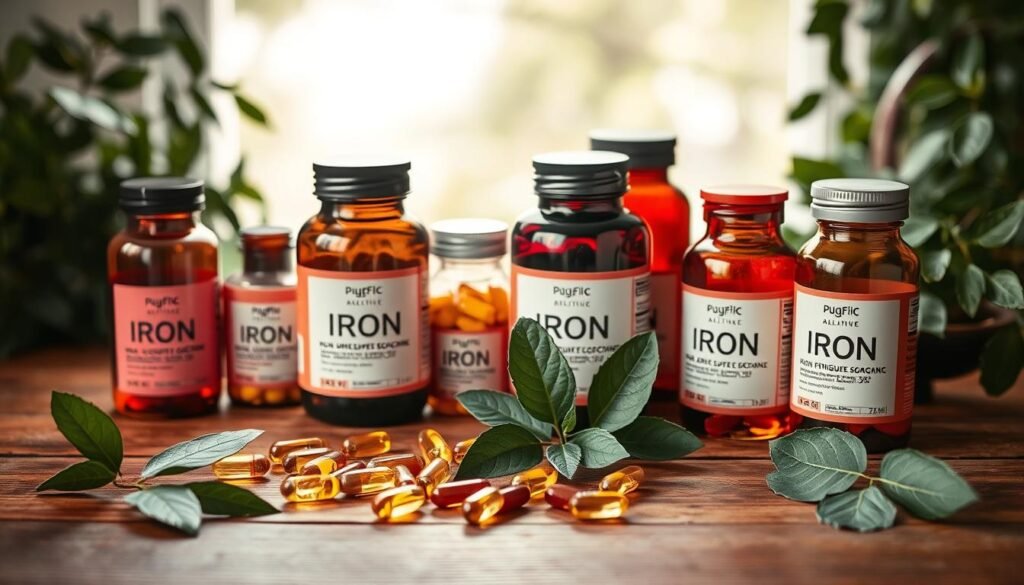
Many people pick a chelated form to reduce side effects. Liquids and chewables help if tablets bother you. Brands in this roundup with third-party testing include Thorne Iron Bisglycinate, Pure Encapsulations Iron Liquid, SFI Health Chewable Iron Chelate, and OptiFerin-C.
Vitamin C and co-nutrients
Vitamin C boosts uptake, and B vitamins can support metabolism. Avoid taking calcium or coffee near your dose since they can blunt absorption.
Doses and gentle options
Choose evidence-based doses that reflect your labs. If you are sensitive, lower daily amounts taken consistently often improve levels without major side effects.
Quality and clean ingredients
Look for third-party testing, transparent sourcing, and minimal fillers. Read labels so you know if a product includes vitamin C or other co-nutrients that aid absorption.
- Start with form: bisglycinate = gentle; ferrous sulfate = potent; ferric pyrophosphate = food-like absorption.
- Boosters: vitamin C helps; avoid inhibitors near your dose.
- Quality: choose third-party tested brands and clear ingredient lists.
Top picks: the best iron supplements to lift low energy
These curated picks highlight trusted brands and formats that fit different routines and stomach sensitivities.
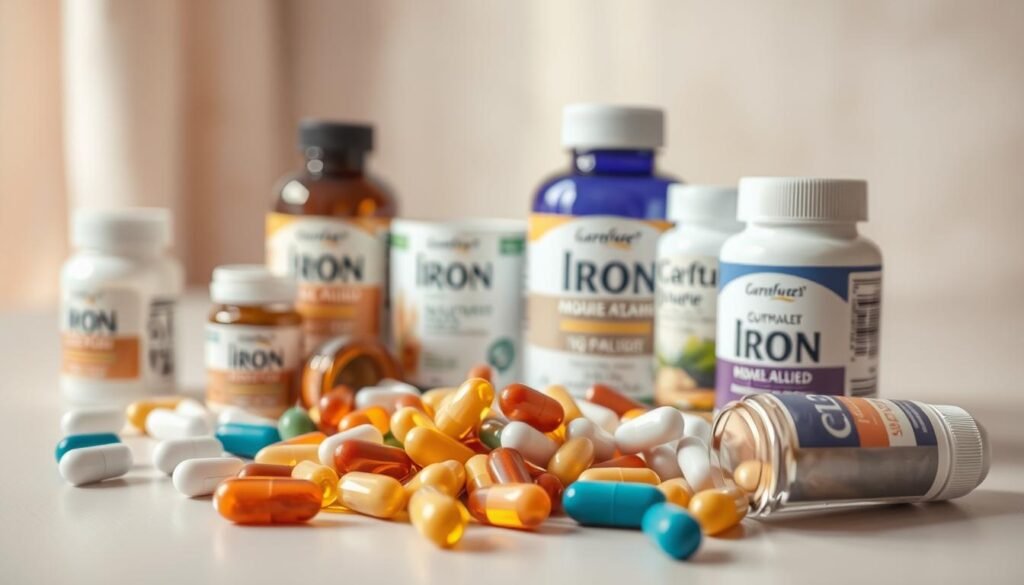
Best overall: gentle iron bisglycinate
Thorne Iron Bisglycinate Capsules deliver a gentle chelated form with solid brand quality. This choice supports steady levels with fewer side effects. It’s a go-to if you want a simple capsule that works.
Best with vitamin C
Pure Encapsulations OptiFerin-C pairs iron plus vitamin C to aid absorption and metabolic support. Choose this when uptake matters and you want efficient results with clean ingredients.
Best vegan, food-based option
MegaFood Blood Builder uses a food-first approach. Many find it gentler on the stomach while still raising levels over time.
Best multivitamin and best liquid/chewable
Ritual Essential for Women 18+ adds iron inside a daily multivitamin for fewer bottles. For sensitive stomachs, consider Pure Encapsulations Iron Liquid or SFI Health Chewable Iron Chelate.
Best pregnancy-safe and budget pick
FullWell Iron Bump is formulated for maternal support. If you want affordable quality, Nature Made Iron 65 mg Tablets match $ pricing tiers without heavy compromise.
- Tip: Match form to your labs and diet.
- Pricing tiers: $ (budget), $$ (mid), $$$ (premium).
- Note: Check ingredients and typical doses before you buy.
Smart dosing and timing to support energy levels
Small changes in when and how much you take can shift how your body feels day to day.
How much to take: Your ideal doses depend on labs, symptoms, and tolerance. Some people need moderate daily amounts, while others do well with low-dose strategies. A double-blind trial found 3.6 mg ferric pyrophosphate daily improved mood and reduced tiredness in athletes over four weeks, showing low doses can help when used consistently.
Timing and fewer side effects
Take pills away from coffee or calcium-rich meals to boost absorption. If your stomach is sensitive, try iron bisglycinate or a liquid with food to reduce side effects and still support energy levels.
Interactions to watch
Space doses at least two hours from thyroid meds and certain antibiotics. Track your intake and symptoms for 2–4 weeks to see shifts.
- Tip: consistency usually beats big, infrequent doses.
- Pairing: add vitamin C unless the product already includes it.
- Check: consult healthcare professional to match dose to bloodwork and goals.
Maximize absorption so your cells get the oxygen they need
You can boost how much your body takes up with a few simple timing and meal tweaks. Better uptake helps oxygen reach cells for steady energy production and supports metabolism.
Pairing with vitamin C and avoiding inhibitors
Take a dose with a vitamin C snack like orange or bell pepper to help absorption. Keep tea, coffee, and calcium-containing foods a few hours away to avoid blocking uptake.
Many people find morning dosing with a small C-rich drink works well while saving dairy or lattes until later.
Heme vs. non-heme and smart diet pairing
Heme sources from meat absorb more easily than plant-based non-heme forms. If your diet is plant-forward, pair legumes, greens, or fortified cereals with vitamin C to get more from each meal.
- Simple wins: take with vitamin C, avoid inhibitors nearby.
- Diet matters: heme absorbs best; non-heme needs pairing.
- Comfort: if side effects occur, try a different form or adjust timing.
Potential side effects and when to consult a healthcare professional
Side effects are common, but most are manageable. Knowing what to expect helps you keep going or pause when needed.
Common issues: nausea, constipation, and how to minimize them
The most common side effects include nausea, constipation, and stomach upset. Try a gentler form, lower dose, or a liquid if pills bother you.
Simple steps:
- Take with a small snack if your stomach is sensitive.
- Choose chelated bisglycinate or liquid forms to reduce discomfort.
- Split doses or lower the amount until you tolerate it better.
Testing ferritin and levels before and during treatment
Get labs that include ferritin and iron levels before you start. Testing helps tailor dose and confirms whether deficiency drives your symptoms.
Repeat blood tests after several weeks to track progress and adjust the plan.
Who should avoid use or seek medical guidance first
Don’t self-treat if you have chronic conditions, unexplained high markers, or take multiple meds. Pregnant people or those with GI disorders need close oversight.
If new or worsening side effects appear, pause dosing and consult a healthcare professional.
Iron vs. other energy supplements: how they work together
Look beyond one ingredient; other key nutrients shape how you feel all day. A layered approach helps your body turn food into usable power.
B vitamins and energy metabolism
B vitamins act as helpers that let enzymes convert carbs, fats, and proteins into ATP. Each B — B1, B2, B3, B5, B6, B7, B12 — plays a distinct role in that process.
When you add a B complex, your body is better able to convert food to usable fuel. This often supports clearer thinking and steadier stamina.
Magnesium’s role in ATP and muscle function
Magnesium takes part in 300+ reactions. It supports ATP production and helps muscles relax after work.
That can reduce cramps, ease tension, and improve workout recovery.
Vitamin C’s dual role
Vitamin C boosts iron absorption and serves as an antioxidant. It also helps make carnitine and key neurotransmitters that support brain health.
CoQ10 and creatine: when they may be helpful
CoQ10 supports mitochondrial ATP production, while creatine helps regenerate ATP in short, intense efforts. Athletes often add these when they need quick bursts of power.
Start simple: anchor your plan with the foundational mineral when needed, then layer a B complex or magnesium based on symptoms and goals.
- Pair smartly: combine a targeted mineral with B vitamins to help convert food efficiently.
- Use research-backed combos: avoid overlapping products that duplicate the same proteins or nutrients.
- Reassess: check levels and how you feel after a few weeks so you can tailor what stays in your routine.
Conclusion
, Close the loop: confirm labs, pick the right form, and build habits that support lasting change.
If low iron is dragging you down, the right mineral in the right form helps red blood cells move oxygen so your cells resume reliable production.
Start with tests to confirm low levels. Then choose well‑vetted products: bisglycinate capsules, multivitamins with a dose, options that add vitamin C, food-based or liquid choices, or budget tablets where needed.
Pair intake with smart nutrition, sleep, and movement. Keep doses realistic and consistent so blood markers rise and your energy improves over weeks.
Pick brands with clear labels and quality checks. Watch for potential side effects and work with your clinician if deficiency is confirmed to make a steady plan you can feel.
FAQ
How do low iron levels make you feel wiped out?
Low ferritin and hemoglobin reduce oxygen delivery to your tissues, so cells can’t produce ATP efficiently. That leads to persistent tiredness, poor concentration, and weak muscles. Checking blood tests helps confirm if low levels are the cause of your symptoms.
Which forms are easiest on the stomach and absorb well?
Chelated forms like bisglycinate are gentler and often cause fewer GI issues than ferrous sulfate. Pairing a dose with vitamin C boosts uptake. If pills bother you, liquid or chewables designed for sensitive stomachs are good alternatives.
How much should you take and how often?
Typical replacement doses depend on your lab results; many clinicians recommend 30–65 mg elemental per day for deficiency, sometimes in divided doses. Lower maintenance doses can suffice once levels normalize. Always follow your provider’s guidance after testing.
When is the best time to take a dose for absorption?
Your body absorbs most minerals best on an emptier stomach, so take it 1–2 hours before meals if you can tolerate it. If it causes nausea, take with a small snack. Avoid taking it with calcium-rich foods, coffee, or tea.
What foods and drinks block absorption?
Tannins in tea and coffee, calcium from dairy, and some whole grains can inhibit uptake. Phytates in legumes and certain grains also reduce absorption; soaking and cooking lowers that effect. Space these items several hours apart from your supplement.
Can vitamin C and other nutrients help?
Yes. Vitamin C enhances non-heme uptake and supports antioxidant function. B vitamins help convert food into usable energy, while magnesium assists ATP processes. Look for formulas that include complementary co-nutrients if you need broader support.
How long before you notice more energy?
Some people feel improvements in fatigue within 2–4 weeks, but it can take 8–12 weeks to restore stores and months for full recovery depending on severity. Regular monitoring of ferritin and hemoglobin will track progress.
What side effects should you expect and how can you reduce them?
Common issues include nausea, constipation, or dark stools. Switching to a gentler form, lowering dose frequency, taking with food, or using stool softeners can help. Report severe abdominal pain or allergic reactions to your clinician immediately.
Who should get blood tests before starting a regimen?
Anyone with persistent fatigue, heavy menstrual bleeding, poor dietary intake, pregnancy, or a history of GI conditions should test ferritin, hemoglobin, and total iron-binding capacity. Testing prevents unnecessary supplementation and detects other causes of fatigue.
Can you combine iron formulas with multivitamins or other energy aids?
You can, but check totals for overlapping vitamins and minerals like calcium, zinc, and copper that may interact. Time certain supplements apart if they compete for absorption. Talk to your healthcare provider to design a safe, effective plan.
Are there safe options during pregnancy?
Prenatal-specific formulas and certain gentle forms are considered safe when recommended by an obstetrician. Pregnancy increases needs for red blood cell production, so clinicians often monitor and guide dosing to protect you and the baby.
When should you seek medical advice before taking a product?
Consult a healthcare professional if you have chronic conditions, take prescription meds (like thyroid hormone or calcium), have a history of hemochromatosis, or experience severe side effects. Professional testing and guidance keep you safe and effective.