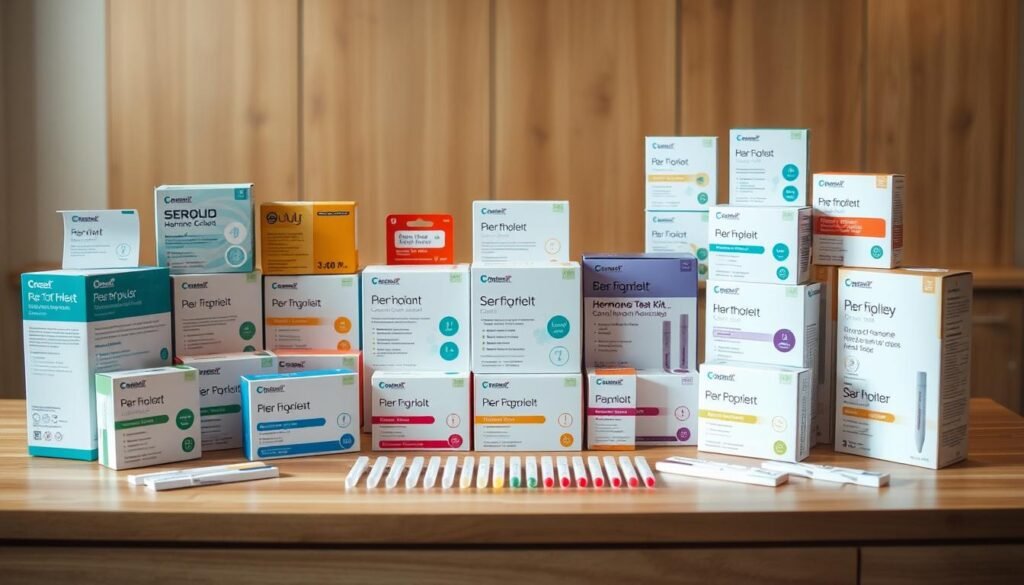
Could a few smart choices end the tired afternoons and restless nights you blame on midlife?
You’ll find a clear roadmap here to support energy, mood, bones, and daily vitality without guesswork. This guide mixes practical lifestyle steps with targeted supplements and plain-language research so you can make confident choices.
Many people notice fatigue and sleep shifts tied to hormones. Simple nutrients such as B-complex, vitamin D, iron when needed, and magnesium help fuel energy, mood, and sleep quality. Food first, smart supplements second.
You’ll learn how to read labels, spot quality products with third-party testing, and match options to your lab results and life goals. For a deeper plan, see the full nutrition blueprint linked here: nutrition blueprint for midlife health.
Why your nutrient needs change after 35 in the United States
After your mid-30s, small shifts in sleep and stress can change how your body uses key nutrients.
You may notice lighter sleep, more stress, and shifting cycles that affect energy. These life changes change your needs for iron, vitamin D, magnesium, and other minerals.
Iron requirements vary by stage. Perimenopausal women often need about 18 mg a day if bleeding increases. After menopause, needs drop to around 8 mg.
Research shows many people in the U.S. get roughly one-third of recommended vitamin D from food. Winter sun in northern states can leave gaps.
Magnesium helps more than 300 enzymatic reactions tied to energy and sleep. Protein distribution at meals also supports muscle and steady energy so nutrients work better.
- Check core labs to match supplements to symptoms and life stage.
- Focus on a varied diet rich in fiber, quality protein, and colorful produce.
- Review medications and digestion, which can affect B12 and folate absorption.
best vitamins for women over 35
A few targeted nutrients reliably support bone health, mood, and steady energy as life changes.
Vitamin D: bone, immune, and mood support backed by research
Vitamin D helps protect bones and influences mood‑regulating neurotransmitters. Low levels often link to fatigue, so monitor your intake if you get limited sun or dietary sources.
B12 and B-Complex: energy metabolism and red blood cell health
B-complex vitamins convert food into ATP and support red blood cell formation. B12 risk rises in people who follow a vegetarian diet or have malabsorption conditions like celiac or Crohn’s.
Iron: when testing shows you need it
Iron is essential for oxygen transport via hemoglobin and myoglobin. Only supplement when blood work shows deficiency to avoid GI upset or overload.
Magnesium: sleep quality, muscle function, and over 300 enzymatic reactions
Magnesium aids muscle relaxation and sleep while supporting 300+ enzymatic reactions tied to energy production. Consider chelated forms and taking magnesium in the evening if it helps your sleep.
- Choose forms that match your goals: D3, methylated B12 or methylfolate, and chelated minerals.
- Pair many B nutrients with food and separate iron from calcium for better absorption.
- Use labs to guide dosing, recheck levels after steady use, and fold supplements into a food-first plan.
B-Complex spotlight: B12, folate, niacin, and energy production per day
B vitamins act like traffic controllers for your metabolism, guiding carbs, protein, and fats into steady fuel and helping keep red blood cell production on track.
Who may need b12 support?
If you limit animal foods or have malabsorption from celiac or Crohn’s disease, your risk of low b12 rises. Certain medications can also affect status. Low B12 or B6 can contribute to anemia and fatigue, so check labs before supplementing.
Folate versus methylated folate
Folate supports DNA synthesis and healthy cell turnover. Labels may list folic acid or methylfolate as the active ingredient. Methylated forms can be easier for some people to use, especially if you have genetic differences or take certain meds.
- Niacin aids energy pathways but can cause flushing at high doses; know your supplement’s niacin content.
- Choose a balanced B-complex that doesn’t overshoot a single vitamin unless your clinician advises it.
- If labs show low levels, targeted supplementation often normalizes blood markers and eases brain fog.
Vitamin D done right: forms, intake, and quality
Think of vitamin D as a seasonal shield that supports bone strength and steady mood when sunlight is scarce.
Choose D3 for potency. Most D3 supplements come from lanolin, while vegan D3 uses algae-derived ingredients. Both raise blood levels, but the source matters if you prefer plant-based products or want full transparency.
If you live in northern states or spend days indoors, plan your intake and check labs periodically. Food alone supplies roughly one-third of typical needs in the U.S., so testing helps you avoid gaps or excess.
D3 source, combinations, and quality marks
Look for labels that list sources and forms clearly. High-quality products often pair D3 with vitamin K2 to support calcium handling and bone health.
- Choose products with third-party verification and clear ingredient disclosure to ensure consistent dosing.
- Take fat-soluble vitamin D with a meal containing fat to boost absorption.
- Clinical research on one popular formula (Ritual) showed significant rises in vitamin D and DHA versus placebo, illustrating how tested combos can change labs.
If mood or fatigue lingers, discuss testing and tailored intake with your clinician. Also review your whole routine so you don’t double up on D across supplements.
Iron for women: testing blood levels, life stage needs, and safety
Knowing your iron status protects you from both deficiency and unnecessary supplementation.
Test first—don’t guess. Ask your clinician for a full iron panel if you have heavy periods, persistent fatigue, or brain fog.
Perimenopause often raises iron needs because heavier or erratic bleeding can drain stores. Aim for about 18 mg per day from food during that stage. After menopause, needs usually fall to around 8 mg per day.
- Signs of low iron include fatigue, weakness, brain fog, cold intolerance, and poor exercise tolerance—confirm with blood work.
- Use supplements only when labs show deficiency; excess iron can cause GI upset, nausea, or overload.
- Separate iron from calcium and pair plant iron with vitamin C to boost absorption. Choose gentler forms like ferrous bisglycinate if you supplement.
- Recheck blood markers after weeks or months of treatment and consult your healthcare provider to adjust dosing.
- Keep iron products out of reach of children—accidental ingestion can be life‑threatening.
Magnesium matters: sleep, stress, and steady energy
Many people notice smoother evenings and steadier energy when they add magnesium into their routine.
Why it helps: Magnesium supports more than 300 enzymatic reactions tied to energy production and muscle relaxation. Recent research links modest magnesium intake with better sleep quality and longer duration in self-reports.
If you wake wired at night or feel drained by midday, magnesium may help you fall asleep faster and wake clearer. Try gentle forms like magnesium glycinate or citrate if you have digestive sensitivity.

- Eat magnesium-rich foods: leafy greens, legumes, nuts, seeds, and whole grains to boost daily intake.
- Time a dose in the evening to support your wind-down routine and sleep consistency.
- Start low and increase gradually so you find the best tolerance and benefit.
- Track sleep and daytime energy for a few weeks and adjust dosing; review totals if you also take a multi to avoid overshoot.
Practical tip: Pair magnesium with a calm pre-bed ritual—dim lights and reduce screens—to maximize effect. Revisit your needs during stressful periods; small timing or dose tweaks can restore balance and support overall health.
Editor-tested picks: multis and targeted products that bridge nutrient gaps
Editors tested a range of multis and targeted products to help fill common nutrient gaps.
Ritual Essential for Women 18+ — USP Verified, Non‑GMO, and Clean Label Project certified. It packs D3 (50 mcg), methylated folate (1,000 mcg DFE), B12 (8 mcg), iron (8 mg), magnesium (30 mg), K2, boron, and 330 mg DHA from microalgae. A clinical trial showed a 43% rise in vitamin D and 41% rise in DHA versus placebo.
OLLY Women’s Multi Gummies — NSF‑certified and taste-friendly with berry flavor. Easy daily use, no iron or calcium, and about 2 g added sugar per serving.
Centrum Women — budget-friendly option with 18 mg iron and calcium. Note the inclusion of food dyes and no explicit third‑party testing listed on the label.
- Garden of Life Vitamin Code Raw One — third‑party tested, non‑GMO, adds probiotics and enzymes; higher niacin may cause flushing for some people.
- Nature’s Way Alive! Women’s 50+ Gummy — vegan pectin gummies, iron‑free with calcium suitable postmenopause; contains ~4 g sugar.
- Nature Made 50+ — USP‑verified, one‑a‑day basics with modest calcium and magnesium amounts at an affordable price.
- Thorne comprehensive multi — robust doses with NSF/TGA/CGMP credentials; larger serving sizes mean you should match it to your labs.
- FullWell Women’s Multivitamin — third‑party tested, dietitian‑formulated and intentionally iron‑free for tailored dosing.
- Persona Foundational Multivitamin — personalized plans with methylated B12, active folate, and access to nutritionists.
“Use certifications, ingredient forms, and your lab testing to pick the supplement option that best matches your goals and tolerances.”
Quick tips: prioritize third‑party testing and clear ingredient forms. Match a product’s minerals and doses to your recent labs so you avoid unnecessary overlaps.
Third-party testing and quality: how to choose safe supplements
Choosing tested formulas helps you avoid hidden fillers, mislabeled doses, and unwanted contaminants.
Look for trusted certifications
Supplements are not FDA-approved before market, so independent seals matter. Favor products that list USP, NSF, Non‑GMO Project, Clean Label Project, or CGMP on the label.
These marks signal a baseline of quality and consistent manufacturing you can trust when shopping.

Why independent testing reduces risk
Independent testing cuts the chance that a bottle contains heavy metals or other contaminants and verifies label accuracy.
That lowers your personal risk of unintended overdoses or exposures that could affect blood markers or long‑term disease and cancer concerns in susceptible people.
Read the Supplement Facts like a pro
Scan serving size, dosage per day, ingredient forms (methylated B12, D3), and added sugars or dyes.
- Use certifications plus CGMP as baseline quality filters.
- Example: if a label says “2 capsules,” confirm you take two, not one, so you match the intended dose.
- If you have abnormal blood work or persistent symptoms, align choices with your clinician and retest to confirm progress.
“Certifications don’t replace clinical judgment, but they help you narrow safer options quickly.”
Ingredients that matter: bioavailability, dosing, and interacting nutrients
Picking the right ingredient forms makes a real difference in how nutrients behave in your body.
Methylated B12 and folate can improve absorption for some people. If you have digestion issues or genetic variants, methylated forms may raise blood levels faster than folic acid.
Mild forms and mineral tolerance
Chelated minerals such as glycinate or bisglycinate often feel gentler on your stomach. Look for citrate or glycinate on the label if you want better absorption and less GI upset.
Pairs that help bone and cell health
Vitamin K2 complements D3 by guiding calcium to bone instead of soft tissue. Helper nutrients like magnesium and boron support calcium use and may boost bone and cell function.
- Prioritize bioavailable ingredient forms when possible.
- Check total doses to avoid overlapping the same mineral across products.
- Take fat-soluble vitamins with food and split higher-dose minerals for tolerance.
“Track how you feel after form changes—small tweaks reveal what suits you best.”
Safety first: medications, conditions, and when to consult healthcare
Before you add any new pills, check how they might interact with current treatments or chronic conditions.
Talk to your clinician if you take blood thinners. Vitamin K can change how those drugs work and may alter target lab numbers. Your clinician can advise timing, dosing, or whether to avoid products that affect clotting.
Smokers and former smokers should avoid high‑dose vitamin A or beta‑carotene. Studies link those supplements to an increased lung cancer risk in this group, so safer alternatives matter.

Prevent overlapping nutrients and excess
Multis plus targeted pills can add the same minerals or fat‑soluble vitamins and push you past safe upper limits. Ask about safe limits for A, D, E, K, and iron so you avoid unintended harm.
Practical safety steps
- Keep an updated list of your medications and supplements and bring it to appointments.
- Pause a new supplement if you notice new symptoms and contact your healthcare provider.
- Consider periodic lab monitoring when you use higher‑dose nutrients or several products.
- If you have a history of hormone‑sensitive disease or cancer risk, personalize dosing with professional input.
“Safety isn’t one-and-done—reassess as your health, medications, and life circumstances change.”
Choose brands with rigorous quality control to lower risks from contaminants or mislabeling. When in doubt, get tailored advice so you and your clinician can build a plan that keeps safety front and center while supporting your goals.
Diet first, supplements second: foods that cover vitamins and minerals
A strong plate lets you rely on food first, then add supplements only to fill gaps.
Build meals around colorful produce, quality protein, and whole grains so a supplement becomes a backup, not the main plan.
Prioritize iron-rich food patterns if your labs show low levels. Think meat, legumes, spinach, tofu, fortified cereals, potatoes, and even dark chocolate in moderation.
Add vitamin C foods—berries, bell peppers, or tomatoes—with plant-based iron to boost absorption. Small swaps at meals make a big difference.
For vitamin D, lean on fatty fish, UV-grown mushrooms, and fortified milks or cereals while you account for seasonal gaps.
- Hit protein targets across meals to support muscle, satiety, and steady energy.
- Fill magnesium from leafy greens, legumes, nuts, seeds, and whole grains; these also add fiber for gut health.
- Keep hydration steady—mild dehydration can sap energy and mood.
- Example daily mix: Greek yogurt with berries, a big salad with beans and seeds, salmon with quinoa and greens, plus fruit and nuts as snacks.
Use supplements to cover targeted gaps after you strengthen your dietary foundation. Reassess seasonally or when your schedule changes to keep your diet aligned with your goals.
Smart routine design: timing, with-food tips, and what to separate
Small timing tweaks can sharpen absorption and reduce upset when you take multiple supplements each day.
Set a simple cadence you’ll follow every day: a morning multi with breakfast, magnesium in the evening, and iron midday if tests show you need it.
Many multis list 1–2 servings per day and gummies often instruct two gummies per serving. Always follow the label for how many capsules or gummies to take.

Split dosing and smart separations
Split larger doses across the day to improve tolerance and keep energy steady. If a product upsets your stomach, try it with food or switch to a gentler form.
Separate iron from calcium by a few hours to boost iron absorption. Pair plant iron with vitamin C to help uptake.
- Take fat‑soluble A, D, E, K with a meal that has some fat.
- Use a pill organizer, calendar reminders, or subscription auto‑ship to stay consistent.
- List your products and check overlaps so total daily amounts stay in range.
“Revisit your intake plan with your healthcare provider if your schedule, meds, or symptoms change.”
Conclusion
Wrap a practical plan around a food-first approach and targeted supplements that match your labs and life.
Focus on vitamin D, a balanced B-complex with b12, magnesium, and iron only after blood testing shows a need. Ritual’s trial showed clear rises in D and DHA; use editor-tested products like OLLY, Nature Made, Thorne, or FullWell as starting points and then personalize.
Choose products with third-party testing to cut risk and avoid overlaps. Build a simple daily routine, mind sleep, movement, and hydration, and recheck labs a few times a year so your intake fits each stage.
Work with your clinician if you take meds or have special risks. With testing and a steady plan, you can close nutrient gaps and support immune health, mood, and long-term bone strength as the years change.
FAQ
What core nutrients should you prioritize after age 35?
After 35 your needs shift toward nutrients that support bone health, energy, and cell function. Focus on vitamin D (with K2 when appropriate), a B-complex that includes methylated B12 and folate, magnesium, and iron only if blood tests show low levels. Omega-3s and adequate protein help heart and brain health. Aim to fill diet gaps first, then use third-party–tested supplements to bridge shortfalls.
How do you know if you need an iron supplement?
Don’t guess—check a ferritin and hemoglobin test ordered by your healthcare provider. Perimenopausal women with heavy periods often need iron, while many postmenopausal women do not. Excess iron can cause harm, so supplement only when labs show deficiency or your clinician recommends it.
Why is vitamin D so important and how much should you take daily?
Vitamin D supports bones, immune function, and mood. Recommended intakes vary; many adults in the U.S. take 800–2,000 IU daily, but optimal dosing depends on your blood 25(OH)D level. Ask for a 25-hydroxyvitamin D test and choose D3 in a quality product. If you take high doses, pair with vitamin K2 after discussing it with your clinician.
When should you consider methylated B12 or methylfolate instead of standard forms?
Methylated B12 (methylcobalamin) and methylfolate help people with absorption issues, certain genetic variants (MTHFR), or those on medications that impair B-vitamin status. Vegetarians, older adults with reduced gastric acid, and anyone with diagnosed deficiency benefit from these forms. Confirm need with labs and your care team.
Can magnesium help with sleep and stress, and which form is best?
Yes—magnesium supports sleep, muscle relaxation, and hundreds of enzymatic reactions. Magnesium glycinate and magnesium citrate are commonly used; glycinate is gentler on digestion and good for sleep, citrate has a mild laxative effect at higher doses. Typical supplemental ranges are 200–400 mg elemental magnesium per day, tailored to diet and tolerance.
How do you choose reliable supplements?
Look for third-party certifications such as USP, NSF, or verification from the Clean Label Project. Check the Supplement Facts for ingredient forms and per-day dosing. Prefer brands that disclose sourcing, run contaminant testing, and provide batch certificates or USP/NSF seals to reduce risk of label inaccuracy and contaminants.
Are gummy multis as effective as tablets or capsules?
Gummies offer convenience and better adherence for some, but they may provide lower doses, added sugars, or missing nutrients like iron. If you have specific needs (e.g., higher folate or methylated B12), compare the label and consider a capsule or targeted supplement tested by a third party.
How should you time supplements with meals and other medications?
Take fat‑soluble nutrients (D, K, A, E) with a meal that contains fat. Split doses of magnesium or B-complex if you experience stomach upset. Keep iron separate from calcium, magnesium, and certain antacids to improve absorption. Always review interactions with prescriptions—especially blood thinners and high-dose vitamin K—before starting new products.
Can you safely take multiple products at once?
You can, but avoid overlaps that cause excessive intake of the same nutrient. Add up amounts from all products and compare to recommended upper limits. High-dose vitamin A, too much iron, or excessive niacin can be harmful. When in doubt, consult your clinician or a registered dietitian who can total your intake and advise.
Which ingredients boost bone and immune health when paired with vitamin D?
Vitamin K2, calcium from diet or targeted supplements, magnesium, and trace minerals like boron support bone health and work synergistically with vitamin D. Protein and omega-3 fatty acids also support bone maintenance and immune function. Favor chelated minerals and bioavailable forms on labels.
How often should you test nutrient levels?
Baseline testing before starting supplements is ideal—think vitamin D, B12, ferritin, and basic metabolic panel if relevant. Recheck levels 8–12 weeks after beginning a regimen, or sooner if you have symptoms. Long-term maintenance tests may be annual or guided by your provider’s advice.
What role does diet play compared to supplements?
Diet should be your primary source of nutrients—leafy greens, fatty fish, fortified dairy or plant milks, lean protein, legumes, nuts, and whole grains cover many needs. Use supplements to fill gaps created by dietary limits, life stage changes, absorption issues, or identified deficiencies.
Are there supplement brands that match the needs of different life stages?
Yes. Some multivitamins and targeted products cater to specific life stages and concerns—formulations vary by iron inclusion, calcium levels, methylated B-vitamins, or added probiotics. Choose products with transparent labels and third‑party testing that align with your stage and lab results.
What safety concerns should you watch for if you have chronic conditions?
If you take blood thinners, watch vitamin K content. People with liver disease, kidney disease, or a history of hormone-sensitive cancer should discuss high-dose fat‑soluble vitamins and certain botanicals with their clinician. Also consider medication interactions that alter absorption of B12, folate, or minerals.
How can you verify a product’s third-party testing?
Look for certification logos on the bottle (USP, NSF, Informed‑Sport, Clean Label Project) and scan the brand’s website for batch COAs (Certificates of Analysis). Reputable companies publish testing results or let you request them. Certifications reduce the risk of contaminants and ensure you get the labeled dose per day.
If you’re on a plant-based diet, which nutrients need close attention?
Pay attention to vitamin B12, iron (heme vs. nonheme absorption), vitamin D if you have limited sun exposure, DHA/EPA omega-3s (consider algal DHA), and possibly iodine and zinc. Choose methylated B12 and consider algal DHA and a reliable vitamin D3 source to address common shortfalls.