
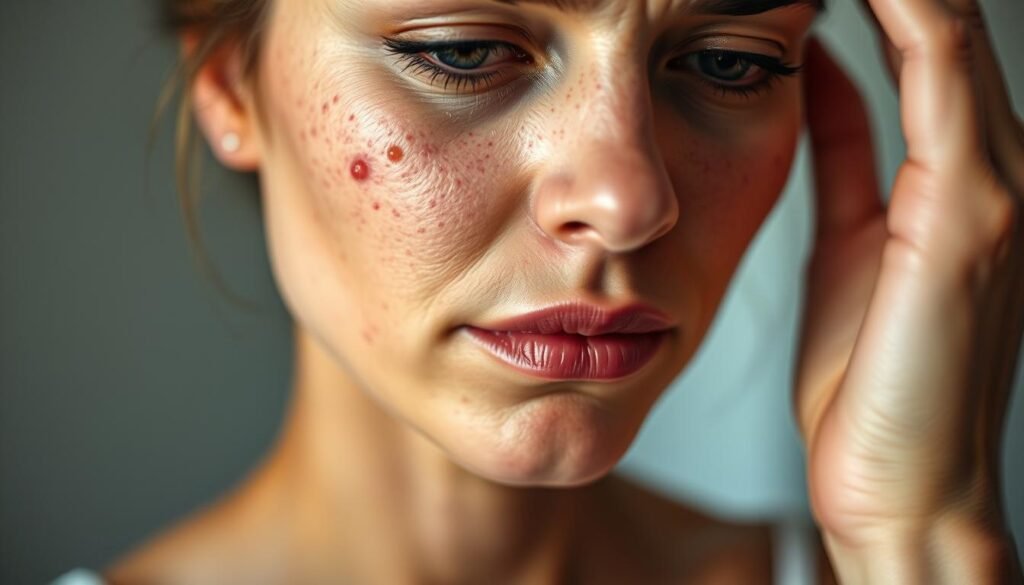
Can a gentle routine truly clear breakouts without stripping your skin? That question matters if you want results that feel comfortable and last.
Start simple. Board-certified dermatologists often recommend gentle, proven over-the-counter actives like adapalene, azelaic acid, salicylic acid, and low-strength benzoyl peroxide (2.5%). Apply a thin layer across acne-prone areas rather than spot treating only visible pimples.
Expect fewer breakouts in 4–8 weeks and clearer skin by about 16 weeks when you use products consistently as directed. If you have deep, painful nodules, scarring, or dark marks, see a dermatologist for a tailored plan instead of relying on home remedies.
What you’ll get in this guide: a gentle, step-by-step plan that respects your skin barrier, ingredient guidance, layering tips for comfort and hydration, and signs that professional care is wise.
Understanding Adult Acne After 35 and Why Your Skin Needs a Gentler Plan
Flare-ups after your thirties can reflect a mix of oil shifts, slower cell turnover, and product irritation.
Your skin often becomes drier and more reactive with time, so the harsh routines that once worked may now cause redness and more breakouts. Excess sebum plus sticky debris can clog pores and form blackheads, whiteheads, papules, or pustules along the face and jawline.
Hidden triggers matter. Heavy hair products and occlusive creams can migrate and block hair follicles. Bacteria in pores add fuel to inflammation, but the underlying condition is usually oil production, clogged follicles, and your unique skin biology.
Genetics and hormones also play roles for many people, so acne can appear even when you follow healthy habits. That’s why a barrier-friendly plan works better than aggressive, short-term fixes.
- Use gentle, non-irritating products and avoid overly stripping steps.
- Watch for product migration from hair or heavy moisturizers.
- See a dermatologist if the condition persists or causes distress.
Identify Your Breakouts Before You Treat Them
Knowing whether a bump is a closed clog, an inflamed papule, or a deep cyst will save weeks of guesswork.
Types of lesions matter. Blackheads are open clogged pores that look dark on the surface. Whiteheads are closed clogs that sit under the skin. Papules are small, tender bumps; pustules are similar but contain visible pus.
Deep cysts and nodules feel painful and sit below the surface. Mild cases often include blackheads, whiteheads, and small pimples. Moderate flare-ups add more papules and pustules. Severe disease can scar if left untreated.
Signs of hormonal patterns
If breakouts cluster along the jaw and chin and flare with your cycle, this pattern often points toward hormonally influenced adult acne. These lesions tend to be cyst-like and tender.
Adult acne versus rosacea
Rosacea bumps are smaller, come with flushing and steady redness, and flare in cycles. Treating rosacea like acne can worsen irritation.
- Map your face: issues near the hairline can mean product transfer from hair or collars.
- Track timing and products to spot triggers and bacteria-driven flares.
- See a dermatologist for deep cysts, scarring, or persistent dark spots so treatment matches your diagnosis.
How to Treat Adult Acne After 35 the Skin-Friendly Way
Choose low‑irritation actives and a short routine for steady improvement without stripping moisture.
Morning routine: Cleanse with a gentle face wash, apply a thin layer of your chosen active (for example, 2.5% benzoyl peroxide or salicylic acid on oily zones), then follow with a lightweight moisturizer and broad‑spectrum SPF.
Evening routine: Double cleanse if you wear makeup or sunscreen. Use adapalene or azelaic acid as your nightly active. Finish with a barrier‑first moisturizer; apply moisturizer first on very sensitive spots as a buffer against side effects.
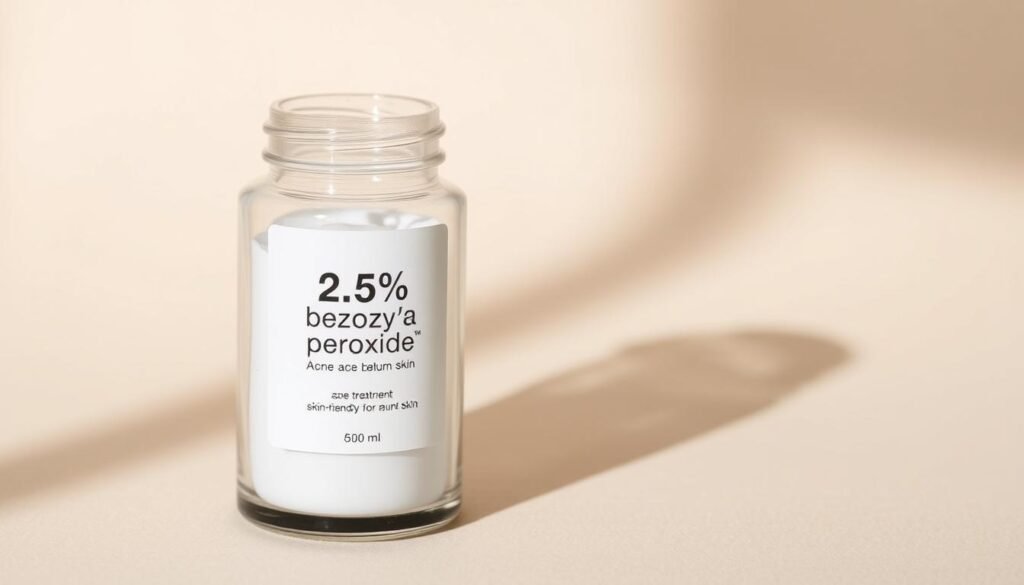
“Start with one active ingredient and give your skin time to respond—consistency beats rapid product changes.”
- Pick one active at a time and use the thin‑layer method over acne‑prone zones, not just spot dabbing.
- Begin every other night, then build frequency as your skin tolerates to reduce dryness and peeling.
- Expect fewer breakouts in 4–8 weeks and clearer skin by about 16 weeks with steady use.
- Note: Benzoyl gels at 2.5% often cut bacteria while limiting irritation; peroxide can bleach fabrics.
- Keep routines simple: cleanser, targeted treatment, moisturizer, SPF. Add extras only if needed.
When You Need More Than OTC: Dermatologist‑Guided Treatments
Persistent breakouts or stubborn dark marks often signal the need for prescription care guided by a dermatologist. A clinician evaluates your skin, maps lesion types, and balances benefit with possible side effects before starting stronger options.
Topical prescription options can include prescription retinoids and clascoterone, a topical anti‑androgen that calms oil at the skin level. These choices aim to clear pores and reduce inflammation without needless drying.
Targeted hormonal approaches
For women with hormonally driven patterns, oral contraceptives or spironolactone may reduce androgen signaling and improve the condition over months. Your dermatologist will review risks and monitoring needs.
Short‑term antibiotics and combos
Systemic antibiotics, including sarecycline, are used briefly to quiet bacteria and inflammation while topical regimens are established. They are paired with topical treatment to avoid long‑term use.
Severe cases and procedural options
For severe acne or scarring, isotretinoin remains a powerful option under close supervision. Your provider may add in‑office light or laser treatments to speed healing and improve texture.
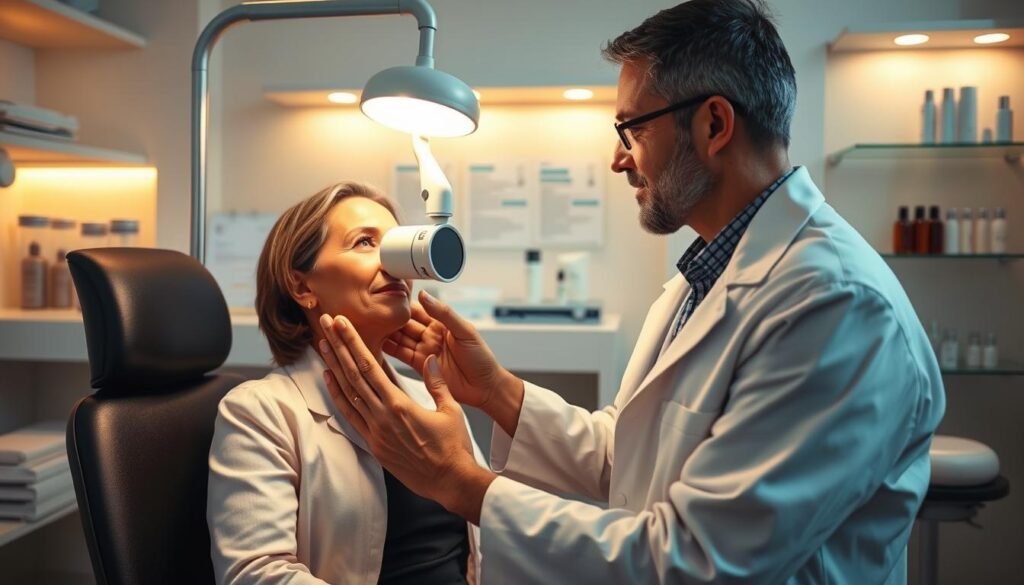
“The goal is the right treatment at the right time, combined with smart daily care to keep results.”
- If over‑the‑counter steps fail, a dermatologist can design a tailored plan.
- Professional care treats inflammation, fades dark spots safely, and minimizes unwanted effects.
- Your clinician will weigh dose, duration, and monitoring so you avoid unnecessary medication runs.
Keep Your Skin Clear Without Drying It Out
Small lifestyle shifts can cut flare-ups while keeping your skin comfortable and hydrated.
Start with what touches your face and body most. Choose non‑comedogenic hair and skin products and avoid heavy oils, pomades, and thick leave‑ins that can migrate and clog pores along the hairline.
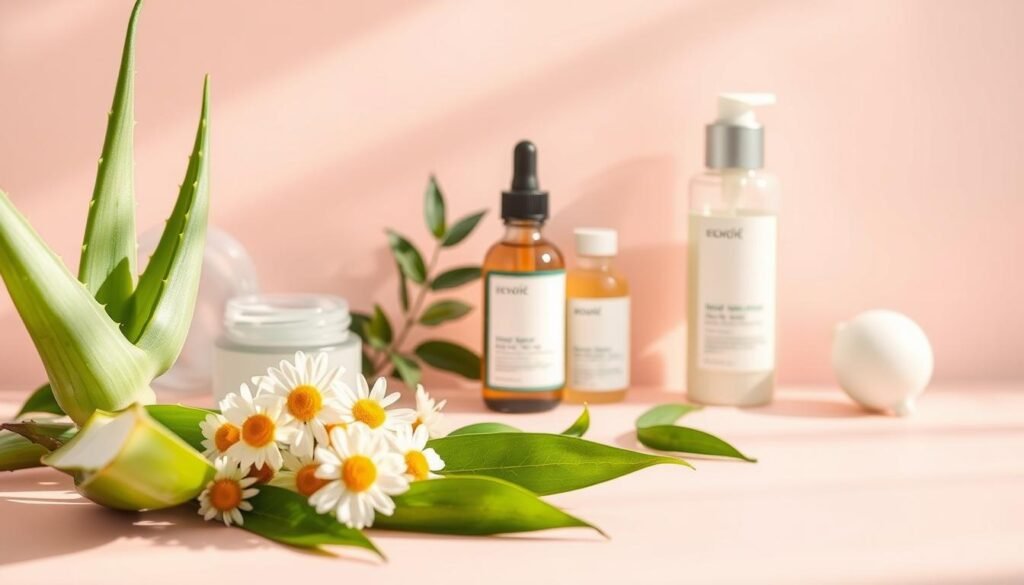
Choose non‑comedogenic hair and skin products to protect pores
Check ingredient lists and pick light formulas labeled non‑comedogenic. Rinse shampoo and conditioners from the body after washing, and keep hair off your face during workouts.
Manage stress, sleep, and environment to reduce flare‑ups
Stress and poor sleep can raise cortisol and oil production. Prioritize rest, limit smoke and pollution exposure, and use gentle cleansing after sweating to protect hair follicles and skin cells.
Diet notes: high glycemic foods and dairy may worsen breakouts for some
Some people notice fewer breakouts after reducing high glycemic foods or cow’s milk. Small, sustainable changes can lower your risk without a major diet overhaul.
Body acne basics: back, chest, and shoulders need tailored care
Body bumps often appear on the back, chest, shoulders, and upper arms. Use gentle cleansers, lightweight lotions, and breathable fabrics. Wash workout gear often and rinse away hair product residue that can irritate follicles.
- Keep hair off the face and rinse sweat promptly to protect pores.
- Moisturize daily with a lightweight lotion so topical treatment stays tolerable.
- Seek professional care if bumps are painful, severe, or leave scars.
Common Mistakes That Trigger More Breakouts
Small routine mistakes often spark bigger breakouts than the products themselves. You want clearer skin, but some habits cause more harm than good.
Overwashing and harsh scrubs strip oils and damage the barrier. That invites irritation and lets bacteria worsen blemishes. Washing more than twice a day or using gritty exfoliants can increase side effects and the negative effects on your skin.
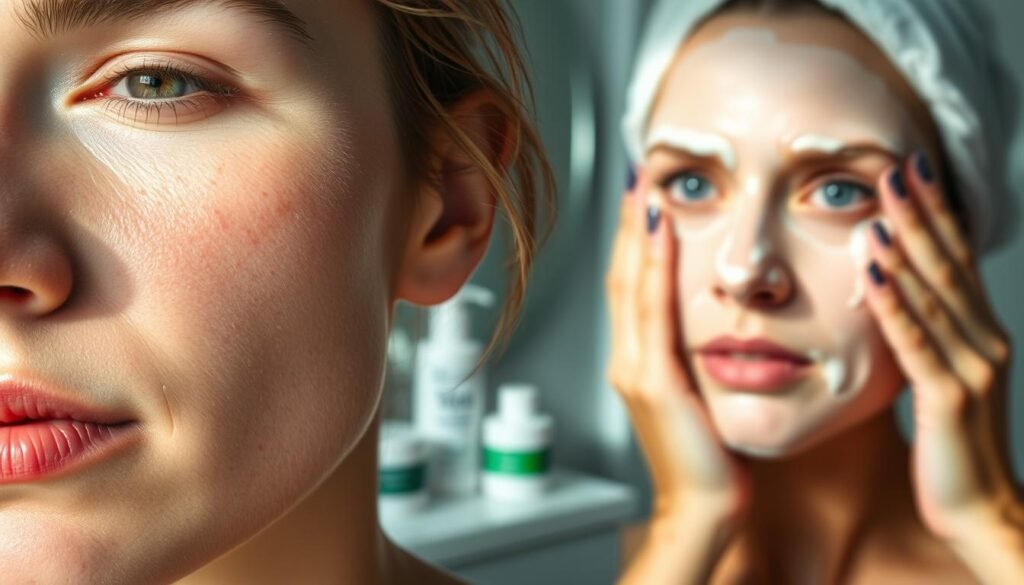
Toothpaste myths and quick flips are common. Whitening agents and baking soda sting and cause redness. Don’t jump from product to product after a few days; give a proven acne treatment enough time.
- Less is more: use a thin layer of actives over pore‑prone zones instead of constant spot dabbing.
- Avoid nightly mixes of salicylic acid, benzoyl formulas, and retinoids; layering can backfire.
- Peroxide-based spot sticks help bacteria control, but they need time—consistency beats instant fixes.
- If your skin gets tight, itchy, or flaky, scale back and rebuild frequency slowly.
Conclusion
A patient, barrier‑first approach gives your skin the best chance to recover while targeted treatments work beneath the surface.
Treat your skin kindly and stay consistent. With proven actives, many people note fewer breakouts in 4–8 weeks and clearer skin by about 16 weeks.
If over‑the‑counter steps don’t help, partner with a dermatologist for prescription options, short‑term antibiotics, hormonal choices for women, or in‑office therapy such as light procedures.
Keep choosing non‑comedogenic products, protect the barrier, and adjust small habits that lower your risk of new blemishes. Be patient—steady, simple care beats quick fixes for lasting skin health.
FAQ
What causes persistent breakouts in your 30s and 40s?
Hormones, clogged hair follicles, and inflammation drive many cases. Fluctuations from menstrual cycles, stress, or thyroid issues can raise oil production. Dead skin cells and bacteria then plug pores, creating blackheads, whiteheads, papules, pustules, or deep cysts. Aging skin also thins and loses barrier function, so irritation from products can worsen flare-ups.
Can you use benzoyl peroxide without over-drying your skin?
Yes—use a lower concentration like 2.5% and apply a thin layer to acne-prone zones rather than heavy spot treatment. Pair it with a gentle, non-comedogenic moisturizer and start every other night. That limits irritation while keeping bacteria in check. If redness or peeling occurs, buffer with a moisturizer before the active.
Which over-the-counter actives are safe and effective for mature skin?
Salicylic acid exfoliates inside pores, azelaic acid calms inflammation and fades dark spots, adapalene (a topical retinoid) normalizes cell turnover, and low-strength benzoyl peroxide targets bacteria. Use one active at a time, introduce slowly, and protect your skin barrier with routine hydration and SPF.
When should you see a dermatologist for severe or scarring breakouts?
Book a visit if lesions are painful, cystic, widespread, or leaving scars or dark spots. Also see a dermatologist if OTC steps haven’t cut breakouts after 8–12 weeks. A clinician can prescribe topical retinoids, clascoterone, oral options like spironolactone or sarecycline, or discuss isotretinoin and in-office procedures like light and laser therapy.
Are hormonal treatments effective for women with adult breakouts?
Yes. Combined oral contraceptives and spironolactone reduce androgen-driven oil production and can significantly reduce breakouts for many women. These require medical assessment for risks and monitoring, so discuss options with your dermatologist or primary care clinician.
How long before you see real improvement from a new regimen?
Expect fewer new lesions within 4–8 weeks, with clearer skin often by 12–16 weeks. Prescription retinoids and oral therapies may take several months. Stick with a consistent routine and avoid switching products too quickly.
What’s the best daily routine that won’t dry out your face?
In the morning, cleanse gently, apply targeted actives as needed, moisturize with a barrier-friendly non-comedogenic cream, and finish with SPF. At night, double-cleanse if you wear makeup or sunscreen, use your chosen active (retinoid or salicylic/acne treatment), and follow with a hydrating moisturizer to support repair.
How can you reduce side effects like redness and peeling?
Start slowly—apply actives every other night or use the “sandwich” method: moisturizer, active, then moisturizer. Use a fragrance-free, ceramide-rich moisturizer and avoid harsh scrubs. If irritation persists, pause the active and consult your dermatologist for alternate dosing or prescription formulations.
Can antibiotics still play a role in care?
Short-term oral antibiotics can reduce inflammation and bacteria while you wait for slower-acting treatments to work. Newer options like sarecycline are designed for acne with a narrower spectrum. Long-term use isn’t recommended because of resistance; dermatologists typically combine antibiotics with topical therapies and limit duration.
How do you handle post-inflammatory hyperpigmentation and dark spots?
Azelaic acid, topical retinoids, niacinamide, and sunscreen help fade marks safely. Chemical peels and certain lasers can speed results but need a pro’s evaluation. Avoid picking lesions, which increases the risk of darker spots and scarring.
What mistakes commonly make things worse?
Overwashing, aggressive scrubs, and stacking multiple strong actives at once often damage the barrier and trigger more breakouts. Product-hopping before a treatment has time to work also prevents progress. Keep routines simple, consistent, and skin-barrier focused.
Should you change hair and body products if chest or back acne flares?
Yes. Choose non-comedogenic shampoos, conditioners, and body lotions. For body acne, use salicylic acid washes or benzoyl peroxide washes administered gently, and avoid tight, friction-causing clothing that traps sweat and oil.
Do lifestyle factors like diet and stress impact flare-ups?
They can. High-glycemic foods and dairy worsen symptoms for some people, while poor sleep and chronic stress influence hormones and inflammation. Managing stress, improving sleep, and noting dietary triggers can help reduce frequency and severity of breakouts.


