
Have you ever wondered why nights feel different after your mid-30s? That shift often starts with your body’s master clock—the suprachiasmatic nucleus in the hypothalamus—which sets circadian timing for melatonin, cortisol, growth hormone, and metabolic signals.
The mix of slow-wave rest and REM shapes hormone pulses through the night. When sleep shortens, studies show leptin drops, ghrelin rises, evening cortisol climbs, and glucose handling worsens. Those changes can push appetite up by roughly 220 extra calories a day and raise long-term risk for weight gain and insulin problems.
In this article you’ll learn how timing and levels shift after 35, which signals matter most, and practical steps to realign your rhythm. Expect a simple seven-day reset, light, meal, and movement tips, plus guidance for when to seek medical testing.
Why Your Sleep Changes After 35
After your mid-30s, the architecture of nighttime rest shifts, leaving deep stages shallower and awakenings more common.
The result is that time in bed can feel less restorative even when duration looks the same.
The shift in deep rest and energy needs
Slow-wave intensity drops with age, which reduces the big growth hormone pulse that follows sleep onset.
This change blunts overnight repair and can lower daytime energy and recovery.
How aging, stress, and lifestyle reshape endocrine balance
Night awakenings trigger cortisol spikes that make it harder to fall back asleep.
- Less deep rest → lighter, more fragmented nights.
- Shortened duration or irregular schedules → lower leptin, higher ghrelin, more hunger.
- Evening light, late meals, and caregiving pressure shift circadian timing and disrupt steady regulation.
Small changes—earlier dinners, dimmer lights, and a consistent bedtime—help restore deeper stages and better morning energy.
Sleep and Hormones
The hours you spend unconscious control pulses of repair, appetite, and stress signals.
Your nightly routine sets two core processes: homeostatic drive (Process S) and circadian timing (Process C). Together they shape when growth hormone peaks during deep slow-wave rest, while melatonin rises through a brain-to-pineal pathway that marks biological night.
- Repair pulses: GH levels surge after sleep onset during SWS to support tissue repair.
- Night signal: Melatonin aligns the sleep-wake cycle so you fall asleep faster, then stay asleep.
- Stress curve: Cortisol climbs late night toward morning and spikes with awakenings, raising morning stress load.
- Appetite shift: Leptin rises overnight, ghrelin drops in the second half so you don’t wake hungry.
- Metabolic impact: Losing rest reduces insulin sensitivity and worsens HOMA responses by daytime.
Quality and duration both matter. Protecting a steady nightly routine supports endocrine regulation that keeps your mood, metabolism, and appetite more stable as you age.
Meet Your Body’s Clock: Circadian Rhythm, Light, and Timing
Your internal clock sits in the anterior hypothalamus and sets a daily schedule that helps you feel alert in daylight and restorative by night. The SCN uses canonical clock genes—PER, CRY, CLOCK, BMAL1—to pulse signals that sync tissues across the body.
SCN 101: How your brain sets the daily rhythm
The SCN reads retinal light input to set a 24-hour pattern. It sends neural cues and hormonal signals to peripheral clocks in liver, muscle, and fat.
Why it matters: those peripheral clocks control how you process glucose and fats at different times of the day.
Morning light, evening light, and melatonin release
Bright outdoor morning light anchors your clock; this boosts daytime alertness and sharpens the timer for melatonin at dusk. Evening screens or bright bulbs delay melatonin release, which pushes your biological night later and makes it harder to fall asleep on schedule.
Shifted schedules, jet lag, and circadian disruption
When schedules rotate or you cross time zones, central and peripheral clocks fall out of sync. Studies show reversed melatonin and cortisol rhythms; glucose and lipid regulation worsens, and clock gene rhythmicity blunts.
- Fixable steps: consistent wake time, morning outdoor light, timed meals, brief daytime exercise.
- Small, repeatable cues over days restore a predictable rhythm and improve sleep quality.
Inside a Night’s Sleep: SWS, REM, and Hormone Release
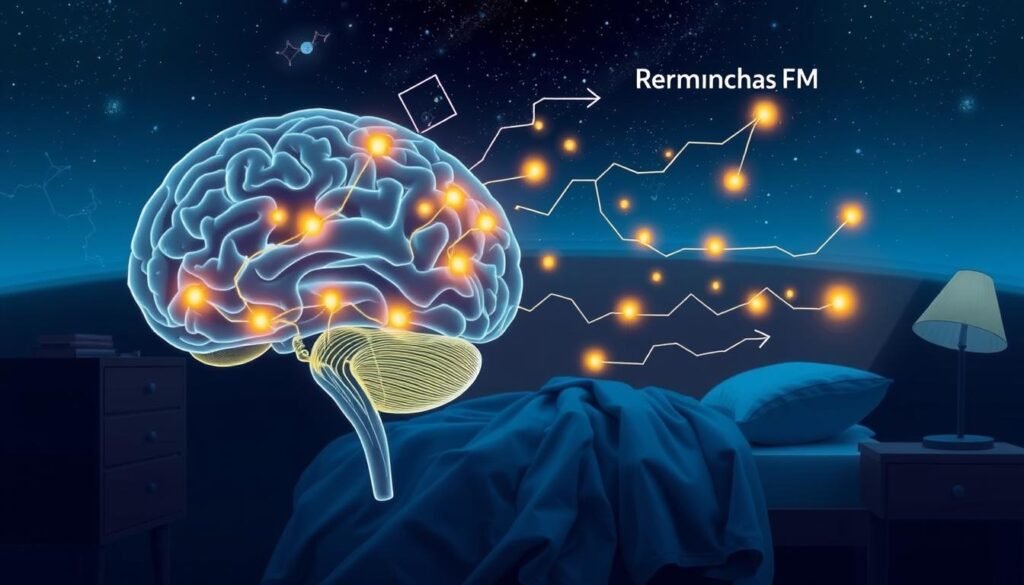
Across a single night, body systems alternate between intense repair and lighter processing, each with its own chemical signature.
Slow-wave repair and growth pulses
Your deepest stage drives major recovery. During early rest, growth hormone surges with intermittent pulses tied to SWS cycles. These pulses peak shortly after sleep onset and support tissue repair and metabolic reset.
PET scans show glucose uptake falls about 30–40% in SWS versus waking or REM. Protecting the first cycle—by avoiding caffeine, heat, and noise—boosts those repair signals.
REM, awakenings, and cortisol responses
Later in the night REM rises and supports memory and emotion processing. Awakenings during REM or light stages often trigger cortisol spikes.
“Micro-awakenings stack stress and blunt the biggest repair signals you normally get early in the night.”
High cortisol levels with repeated arousal make it harder to re-enter deep restoration. Infusion studies show cortisol can modulate both SWS and REM through CRH feedback, so fragmentation shifts your balance toward stress.
- Early night: SWS + growth hormone, lower cortisol.
- Late night: More REM, rising cortisol levels.
- Practical tip: Keep the bedroom cool and avoid heavy late meals or alcohol to preserve deep cycles.
Melatonin: Setting Your Sleep-Wake Cycle
Melatonin acts as your darkness signal, telling the body when biological night begins and helping you fall in line with a regular sleep-wake cycle.
Darkness, pineal signaling, and the biological night
The SCN sends a chain of signals via the PVN, spinal cord, and superior cervical ganglion to the pineal gland. This pathway drives nightly melatonin release. Its levels rise after dusk to mark the biological night.
This timing supports repair, appetite balance, and circadian regulation.
What suppresses melatonin
Evening light and screens blunt melatonin output, which delays your ability to nod off. Certain beta-blockers lower natural levels and can impair rest unless discussed with your clinician.
Sustained-release or transdermal melatonin can shorten sleep latency and improve maintenance when timed correctly. Pay attention to dose and duration for best results.
- Practical tips: dim screens 60–90 minutes before bed.
- Use blackout curtains or a sleep mask to block ambient glow.
- Pair morning outdoor light with consistent meals to reinforce nightly melatonin rise.
Cortisol Levels: Morning Peaks, Nighttime Quiescence
Cortisol follows a daily pattern that helps you wake sharp and stay calm overnight. The typical curve shows a low evening, quiet overnight period, then a quick rise near morning to fuel alertness.

When you fall asleep, onset briefly suppresses this stress hormone. Small awakenings, however, trigger clear cortisol pulses.
Repeated night arousals or irregular bedtimes add extra spikes. Over time, sleep debt pushes evening cortisol higher and delays the return to low levels. That shift raises tiredness, cravings, and perceived stress the next day.
Practical tips to limit cortisol surges
- Keep a steady bedtime and firm wake time to anchor the cortisol awakening response.
- Wind down each evening to let levels drop into their quiescent window; avoid late heavy meals or alcohol.
- If you wake, stay in a dark, cool, screen-free space to reduce further pulses.
Over weeks, these habits sharpen the daily rhythm. A crisper cortisol pattern supports better energy, mood, and uninterrupted rest duration.
Growth Hormone: Why Deep Sleep Matters More After 35
The earliest hours of rest deliver a concentrated burst of growth that fuels tissue repair and metabolic reset.
That big growth hormone pulse hits shortly after you enter deep slow-wave stages. As you pass 35, those stages shrink, so nocturnal levels fall and overnight repair slows.
Experimental work shows boosting slow-wave activity strengthens slow oscillations and raises GH pulses. In short, more deep time means stronger repair signals.
- Protect deep stages: a cool bedroom, earlier dinner, and less alcohol deepen rest so GH pulses are larger.
- Limit late caffeine and bright screens: these flatten deep cycles and reduce overnight growth release.
- Keep a routine: steady bed and wake times help you reach slow-wave sooner and more predictably.
- Train earlier: resistance work in the day improves sleep depth and primes robust nocturnal growth.
GH helps glucose, lipid, and protein metabolism, so preserving deep stages can improve energy and body composition. If you wake often, focus on noise control and temperature to protect those repair windows.
The payoff: better morning recovery, clearer thinking, and steadier performance when you prioritize deep rest for stronger growth release.
Leptin and Ghrelin: Appetite, Energy, and Midnight Munchies
Short nights tilt your appetite controls, making snacks feel urgent even when your plate was full earlier.

When you build sleep debt, studies show leptin falls about 18% while ghrelin rises roughly 24–28%. That change drives near a 24% jump in reported hunger and a 23% higher appetite for high-carb options.
- Satiety drops: lower leptin means you feel less full after meals.
- Cravings climb: higher ghrelin targets sugary, high-GI snacks.
- Extra calories: short nights add ~220 kcal/day from snacks, which leads to slow weight gain.
- Practical fixes: a protein-forward breakfast, fiber-rich meals, good hydration, and gentle morning activity blunt rebound hunger.
- Track patterns: logging your rest and snacks helps you spot links between short nights and cravings.
Restore one extra hour and you may notice cravings ease while energy steadies across the day.
Insulin, Glucose, and Metabolic Health While You Sleep
Across a typical night, glucose tolerance is not constant — it worsens early and improves as morning approaches. This rhythm links deep repair pulses, growth factor shifts, and circadian timing.
Evening-to-morning shifts in sensitivity
Early night features lower insulin sensitivity as growth factor activity and reduced muscle use can raise transient glucose levels.
By morning, GH subsides and low evening cortisol helps insulin work better, so glucose handling improves toward wake time.
How curtailed rest worsens metabolic response
Short or fragmented sleep reduces insulin sensitivity the next day. Controlled trials show worse HOMA scores even when calories are steady.
- Cell studies reveal reduced Akt phosphorylation with brief restriction, which weakens insulin signaling.
- Circadian disruption from a misaligned SCN changes hepatic glucose output and alters glucose homeostasis.
- Wearing a CGM often shows higher variability after short nights — useful feedback to tighten routines.
Practical steps: keep dinners earlier and lighter, fix a steady wake time with morning light, and add resistance training or brisk walks to boost glucose disposal when rest is imperfect.
From Sleep Debt to Weight Gain: The Metabolic Chain Reaction
When your nightly rest shortens, hidden snack calories quietly stack up and reshape body composition.
Short-term studies show adults with restricted rest ate about 220 extra snack kilocalories per day over two weeks while main meals stayed the same. That surplus adds up fast and drives slow weight gain without obvious changes to portion sizes.

Snack calories, high-GI cravings, and late-night eating
You feel hungrier and prefer high-GI, ultra-palatable foods when leptin falls and ghrelin rises. Brain scans reveal stronger reward responses to junk food and weaker activity in control regions after rest loss.
Late-night eating also delays melatonin, fragments rest, and worsens next-day glucose and insulin control. This creates a loop: poor rest → more grazing → worse metabolic signals → poorer rest.
Visceral fat, triglycerides, and cardiometabolic risk
Long-term data link short nightly duration with greater visceral adipose tissue over six years. Both very short (9 h) profiles predict more organ fat; moving from short to average nights reduces that risk.
“Hidden snack calories, not bigger meals, explain much of the slow weight gain seen with chronic rest loss.”
- Key point: sleep debt produces a calorie surplus mainly from snacks.
- You are drawn to high-carb, rewarding foods at night when appetite control weakens.
- Over years this pattern raises visceral fat and triglyceride risk even if the scale barely changes.
- Simple fixes—earlier dinner, a kitchen-closed time, and a calm evening routine—cut grazing windows and protect glucose levels.
Practical tip: improving nightly rest by 45–60 minutes often lowers snack intake and helps keep your weight trajectory steady.
Women After 35: Hormone Fluctuations, Perimenopause, and Sleep
Changes in estrogen and progesterone around midlife often make nights warmer and more fragmented. Hot flashes and unexpected awakenings are common during perimenopause and can cut into restorative rest. That fragmentation raises morning cortisol, which may further disturb sex-hormone balance and slow thyroid activity—affecting metabolism and daytime energy.
Estrogen, progesterone shifts, hot flashes, and awakenings
Fluctuating levels can trigger vasomotor events that wake you suddenly. Each arousal raises stress signals and makes it harder to return to deep stages. Over time, those repeated interruptions increase daytime fatigue and appetite changes.
Protecting nightly quality to stabilize daytime energy
- Cool the room and use breathable bedding to reduce heat-related awakenings.
- Keep an early, lighter dinner and limit alcohol to improve continuity and reduce vasomotor triggers.
- Build a steady wind-down routine to lower arousal so you can fall back asleep after a flash.
- Morning light and strength training deepen rest and support metabolic health through midlife.
- Consider CBT-I for persistent insomnia; discuss menopausal hormone therapy with your clinician when symptoms affect daily life.
Track your nights, symptoms, and cycle changes to spot triggers and time interventions. Protecting this part of your routine pays off with steadier mood, sharper focus, and more consistent energy during the day—key elements of long-term health.
Duration and Quality: How Many Hours Per Night Do You Need?
Protecting the first half of the night preserves the repair phases that power recovery and glucose control.
Most adults do best with 7–9 hours of nightly rest. That range supports enough REM and slow-wave time for recovery and steady metabolic levels.
You cannot fully repay weekday loss on weekends. Chronic partial restriction raises risk even when you try to catch up later.
If total time looks fine yet you wake unrefreshed, focus on quality. Light, noise, late stimulants, and room heat commonly cut deep stages.
- Aim for a consistent wake time to stabilize your duration across the week.
- Track two weeks of nights to find true averages and gaps between time in bed and time asleep.
- If you sleep under six hours regularly, prioritize simple routine fixes before adding complex gadgets.
- Small gains—30–45 minutes more—often improve energy and appetite control.
Practical tip: favor earlier dinners, a cool bedroom, and a caffeine cutoff six to eight hours before bed to improve both duration and quality.
Light, Meals, and Movement: Daily Levers to Regulate Your Rhythm
What you do in the first hour after waking has outsized effects on how your body schedules night-time repair. Simple timing choices set the central clock, shape appetite signals, and affect nocturnal glucose handling.
Morning light and timing your first meal
Get outdoor light within 30–60 minutes of waking to sync the SCN and boost daytime alertness. This anchor also primes melatonin to rise at the proper time later.
Wait 1–3 hours for your first meal to reinforce that signal. A protein-forward breakfast stabilizes appetite and supports steady energy through the day.
Evening light hygiene and late-night eating
Dim warm lights after dusk and use screen filters to protect nocturnal melatonin. Finish dinner 3–4 hours before bed; late meals can delay your cycle and worsen overnight glucose regulation.
A short post-dinner walk helps clear blood sugar and reduces the urge to snack before bed. Limit caffeine 6–8 hours before your intended rest time. Alcohol may speed onset but often fragments deep stages, so finish early and keep amounts small.
“Stack these habits consistently for 7–10 days to feel a real shift in your daily rhythm and daytime energy.”
- Quick checklist: morning outdoor light, delay first meal 1–3 hours, dim evenings, cut late eating, move earlier in the day.
- These small, repeatable cues improve duration, glucose control, and appetite regulation when you use them together.
Evidence-Backed Sleep Strategies to Improve Hormone Balance
Regular cues at night help your physiology shift toward repair rather than arousal.
Why this matters: deep slow-wave stages boost growth pulses and lower cortisol. Brief awakenings trigger stress spikes that raise morning cortisol levels and disrupt metabolic response. Evening light and late caffeine blunt melatonin and reduce slow-wave activity, so timing and environment are key.
Consistent schedule, wind-down routine, and bedroom setup
Set a firm wake time and build a 60–90 minute wind-down to lock a steady clock your body trusts.
Make the room cool, dark, and quiet to cut awakenings and support deeper stages. Use blackout curtains and white noise to block light and sound that can trigger cortisol pulses.
Targeting deep stages: temperature, caffeine, and noise
- Cut caffeine by early afternoon to protect slow-wave activity and improve early-night restoration.
- Keep screens out of the bedroom; use blue-light filters and a screen curfew before bed.
- Plan workouts earlier; if late is unavoidable, pick lower intensity with a longer cool-down to avoid arousal at night.
- Adjust sleepwear and bedding to stay cool through the first half when SWS is dominant; this improves sleep efficiency and hormone levels.
Track small wins: fewer awakenings, faster onset, and steadier daytime energy. Studies show that better duration and quality lead to improved metabolic markers within weeks, so stick with changes for real benefit.
When to Seek Help: Testing, CBT-I, and Medical Support
When basic habits don’t restore steady rest, a clinician can help identify hidden causes. Early evaluation prevents a slide into worse daytime tiredness and metabolic strain.
Screening for common disorders and metabolic red flags
Talk to a clinician if you have trouble falling or staying asleep at least three nights a week for three months or more. That pattern often needs more than self-help.
- CBT-I: the first-line, non-drug treatment that improves sleep efficiency and reduces chronic insomnia symptoms.
- Sleep apnea screen: ask if you snore, gasp, or wake unrefreshed; untreated apnea fragments rest and strains the heart.
- Metabolic tests: persistent issues plus weight gain or increased waist size merit fasting glucose, HbA1c, lipids, and blood pressure checks.
- Other causes: restless legs, circadian rhythm disorders, or medications that alter melatonin should be reviewed — bring a full med list.
“Early intervention speeds your return to restorative nights and protects long-term health.”
If mood or anxiety co-occur, integrated care improves both nighttime rest and daytime function. Avoid long-term sedative reliance; target root causes with behavioral and medical strategies. Use wearables and a sleep log to show patterns to your clinician and guide treatment plans.
Your Seven-Day Reset: A Practical Playbook
Start this week by locking in a reliable wake time and using daylight as your anchor. Small, focused steps across seven days shift circadian cues, blunt cravings, and rebalance stress signals that affect appetite and nightly restoration.
Day-by-day rhythm tune-up for cortisol, melatonin, and appetite
- Day 1–2: Fix your wake time. Within 10–20 minutes of rising, get outdoor light for at least ten minutes. Set a caffeine cutoff eight hours before bed to protect early-night recovery.
- Day 3: Move dinner an hour earlier. Add a 10-minute walk after the meal and switch screens to warm/dim after sunset to support melatonin onset.
- Day 4: Dial in the bedroom: cooler temp, blackout curtains, and steady white noise. Draft a 30-minute wind-down you can repeat nightly.
- Day 5: Add a morning walk or light strength session to reinforce the cortisol peak that helps daytime alertness and builds evening drive for rest.
- Day 6: Keep meals consistent and close the kitchen early. Avoid late snacks to reduce next-day appetite spikes tied to disrupted signals.
- Day 7: Review your data—time asleep, awakenings, and how energy and cravings shifted this week. Note changes in levels of hunger and daytime focus.
Throughout the week, if you have a short night, favor protein and fiber the next day and get extra morning light to counter cravings. Protect the first half of the night by limiting alcohol and heavy meals to maximize deep restoration and growth release.
Keep momentum: schedule your wind-down, lay out sleep gear, and repeat this cycle until the routine feels natural and your daytime appetite steadies.
Conclusion
When your nights follow a pattern, the body times repair, appetite, and stress signals with greater precision.
This leaves you with a strong, practical playbook. Small, repeatable cues—timed light exposure, earlier meals, regular movement, and a calm wind‑down—help restore melatonin signaling, growth pulses, and quiet overnight cortisol. Over days you should see fewer awakenings, steadier energy, and reduced cravings.
If problems persist, get evaluated for apnea, circadian shifts, or metabolic issues. Track progress: note time asleep, awakenings, and daytime focus. Protect the first half of the night to secure slow‑wave repair; keep a steady wake time to lock a reliable circadian rhythm for better long‑term health.
FAQ
Why does sleep change after age 35?
Hormone rhythms shift as you age. You may get less deep restorative sleep and more awakenings because growth hormone pulses shrink, cortisol patterns shift, and melatonin production can fall. Lifestyle factors like stress, late-night light exposure, and irregular schedules make these changes more obvious.
How does reduced deep sleep affect recovery and weight?
Deep slow-wave stages drive growth hormone release that supports tissue repair and metabolic balance. When that time shrinks, you lose some recovery and insulin sensitivity, raising the risk of weight gain and higher post-meal glucose.
What role does melatonin play in nightly rhythm?
Melatonin signals your biological night and helps you fall asleep. Light at night—especially screens—suppresses its release, delays the internal clock, and fragments your rest, which in turn alters cortisol and appetite hormones.
Can cortisol spikes at night harm your sleep and health?
Yes. Nighttime awakenings or poor timing of sleep can trigger cortisol pulses. Higher evening cortisol interferes with falling back to sleep, increases evening glucose, and worsens appetite signaling the next day.
How do leptin and ghrelin change with poor rest?
Sleep debt lowers leptin (satiety) and raises ghrelin (hunger), so you crave calorie-dense foods and snack more at night. That pattern promotes visceral fat gain and worsens metabolic health over time.
How does short or fragmented sleep affect insulin sensitivity?
Even a few nights of curtailed rest reduce insulin sensitivity, especially in the evening-to-morning window. That makes glucose control harder, increases triglycerides, and raises long-term cardiometabolic risk if it becomes chronic.
Are women uniquely affected after 35?
Many women face estrogen and progesterone fluctuations during perimenopause. Hot flashes and night sweats disrupt sleep architecture, which amplifies daytime fatigue and makes hormonal regulation of appetite and glucose more fragile.
How many hours should you aim for to protect hormones?
Most adults benefit from consistent nightly duration that allows adequate deep and REM stages—generally 7 to 9 hours for many people. Quality matters: uninterrupted cycles support growth hormone, melatonin, and cortisol patterns better than fragmented sleep.
What practical habits protect your internal clock?
Morning bright light, regular meal timing, and daytime activity anchor circadian timing. In the evening, reduce blue-light exposure, avoid late heavy meals, and keep a calm wind-down routine to support melatonin and lower nighttime cortisol.
Can targeting deep sleep improve hormone balance?
Yes. Strategies that boost slow-wave sleep—consistent bedtimes, limiting late caffeine, and keeping a cool bedroom—help restore growth hormone release and metabolic repair. Small changes often produce measurable benefits.
When should you see a clinician or sleep specialist?
Seek help if you have persistent insomnia, loud snoring, daytime sleepiness, frequent night sweats, or metabolic concerns like worsening glucose. Testing and treatments such as CBT-I, CPAP, or hormone-related evaluation can be appropriate.
How fast can a seven-day rhythm reset help hormones?
A focused week with regular wake times, morning light, reduced evening light, timed meals, and better sleep hygiene can shift melatonin timing, lower evening cortisol, and reduce next-day hunger—often within days, with clearer benefits over weeks.