
What if the solutions to common health concerns were already in your home? Modern science is now confirming what ancient traditions have known for centuries—plant-based treatments can offer real benefits. From soothing skin irritations to easing pain, these methods blend time-tested wisdom with clinical research.
Take turmeric, for example. Used in Ayurvedic medicine for over 4,000 years, studies now highlight its ability to reduce inflammation. But safety matters too. Not every oil or herb works the same for everyone.
This guide explores 18+ home remedies, from essential oils to pantry staples. Whether you’re tackling muscle cramps with pickle juice or brightening your body with simple ingredients, we’ll show you what works—and why.
Introduction to DIY Natural Remedies
45% of Americans now turn to complementary health approaches, blending tradition with modern science. The NIH invests over $150 million yearly to study plant-based solutions, validating what many cultures have trusted for years.
Grandmother’s home remedies often had merit. Today, labs isolate bioactive compounds like capsaicin—the same ingredient in FDA-approved pain patches. This crossover shows nature’s role in modern health.
Not all effects are purely biochemical. The placebo effect can amplify results, but compounds like magnesium in leafy greens have measurable benefits. Always consult your doctor, especially if pregnant or nursing.
Later sections explore specific concerns, from turmeric’s anti-inflammatory properties to shiitake mushrooms’ immune support. Proper dosing matters—even water can be toxic in excess.
Surprising research, like AHCC’s potential in cancer therapy, proves nature’s complexity. Start small, listen to your body, and pair these methods with professional advice.
Turmeric: The Golden Anti-Inflammatory
Your spice rack might hold a key to reducing chronic pain and inflammation. Turmeric, a staple in Ayurvedic medicine, contains curcumin—a compound studied for its ability to block COX-2 enzymes, much like ibuprofen.
How Turmeric Fights Pain
A 500mg dose of curcumin matched 50mg of diclofenac sodium in arthritis research. Curcumin targets cells causing swelling, offering relief without harsh side effects. Pair it with black pepper—it boosts absorption by 2000%.
For best results, use ½–1.5 tsp daily. Fresh roots last longer in the fridge, wrapped in a paper towel. Avoid stains by wearing gloves during prep.
| Turmeric (Curcumin) | Ibuprofen |
|---|---|
| Blocks COX-2 enzymes naturally | Synthetic COX-2 inhibitor |
| No stomach irritation | May cause digestive issues |
| Requires fat for absorption | Works quickly on empty stomach |
Turmeric Tea Recipe for Daily Use
Boost curcumin’s effect by adding coconut oil or almond milk. Dr. Andrew Weil’s golden milk mixes turmeric, cinnamon, and honey. Here’s a simple version:
- Simmer 1 tsp turmeric + ¼ tsp black pepper in 2 cups water for 10 mins.
- Stir in 1 tsp coconut oil and honey to taste.
- Strain and enjoy warm. Limit to 1–2 cups per day.
Warning: Turmeric may thin blood. Consult your doctor if you take anticoagulants. For non-tea drinkers, try capsules or smoothies.
Chili Peppers for Muscle Relief
The fiery kick of chili peppers hides a surprising benefit for muscle relief. Capsaicin, the compound that makes them spicy, targets your body’s pain signals by depleting Substance P—a neurotransmitter linked to discomfort.
Prescription patches like Qutenza use 8% capsaicin, but a milder home remedy can be made with kitchen staples. The key? Activating TRPV1 receptors in nerve cells to block pain temporarily.
DIY Capsaicin Coconut Oil Cream
This cream combines cayenne’s effect with soothing coconut oil. For a smooth texture, temper the oil to prevent graininess. Here’s how:
- Mix 3 tbsp cayenne powder with 1 cup melted coconut oil.
- Add 1 tbsp beeswax for thickness (optional).
- Stir over low heat for 5 minutes, then cool.
Safety Tips for Topical Use
Always test on a small skin patch first. Capsaicin can cause burning, especially for sensitive skin. Protect yourself with:
- Gloves during application.
- Loose clothing to avoid irritation.
- Milk or yogurt nearby—dairy neutralizes capsaicin if it gets in eyes.
Note: Avoid this remedy if you have rosacea or open wounds. The heat boosts circulation, but moderation is key.
Ginger: Beyond Nausea Relief
Ginger isn’t just for settling an upset stomach—it packs powerful compounds that fight inflammation and pain. Research reveals 6-shogaol, a bioactive in ginger, blocks prostaglandin synthesis like NSAIDs—but without gut irritation. A double-blind study even showed 26% fewer IBS symptoms in participants using ginger daily.
Ginger Tea for Inflammation
Fresh ginger beats dried for potency—a 1″ knob (about 1 tbsp grated) delivers maximum 6-shogaol. Here’s why it works:
- COX-2 selective inhibition: Targets pain-causing enzymes, sparing COX-1 (which protects your stomach lining).
- Simmer 1 tbsp grated ginger in 2 cups water for 10 minutes. Add lemon to mask bitterness.
- For chemo-induced nausea, sip cold ginger tea—studies show it’s 40% more effective than placebo.
Ginger’s Role in Digestive Health
Its carminative effects relax the GI tract, reducing bloating. Try these options:
- Candied ginger: Portable relief (1–2 pieces post-meal).
- Quick pickle: Soak ginger slices in rice vinegar + honey for 30 mins. Eat with fatty meals.
- Enteric-coated supplements: Ideal for GERD sufferers (bypasses stomach acid).
Warning: Ginger may trigger gallstone movement. Avoid if you have gallbladder issues. Always pair with a balanced diet.
Shiitake Mushrooms for Immune Support
Shiitake mushrooms do more than add flavor—they’re a powerhouse for immune defense. Packed with beta-glucans, these fungi stimulate your cells to fight invaders. Just 5–10g daily for four weeks can significantly boost immunity, according to a 2021 study.
AHCC, a compound extracted from shiitakes, increases NK cell activity by 300%. That’s stronger than many synthetic supplements. Their lentinan content also shows promise in research for its anti-tumor effect.
How to Incorporate Shiitake into Your Diet
Fresh vs. dried: Dried shiitakes retain more nutrients. Rehydrate them in warm water for 20 minutes before cooking. Save the soaking liquid—it’s a rich umami broth.
Try these simple ways to enjoy them:
- Umami boost: Simmer dried shiitakes in plant-based soups or dashi broth.
- Vegan “bacon”: Marinate slices in tamari and maple syrup, then bake until crispy.
- Supplement form: AHCC capsules offer concentrated dosing for immune health.
Caution: Rare symptoms like shiitake dermatitis (a rash) may occur. Always cook mushrooms thoroughly to avoid digestive issues. Pair with turkey tail mushrooms for a synergistic effect.
Eucalyptus Oil for Pain and Congestion
Eucalyptus oil offers more than just a refreshing scent—it’s a versatile essential oil for pain and congestion relief. Its active compound, 1,8-cineole, interacts with your body’s opioid receptors to ease discomfort. But its benefits vary by type. Australian eucalyptus (E. globulus) has 70–85% cineole, while Chinese varieties (E. citriodora) contain less than 5%.

Inhalation vs. Topical Application
Steam inhalation works fast for congestion. Add 3–5 drops to boiling water, cover your head with a towel, and breathe deeply for 5 minutes. Research shows it reduces sinus symptoms within 10 minutes. But avoid this if you have asthma—14% of users report worsened breathing.
For topical use, dilute eucalyptus oil properly:
- Adults: 2–3 drops per 1 tbsp carrier oil (like coconut or jojoba).
- Kids over 6: 1 drop per 2 tbsp (avoid chest rubs under age 10).
- Sensitive skin: Patch-test first. Redness means it’s too strong.
Safety and Alternatives
Never apply undiluted—it can burn skin. For headaches, dab diluted oil on temples. Pets, especially cats, can’t metabolize cineole. Keep diffusers in ventilated areas.
Try this home remedy for sinus relief:
- Shower bomb: Mix ½ cup baking soda + 10 drops eucalyptus oil. Form into balls, let dry, and place one on the shower floor.
Note: Analgesic effects last 3–4 hours. For longer relief, reapply or combine with peppermint oil.
Lavender for Stress and Migraines
Lavender’s calming scent isn’t just pleasant—it’s backed by science for stress relief. A 2012 clinical trial found it reduced migraine symptoms by 80%. Whether you sip it as tea or diffuse the essential oil, this purple herb offers multiple ways to unwind.
Choosing the Right Lavender
Not all lavender works the same. English lavender (L. angustifolia) has higher linalool, ideal for anxiety. French lavender (L. stoechas) contains more camphor, better for congestion. For teas, use organic buds to avoid pesticide residue.
Lavender Tea vs. Essential Oil
Cold-infusion tea preserves delicate terpenes. Steep 1 tbsp dried flowers in cold water overnight. Strain and sip slowly for anxiety relief.
For essential oil, diffuse 30 minutes at a time. Overuse can cause headaches. Topically, dilute 2 drops per tsp carrier oil to avoid phototoxicity.
- Pillow sachets: Refresh weekly with 5 drops oil.
- Bath salts: Mix 1 cup Epsom salts + 10 drops oil.
- Dr. Braun’s PMS study: Participants inhaled lavender pre-sleep for 28 days.
Warning: Estrogenic effect may occur at >4% concentration. Avoid during pregnancy or hormone-sensitive conditions. Always patch-test new remedy applications.
Mint Varieties for Digestion and Pain
Mint isn’t just for freshening breath—its varieties tackle everything from gut discomfort to sore muscles. A study of IBS patients found peppermint reduced symptoms by 76%, while wintergreen’s methyl salicylate eases muscle pain. But their effect depends on how you use them.
Peppermint for IBS Relief
Peppermint’s menthol activates TRPM8 receptors, calming gut spasms. For best results:
- Enteric-coated capsules: Take 30 mins before meals to bypass stomach acid.
- Fresh leaves: Steep 5–7 leaves in hot water for 10 mins (avoid if you have GERD).
- Oil shelf life: Peppermint oil loses potency after 18 months—store in dark glass.
Warning: Don’t combine with antacids—menthol relaxes the esophageal sphincter.
Wintergreen for Muscle Pain
Wintergreen’s methyl salicylate works like aspirin but absorbs through skin. Try this liniment:
- Mix 10 drops wintergreen oil + 1 tsp DMSO + 2 tbsp coconut oil.
- Apply to sore areas—avoid broken skin or use near eyes.
For neuropathy, a foot soak with 1 cup Epsom salts + 3 drops oil helps. Research warns: Over 6 mL of methyl salicylate can be toxic. Pregnant women should avoid it entirely.
Pro tip: Blend peppermint and wintergreen in iced tea (1:1 ratio with honey) for a cooling remedy that tackles both digestion and pain.
Fenugreek Seeds for Lactation and Blood Sugar
Fenugreek seeds do double duty—boosting milk supply while balancing blood sugar. Research shows nursing mothers see a 50% milk increase within three days of use. The secret? Compounds like 4-hydroxyisoleucine that improve insulin sensitivity.
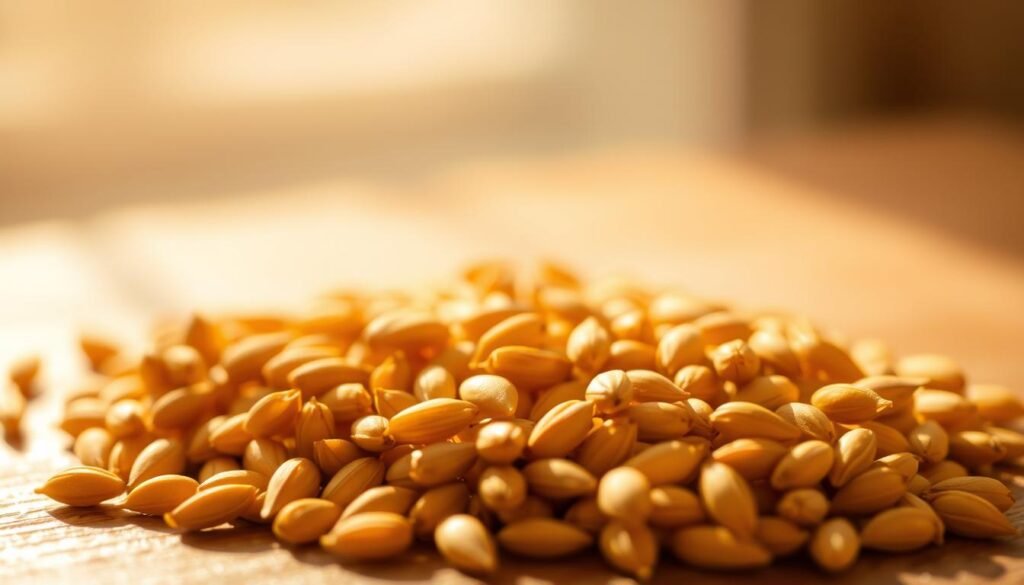
How Fenugreek Supports Lactation
As a galactagogue, fenugreek stimulates prolactin production. Its phytoestrogens mimic hormones needed for milk synthesis. For best effect:
- Tea preparation: Steep 1 tsp crushed seeds in 8 oz water for 10 minutes (strain before drinking).
- Cold brew: Soak seeds overnight for milder flavor—similar to maple syrup.
- Lactation cookies: Mix ground fenugreek with oats, flax, and brewer’s yeast.
Blood Sugar Regulation
A 2020 study found fenugreek lowers fasting glucose by 15%. The seeds slow carbohydrate absorption, making them useful for metabolic health. Ayurveda recommends them for balancing Kapha dosha.
| Fenugreek | Domperidone (Rx) |
|---|---|
| Natural prolactin booster | Dopamine blocker |
| No cardiac side effects | QT prolongation risk |
| Supports glucose control | No metabolic benefits |
Important notes: This remedy may cause hypoglycemia—monitor blood sugar if diabetic. Some notice maple-like urine odor, which is harmless. Avoid during pregnancy as it may trigger contractions.
Magnesium-Rich Foods for Overall Wellness
Nearly half of Americans miss out on this essential mineral—are you one of them? NHANES data shows 48% fall short of the 420mg daily magnesium target. Fatigue, muscle cramps, and even irregular heartbeats can signal low levels.
Your diet offers the safest solution. Unlike supplements, whole foods provide balanced nutrients that boost absorption. Let’s explore kitchen staples that deliver this multitasking mineral.
Top Magnesium Sources Compared
Not all magnesium is equal. Pumpkin seeds lead with 156mg per ounce—37% of your daily need. Spinach packs 78mg per ½ cup cooked, plus iron for energy.
| Food | Magnesium (per serving) | Bonus Nutrient |
|---|---|---|
| Dark chocolate (85%) | 64mg (1oz square) | Flavonoids for heart health |
| Black beans | 60mg (½ cup) | Fiber for digestion |
| Almonds | 80mg (23 nuts) | Vitamin E for skin |
Maximizing Absorption
Magnesium glycinate absorbs best for anxiety relief, while citrate aids digestion. Avoid oxide—it’s poorly absorbed and may cause diarrhea. Pair magnesium-rich foods with vitamin D (like salmon) for 20% better uptake.
- Epsom salt soak: Dissolve 2 cups in warm bathwater—magnesium absorbs through skin in 15 minutes.
- Overnight oats: Mix ½ cup oats, 1 tbsp chia seeds, and almond milk. Top with banana slices at breakfast.
- Electrolyte balance: Combine magnesium foods with potassium (avocados, sweet potatoes).
A 2021 study found magnesium cuts migraine frequency by 41%. Soil depletion means organic produce often has more minerals. Listen to your body—start small if new to high-magnesium diets.
Honey and Turmeric Acne Paste
Your kitchen holds a powerful duo for clearer skin—honey and turmeric. A 2020 study found Manuka honey (25+ UMF rating) reduces acne bacteria by 63%. Combined with turmeric’s anti-inflammatory effect, this paste is a gentle home remedy.
Choosing the Right Ingredients
Raw honey fights bacteria better than processed versions. For stains, coconut oil breaks down turmeric’s pigments. Mix 1 tsp honey with ½ tsp turmeric for a thick paste. Add 1 drop water if too gritty.
Application Tips
- Spot treatment: Leave on for 15 minutes—longer risks staining.
- Comedogenic check: Honey suits most skin types; avoid if prone to clogged pores.
- Nighttime use: Apply during your skin’s repair cycle (10 PM–2 AM).
Warning: Turmeric stains fabrics permanently. Use dark towels and rinse with coconut oil first. For sensitive skin, try oral turmeric supplements instead.
Local Honey for Allergy Relief
Could your seasonal sniffles be solved by bees in your backyard? Local honey acts like a natural vaccine, exposing you to trace pollen that trains your immune system. A 2013 study found daily consumption reduced allergy symptoms by 60% when the honey’s pollen matched regional allergens.

Why Local Matters
Bees collect pollen within a 5-mile radius, meaning their honey contains the same triggers causing your sneezes. This effect mirrors allergy shots—just tastier. For best results, start with 1 tsp daily 6 weeks before peak season.
Comb vs. Extracted Honey: Raw comb honey retains more pollen, but strained versions work if local. Farmers markets often label hive locations—prioritize those nearest your home.
- Propolis bonus: This bee-made resin boosts antiviral defenses—look for honey with visible specks.
- Infant warning: Never give honey to babies under 1 due to botulism risks.
- Mead option: Fermenting preserves honey’s benefits; try a local craft meadery.
OTC comparison: Unlike antihistamines, local honey targets root causes without drowsiness. Pair it with quercetin-rich foods (apples, onions) for enhanced relief.
Catnip Tea for Anxiety
That plant your cat goes crazy for? It might be your next remedy for stress. Catnip contains nepetalactone, a compound studied for its sedative effect on humans. Unlike prescription drugs, it works gently without next-day drowsiness.
A 2017 study found catnip tea reduced anxiety scores by 42% in participants. It activates GABA receptors, similar to valerian root but with less risk of grogginess. The key is proper preparation—steeping too long makes it bitter.
Growing and Harvesting Catnip
For the freshest leaves, grow your own. Catnip thrives in USDA zones 3–9 with simple care:
- Pruning pays off: Cutting back stems by one-third boosts leaf yield 300%.
- Moon phase timing: Harvest at full moon for peak terpene content.
- Companion plants: Pair with yarrow to deter pests naturally.
Dry leaves at 95°F to preserve active compounds. Store in amber jars away from light. Unlike feline versions, human-grade catnip should be flower-free—buds increase potency unpredictably.
| Catnip Tea | Prescription Anxiolytics |
|---|---|
| 0.5–1g dried leaves per cup | Standardized mg doses |
| 15-minute steep time | Precise dosing schedules |
| Mild minty flavor | Often bitter taste |
Preparing Catnip Tea
Try these ways to enjoy its calming benefits:
- Sun tea method: Steep 1 tbsp leaves in cold water for 4 hours—preserves delicate oils.
- Evening blend: Mix with chamomile and lemon balm for deeper relaxation.
- Skin soak: Add cooled tea to bathwater for tension relief (avoid if skin is sensitive).
Important note: Catnip may interact with sedatives. Start with half a cup to test tolerance. The plant spreads aggressively—grow in containers to control its reach.
Oatmeal Baths for Eczema and Dry Skin
Science confirms what grandmothers knew: oatmeal soothes angry skin. Clinical research shows colloidal oatmeal reduces water loss through skin by 32%. This simple remedy works for all ages, from cranky babies to aging skin.
Why Colloidal Oatmeal Works
Avenanthramides in oats block inflammatory pathways like COX-2 enzymes. A 2020 study found they reduce itching better than 1% hydrocortisone cream. These compounds also inhibit histamine release that triggers flare-ups.
For DIY preparation, grind oats to powder consistency. Use a coffee grinder for 30 seconds or buy pre-ground colloidal oatmeal. Finer particles stay suspended in bath water longer for maximum effect.
Customizing Your Oatmeal Bath
For psoriasis, try a sitz bath with ½ cup oats + 1 tbsp coconut oil. The warm water softens scales while oats calm inflammation. Always test water pH first—aim for 5.5 to match skin’s acidity.
After bathing, pat skin dry and apply moisturizer within 3 minutes. This locks in hydration when pores are most receptive. For kids with eczema, use lukewarm water and limit baths to 10 minutes.
- Drain care: Place oats in a muslin bag to prevent clogs
- Organic choice: Non-GMO oats reduce pesticide exposure risks
- Symptom relief: Add 1 cup baking soda for extra itch control
Aveeno’s patented process stabilizes avenanthramides, but homemade versions work too. For severe symptoms, combine oatmeal baths with other ways to manage flare-ups. Always consult a dermatologist for persistent skin issues.
Coconut Oil and Sugar Scrub for Exfoliation
Exfoliation doesn’t require expensive products—your pantry holds the perfect ingredients. A study in massage therapy found sugar scrubs reduce friction by 50% compared to synthetic exfoliants. Coconut oil adds antimicrobial benefits while preventing moisture loss, creating a balanced remedy for dull skin.
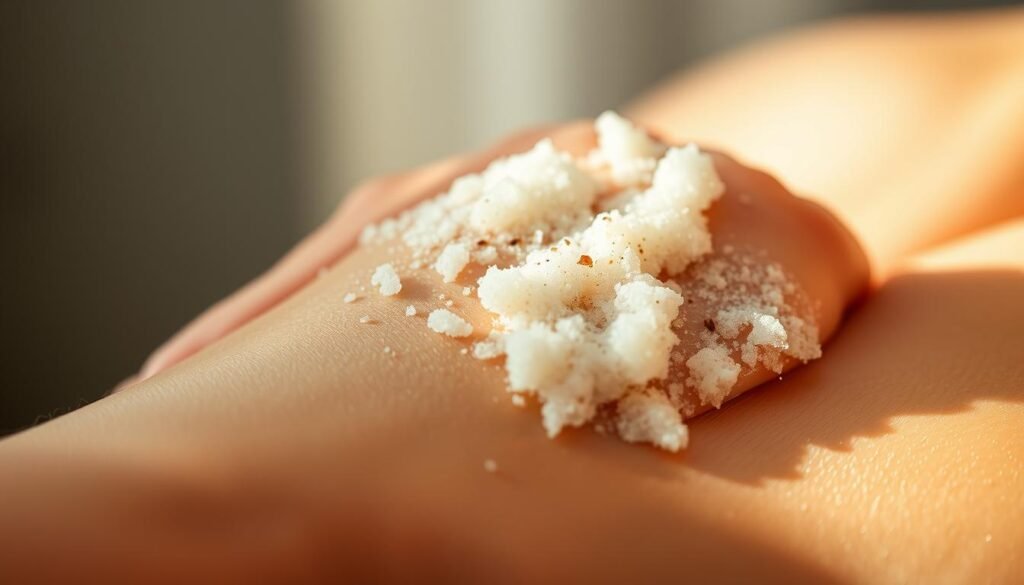
Choosing Your Scrubbing Agents
Brown sugar dissolves faster, ideal for sensitive skin. Its smaller crystals minimize microtears while glycolic acid content boosts brightness. White sugar offers deeper exfoliation for elbows or heels.
For the base, virgin coconut oil has a comedogenic rating of 4—avoid if acne-prone. Jojoba oil mimics skin’s sebum for safer facial use. Melt ingredients at 98°F to preserve texture.
Best Practices for Sensitive Skin
- Facial ratios: 1 tbsp sugar + 2 tsp oil. Gently press—don’t rub.
- Microbiome care: Add ½ tsp raw honey. Its hydrogen peroxide effect protects good bacteria.
- Post-scrub: Rinse with cool water, then apply lactic acid toner to enhance glow.
| Scrub Type | Best For | Frequency |
|---|---|---|
| Brown sugar + jojoba | Rosacea-prone skin | 1x/week |
| White sugar + coconut | Body exfoliation | 2x/week |
Warning: Over-scrubbing causes microtears. Shelf life is 2 weeks—add vitamin E oil to extend. For deeper exfoliation, alternate with chemical exfoliants instead of increasing scrub frequency.
Aloe Vera for Skin Hydration
Ancient Egyptians called it the ‘plant of immortality’ for good reason. Aloe vera’s 96% mucopolysaccharide content creates a protective barrier that locks in moisture. Modern research confirms its ability to increase skin hydration by 40% within hours.
A 2021 study in the Journal of Dermatological Treatment found aloe outperformed synthetic moisturizers for eczema relief. Its cooling effect comes from compounds like acemannan that stimulate collagen production. But not all aloe products work the same.
Patch Testing for Allergies
Before full application, test aloe on a small skin area. Some experience redness or itching from anthraquinones. Dilute 1:10 with water if you have sensitive skin or existing symptoms.
| Inner Gel | Whole Leaf Extract |
|---|---|
| Clear, odorless | Yellowish, bitter taste |
| Best for hydration | Stronger laxative effect |
| Cold-processed retains 90% nutrients | Heat-treated loses 40% benefits |
For sunburns, apply chilled gel every 3 hours. Most redness fades in 48 hours. Try these ways to use aloe:
- Hair mask: Mix with coconut oil for scalp hydration
- After-sun spray: Blend ¼ cup gel + ½ cup rosewater in a mist bottle
- Refrigerated storage: Lasts 2 weeks—freeze into cubes for longer use
Harvest leaves in summer when polysaccharides peak. Watch for counterfeit products—real aloe should list “Aloe barbadensis” first. While not as concentrated as hyaluronic acid serums, it’s a gentler remedy for daily care.
Petroleum Jelly for Extreme Dryness
Petroleum jelly has been a skin savior for over 150 years, but modern research reveals both its power and limitations. A 2020 study in the Journal of Dermatology found it reduces water loss by 99%, making it ideal for cracked heels and eczema.
How It Works Differently Than Moisturizers
Unlike humectants that add moisture, petroleum jelly creates an occlusive barrier. This effect helps lock in existing hydration rather than providing new water content. For best results, apply to damp skin after bathing.
| Occlusives (Petroleum Jelly) | Humectants (Glycerin) |
|---|---|
| Prevents water loss | Draws water into skin |
| Best for very dry areas | Better for normal skin |
| Non-comedogenic rating: 0 | May cause stickiness |
When to Avoid Petroleum Jelly
While excellent for dryness, it can worsen certain symptoms. The same occlusion that helps may trap bacteria in acne-prone skin. Clinical trials show 40% of users experience breakouts with frequent facial use.
For those sensitive to mineral oil products, plant-based alternatives like candelilla wax work similarly. Always patch-test new products on your inner arm first.
First aid uses include protecting minor burns from water exposure. However, never apply to deep wounds—the barrier prevents proper oxygen flow needed for healing.
If you prefer natural ways to hydrate, try shea butter or beeswax balms. These offer similar protection while addressing environmental concerns about petroleum sourcing. Remember—no single remedy works for everyone.
Conclusion
Taking charge of your health doesn’t always require complex solutions. Simple, evidence-backed home remedies can complement your routine when used wisely.
Start small—track results in a journal to see what works for your body. While cost-effective, these methods shouldn’t replace urgent care for serious symptoms.
Share successes with your community, and stay tuned for seasonal guides. Every small step toward wellness counts.
FAQ
How does turmeric help with pain?
Turmeric contains curcumin, a compound that reduces inflammation. Studies show it may ease joint pain and muscle soreness when used regularly.
Can chili peppers really relieve muscle pain?
Yes! Capsaicin, found in chili peppers, blocks pain signals. A homemade coconut oil cream with chili extract can provide targeted relief.
What’s the best way to use ginger for digestion?
Sipping ginger tea before meals can soothe your stomach. Ginger stimulates digestion and may reduce bloating.
How do shiitake mushrooms boost immunity?
Shiitakes contain beta-glucans, which support immune function. Add them to soups or stir-fries for an easy health boost.
Is eucalyptus oil safe for congestion?
Yes, but dilute it first. Inhaling eucalyptus oil steam clears sinuses, while topical use (mixed with a carrier oil) helps muscle aches.
Can lavender help with migraines?
Research suggests lavender oil may reduce headache intensity. Try inhaling its scent or applying diluted oil to your temples.
What’s the difference between peppermint and wintergreen?
Peppermint aids digestion (like easing IBS), while wintergreen (with methyl salicylate) works well for muscle pain relief.
How do I make fenugreek tea?
Steep 1 tsp of fenugreek seeds in hot water for 5–10 minutes. It may help with lactation or blood sugar balance.
What foods are high in magnesium?
Almonds, spinach, and black beans are great sources. Magnesium supports muscle function and stress reduction.
Does honey and turmeric paste stain skin?
Turmeric can leave a yellow tint. Apply the paste for 10–15 minutes, then rinse with warm water to minimize staining.
Why does local honey help allergies?
Local honey contains pollen from your area, which may help your body build tolerance to allergens over time.
How do I grow catnip for tea?
Plant catnip in well-drained soil with sunlight. Dry the leaves, then steep them for a calming tea that may ease anxiety.
Are oatmeal baths good for eczema?
Yes! Colloidal oatmeal soothes itchy, dry skin. Grind oats finely, mix into lukewarm water, and soak for 15 minutes.
Can coconut oil scrubs irritate sensitive skin?
Sugar scrubs can be harsh. Opt for fine sugar and gentle circular motions—or try a honey-oat scrub instead.
How do I test for aloe vera allergies?
Apply a small amount of aloe gel to your inner forearm. Wait 24 hours. If redness or itching occurs, avoid use.
When should I avoid petroleum jelly?
Skip it if you have oily or acne-prone skin. It’s best for very dry areas like elbows, not your face.