Have you ever wondered why your body feels different as you grow older? For many women, this stage of life brings subtle yet significant changes that can affect energy, mood, and overall well-being. Understanding these shifts is the first step toward taking control of your vitality.
Modern lifestyles, with their fast-paced demands, often amplify these challenges. Stress, diet, and lack of sleep can make it harder to maintain balance. But the good news? You don’t have to accept these changes as inevitable. With the right strategies, you can manage symptoms and feel your best.
This article will guide you through actionable steps to support your body during this phase. From nutrition to self-care, you’ll discover how small adjustments can make a big difference. Let’s explore how you can thrive, not just survive, as you embrace this new chapter.
Key Takeaways
- Understand the natural changes your body goes through as you age.
- Learn how modern lifestyles can impact your well-being.
- Discover practical strategies to manage symptoms effectively.
- Connect balance to improved energy, mood, and overall wellness.
- Focus on prevention rather than reactive care.
1. Understanding Hormonal Changes After 35
As you approach your mid-30s, your body undergoes subtle yet significant shifts. These changes are often tied to shifts in key hormones like estrogen, progesterone, and testosterone. Understanding these fluctuations can help you navigate this phase with confidence.
What Happens to Your Hormones After 35?
Around this time, estrogen and progesterone production begins to decline. This marks the start of perimenopause, a transitional phase that can last several years. Testosterone levels also decrease, though more gradually, affecting energy and muscle mass.
Another factor is the drop in DHEA-S levels, which decline by 2-3% yearly after age 30. This hormone plays a role in energy and stress response. Additionally, growth hormone (GH) and IGF-1 levels fall, a process known as “somatopause.”
Why Hormonal Health Matters
Ignoring these shifts can lead to long-term risks. Bone density may decrease, raising the risk of osteoporosis. Metabolic slowdown can make weight management more challenging. Stress further accelerates these changes, making it harder for your body to maintain balance.
Heart disease is another concern, as hormonal imbalances can affect cardiovascular health. By addressing these changes early, you can take proactive steps to support your well-being and reduce risks.
2. Common Symptoms of Hormonal Imbalance
Noticing changes in your body and mood? You’re not alone. Many women experience shifts that can feel overwhelming. These changes often stem from hormonal imbalances, which can affect both your physical and emotional well-being.
Mood Swings and Emotional Changes
One of the most common signs is mood swings. Estrogen fluctuations can lead to serotonin imbalances, which may cause irritability or anxiety. In fact, 1 in 3 women experience anxiety or depression due to these shifts.
Progesterone loss can also play a role. This hormone helps regulate sleep, and its decline often leads to insomnia or restless nights. If you’ve been feeling emotionally drained, it might be worth exploring these connections.
Physical Symptoms to Watch For
Physical changes are equally telling. Unexplained weight gain, especially around the belly, is often linked to cortisol-driven fat accumulation. Thyroid dysfunction can also contribute to these changes, making it harder to maintain your usual weight.
Other symptoms include fatigue, acne, and even changes in your skin and hair. Collagen decline, a natural part of aging, can lead to drier skin and thinner hair. Night sweats, which disrupt sleep for 68% of perimenopausal women, are another red flag.
| Symptom | Possible Cause |
|---|---|
| Fatigue | Thyroid dysfunction |
| Weight Gain | Cortisol imbalance |
| Insomnia | Progesterone loss |
| Acne | Hormonal fluctuations |
| Night Sweats | Perimenopause |
Understanding these symptoms is the first step toward managing them. For more tips on staying active and confident during this phase, check out our guide on fitness for women over 35.
3. The Role of Estrogen and Progesterone
Your body relies on a delicate balance of hormones to function optimally. Two of the most important are estrogen and progesterone. These hormones work together to regulate many processes, from bone density to mood stability.
How Estrogen Levels Change
Estrogen plays a vital role in protecting your bone density. After 35, you may lose about 1% of bone mass annually due to declining levels. This hormone also supports heart and brain health, making it essential for overall well-being.
When estrogen levels drop, you might notice changes like fatigue or mood swings. This is because estrogen helps regulate serotonin, a key neurotransmitter for emotional balance. Maintaining healthy estrogen levels can help you feel more energetic and focused.
The Importance of Progesterone
Progesterone is equally crucial. It stabilizes the uterine lining and supports thyroid function. This hormone also counterbalances estrogen dominance, which can lead to symptoms like bloating or irritability.
Low progesterone can disrupt sleep and increase stress. By ensuring adequate levels, you can support better rest and emotional stability. Natural sources like flaxseeds and cruciferous vegetables can help maintain this balance.
For severe deficiencies, hormone replacement therapy (HRT) may be an option. However, it’s important to weigh the risks, especially with synthetic hormones. Always consult a healthcare professional to explore the best approach for your needs.
4. Managing Weight and Metabolism
Have you noticed changes in your energy levels or weight recently? Many women find that maintaining their usual weight becomes more challenging as they age. This is often due to a slower metabolism, which can decline by 2-5% per decade after your mid-30s.

Why Weight Gain Happens
One key factor is insulin resistance, which makes your body store fat more easily. Additionally, a drop in muscle mass reduces your ability to burn calories efficiently. Resistance training can help preserve muscle, burning an extra 50+ calories daily.
Contrary to popular belief, hormone replacement therapy (HRT) doesn’t directly cause weight gain. Instead, it’s the natural aging process and lifestyle factors that play a bigger role. Prioritizing protein intake (1.2g per kg of body weight) can also support muscle maintenance and fat loss.
Tips for Boosting Metabolism
To rev up your metabolism, consider incorporating high-intensity interval training (HIIT) into your routine. HIIT stimulates growth hormone production, which aids in fat burning. Strength training is equally important, as it helps maintain muscle mass and keeps your metabolic rate active.
Don’t underestimate the role of sleep. Poor sleep disrupts leptin and ghrelin, hormones that regulate hunger and fullness. Aim for 7-9 hours of quality sleep each night to support your weight management efforts.
- Focus on protein-rich foods to preserve muscle.
- Add HIIT workouts to stimulate growth hormone.
- Prioritize sleep to balance hunger hormones.
- Incorporate resistance training to burn extra calories.
By making these small adjustments, you can reduce the risk of weight gain and feel more energetic throughout the day.
5. The Impact of Hormonal Health on Bone Density
Your bones are the foundation of your strength, but they need care as you age. Hormonal changes can significantly affect bone health, making it essential to understand how to protect them.
How Hormones Affect Bone Health
Estrogen plays a critical role in maintaining bone density. As levels decline, especially during menopause, your body activates osteoclasts—cells that break down bone tissue. This process can lead to bone loss, with women losing up to 20% of their bone mass in just 5-7 years post-menopause.
Vitamin D deficiency, affecting 42% of US adults, further complicates this issue. Without enough vitamin D, your body struggles to absorb calcium, a key nutrient for strong bones.
Preventing Osteoporosis
Taking proactive steps can help reduce the risk of osteoporosis. Weight-bearing exercise, like dancing or hiking, strengthens bones by stimulating new growth. Incorporating calcium-rich foods such as sardines, chia seeds, and kale into your diet also supports bone density.
Avoid excessive caffeine and sodium, as they can interfere with calcium absorption. For high-risk individuals, a DEXA scan at age 40 can provide a baseline measurement of bone density, helping you monitor changes over time.
“Strong bones are built through a combination of the right nutrients, physical activity, and regular monitoring.”
By prioritizing these strategies, you can maintain your bone strength and stay active for years to come.
6. Hormonal Health and Heart Disease
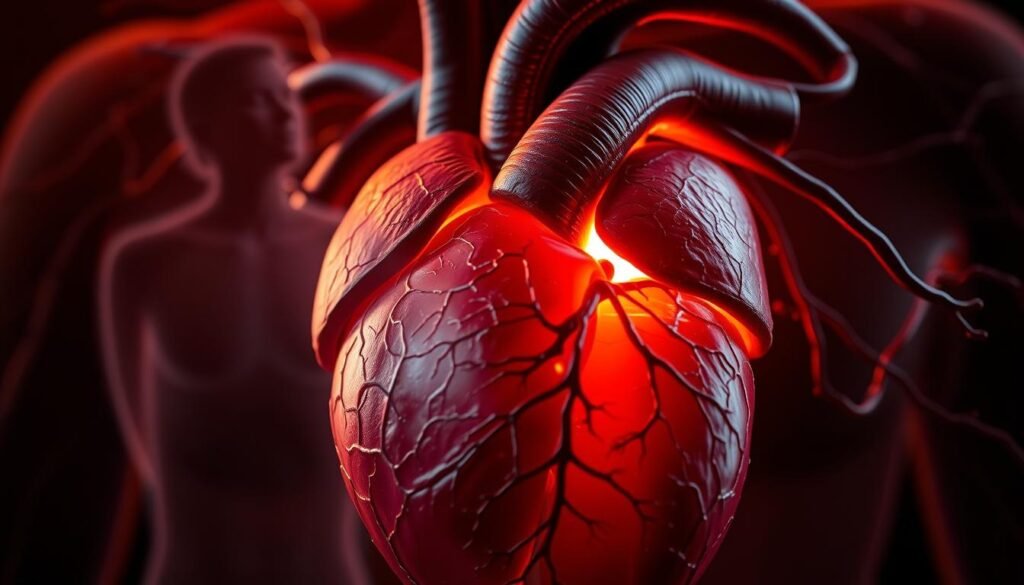
Did you know that your heart health is closely tied to your body’s natural rhythms? As you age, shifts in hormone levels can impact your cardiovascular system. Understanding this connection can help you take proactive steps to protect your heart.
The Link Between Hormones and Heart Health
Estrogen plays a key role in maintaining arterial flexibility. When levels drop, arteries may become stiffer, increasing the risk of heart disease. Post-menopausal women are three times more likely to develop cardiovascular issues due to these changes.
Chronic stress also contributes to hypertension, further straining your heart. Managing stress through activities like yoga can improve vagal tone, supporting a healthier cardiovascular system.
Reducing Your Risk
Your lifestyle choices can make a significant difference. A Mediterranean diet, rich in omega-3s and plant-based foods, can reduce cardiac events by 30%. Aim for 1.1g of omega-3s daily, found in fatty fish like salmon or supplements.
Monitoring your blood lipid levels is crucial. Regular check-ups can help track LDL and HDL levels, ensuring early intervention if needed. Hibiscus tea, known for its heart-healthy properties, can also be a beneficial addition to your routine.
| Strategy | Benefit |
|---|---|
| Mediterranean Diet | Reduces cardiac events by 30% |
| Omega-3s (1.1g/day) | Supports heart health |
| Hibiscus Tea | Lowers blood pressure |
| Yoga | Improves vagal tone |
| Regular Lipid Checks | Monitors LDL/HDL levels |
By incorporating these strategies, you can take control of your heart health and reduce the risk of cardiovascular issues. Small changes today can lead to a healthier tomorrow.
7. Sleep and Hormonal Balance
Struggling to get a good night’s rest? You’re not alone. Many women find that their sleep patterns change as they age. These shifts are often tied to fluctuations in key hormones, which play a crucial role in regulating your sleep cycle.
How Hormones Affect Sleep
Progesterone, known for its calming effects, enhances GABA activity in the brain. This helps you relax and fall asleep more easily. However, as levels drop during menopause, you might experience more restless nights.
Melatonin, your body’s natural sleep hormone, also declines. By age 50, production drops by 40%, making it harder to stay asleep. This can lead to frequent waking or difficulty falling back asleep.
Tips for Better Sleep
Improving your sleep quality is possible with a few simple adjustments. Here are some strategies to try:
- Magnesium glycinate: This supplement can help relax your muscles and calm your mind.
- Cooling mattress pads: These are ideal for managing night sweats, a common issue during hormonal changes.
- Avoid blue light after 8 PM: Screens from phones and TVs can disrupt melatonin production.
- 4-7-8 breathing technique: Inhale for 4 seconds, hold for 7, and exhale for 8. This can help calm your nervous system before bed.
By prioritizing these habits, you can create a sleep-friendly environment and improve your rest over time. Small changes can make a big difference in how you feel each day.
8. Exercise and Hormonal Health
Are you looking for ways to stay active and energized as you age? The right exercise routine can do more than keep you fit—it can help your body maintain balance and vitality. From boosting energy to supporting muscle mass, physical activity plays a key role in how you feel every day.

The Best Types of Exercise for Balance
Not all workouts are created equal. High-intensity interval training (HIIT) is great for burning fat, but it can spike cortisol levels if overdone. Steady-state cardio, like brisk walking, is gentler on your body and helps manage stress. For muscle mass, compound lifts like squats and deadlifts stimulate IGF-1, a hormone that supports growth and repair.
Pilates is another excellent choice. It improves pelvic floor strength by 37%, which can be especially helpful as you age. Pairing these activities with resistance training twice a week ensures you’re building strength while staying active.
How Often Should You Exercise?
Aim for 150 minutes of moderate aerobic exercise weekly, plus two sessions of resistance training. Morning workouts are ideal, as they help regulate your circadian rhythm and set a positive tone for the day. After your session, refuel with a protein shake containing 20-30 grams of protein to support recovery.
However, avoid overtraining. Excessive physical activity can lead to amenorrhea, a condition where your menstrual cycle stops. Listen to your body and give it the rest it needs.
“The right balance of exercise can transform how you feel, inside and out.”
- Choose HIIT or steady-state cardio based on your stress levels.
- Incorporate compound lifts to stimulate growth hormones.
- Morning workouts help regulate your body’s natural rhythm.
- Post-workout protein shakes aid in recovery.
- Avoid overtraining to prevent hormonal imbalances.
9. Diet and Nutrition for Hormonal Health
What you eat plays a bigger role in how you feel than you might think. Your diet can influence everything from your energy levels to your overall well-being. By making smart choices, you can support your body’s natural rhythms and feel your best.
Foods That Support Balance
Certain foods can help maintain harmony in your body. Cruciferous vegetables like broccoli and kale contain DIM, which reduces estrogen dominance. Zinc-rich foods, such as oysters and pumpkin seeds, support testosterone production. Fermented foods like yogurt and kimchi improve gut health, which is linked to estrogen regulation.
Anti-inflammatory spices, such as turmeric paired with black pepper, can also help. These spices reduce inflammation, supporting your metabolism and overall health.
Foods to Avoid
Not all foods are created equal. High-glycemic foods, like white bread and sugary snacks, can spike insulin levels. This can lead to imbalances over time. Be cautious of BPA-lined cans and receipts, as they can disrupt your body’s natural processes.
Here’s a quick guide to what to include and what to skip:
- Include: Cruciferous veggies, zinc-rich foods, fermented foods, anti-inflammatory spices.
- Avoid: High-glycemic foods, BPA-lined cans, processed snacks.
By focusing on the right intake, you can support your body’s natural balance and feel more energized every day.
10. Stress and Its Impact on Hormones
Feeling overwhelmed by daily pressures? Stress might be affecting more than just your mood. It can disrupt your body’s natural balance, leading to a cascade of problems that go beyond temporary discomfort.
Chronic stress triggers the release of cortisol, a hormone that, in excess, can wreak havoc on your system. Over time, this can lead to fatigue, weight gain, and even more serious conditions.
How Stress Affects Your Body
When you’re under constant pressure, your HPA axis (hypothalamic-pituitary-adrenal axis) becomes dysregulated. This system controls your stress response, and when it’s out of balance, it can lower DHEA levels by 28%. This hormone is crucial for energy and resilience.
High cortisol levels are also linked to visceral fat, often referred to as “cortisol belly.” This type of fat is particularly harmful, as it surrounds vital organs and increases the risk of metabolic issues.
Effective Stress Management Techniques
Managing stress doesn’t have to be complicated. Here are some practical strategies to help you regain control:
- Adaptogens: Herbs like ashwagandha and rhodiola can help your body adapt to stress and reduce cortisol levels.
- Tech Sabbaths: Take a break from screens to reset your dopamine levels and improve mental clarity.
- Progressive Muscle Relaxation: This technique involves tensing and relaxing each muscle group to release physical tension.
- Mindfulness Programs: A 12-week mindfulness program can reduce cortisol by 23%, helping you feel calmer and more centered.
By incorporating these lifestyle changes, you can better manage stress and protect your well-being. Small steps today can lead to a healthier, more balanced life tomorrow.
11. Hormone Replacement Therapy (HRT)
Considering ways to manage changes in your body? Hormone replacement therapy might be an option. This treatment helps restore balance by supplementing key hormones that decline with age. It’s particularly effective for managing symptoms like hot flashes, mood swings, and sleep disturbances.
What Is HRT?
HRT involves replacing hormones like estrogen and progesterone to maintain optimal levels. There are two main types: bioidentical and synthetic. Bioidentical hormones are derived from plant sources and closely mimic your body’s natural hormones. Synthetic hormones, on the other hand, are lab-created and may have a slightly different structure.
According to the 2022 NAMS guidelines, HRT is safe for most women under 60. Transdermal estrogen, in particular, has an 80% lower clot risk compared to oral forms. This makes it a safer option for many women.
Pros and Cons of HRT
HRT offers several benefits, but it’s important to weigh the pros and cons. Here’s what you need to know:
- Bioidentical vs. Synthetic: Bioidentical hormones are often preferred for their natural composition, while synthetic hormones may have a higher risk of side effects.
- Window of Opportunity: Starting HRT within 10 years post-menopause maximizes its benefits, especially for bone and heart health.
- Contraindications: HRT isn’t recommended for women with a history of breast cancer or liver disease.
- Cognitive Benefits: For APOE4 carriers, HRT may reduce the risk of cognitive decline.
- Topical Progesterone: Many women report success with topical progesterone, which helps balance estrogen without systemic side effects.
“HRT can be a game-changer for women experiencing significant symptoms. However, it’s essential to consult a healthcare professional to determine if it’s right for you.”
By understanding the benefits and limitations of HRT, you can make an informed decision about whether it’s the right choice for your needs.
12. Natural Remedies for Hormonal Balance
Looking for natural ways to feel more balanced? Small adjustments in your daily routine can make a big difference. From herbs to lifestyle changes, there are plenty of options to support your body’s natural rhythms.

Herbs and Supplements That Work
Certain herbs and supplements can help restore balance. Vitex agnus-castus, for example, reduces PMS symptoms by 52%. This herb supports progesterone production, helping to ease mood swings and irritability.
Maca root is another great option. Known for boosting libido, it also helps regulate energy levels. For estrogen metabolism, consider DIM (Diindolylmethane), found in cruciferous vegetables. It aids in breaking down excess estrogen, promoting a healthier balance.
Red light therapy is gaining popularity for its impact on thyroid function. This non-invasive treatment stimulates cellular energy, supporting overall vitality.
Simple Lifestyle Changes
Your daily habits play a crucial role in maintaining balance. Dry brushing, for instance, promotes lymphatic drainage, helping your body eliminate toxins. It’s a quick and easy addition to your morning routine.
Circadian fasting, like the 14:10 method, can also be beneficial. This approach involves fasting for 14 hours and eating within a 10-hour window. It supports metabolic health and aligns with your body’s natural rhythms.
Yoga is another powerful tool. An 8-week yoga intervention can lower cortisol levels by 31%, reducing stress and promoting relaxation.
| Remedy | Benefit |
|---|---|
| Vitex agnus-castus | Reduces PMS symptoms by 52% |
| Maca Root | Boosts libido and energy |
| DIM Supplement | Supports estrogen metabolism |
| Red Light Therapy | Improves thyroid function |
| Dry Brushing | Promotes lymphatic drainage |
| Circadian Fasting | Supports metabolic health |
| Yoga | Lowers cortisol by 31% |
By incorporating these natural remedies and lifestyle changes, you can support your body’s balance and feel your best. Small steps today can lead to lasting improvements over time.
13. The Connection Between Hormones and Skin Health
Have you ever thought about how your skin changes as you get older? Your skin is a reflection of your body’s internal balance, and shifts in hormones can significantly impact its appearance. From wrinkles to acne, understanding these changes can help you take better care of your skin.
How Hormones Affect Your Skin
As you age, your body produces less collagen, leading to a 1% annual loss after 35. This natural decline can result in fine lines and wrinkles. Hormonal fluctuations also play a role in adult acne, often linked to excess androgens.
Sebum production, which increases during hormonal shifts, can clog pores and cause breakouts. Niacinamide, a skincare ingredient, reduces sebum by 58%, making it a great addition to your routine. For those with rosacea, azelaic acid can soothe redness and inflammation.
Skincare Tips for Hormonal Changes
To maintain healthy skin, consider using phytoestrogen-rich topicals like soy or red clover. These ingredients mimic estrogen, helping to restore balance. Avoid skincare products with parabens and phthalates, as they can disrupt your body’s natural processes.
DIY face masks are a simple way to nourish your skin. Try combining oatmeal and honey for a soothing, exfoliating treatment. Here’s a quick guide to skincare during hormonal changes:
| Skincare Tip | Benefit |
|---|---|
| Use Niacinamide | Reduces sebum by 58% |
| Apply Azelaic Acid | Soothes rosacea and redness |
| Choose Phytoestrogen Topicals | Restores hormonal balance |
| Avoid Parabens and Phthalates | Prevents endocrine disruption |
| DIY Oatmeal + Honey Mask | Exfoliates and soothes skin |
By incorporating these tips into your routine, you can support your skin’s health and maintain a radiant glow. Small changes can make a big difference over time.
14. Hormonal Health and Mental Well-being
Have you noticed how your mood and energy levels shift with time? These changes are often tied to fluctuations in your body’s natural rhythms. Understanding this connection can help you take steps to feel more balanced and resilient.
The Link Between Hormones and Mental Health
Your hormones play a significant role in regulating your mood and overall mental state. For example, estrogen influences GABA activity, a neurotransmitter that helps calm your brain. When estrogen levels drop, you might feel more anxious or irritable.
Perimenopausal women face a 40% higher risk of depression due to these shifts. Similarly, imbalances in progesterone can disrupt sleep, leaving you feeling drained. Omega-3s, found in fatty fish, can improve PMS-related mood swings by 45%, offering a natural way to support emotional stability.
Strategies for Mental Wellness
There are several ways to nurture your mental well-being during this phase. Here are some effective strategies:
- Saffron: This natural remedy has been shown to ease mild-to-moderate depression. It’s a gentle yet powerful option for boosting your mood.
- Nature Therapy: Spending just 20 minutes a day in nature, like forest bathing, can reduce stress and improve mental clarity.
- Gratitude Journaling: Writing down three things you’re grateful for daily can shift your focus to the positive, enhancing emotional resilience.
- HRT’s Neuroprotective Effects: Hormone replacement therapy may help protect against cognitive decline, especially for APOE4 carriers.
“Small, consistent changes can make a big difference in how you feel mentally and emotionally.”
By incorporating these strategies into your routine, you can support your mental well-being and navigate this phase with greater ease. Taking care of your mind is just as important as caring for your body.
15. Regular Check-ups and Monitoring
Taking charge of your well-being starts with understanding your body’s needs. Regular check-ups are a crucial part of maintaining balance and catching potential issues early. These visits help you stay informed about your body’s levels and ensure you’re on the right track.
Why Regular Check-ups Are Important
Routine monitoring allows you to identify imbalances before they become significant. For example, the DUTCH test measures cortisol patterns, giving insights into stress responses. Optimal TSH levels (1-2 mIU/L) are essential for thyroid function, which affects energy and metabolism.
Early detection can reduce the risk of long-term complications. Bone density scans at 40 are recommended for high-risk individuals to prevent osteoporosis. Regular blood panels, including thyroid, FSH/LH, and vitamin D, provide a comprehensive view of your well-being.
What to Expect During a Hormonal Health Check-up
During a check-up, your doctor may recommend specific tests based on your symptoms. Salivary hormone testing offers a non-invasive way to measure cortisol and estrogen. Serum testing, on the other hand, provides accurate levels of thyroid hormones and SHBG.
HbA1c is another critical metric for metabolic monitoring. It reflects average blood sugar levels over three months, helping assess diabetes risk. Understanding these results empowers you to make informed decisions about your health.
- Essential Panels: Thyroid, FSH/LH, vitamin D.
- Testing Methods: Salivary vs. serum hormone testing.
- Bone Density Scans: Recommended at 40 for high-risk women.
- HbA1c: Monitors metabolic health.
- SHBG Levels: Indicates hormone binding capacity.
By staying proactive with regular check-ups, you can better manage your body’s needs and maintain balance. Small steps today lead to a healthier tomorrow.
16. Conclusion
Taking small steps today can lead to a healthier tomorrow. By incorporating strength training, managing stress, and exploring HRT options, you can take control of your well-being. These daily habits add up, creating a foundation for a vibrant life.
Empower yourself to advocate for your needs. Regular check-ups and screenings are essential, especially as you age. Building a supportive community can also help you stay accountable and motivated.
Remember, a balanced nutrition plan plays a key role in maintaining your vitality. Start today by scheduling your first preventative screening and taking charge of your future.
FAQ
What happens to your hormones after 35?
As you age, your body produces less estrogen and progesterone. These changes can affect your energy, mood, and metabolism, leading to symptoms like weight gain or fatigue.
Why does weight gain happen after 35?
Slower metabolism and hormonal shifts can make it harder to maintain your weight. Adding resistance training and adjusting your diet can help manage this.
How do hormones affect bone density?
Lower estrogen levels can lead to bone loss, increasing the risk of osteoporosis. Regular exercise and adequate calcium intake are key to maintaining strong bones.
What is hormone replacement therapy (HRT)?
HRT involves taking medications to replace hormones your body no longer makes. It can help with symptoms like hot flashes but has both benefits and risks to consider.
How can stress impact hormonal balance?
Stress triggers cortisol production, which can disrupt estrogen and progesterone levels. Techniques like meditation or yoga can help manage stress effectively.
What foods support hormonal balance?
Foods rich in omega-3s, fiber, and antioxidants, like salmon, leafy greens, and berries, can help regulate your hormones. Avoid processed foods and excess sugar.
How does exercise benefit hormonal health?
Physical activity, especially resistance training, can boost metabolism, improve mood, and support hormone regulation. Aim for at least 30 minutes most days.
What are the best skincare tips for hormonal changes?
Hormonal shifts can cause dryness or breakouts. Use gentle cleansers, moisturize regularly, and consider products with hyaluronic acid or retinol.
How do hormones affect mental well-being?
Hormonal imbalances can lead to mood swings, anxiety, or depression. Prioritizing sleep, exercise, and a balanced diet can support mental wellness.
Why are regular check-ups important for hormonal health?
Regular visits to your doctor can help monitor hormone levels, catch imbalances early, and adjust treatments like HRT if needed.