
Did you know that a small, butterfly-shaped gland in your body plays a huge role in how you feel every day? This gland, often overlooked, is responsible for regulating your energy, mood, and even your metabolism. For women, especially during midlife, keeping it in check can make a world of difference.
Hormonal changes during this phase of life can amplify symptoms like fatigue and weight gain. What’s more, these symptoms often overlap with those of menopause, making it harder to pinpoint the root cause. Proactive testing and lifestyle adjustments can help you stay ahead of potential issues.
Understanding how your body works and what it needs is the first step toward feeling your best. With the right approach, you can maintain balance and vitality even as your body goes through natural changes.
Key Takeaways
- The thyroid gland regulates metabolism, energy, and mood.
- 1 in 8 adults, especially women, face thyroid issues during midlife.
- Hormonal changes can worsen symptoms like fatigue and weight gain.
- Menopause and thyroid dysfunction symptoms often overlap.
- Proactive testing and lifestyle adjustments are crucial for maintaining balance.
Why Thyroid Health Matters in Midlife
Your body’s internal systems are deeply interconnected, and one small gland plays a pivotal role in keeping everything in balance. This gland, often overlooked, influences your energy, mood, and even your metabolism. For women in midlife, understanding its function becomes even more critical.
The Role of the Thyroid Gland
The thyroid gland acts as your body’s internal thermostat. It produces hormones that regulate how your cells use energy. When it works properly, you feel energized and balanced. However, imbalances can lead to fatigue, weight changes, and mood swings.
Common Thyroid Issues in Midlife
Two primary conditions often arise during midlife: hypothyroidism and hyperthyroidism. Hypothyroidism can lead to high cholesterol and hypertension, increasing the risk of heart disease. On the other hand, hyperthyroidism accelerates bone loss, raising the risk of fractures and osteoporosis, especially for women over 50.
How Thyroid Health Affects Your Overall Well-being
Your gland’s function doesn’t just impact your physical state. It also plays a significant role in your mental health, sleep patterns, and reproductive system. Mood swings and depression are common with imbalances. Sleep disturbances, like insomnia, can also occur. Additionally, issues can affect fertility and pregnancy outcomes.
| Condition | Impact |
|---|---|
| Hypothyroidism | High cholesterol, hypertension, heart disease |
| Hyperthyroidism | Osteoporosis, insomnia, bone health concerns |
| General Imbalance | Mood swings, depression, sleep disturbances |
Taking care of this gland is essential for maintaining your overall well-being. By understanding its role and addressing potential issues, you can feel your best during this phase of life.
Essential Tests for Thyroid Health
Proactive testing is key to maintaining balance and vitality. Understanding the right tests and when to take them can help you address potential issues early. Let’s explore the essential tests and what they mean for your well-being.
Understanding TSH, T3, and T4 Tests
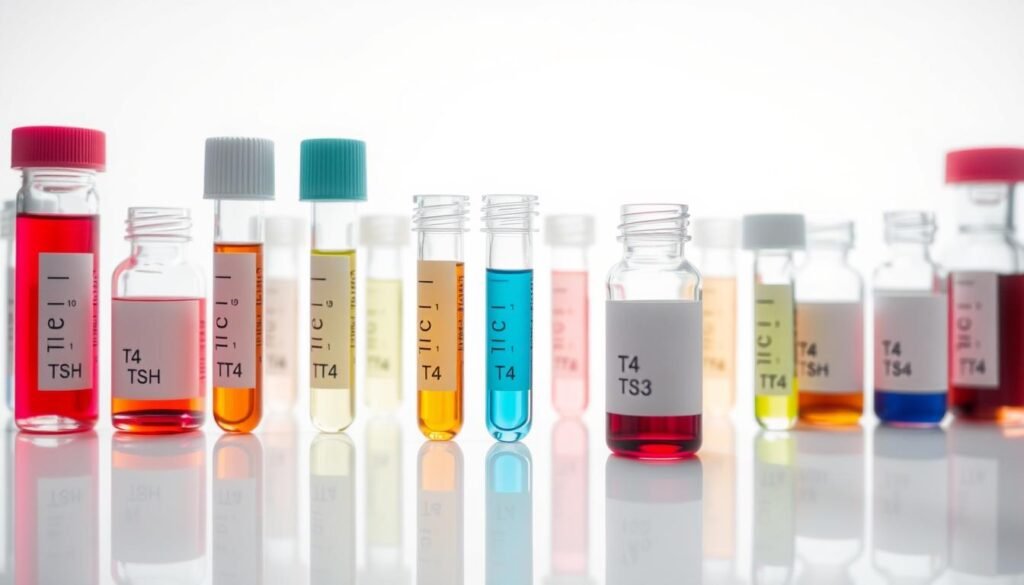
TSH, T3, and T4 tests are the cornerstone of diagnosing glandular imbalances. TSH measures the hormone that stimulates your gland, while T3 and T4 assess the hormones it produces. These tests work together to provide a clear picture of your gland’s function.
For example, a study found that TSH levels rise significantly in women aged 51-55 compared to those aged 46-50. This highlights the importance of regular testing as you age.
When to Get Tested
If you experience symptoms like fatigue, weight changes, or mood swings, it’s time to consider testing. Hormonal changes, medications, and menopause can all affect your results. Consulting a healthcare provider ensures you get the right tests at the right time.
Interpreting Your Test Results
Interpreting test results can be complex. Similar TSH levels can indicate different conditions, so self-diagnosis is not recommended. For instance, subclinical imbalances have lower thresholds than overt ones. Working with an endocrinologist ensures accurate diagnosis and tailored treatment.
| Test | Purpose |
|---|---|
| TSH | Measures stimulating hormone levels |
| T3 | Assesses active hormone levels |
| T4 | Evaluates stored hormone levels |
By understanding these tests and their results, you can take proactive steps to address any issues. Early detection and professional guidance are your best tools for maintaining balance.
Dietary Changes to Support Thyroid Health
What you eat can significantly influence how your body functions, especially during key life stages. A balanced diet not only fuels your energy but also supports essential systems. Making informed choices can help you feel your best and maintain balance.

Foods to Include for Optimal Thyroid Function
Certain foods can help your gland work efficiently. Leafy greens, like spinach and kale, are rich in nutrients that support hormone production. Lean proteins, such as chicken and fish, provide amino acids essential for your body’s function.
Including whole grains and nuts in your diet can also be beneficial. These foods are packed with vitamins and minerals that keep your systems running smoothly.
Foods to Avoid
Some foods can interfere with your gland’s ability to function properly. Processed foods high in sugar and unhealthy fats should be limited. Soy products, in large amounts, can disrupt hormone balance.
It’s also wise to avoid excessive caffeine and alcohol. These can strain your body and affect its natural processes.
The Role of Iodine and Selenium
Iodine is crucial for hormone synthesis. The Indian Menopause Society recommends 150 mcg of iodine daily for optimal function. Foods like seaweed, iodized salt, and fish are excellent sources.
Selenium acts as an antioxidant, protecting your gland from damage. Brazil nuts, eggs, and sunflower seeds are rich in this mineral. However, avoid over-supplementation, as too much can be harmful.
By incorporating these nutrients into your diet, you can support your body’s needs and maintain balance. Always consult a healthcare provider before making significant dietary changes.
Supplements for Thyroid Health
Taking the right supplements can make a big difference in how your body functions. They can help fill nutritional gaps and support your natural processes. However, it’s essential to choose wisely and understand potential risks.

Key Supplements to Consider
Certain supplements are particularly beneficial. Selenium supports antioxidant activity, while iodine is crucial for hormone production. Vitamin D and zinc also play important roles in maintaining balance.
However, over-supplementation can lead to issues. For example, too much selenium can cause toxicity, and excessive iodine may disrupt your body’s natural function.
How to Choose the Right Supplements
Start by consulting a healthcare provider. They can assess your needs and recommend the right dosage. Always check for quality and avoid products with unnecessary additives.
Be cautious about interactions. For instance, calcium can interfere with levothyroxine absorption, and certain supplements may not mix well with SSRIs or blood thinners.
Potential Risks and Side Effects
Over-supplementation can mimic symptoms like palpitations, shakiness, and a rapid heartbeat. These issues can strain your heart and lead to high blood pressure.
Other side effects include sleep disturbances and mood swings. Always monitor your body’s response and adjust as needed.
By being informed and cautious, you can use supplements to support your well-being without unnecessary risks.
Conclusion
Taking charge of your well-being starts with understanding your body’s needs. Regular TSH testing after 40 is a simple yet powerful step to stay ahead of potential issues. Combining a balanced diet, targeted supplements, and professional medical care can make a significant difference.
Did you know that over 20% of women in this stage of life have undiagnosed concerns? Paying attention to subtle symptoms and consulting a doctor can help you address these early. Requesting a full thyroid panel is a proactive way to ensure everything is functioning as it should.
By staying informed and taking action, you can maintain balance and feel your best. Your body deserves the care and attention it needs to thrive.
FAQ
Why is thyroid function important during midlife?
Your thyroid gland plays a key role in regulating metabolism, energy, and hormone balance. In midlife, maintaining its function helps manage weight, mood, and overall well-being.
What are the signs of an underactive or overactive thyroid?
An underactive thyroid may cause fatigue, weight gain, and cold sensitivity. An overactive thyroid can lead to weight loss, rapid heartbeat, and anxiety. Both conditions require medical attention.
How often should I get my thyroid levels checked?
If you’re experiencing symptoms like unexplained weight changes, fatigue, or sleep issues, consult your doctor. Regular testing is especially important if you have a family history of thyroid disease.
Which foods support optimal thyroid function?
Include iodine-rich foods like seaweed, selenium sources like Brazil nuts, and zinc-packed foods like shellfish. Avoid processed foods and limit soy if you have thyroid concerns.
Are supplements necessary for thyroid health?
Supplements like iodine, selenium, and vitamin D can help, but always consult your doctor first. Overuse of certain supplements may disrupt your hormone balance.
Can thyroid issues affect heart health?
Yes, both hypothyroidism and hyperthyroidism can impact your heart. An underactive thyroid may lead to high blood pressure, while an overactive one can cause irregular heartbeats.
What’s the connection between menopause and thyroid health?
Hormonal changes during menopause can affect thyroid function. Symptoms like weight gain and fatigue may overlap, making it essential to monitor your levels during this stage.
How do I interpret my thyroid test results?
Your doctor will evaluate TSH, T3, and T4 levels. High TSH often indicates hypothyroidism, while low TSH may suggest hyperthyroidism. Always discuss results with a healthcare professional.