

Did you know your gut does more than just digest food? It plays a crucial role in your immunity, mood, and even disease prevention. For women navigating hormonal shifts, taking care of this system is more important than ever.
Yet, studies show that 95% of Americans don’t meet their daily fiber needs. This gap, combined with modern lifestyle challenges, can disrupt your body’s balance. But don’t worry—there’s a way to reset and feel your best.
In this article, we’ll explore nine science-backed habits and dietary strategies. These tips are practical, achievable, and free from the hype of social media trends. Ready to take control of your well-being? Let’s dive in.
Key Takeaways
- Your gut impacts immunity, mood, and disease prevention.
- Most Americans fall short of daily fiber targets.
- Hormonal changes make gut care essential for women.
- Simple, science-backed habits can make a big difference.
- This plan focuses on practicality, not trends.
Why Gut Health is Crucial for Women Over 35
Your microbiome is like a personal fingerprint for your physiology. It’s a unique ecosystem of trillions of bacteria that influence everything from digestion to mood. Understanding its role can help you take charge of your well-being.
The Role of the Gut Microbiome in Overall Health
Your gut microbiome doesn’t just process food. It’s a key player in your immune system and even your mental state. Did you know 90% of serotonin, the “feel-good” hormone, is produced in your digestive system? This connection, known as the gut-brain axis, highlights how vital this system is.
A diverse microbiome supports your body in countless ways. It helps regulate inflammation, nutrient absorption, and even energy levels. When this balance is disrupted, it can lead to a cascade of issues.
How Hormonal Changes Affect Gut Health
As you age, hormones like estrogen play a significant role in maintaining microbial diversity. During perimenopause and menopause, estrogen levels drop, which can slow digestion and reduce the variety of beneficial bacteria. This shift increases the risk of microbial imbalance, or dysbiosis.
Research from the NIH shows that this imbalance can elevate the risk of chronic conditions like diabetes, heart disease, and inflammatory bowel disease. Understanding these changes empowers you to take proactive steps toward maintaining balance.
Signs Your Gut Needs a Reset
Feeling off lately? Your body might be signaling a need for balance. When your digestive system isn’t functioning optimally, it can show up in surprising ways. Recognizing these signs early can help you take action before things escalate.
Common Signals of Imbalance
Your body has its own way of communicating. Here are some key symptoms to watch for:
- Irregular bowel movements: Constipation or diarrhea that lasts more than a few days.
- Chronic bloating: Persistent discomfort or a feeling of fullness.
- Excessive gas: Passing gas more than 25 times a day, according to the NIDDK.
- Fatigue: Feeling tired even after a full night’s sleep.
- Skin issues: Acne, rashes, or dryness that won’t go away.
Occasional discomfort is normal, but if these issues persist for more than three months, it’s time to pay attention.
When to Seek Professional Help
While some symptoms are manageable, others require immediate attention. Red flags include vomiting, unexplained weight loss, or bloody stool. These could indicate serious conditions like inflammation or other underlying issues.
Non-GI symptoms like joint pain, brain fog, or anxiety can also be linked to digestive imbalance. If you’re experiencing these alongside digestive issues, consult a doctor to rule out deeper concerns.
Remember, your body is unique. What’s normal for someone else might not be for you. Trust your instincts and seek help when something feels off.
How Long Does It Take to Heal Your Gut?
Wondering how long it takes to see real changes in your digestive system? The answer depends on your habits and the steps you take. Research shows that small, consistent adjustments can lead to noticeable improvements in just a few weeks.
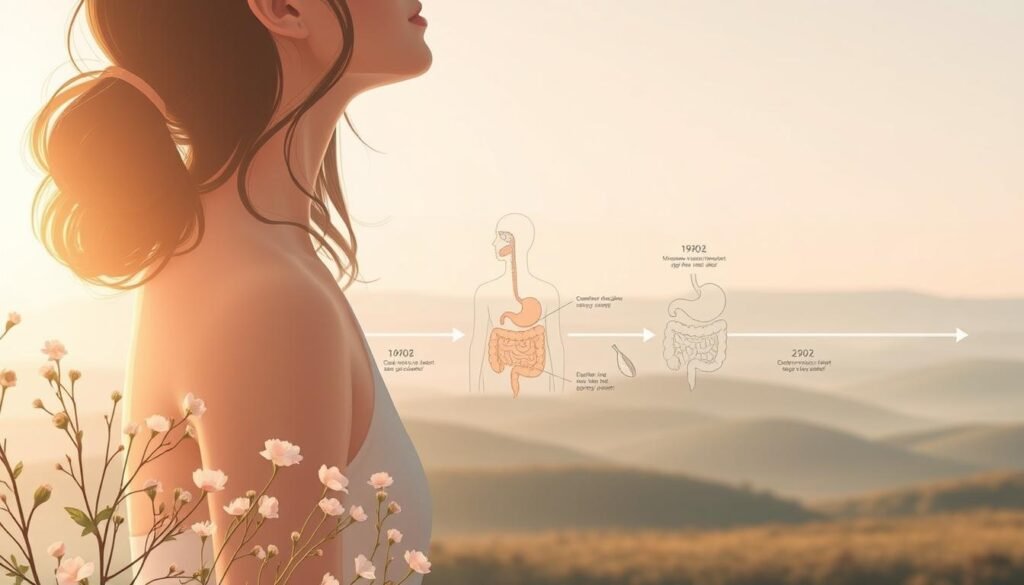
The Timeline for Gut Health Improvement
Your body responds quickly to positive changes. For example, increasing your fiber intake to 40-50 grams daily can shift your microbiome in as little as two weeks. This boost helps beneficial microbes, like Bifidobacterium, thrive.
A Stanford study found that consuming fermented foods for 10 weeks reduced inflammation significantly. This highlights the importance of patience and consistency in your approach.
| Timeframe | Changes |
|---|---|
| 2 Weeks | Increased fiber intake shifts microbiome composition. |
| 1 Month | Noticeable improvements in digestion and energy levels. |
| 10 Weeks | Reduced inflammation from fermented foods. |
Why Consistency is Key
Quick fixes like cleanses may promise fast results, but they often fail to deliver lasting benefits. Instead, focus on gradual changes. Aim to include 30+ different plants in your diet each week. For example, a breakfast smoothie with spinach, berries, chia seeds, and almond milk counts as four plants.
By prioritizing sustainable habits, you’ll support your body’s natural rhythm and enjoy long-term improvements. Remember, it’s not about perfection—it’s about progress.
9 Science-Backed Habits to Improve Gut Health
Small changes in your daily routine can make a big difference in how you feel. By adopting these nine habits, you’ll support your body’s natural balance and enjoy long-term benefits. Let’s explore each one in detail.
Prioritize Sleep
Quality sleep is essential for your body’s recovery. Aim for 7-8 hours nightly, with a bedtime around 10 pm. Keep your room cool, ideally between 65-67°F, to promote deeper rest. A consistent sleep schedule helps regulate your internal clock and supports overall well-being.
Stay Active
Regular exercise can positively impact your microbial diversity. Activities like cycling, walking, or yoga for 30-90 minutes, three times a week, are ideal. Research shows that active individuals often have a more balanced microbiome.
Manage Stress Effectively
Chronic stress can disrupt your body’s harmony. Practice diaphragmatic breathing or spend time in nature to calm your mind. These simple techniques can reduce stress levels and improve your overall quality of life.
Use Antibiotics Wisely
Antibiotics are powerful but should be used cautiously. Avoid them for viral infections, as they can harm beneficial microbes. Always consult your doctor to ensure they’re necessary and follow prescribed guidelines.
Limit Alcohol Intake
Excessive alcohol can disrupt your body’s balance. Opt for gut-friendly alternatives like kombucha or mocktails. These choices are not only refreshing but also support your digestive system.
Stay Hydrated
Drinking enough water is crucial for digestion. Aim for 2-3 liters daily, and consider adding electrolytes for an extra boost. Proper hydration keeps your system running smoothly.
Increase Fiber Intake
Fiber is a cornerstone of a balanced diet. Include foods like lentils, flaxseeds, and oats in your meals. These options promote healthy digestion and feed beneficial bacteria.
Incorporate Probiotics and Prebiotics
Probiotics and prebiotics work together to support your microbiome. Start your day with kefir or enjoy fermented snacks like kimchi. These foods introduce and nourish good bacteria.
Diversify Your Diet
Variety is key to a thriving microbiome. Challenge yourself to create a “rainbow plate” each week, incorporating a wide range of colorful fruits and vegetables. This approach ensures you’re feeding your body diverse nutrients.
| Habit | Benefit |
|---|---|
| Prioritize Sleep | Supports recovery and internal clock regulation |
| Stay Active | Enhances microbial diversity |
| Manage Stress | Reduces disruption to body’s harmony |
| Use Antibiotics Wisely | Protects beneficial microbes |
| Limit Alcohol | Maintains digestive balance |
| Stay Hydrated | Promotes smooth digestion |
| Increase Fiber | Feeds beneficial bacteria |
| Incorporate Probiotics | Introduces and nourishes good bacteria |
| Diversify Diet | Ensures nutrient variety |
Best Foods for Gut Health
The right foods can transform how you feel every day. By focusing on nutrient-dense options, you can support your body’s natural balance and boost your energy levels. Let’s explore the top choices to include in your diet.
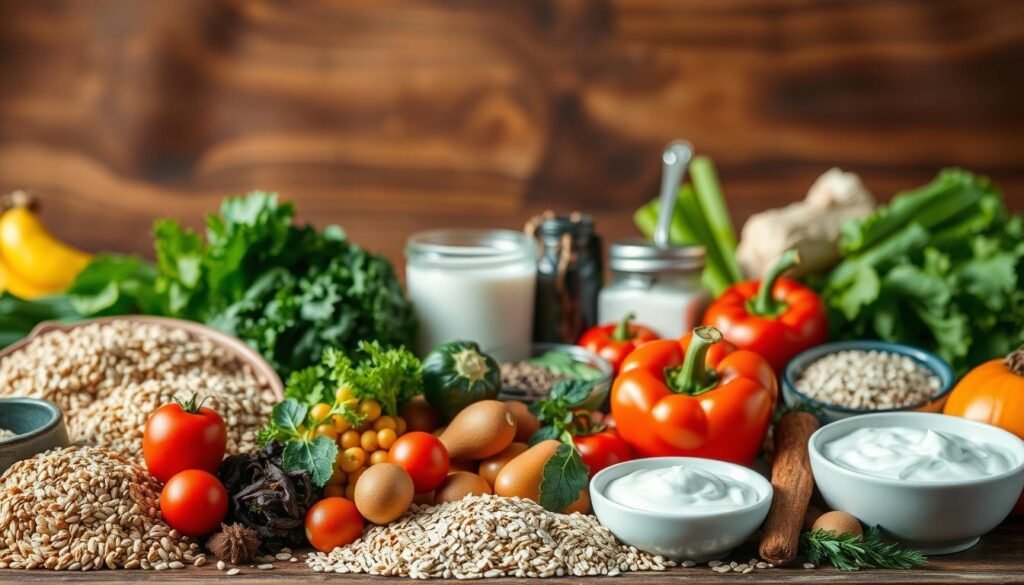
Probiotic-Rich Foods
Probiotic-rich foods introduce beneficial bacteria to your system. Options like kefir, sauerkraut, and kimchi are excellent sources. Kimchi, for instance, increases Lactobacillus, a key microbe for balance.
Other probiotic powerhouses include natto, tempeh, and brine pickles. Avoid vinegar-based pickles, as they lack live cultures. Adding these to your meals can enhance your body’s harmony.
Prebiotic Foods to Feed Good Bacteria
Prebiotics act as fuel for the beneficial microbes in your system. Foods like jicama, dandelion greens, and underripe bananas are great choices. Cooked-cooled potatoes are another excellent source of resistant starch, which supports microbial diversity.
Including these in your diet ensures your body’s good bacteria thrive. Pair them with probiotic-rich foods for maximum benefits.
Fiber-Packed Foods for Digestive Support
Fiber is essential for maintaining smooth digestion. Chia pudding, roasted artichokes, and pear skins are fiber heroes. These options not only aid digestion but also feed beneficial bacteria.
Aim to include a variety of fiber sources in your meals. This approach ensures your body gets the nutrients it needs to function optimally.
| Food Type | Examples |
|---|---|
| Probiotic-Rich | Kefir, sauerkraut, kimchi |
| Prebiotic | Jicama, dandelion greens, underripe bananas |
| Fiber-Packed | Chia pudding, roasted artichokes, pear skins |
Meal Prep Tips: Batch-ferment vegetables for easy snacks or prepare overnight oats for a quick breakfast. Brands like Farmhouse Culture and Cocojune offer high-quality fermented options.
Caution: If you have FODMAP sensitivities, limit foods like garlic and onions. These can cause discomfort for some individuals.
The Benefits of Fiber for Gut Health
Ever wondered how something as simple as fiber can transform your well-being? This essential nutrient does more than keep things moving—it supports your body’s balance and vitality. By understanding its types and benefits, you can make smarter choices for your daily diet.
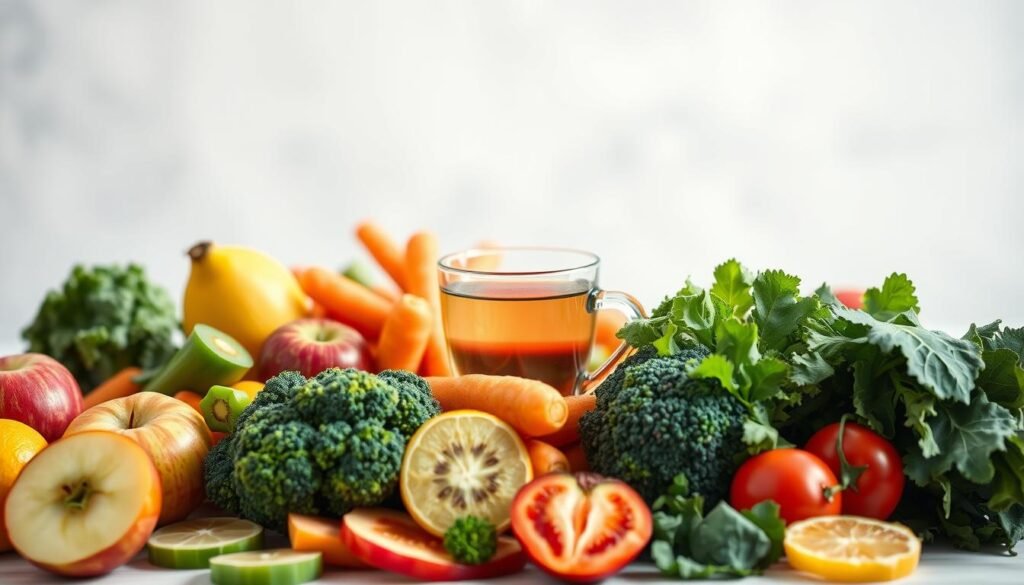
Soluble vs. Insoluble Fiber
Not all fiber is the same. Soluble fiber dissolves in water, forming a gel-like substance that feeds beneficial gut bacteria. Great sources include psyllium husk, avocado, and sweet potato. Insoluble fiber, on the other hand, adds bulk to your stool and helps with regularity. Think kale stems, celery, and almond skins.
Both types work together to keep your system running smoothly. For example, soluble fiber feeds Bifidobacterium, a key player in maintaining diversity in your microbiome.
How Fiber Supports a Healthy Microbiome
When you consume fiber, your body breaks it down into short-chain fatty acids (SCFAs) like butyrate. These compounds are vital for colon health and reducing inflammation. Studies show that a high-fiber diet can significantly improve microbial balance.
The USDA recommends 25-28 grams of fiber daily, with adjustments based on age. For midlife individuals, aiming for 30 grams can make a noticeable difference. Try a “fiber bomb” recipe with oats, flaxseeds, and berries for a delicious way to meet your goals.
| Fiber Type | Examples |
|---|---|
| Soluble | Psyllium husk, avocado, sweet potato |
| Insoluble | Kale stems, celery, almond skins |
Probiotics vs. Prebiotics: What’s the Difference?
Have you ever wondered how probiotics and prebiotics work together to support your body? While they sound similar, their roles are distinct yet complementary. Understanding their functions can help you make smarter choices for your daily routine.
How Probiotics Work
Probiotics are live microorganisms that add good bacteria to your system. Strains like Lactobacillus rhamnosus are known to support digestive comfort, especially for those with IBS. These beneficial microbes help maintain balance and support your body’s natural defenses.
Research shows that certain strains, such as Bifidobacterium, can even aid mood regulation. Including probiotic-rich foods like yogurt, kefir, and fermented vegetables in your diet can introduce these helpful bacteria.
The Role of Prebiotics in Gut Health
Prebiotics act as fuel for the beneficial microbes in your system. They are non-digestible fibers that promote the growth of good bacteria. For example, inulin, found in foods like bananas and asparagus, undergoes fermentation to support microbial diversity.
Combining probiotics and prebiotics creates a synbiotic effect. A simple combo like Greek yogurt with bananas can maximize the benefits for your digestive system. To learn more about optimizing your diet, check out this nutrition blueprint.
| Type | Function | Examples |
|---|---|---|
| Probiotics | Introduce beneficial bacteria | Yogurt, kefir, kimchi |
| Prebiotics | Fuel for good bacteria | Bananas, asparagus, onions |
Supplements to Support Your Gut Health
Curious about how supplements can enhance your body’s balance? While a nutrient-rich diet is essential, certain supplements can provide additional support. They can help address specific needs and fill gaps in your routine. Let’s explore when and how to use them effectively.
When to Consider Probiotic Supplements
Probiotic supplements can be beneficial in specific situations. For example, if you’re dealing with IBS, formulations like Align or Visbiome may help. Strains like Bifidobacterium are known to support digestive comfort and reduce inflammation.
After taking antibiotics, a 6-month supplementation plan can restore microbial balance. Brands like Bio-Kult, with 14 strains, are great sources of diverse beneficial bacteria. Always consult your doctor to choose the right option for your needs.
Other Gut-Supporting Supplements
Beyond probiotics, other supplements can play a key role. Magnesium glycinate, taken at 400mg nightly, supports motility and regularity. For leaky gut, L-glutamine in 5g powder form daily can help repair the intestinal lining.
When selecting supplements, consider trusted brands like Pure Encapsulations or Thorne. These companies prioritize quality and transparency, ensuring you get the most out of your regimen.
| Supplement | Benefit | Dosage |
|---|---|---|
| Probiotics | Restores microbial balance | As directed by doctor |
| Magnesium Glycinate | Supports motility | 400mg nightly |
| L-Glutamine | Repairs intestinal lining | 5g daily |
Conclusion: Take Charge of Your Gut Health Today
Taking small steps today can lead to big changes in how you feel tomorrow. In just two weeks, boosting your fiber intake can shift your microbiome. By one month, you’ll notice improvements in digestion and energy levels. These milestones are within reach with consistent effort.
Stacking habits like staying hydrated, walking daily, and enjoying fermented foods can amplify your results. These simple, science-backed strategies work together to support your body’s natural balance. Your gut is your longevity engine—nurture it with care.
Ready to take the next step? Download our free 7-day meal plan to kickstart your journey. It’s packed with delicious, nutrient-rich recipes designed to support your well-being.
Remember, nourish microbes, thrive at every age. Your body deserves the best, and it’s never too late to start.
FAQ
Why is gut health important as you age?
As you get older, your digestive system can become less efficient. Maintaining a healthy gut helps support your immune system, improve nutrient absorption, and reduce inflammation, which is especially important for overall well-being.
What are the signs of an unhealthy gut?
Common symptoms include bloating, gas, constipation, diarrhea, and fatigue. If you experience persistent issues, it’s a good idea to consult a doctor to rule out underlying conditions.
How long does it take to improve gut health?
Healing your gut can take weeks to months, depending on your habits and consistency. Sticking to a balanced diet, managing stress, and staying hydrated can speed up the process.
What foods are best for a healthy gut?
Focus on probiotic-rich foods like yogurt, kefir, and sauerkraut, as well as prebiotic foods like garlic, onions, and whole grains. Fiber-packed vegetables and fruits also play a key role.
Should I take probiotic supplements?
Probiotic supplements can be helpful, especially if you’re recovering from illness or taking antibiotics. However, it’s best to get most of your beneficial bacteria from whole foods like fermented products.
How does stress affect gut health?
Stress can disrupt the balance of bacteria in your intestines, leading to digestive issues. Practicing mindfulness, exercising, and getting enough sleep can help manage stress and support your microbiome.
What’s the difference between probiotics and prebiotics?
Probiotics are live beneficial bacteria found in foods like yogurt and kefir. Prebiotics are fibers that feed these good bacteria, found in foods like bananas, asparagus, and oats.
How can I increase fiber intake for better gut health?
Add more whole grains, legumes, fruits, and vegetables to your meals. Both soluble and insoluble fiber are essential for maintaining a diverse and healthy microbiome.
Can exercise improve gut health?
Yes, regular physical activity can enhance microbiome diversity and promote better digestion. Aim for at least 30 minutes of moderate exercise most days of the week.


