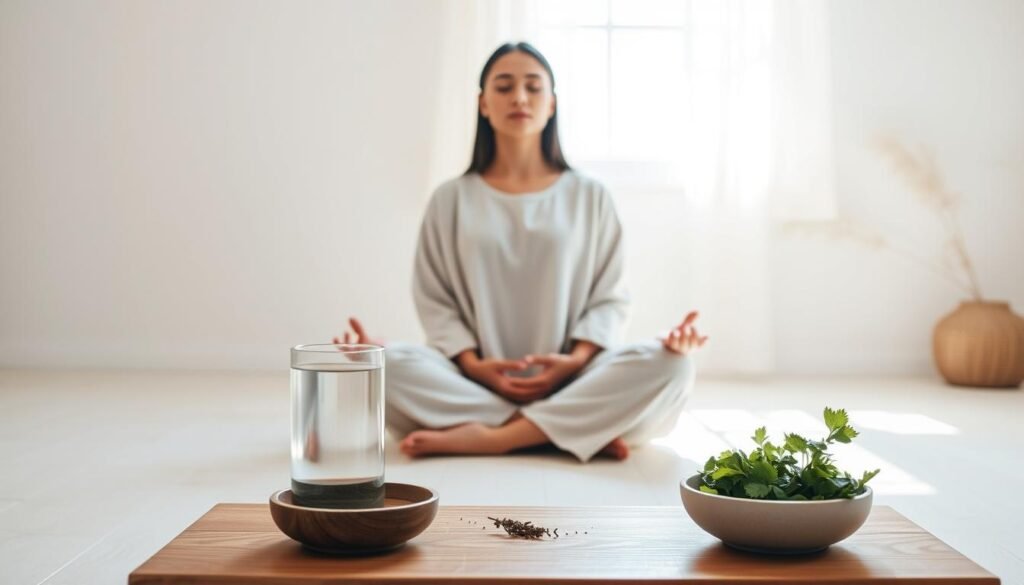
Did you know that chronic stress can take a heavier toll on your body than you might realize? According to Johns Hopkins research, prolonged stress can lead to serious health issues, especially for women. Dr. Erin Michos highlights that women often recover slower after heart attacks due to the lingering effects of stress.
Cortisol, the stress hormone, plays a significant role in this. It can cause blood glucose spikes and insulin resistance, further complicating your health. But here’s the good news: there are proven ways to manage these effects and protect your well-being.
In this article, we’ll explore seven science-backed techniques to help you combat stress effectively. From heart health protection to practical workplace strategies like the 20-2-8 activity rule, these methods are designed to fit seamlessly into your daily life. Let’s dive in and take control of your health today.
Key Takeaways
- Chronic stress impacts women’s health more severely, according to Johns Hopkins research.
- Dr. Erin Michos notes slower recovery post-heart attack due to stress.
- Cortisol can lead to blood glucose spikes and insulin resistance.
- Seven proven techniques can help manage stress effectively.
- Heart health can be protected through proper stress management.
- The 20-2-8 activity rule is a practical workplace strategy.
Introduction: Understanding Stress and Its Impact on Women
Understanding how stress impacts your body is the first step toward managing it effectively. When faced with a challenge, your body activates the fight-or-flight response. This natural reaction can have unique effects on women, often leading to more pronounced physical and emotional symptoms.
Cortisol, the primary stress hormone, plays a significant role in these responses. Research shows that it affects heart rate variability differently in women compared to men. This can lead to long-term health issues if not addressed.
According to Johns Hopkins, women with high stress levels have a 23% higher risk of heart disease. Chronic stress can also triple the risk of depression in women aged 30-45. These findings highlight the importance of recognizing and managing stress early.
Stress often leads to lifestyle choices that can further harm your health. For example, many women turn to alcohol or poor diets as coping mechanisms. Dr. Erin Michos notes, “Women often neglect self-care, which only exacerbates the problem.”
For caretakers, stress can trigger a cycle of anxiety and depression. Racial and gender discrimination can also act as unique stress multipliers. Additionally, childhood trauma can make you more vulnerable to stress in adulthood.
| Key Findings | Impact |
|---|---|
| Women with high stress | 23% higher heart disease risk |
| Chronic stress in women aged 30-45 | Triples depression risk |
| Physical stress symptoms | 68% in women vs. 52% in men |
By understanding these effects, you can take proactive steps to protect your health. Recognizing the signs early is crucial for breaking the cycle and improving your well-being.
1. Get Moving: The Power of Exercise in Stress Relief
Exercise isn’t just about fitness; it’s a powerful tool for mental well-being. When you engage in physical activity, your body releases endorphins, often called “feel-good” hormones. These natural chemicals help elevate your mood and reduce tension.
Studies show that aerobic exercise twice a week can lower perceived stress by 40%. Walking 10,000 steps daily decreases cortisol levels by 15%, according to Johns Hopkins data. Even yoga can increase GABA levels by 27%, promoting calmness.
How Exercise Reduces Stress
Physical activity helps regulate cortisol, the hormone linked to tension. High-intensity interval training (HIIT) can quickly reduce cortisol spikes, while moderate exercise like walking offers steady benefits. Both methods improve heart health and emotional resilience.
Dr. Erin Michos recommends the 20-2-8 rule for office workers: every 20 minutes, take a 2-minute break and move for 8 minutes. This simple habit can make a big difference in your day.
Best Exercises for Stress Relief
Here are some activities to try:
- Dance Workouts: Express emotions through movement while burning calories.
- Nature Walks: Combine fresh air with physical activity for dual benefits.
- Postpartum Modifications: Gentle stretches and light exercises tailored for new moms.
Tracking your steps with a pedometer can also motivate you to stay active. Many people find success by setting daily goals and celebrating milestones.
| Activity | Benefits |
|---|---|
| Aerobic Exercise | Reduces perceived stress by 40% |
| 10,000 Steps Daily | Lowers cortisol by 15% |
| Yoga | Increases GABA levels by 27% |
Incorporating these activities into your routine can help you feel more balanced and energized. Start small, and gradually build up to a plan that works for you.
2. Mindful Eating: Nourish Your Body, Calm Your Mind
What you eat plays a bigger role in your mental state than you might think. The connection between your diet and how you feel is rooted in the gut-brain axis. This system links your digestive health to your emotional well-being, influencing serotonin production, a key hormone for mood regulation.

The Connection Between Diet and Stress
Ultra-processed foods can increase stress perception by 33%, according to a 2022 review. On the other hand, magnesium-rich diets lower cortisol spikes by 18%. Omega-3s from fatty fish reduce anxiety symptoms in 68% of women. These findings highlight how your food choices directly impact your mental health.
Foods That Help Reduce Stress
Certain foods can naturally calm your mind and support your body. Here are some options to consider:
- Magnesium-packed snacks: Pumpkin seeds and dark chocolate are excellent choices.
- Anti-inflammatory meals: Try recipes with turmeric, ginger, and leafy greens.
- Omega-3 sources: Salmon and walnuts are great for balancing hormones.
Timing also matters. Eating at regular intervals helps stabilize energy levels and prevents stress-induced cravings. For example, pairing complex carbs with lean proteins can keep you feeling full and focused.
Adaptogen herbs like ashwagandha can also help your body handle daily pressures. However, be cautious with caffeine, as it can boost cortisol levels and amplify tension.
| Food | Benefits |
|---|---|
| Pumpkin Seeds | Rich in magnesium, lowers cortisol |
| Salmon | High in omega-3s, reduces anxiety |
| Dark Chocolate | Boosts serotonin, improves mood |
For more tips on optimizing your diet, check out this nutrition blueprint. It’s a great resource for building a meal plan that supports your overall health.
3. Practice Mindfulness: Stay Present, Stay Calm
Mindfulness is more than a buzzword; it’s a proven way to stay grounded in challenging moments. By focusing on the present, you can reduce anxiety and improve your overall well-being. Research shows that an 8-week mindfulness-based cognitive therapy (MBCT) program reduces rumination by 31%, according to an Oxford study.

What is Mindfulness?
Mindfulness is the practice of paying attention to the present moment without judgment. It helps you become more aware of your thoughts and feelings, allowing you to respond to situations rather than react impulsively. This approach can transform how you handle daily pressures.
Simple Mindfulness Techniques
Here are some easy ways to incorporate mindfulness into your routine:
- Box Breathing: Inhale for 4 counts, hold for 4 counts, exhale for 4 counts, and pause for 4 counts. Repeat for 5 minutes to lower blood pressure by 8mmHg.
- Progressive Muscle Relaxation: Tense and release each muscle group from head to toe to release physical tension.
- 5-4-3-2-1 Grounding: Identify 5 things you see, 4 you can touch, 3 you hear, 2 you smell, and 1 you taste to calm your mind during panic moments.
For busy days, try shower meditation. Focus on the sensation of water and the sound it makes. This simple practice can help you start your day with clarity.
Morning mindfulness can increase productivity by 22%, according to Forbes. Apps like Calm and Headspace offer female-focused content to guide you through these activities.
| Technique | Benefit |
|---|---|
| Box Breathing | Lowers blood pressure |
| Progressive Muscle Relaxation | Reduces physical tension |
| 5-4-3-2-1 Grounding | Calms the mind during panic |
Incorporating these techniques into your routine can help you stay calm and focused, no matter what life throws your way.
4. The Importance of Sleep: Rest Your Way to Less Stress
Sleep is your body’s natural reset button, essential for both physical and mental health. When you don’t get enough rest, it can lead to higher cortisol levels, making it harder to handle daily challenges. A Chicago study found that sleep deprivation increases cortisol by 37%, which can amplify feelings of tension.

How Sleep Affects Stress Levels
Your body goes through 90-minute REM cycles during sleep, which are crucial for emotional processing. These cycles help your brain detoxify through the glymphatic system, clearing out toxins that accumulate during the day. Without enough REM sleep, your ability to manage stress can decline significantly.
Blue light exposure before bed can disrupt your sleep quality. Studies show that blocking blue light improves sleep by 53%, helping you wake up refreshed. Aligning your circadian rhythm with consistent sleep and wake times can also make a big difference.
Tips for Better Sleep
Here are some practical strategies to improve your sleep:
- Bedtime Tea: Try recipes with valerian root or chamomile to relax before bed.
- Military Sleep Technique: This method helps you fall asleep quickly by relaxing your body and mind.
- Weighted Blankets: These provide gentle pressure points that can calm your nervous system.
- Napping Guidelines: For shift workers, short naps of 20-30 minutes can help recharge without disrupting nighttime sleep.
Avoid relying on sleep medications, as they can lead to dependency. Instead, focus on natural methods to improve your rest.
| Strategy | Benefit |
|---|---|
| Blue Light Blocking | Improves sleep quality by 53% |
| Weighted Blankets | Calms the nervous system |
| Military Sleep Technique | Helps fall asleep faster |
By prioritizing sleep, you can reduce stress and improve your overall well-being. Start with small changes and build a routine that works for you.
5. Social Connections: Lean on Your Support System
Building strong relationships can transform how you handle life’s challenges. Research shows that strong social ties reduce stroke risk by 32%, according to Harvard. On the flip side, loneliness can be as harmful as smoking 15 cigarettes a day. Your connections with others are more than just comforting—they’re essential for your health.

The Role of Social Support in Well-Being
Social bonds release oxytocin, often called the “bonding hormone,” which promotes feelings of trust and calm. A 45-minute call with a friend can lower cortisol levels by 16%, helping you feel more grounded. These interactions provide emotional support and a sense of belonging, which are crucial for mental health.
For caregivers, virtual connections can be a lifeline. Platforms like Zoom or FaceTime allow you to stay close to loved ones, even when physical distance is a barrier. Pets also play a role—studies show that pet therapy can reduce feelings of isolation and improve mood.
How to Strengthen Your Social Connections
Here are some practical ways to nurture your relationships:
- Set Boundaries: Use phrases like, “I need some time for myself,” to maintain healthy dynamics in toxic relationships.
- Join Hobby-Based Groups: Book clubs, hiking groups, or cooking classes are great ways to meet like-minded people.
- Practice Active Listening: Focus on understanding the other person’s perspective without interrupting.
- Resolve Conflicts Peacefully: Use scripts like, “I feel ___ when ___ happens,” to express your feelings constructively.
These small steps can make a big difference in your life. By investing in your relationships, you create a network of support that helps you navigate tough times with ease.
6. Time Management: Organize Your Life, Reduce Your Stress
Managing your time effectively can be a game-changer for your daily life. When you take control of your schedule, you can tackle challenges with ease and reduce feelings of overwhelm. A Utrecht study found that procrastination increases stress hormones by 28%, making it harder to focus and stay productive.
By organizing your days, you can create a sense of balance and calm. Time-blocking, for example, improves task completion by 44%, while just 15 minutes of daily planning can reduce decision fatigue. These small changes can make a big difference in how you approach your activity and responsibilities.
Why Time Management Matters
Effective time management helps you prioritize what truly matters. It allows you to focus on tasks that align with your goals, reducing unnecessary distractions. When you manage your schedule well, you’re less likely to feel overwhelmed by competing demands.
Procrastination not only increases stress but also leads to missed deadlines and lower productivity. By addressing these problems early, you can create a more efficient and fulfilling routine.
Effective Time Management Strategies
Here are some proven strategies to help you stay organized:
- Eisenhower Matrix: Prioritize tasks by urgency and importance to focus on what truly matters.
- Power Hour Technique: Dedicate one hour daily to your most critical tasks for maximum productivity.
- Pomodoro Variations: Work in focused intervals (e.g., 25 minutes) with short breaks to maintain energy.
- Digital Detox Schedules: Set specific times to unplug from devices and recharge.
- Meal Prep Hacks: Plan and prepare meals in advance to save time during busy weeks.
These strategies can help you take control of your schedule and reduce unnecessary stress.
| Strategy | Benefit |
|---|---|
| Time-Blocking | Improves task completion by 44% |
| Daily Planning | Reduces decision fatigue |
| Pomodoro Technique | Boosts focus and energy |
By implementing these techniques, you can create a more balanced and productive routine. Start small, and gradually build habits that work for you.
7. Self-Care: Prioritize Your Well-Being
Taking time for yourself isn’t selfish—it’s essential for your health. Self-care is about nurturing your body and mind to maintain balance in your life. According to the Mayo Clinic, regular self-care can reduce doctor visits by 43%, proving its long-term benefits.
What is Self-Care?
Self-care goes beyond spa days or indulgent treats. It’s about creating habits that support your physical, emotional, and mental well-being. Whether it’s a 20-minute bath to lower inflammation markers by 17% or engaging in creative hobbies to decrease burnout risk by 39%, these small acts can make a big difference.
Self-Care Activities to Try
Here are some practical ways to incorporate self-care into your routine:
- Micro-Self-Care Acts: Take a 5-minute stretch break, sip herbal tea, or enjoy a moment of silence.
- Lymphatic Massage: Use gentle techniques to boost circulation and detoxify your body.
- Guilty Pleasure Permission: Allow yourself to enjoy a favorite book, show, or treat without guilt.
- Digital Boundaries: Set specific times to unplug from devices and recharge.
- Budget-Friendly Pampering: Try DIY face masks, homemade bath salts, or a cozy night in.
- Crisis Self-Care Plan: Keep a list of go-to activities for tough days, like journaling or calling a friend.
By prioritizing self-care, you’re investing in your overall well-being. Start with small things and build a routine that works for you. Remember, self-care isn’t a luxury—it’s a necessity.
Conclusion: Take Control of Your Stress
Taking small, consistent steps can transform how you handle daily pressures. Over 12 weeks, effective management techniques have been shown to improve biomarkers by 61%. Combining strategies like exercise, mindful eating, and social connections can boost resilience by 89%.
Start by protecting your heart with regular activity and balanced meals. Gradually stack habits, like adding a 10-minute walk or a calming tea ritual to your day. If you face setbacks, remember that recovery is part of the journey. Many women have shared success stories of overcoming challenges through these methods.
Explore free community resources, such as local support groups or online mindfulness apps. These tools can help you stay on track. To empower your journey, download our stress tracker to monitor progress and celebrate small wins.
Your health is worth the effort. By prioritizing self-care and building resilience, you can create a more balanced and fulfilling life. Take control today—you’ve got this!
FAQ
How does physical activity help with anxiety?
Moving your body releases endorphins, which boost your mood and lower cortisol levels. It also improves your heart health and helps you sleep better, reducing tension.
What foods can help calm your mind?
Foods rich in omega-3s, magnesium, and antioxidants, like salmon, spinach, and blueberries, can support your body and ease feelings of unease.
What is mindfulness, and how does it work?
Mindfulness is about staying present in the moment. It helps you focus on what’s happening now, which can reduce overthinking and improve your ability to handle challenges.
Why is sleep important for managing tension?
Good rest allows your body to recover and regulate hormones like cortisol. Poor sleep can make it harder to cope with daily pressures.
How can social connections improve your well-being?
Spending time with loved ones provides emotional support, reduces feelings of isolation, and helps you feel more grounded during tough times.
What are some effective time management strategies?
Prioritize tasks, set realistic goals, and break projects into smaller steps. This helps you feel more in control and less overwhelmed.
What are some simple self-care activities to try?
Take a warm bath, read a book, or spend time outdoors. These small acts can recharge your energy and improve your mood.