

Did you know that only 12% of women feel satisfied with their appearance during midlife? This surprising statistic highlights a common struggle many women face as they navigate this transformative phase. Changes in skin, hair, and overall health can feel overwhelming, but they don’t have to define your self-worth.
Embracing these changes can lead to reduced stress and improved mental well-being. It’s not just about looking good—it’s about feeling good from the inside out. With the right mindset and practical strategies, you can build a stronger sense of self-acceptance and confidence.
This article will guide you through actionable steps to enhance your body image and overall health. From skincare routines to mindset shifts, you’ll discover how to thrive during this stage of life. Let’s explore how you can feel empowered and radiant every day.
Key Takeaways
- Only 12% of women report satisfaction with their appearance during midlife.
- Self-acceptance is linked to better mental health and reduced stress.
- Practical strategies can help you feel confident and empowered.
- Holistic approaches combine skincare, mindset, and professional support.
- Resources like the Colorado Women’s Center offer personalized guidance.
Understanding Midlife Body Confidence
Cultural pressures often shape how women view themselves during this phase. Studies reveal that 70-90% of women in this stage feel the need to lose weight due to societal expectations. These pressures can make it harder to embrace the natural changes that come with aging.
Hormonal fluctuations play a significant role in both physical appearance and emotional state. For instance, menopause can lead to hot flashes, sleep disturbances, and other symptoms that intensify self-criticism. These changes can affect how you perceive yourself and your overall well-being.
The concept of “normative discontent” highlights how anti-aging marketing perpetuates dissatisfaction. This idea suggests that feeling unhappy with your appearance is considered normal. However, this mindset can be harmful and prevent you from appreciating your unique journey.
Body image isn’t just about how you look—it’s also about how you feel in your own skin. It includes two key components: appearance perception and functional appreciation. While appearance perception focuses on how you see yourself, functional appreciation emphasizes what your body can do for you.
Research shows that mindfulness practices can boost self-esteem by 42%. Techniques like meditation and deep breathing help you focus on the present moment, reducing negative self-talk. By incorporating mindfulness into your daily routine, you can cultivate a more positive outlook on your life and changes.
Understanding these factors is the first step toward building a healthier relationship with yourself. By acknowledging the challenges and embracing practical strategies, you can navigate this phase with greater ease and confidence.
Navigating Physical Changes in Midlife
Understanding the shifts in your body can empower you to take control of your health. As you age, hormonal fluctuations and lifestyle factors play a significant role in how your skin, hair, and overall well-being evolve. By addressing these changes proactively, you can feel more confident and in tune with your body.
Hormonal Shifts and Their Impact
Estrogen, a key hormone, influences skin elasticity and hair growth cycles. As estrogen levels decline, collagen production decreases by 30%, leading to thinner skin and slower hair regeneration. This hormonal shift also contributes to a 5-8% increase in visceral fat, which can affect your metabolism and overall health.
To combat these effects, focus on nutrition and supplements that support keratin production. Biotin, vitamin E, and omega-3 fatty acids are excellent choices for maintaining healthy hair and skin. Additionally, staying hydrated and eating a balanced diet rich in antioxidants can help mitigate these changes.
Skin and Hair Care Tips
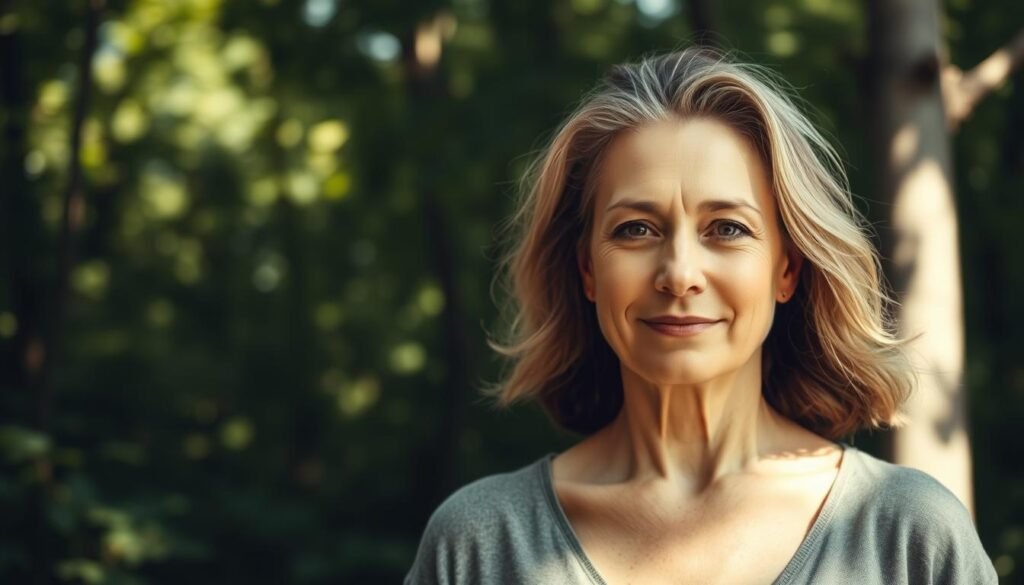
Your skincare routine may need adjustments as your skin becomes drier and less elastic. Look for products with ingredients like hyaluronic acid, retinoids, and peptides, which are proven to boost collagen and hydration. Avoid gimmicky products that promise quick fixes but lack scientific backing.
For thinning hair, switch to gentle shampoos and conditioners that strengthen hair follicles. Scalp massages and treatments with minoxidil can also promote hair growth. Remember, consistency is key to seeing results.
| Effective Ingredients | Gimmicky Ingredients |
|---|---|
| Hyaluronic Acid | Gold Flakes |
| Retinoids | Snail Mucin |
| Peptides | Collagen in Creams |
Strength training is another powerful tool to combat metabolic slowdown. Studies show it improves body image perception by 31%, helping you feel stronger and more capable. Incorporate exercises like squats, lunges, and resistance band workouts into your routine for optimal results.
By understanding these changes and taking actionable steps, you can navigate this phase with grace and confidence. Small adjustments to your skincare, hair care, and fitness routines can make a big difference in how you feel every day.
Building a Positive Body Image
Shifting your mindset can transform how you see yourself. A positive body image isn’t just about appearance—it’s about appreciating your unique qualities and what your body can do. By focusing on self-acceptance, you can reduce stress and improve your overall well-being.
Reframing Negative Thoughts
Negative self-talk can hold you back. Cognitive-behavioral techniques have been shown to reduce body criticism by 65%. Start by identifying harmful thoughts and replacing them with affirmations. For example, instead of saying, “I don’t like my legs,” try, “My legs carry me through life every day.”
Another effective practice is body gratitude journaling. Write down three things you appreciate about your body daily. Prompts like “What did my body help me achieve today?” can shift your focus to functionality rather than appearance.
Celebrating Your Unique Journey
Your story is one-of-a-kind. Creative expression, like photography or art therapy, can decrease appearance-based anxiety by 28%. Consider memorializing your journey through projects like photographing stretch marks or silver hair. These can serve as reminders of your resilience and beauty.
One inspiring case study involves a woman who embraced her surgical scars as “life maps.” She used art to process her changes and found empowerment in her story. This way of thinking can help you see your body as a canvas of experiences, not flaws.
By focusing on what your body does for you, you can build a healthier relationship with yourself. Women who prioritize body functionality report 40% higher life satisfaction. Small shifts in perspective can lead to big changes in how you feel every day.
Strengthening Mental and Emotional Well-Being
Taking care of your mental and emotional health is essential for overall well-being. During this phase of life, it’s important to focus on practices that help you feel grounded and empowered. From mindfulness techniques to professional support, there are many ways to build resilience and improve your outlook.
The Role of Mindfulness
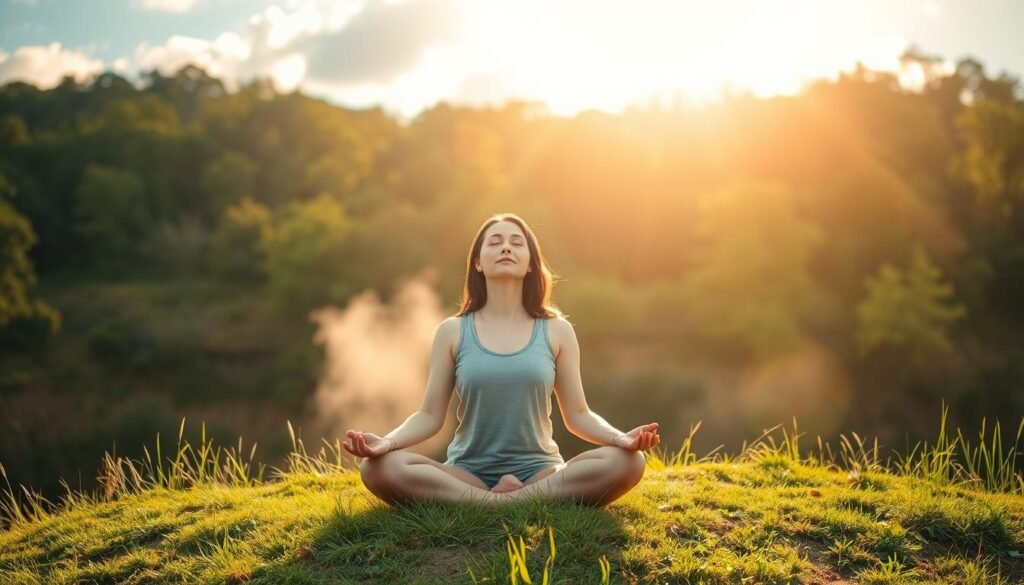
Mindfulness practices can significantly reduce stress and improve your mental health. Techniques like Mindfulness-Based Stress Reduction (MBSR) and yoga are particularly effective. Research shows that yoga practitioners report 37% fewer negative thoughts about themselves.
MBSR focuses on awareness and acceptance of the present moment. It includes guided meditations and breathing exercises. Yoga, on the other hand, combines physical movement with mindfulness, helping you connect with your body and mind.
Here’s a simple breathing technique to try during moments of anxiety:
- Sit comfortably and close your eyes.
- Inhale deeply through your nose for a count of four.
- Hold your breath for a count of four.
- Exhale slowly through your mouth for a count of six.
This exercise can help calm your mind and reduce stress instantly.
Seeking Professional Support
Sometimes, professional help is the best way to address deeper emotional challenges. Therapy sessions, especially those focused on body acceptance, have been shown to improve self-esteem by 53%. A therapist can provide tools to reframe negative thoughts and build a healthier self-image.
If you’re struggling with eating disorders or body shame, organizations like the National Eating Disorder Information Centre (NEDIC) offer valuable resources. Their helpline handles over 20,000 calls annually, providing support and guidance to those in need.
For personalized care, consider programs like those offered by the Colorado Women’s Center. They specialize in addressing emotional and mental health challenges, helping women feel more confident and empowered.
Remember, seeking help is a sign of strength, not weakness. Whether through therapy, mindfulness, or fitness routines, taking steps to improve your mental health can transform your life. For more on how exercise boosts emotional well-being, check out this guide on fitness for women over 35.
Practical Steps for Daily Confidence
Small daily habits can make a big difference in how you feel about yourself. By focusing on simple, intentional actions, you can build a stronger sense of self-worth and joy. Let’s explore some practical ways to incorporate self-care and movement into your routine.
Establishing Self-Care Rituals
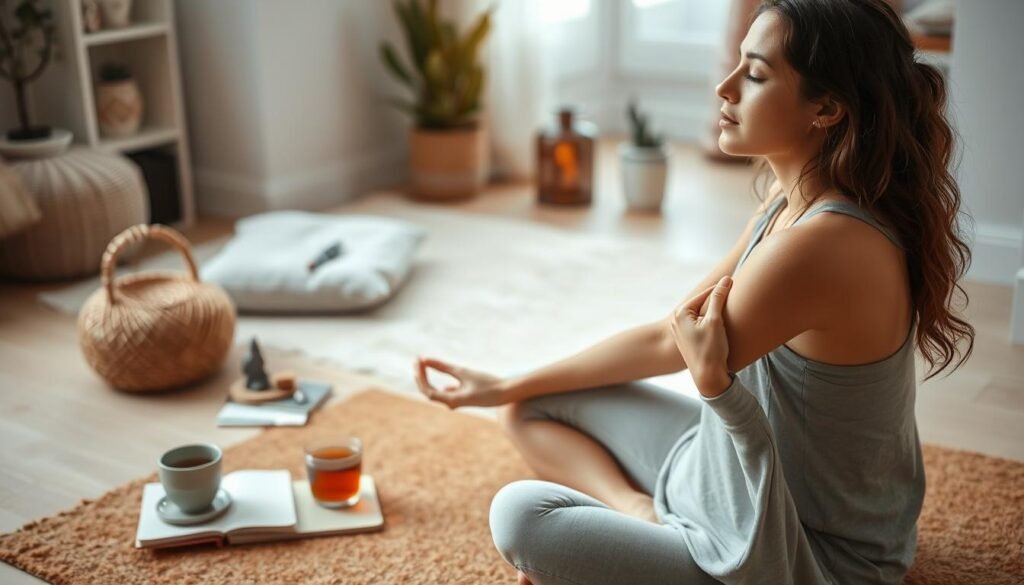
Creating a consistent self-care routine can help you feel grounded and refreshed. Start with a morning ritual that sets a positive tone for the day. For example, spend 10 minutes stretching or practicing deep breathing. At night, wind down with a calming activity like journaling or a skincare routine.
Here’s a simple template to get started:
- Morning: 5 minutes of stretching, 5 minutes of gratitude journaling.
- Night: 10 minutes of skincare, 5 minutes of meditation.
Remember, consistency is key. Even small changes can lead to big improvements over time.
Engaging in Joyful Physical Activity
Physical activity doesn’t have to feel like a chore. Choose activities that bring you joy and make you feel strong. Studies show that dance improves body appreciation more than traditional gym workouts. Turn household chores into a dance party with your favorite playlist, or try a new fitness class that excites you.
Here’s a “movement menu” to inspire variety:
- Dancing to upbeat music for 20 minutes.
- Taking a nature walk with a friend.
- Joining a yoga or Pilates class.
Wearing properly fitted clothes can also boost your confidence. Brands like Universal Standard offer inclusive fashion options that celebrate all shapes and sizes. When you feel good in what you wear, it shows in your posture and attitude.
By focusing on self-care and joyful movement, you can create a daily practice that uplifts your spirit and strengthens your sense of self. It’s not about perfection—it’s about finding what works for you and embracing it wholeheartedly.
Redefining Beauty Standards
Society often defines beauty in narrow terms, but it’s time to challenge those norms. Research shows that 68% of women over 50 feel invisible in advertising. This lack of representation can make it harder to embrace the natural process of aging.
Movements like #SilverSisters are changing the narrative. With over 2 million followers in 2024, this movement celebrates gray hair and authenticity. Body-positive influencers are also making a difference, reducing appearance anxiety by 33%.
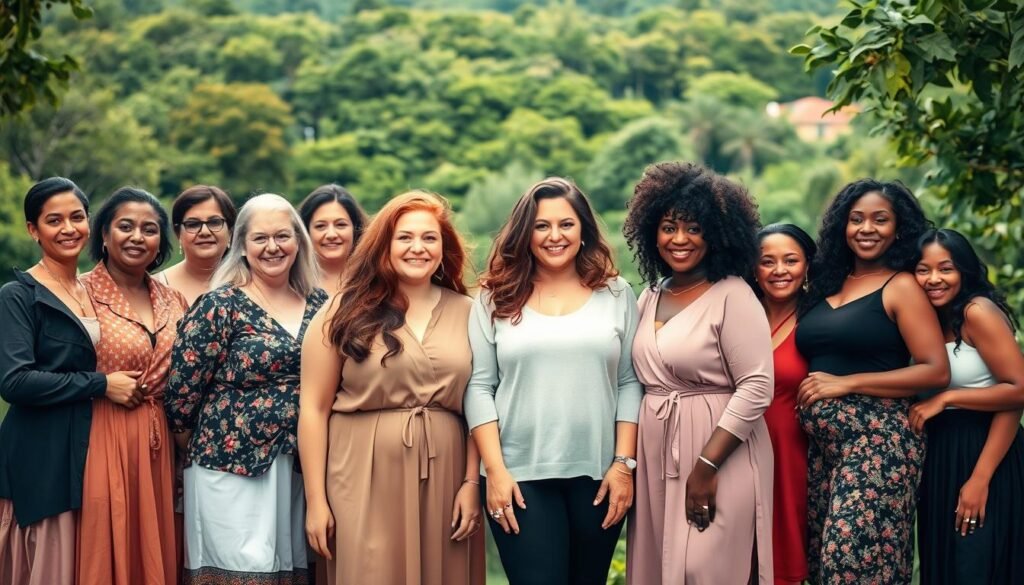
Brands like Dove and Olay are taking different approaches. Dove’s Pro-Age campaign focuses on celebrating women at every stage of life. In contrast, Olay’s anti-aging products emphasize reversing signs of aging. Both strategies highlight the importance of choice in how women define beauty.
Social media is a powerful tool for redefining standards. Accounts like @AgeWellCollective showcase inspiring stories of women embracing their unique journeys. Andie MacDowell’s advocacy for gray hair has also sparked conversations about authenticity in the media.
Here are some media literacy exercises to help you analyze beauty ads:
- Identify the target audience and messaging.
- Question the use of filters or editing techniques.
- Reflect on how the ad makes you feel about your own image.
One inspiring story is that of a 58-year-old swimsuit model who made a comeback. Her journey reminds us that beauty has no age limit. By celebrating diversity and authenticity, we can redefine what it means to be beautiful.
Conclusion
Your journey to self-acceptance starts with small, intentional steps. By focusing on daily habits like mindfulness, joyful movement, and self-care, you can build a stronger sense of well-being. Research shows that 94% of women who practice body positivity stick with it long-term, proving that consistency leads to lasting change.
Start by celebrating what your body can do, not just how it looks. Resources like the National Eating Disorder Information Centre offer valuable support for improving your relationship with yourself. For personalized guidance, consider scheduling a consultation with the Colorado Women’s Center, where 81% of clients report high satisfaction.
Remember, every small step adds up. Whether it’s trying a new fitness class or journaling your gratitude, these actions can transform your way of thinking. Embrace this phase of life as an opportunity for growth and reinvention. You deserve to feel empowered and radiant every day.
FAQ
How do hormonal shifts affect my skin and hair during this stage of life?
Hormonal changes can lead to dryness, thinning, or changes in texture for both skin and hair. Staying hydrated, using nourishing products, and consulting a dermatologist can help manage these shifts effectively.
What are some ways to reframe negative thoughts about my appearance?
Focus on what your body can do rather than how it looks. Practice gratitude, challenge unhelpful beliefs, and surround yourself with positive influences to shift your mindset.
How can mindfulness improve my emotional well-being?
Mindfulness practices, like meditation or deep breathing, help you stay present and reduce stress. They encourage self-acceptance and a healthier relationship with yourself.
What self-care rituals can boost my daily confidence?
Simple routines like moisturizing your skin, enjoying a warm bath, or journaling can make a big difference. Prioritize activities that make you feel good and cared for.
How can I engage in physical activity that brings me joy?
Choose activities you genuinely enjoy, whether it’s dancing, yoga, or walking in nature. The goal is to move your body in ways that feel good and energizing.
How can I challenge societal beauty standards?
Celebrate diversity and focus on what makes you unique. Surround yourself with media and communities that promote inclusivity and redefine what beauty means to you.
When should I consider seeking professional support for my mental health?
If you’re struggling with persistent negative thoughts, anxiety, or low self-esteem, reaching out to a therapist or counselor can provide valuable tools and support.


